Nepal Tea Industry in 2026: Growth, Export Trends & Global Demand
Industry Report · 2026
Nepal's Tea Industry Is Brewing Its Finest Year
From the mist-draped ridges of Ilam to the export corridors of Kakarvitta — Himalayan tea is earning record revenues, winning international medals, and fueling the livelihoods of over 200,000 mountain farming families.
Rs 4.59B
FY 2025/26 Export Revenue
+27%
Year-on-Year Growth
70%
Organic Certified
20+
Export Countries
↑ 27% YoY
Rs 4.59B
Total Exports FY 2025/26
Up from Rs 3.62B in FY 2024/25. Source: Nepal Dept. of Customs.
Record High
15.59M kg
Export Volume
Nepal ranks 19th globally in tea production across ~20,000 hectares.
↑ 40% Surge
$50M
Exports to USA — 2025
Zero LDC tariff advantage driving record American demand. Source: NTCDB.
↑ 46% Volume
200,000+
Livelihoods Supported
90% of tea-picking workforce are women. A vital driver of female economic empowerment.
Export Revenue Growth — NPR Billion
Revenue (NPR B)
Volume Index
2.1B
FY19/20
2.5B
FY20/21
2.8B
FY21/22
3.94B
FY22/23
2.95B
FY23/24
3.62B
FY24/25
4.59B ★
FY25/26
Export Market Share by Destination
🇮🇳 India (largest volume buyer)60%+
🇺🇸 USA (fastest-growing · $50M record)~15%
🇪🇺 Europe (DE, FR, CH, IT)~10%
🇨🇳 China (premium: 5× India pricing)~7%
🌏 Others (JP, UK, AU, ME, KR)~8%
Where It's Grown
Six Terroirs, Infinite Character
Nepal's geographic sweep — from subtropical lowlands to Himalayan ridges above 4,000 metres — gives rise to teas with genuinely unique character found nowhere else on earth.
Ilam
1,200 – 2,000m elevation
Award-Winning
Orthodox · Herbal
Nepal's most celebrated tea district. Floral, muscatel character. Home of the Tinjure Farmers' Cooperative, winner of the Grand Gold Medal at the China Tea Marketing Association's international competition, 2024.
Taplejung / Kanchanjunga
2,000 – 4,000m elevation
Fair Trade
Organic Orthodox
Nepal's highest altitude teas. Sweet, honey-like complexity grown in the shadow of the world's third-highest peak. Fully organic and fair-trade certified — among the most prized single-origin teas globally.
Panchthar
1,500 – 2,200m elevation
Specialty
Orthodox
Light, complex, and aromatic with flavour kinship to Darjeeling across the border. Gaining strong recognition among European specialty buyers seeking authentic origin-focused single-estate teas.
Dhankuta
1,300 – 1,900m elevation
Emerging
Green · White · Artisan
A rising star on Nepal's specialty tea map. Grassy, crisp whites and greens with clean finish. Attracting direct inquiries from Japanese and South Korean specialty importers seeking alternatives to Chinese green teas.
Jhapa
Terai plains
High Volume
CTC
Nepal's engine of domestic chai culture. Bold, strong, bright. Most CTC exports flow through India — but direct market development initiatives are beginning to change this pattern and capture greater value domestically.
Sankhuwasabha & Terhathum
1,400 – 2,500m elevation
Growing
Orthodox
Rich, full-bodied teas from Koshi Province's network of 100 orthodox factories, 21 of which hold organic certification. Significant investment and growing third-country export share make this a district to watch.
What Nepal Produces
Three Pillars of Nepali Tea
Orthodox Tea
Nepal's crown jewel for export. Handpicked and traditionally processed — withering, rolling, oxidation, drying. The trademark "Nepal Tea – Quality from the Himalayas" (registered September 2020) anchors global marketing. Koshi Province alone hosts 100 orthodox factories, 21 organically certified.
7,838 t
Annual Production · Koshi NRB Data
CTC Tea
Crush, Tear, Curl — the lifeblood of Nepal's beloved chiya street culture. Primarily grown in Jhapa's Terai lowlands using Assam and Cambodian bush varieties. Valued internationally for brightness, strength, and sharp malty flavour. Dominates domestic consumption and bulk export channels through India.
~60%
Share of Domestic Consumption
Herbal & Specialty
Nepal's extraordinary biodiversity fuels a fast-growing category: tulsi, lemongrass, cardamom, ginger, and peppermint. Caffeine-free and perfectly aligned with Western functional beverage trends. Clean, ethical sourcing narratives command premium prices in health-focused markets across Europe and North America.
↑ Fastest
Growth Category in Export Value
Where It Goes
Global Markets & Export Destinations
Nepal exported tea to over 20 countries in 2025. The US has become the most strategically important non-India market — with zero LDC tariffs giving Nepali tea a structural pricing advantage over all competitors.
🇺🇸
United States
Record $50M exports · +40% surge in 2025
↑ 40% · Zero LDC tariff advantage
🇮🇳
India
60%+ of total volume · Dominant buyer
Strategic dependency actively declining
🇨🇳
China
5× higher per-kg price vs India
↑ Highest premium realisation
🇩🇪
Germany & Europe
DE, FR, CH, IT — specialty markets
↑ Organic & single-origin demand
🇯🇵
Japan
7 Nepali factories export organic here
↑ Top untapped potential — NRB
🇬🇧
UK · Australia · Norway
Ethical sourcing premium markets
↑ High willingness-to-pay
"American consumers, increasingly drawn to sustainable and ethically sourced products, have embraced Nepali teas for their unique flavour profiles and artisanal quality that simply cannot be replicated elsewhere."
— National Tea & Coffee Development Board (NTCDB), Industry Report 2025
Certified Excellence
Organic Certification & the Premium Edge
Organic certification has become the single most transformative competitive lever for Nepali tea. Gardens now account for 70% of total production — up from just 50% in 2022.
🏅
Grand Gold Medal — Ilam, 2024
Tinjure Farmers' Cooperative of Ilam won the Grand Gold Medal at the China Tea Marketing Association's international competition, dramatically amplifying Nepal's global visibility.
💰
56% Higher Farmer Income
Certified organic orthodox tea earns farmers Rs 75.52 per ropani vs Rs 48.44 for uncertified — a 56% income premium. Profit per kg: Rs 30 certified vs Rs 24 uncertified. Source: Nepal Rastra Bank.
🌍
Direct Access to Premium Markets
7 factories export certified organic to Japan, 4 to China, 2 directly to the USA. USDA certification unlocks American specialty retail chains where consumers pay 2–3× for verified organic provenance.
⚠️
Critical Gap: No Domestic Testing Lab
Nepal currently lacks a domestic quality certification laboratory, forcing producers to air-ship tea samples abroad at significant cost. An urgent infrastructure bottleneck limiting the industry's full potential.
Honest Assessment
Eight Challenges Requiring Action
Despite record growth, Nepal's tea industry faces structural headwinds that require urgent policy attention and private sector innovation to sustain momentum.
01
India Dependency
88%+ of orthodox tea still flows to India, blended and sold under Indian labels — stripping Nepal of its marketing identity and premium pricing power.
02
Value Addition Gap
Most CTC tea is exported as raw or semi-processed leaves, capping foreign exchange earnings and value retained within Nepal's borders.
03
Certification Costs
Rs 500K–1M per hectare for organic certification. Farmers also face a combined 27% tax burden on VAT, income, and service taxes — prohibitive for smallholders.
04
Climate Volatility
Erratic monsoons, hailstorms, and temperature shifts are increasingly affecting yields and quality, particularly at high-altitude estates most valued for specialty production.
05
Branding Gap
Despite superior quality, Nepali tea lacks the global recognition of Darjeeling or Ceylon. Consistent investment is needed to shift this narrative and capture the premium pricing these origins command.
06
Skilled Workforce
Tea processing, quality testing, and export management require specialised skills that remain critically scarce across Nepal's producing districts and processing factories.
07
No Testing Lab
Without a domestic quality certification laboratory, producers must air-ship samples abroad at significant cost and delay — a bottleneck undermining export speed and competitiveness.
08
Market Volatility
Early FY 2025/26 saw a 31.4% export drop before a strong year-end recovery — highlighting the risks of spot-market over-dependence and the need for long-term supply agreements.
What Comes Next
Opportunities on the Horizon
With 9.55% average annual production growth and accelerating direct export development, Nepal has the structural foundations to become a top-15 global tea producer within a decade — if the right foundations are built now.
🏛️
Tea Auction House
Nepal is developing a tea auction platform modelled on Colombo and Kolkata — establishing transparent, market-driven pricing, increasing third-country direct exports, and helping producers bypass India-dependent intermediary channels entirely.
⛰️
Single-Origin Premiumisation
High-altitude estates like Jasbire in Ilam — with distinctive muscatel notes, elevation-driven complexity, and organic credentials — are perfectly positioned for the global specialty tea movement and the price premiums it commands.
🧭
Tea Tourism
Nepal's extraordinary landscapes create a natural opportunity for immersive estate experiences combining trekking, cultural exchange, and hands-on processing — diversifying farmer income while creating authentic global brand ambassadors.
🛒
Direct-to-Consumer
E-commerce and social storytelling have dramatically lowered barriers for Nepali brands to reach global consumers directly. Himalayan terroir narratives resonate powerfully with today's socially conscious specialty tea drinker.
"Every cup of Himalayan orthodox tea is the product of generations of farming knowledge, extraordinarily rich mountain ecosystems, and communities for whom tea is not just a livelihood — but a way of life."
— Danfe Tea · Sourced with purpose, shared with pride · danfetea.com
Data Sources: Nepal Department of Customs (FY 2025/26 export figures); Nepal Rastra Bank, Biratnagar Office — Special Report on Orthodox Tea in Koshi Province (organic income data); National Tea & Coffee Development Board NTCDB (US export surge); Rising Nepal Daily / Mechi Customs Office Kakarvitta (46% volume surge, May 2025); Kathmandu Post (organic certification economics); China Tea Marketing Association (Grand Gold Medal, 2024). All NPR figures unless stated. FY = Nepal fiscal year (Shrawan–Ashadh).
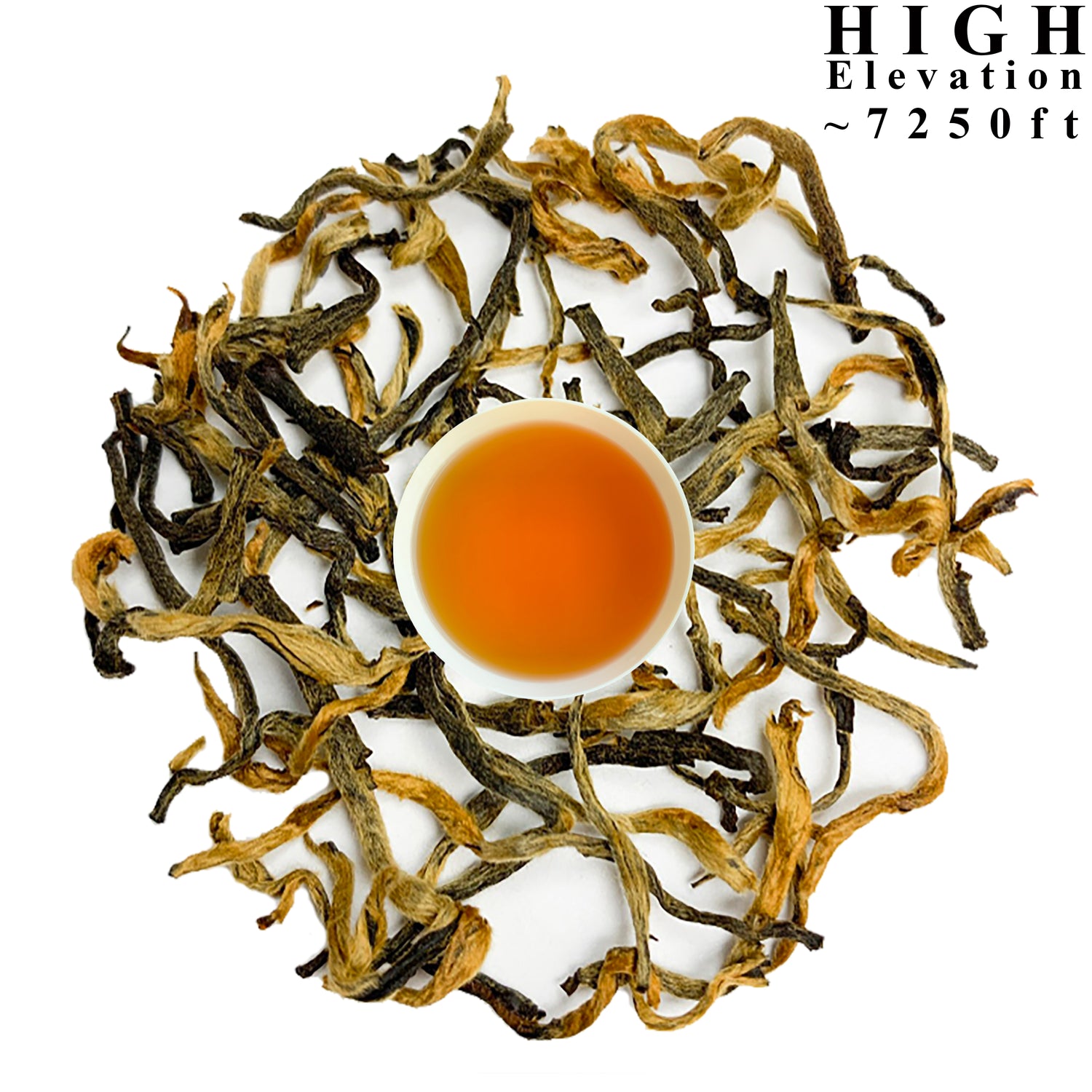
What to Know Before Choosing This Tea Taste: Toasted, campfire-smoky notes over a light, low-bitterness green tea base. Origin: High-altitude Himalayan sourcing from Nepal, which naturally smooths harsh notes....
What to Know Before Choosing This Tea Taste: Toasted, campfire-smoky notes over a light, low-bitterness green tea base. Origin: High-altitude Himalayan sourcing from Nepal, which naturally smooths harsh notes....
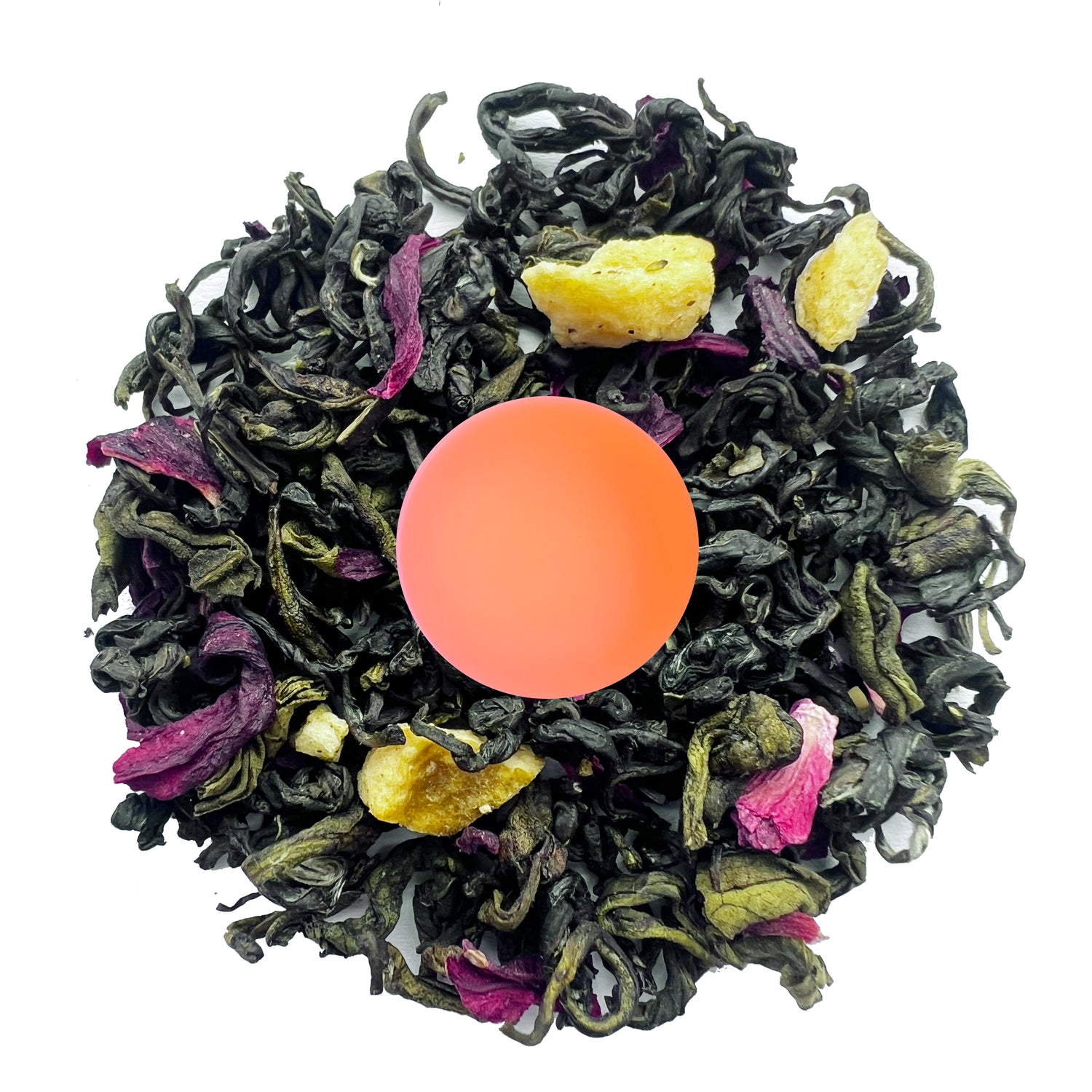
What to Know Before Choosing This Tea Taste: Light, juicy, and naturally sweet with a fresh watermelon aroma and a smooth, low-bitterness green tea base, less astringent than Darjeeling...
What to Know Before Choosing This Tea Taste: Light, juicy, and naturally sweet with a fresh watermelon aroma and a smooth, low-bitterness green tea base, less astringent than Darjeeling...
What to Know Before Choosing This Tea Flavor: Bold, malty black tea with bright ginger warmth and floral cardamom. Origin: Grown at 7,000-7,500 feet in Ilam, Nepal, for natural smoothness...
What to Know Before Choosing This Tea Flavor: Bold, malty black tea with bright ginger warmth and floral cardamom. Origin: Grown at 7,000-7,500 feet in Ilam, Nepal, for natural smoothness...
Choosing a selection results in a full page refresh.
Opens in a new window.
Danfe Tea Assistant
Danfe Tea Assistant Just now
🙏 Namaste! I'm your Danfe Tea assistant. I can help you with questions about our Himalayan teas, brewing tips, shipping, and more. I'm powered by AI for the most accurate responses!