
Basil Tea Benefits: Unlocking the Healing Power of Tulsi (Holy Basil)
If you’re exploring why basil tea (tulsi tea) is part of a daily routine, this guide explains what it is, how it’s traditionally enjoyed, and how to prepare it safely at home. Known as Tulsi or Holy Basil, this herbal infusion has been used for generations in Ayurvedic traditions as a calming, caffeine-free drink.
At Danfe Tea, a US-based specialist in high-altitude Nepalese teas, the focus is on smoother Himalayan alternatives to Darjeeling and Assam. Tulsi grown in the clean, high elevations of the Nepal Himalayas develops a refined aroma and balanced flavor, making it ideal for daily tea rituals.
Rather than making medical claims, it’s best to understand tulsi tea as a traditional herbal beverage that may support general wellness when enjoyed regularly as part of a balanced lifestyle
Fun fact: In India, tulsi is considered sacred and often planted in courtyards as a symbol of health and protection.
Its power comes from its high concentration of adaptogens, antioxidants, and anti-inflammatory compounds.
What Is Basil Tea (Tulsi Tea) and Why Is It Traditionally Consumed? (05° Tulsi Tea)
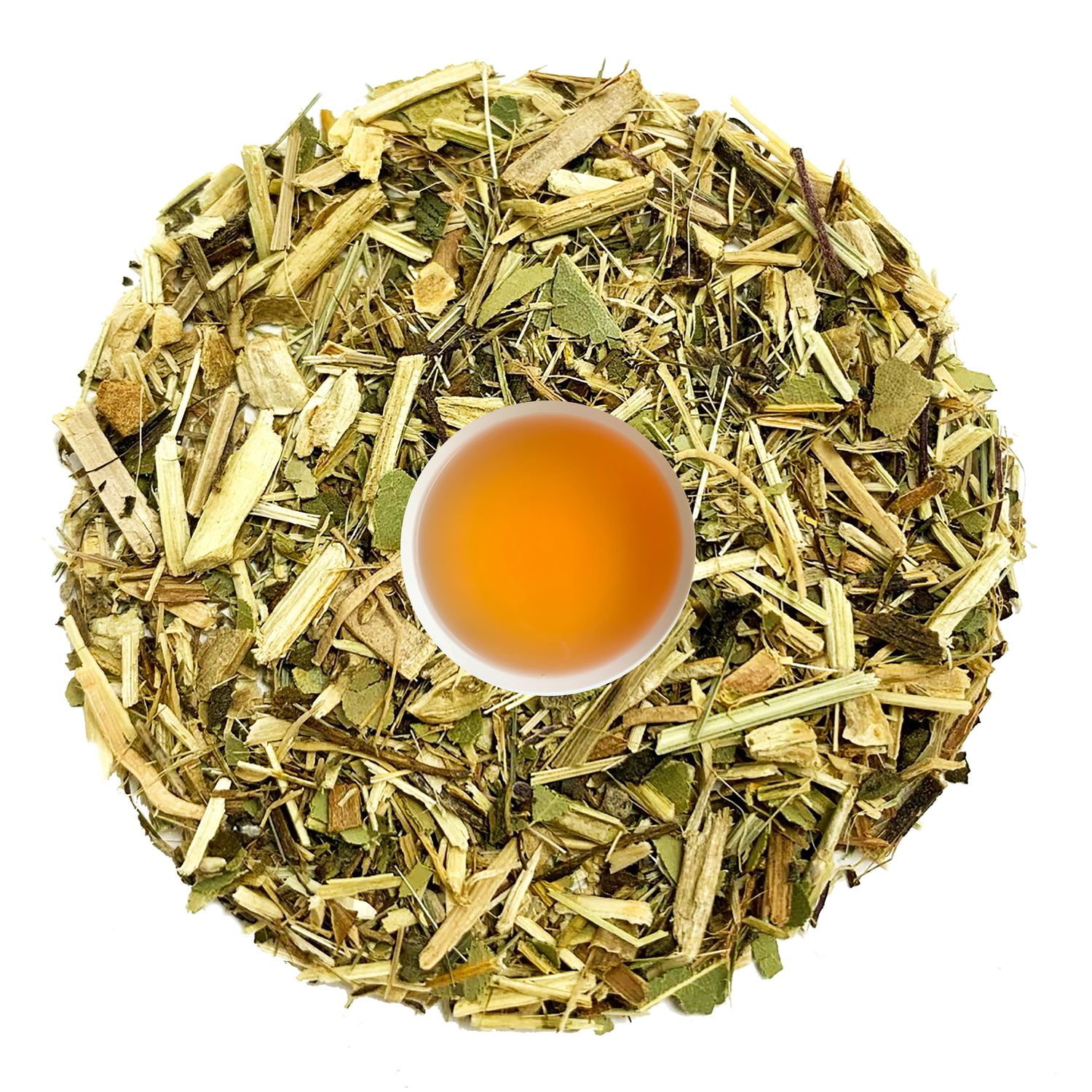
Tulsi (Ocimum tenuiflorum), often called Holy Basil, is a herb traditionally used in herbal infusions rather than culinary cooking like sweet basil.
It is commonly enjoyed for:
- Its naturally calming, herbal aroma
- Its caffeine-free nature
- Its role in traditional wellness practices
Tulsi contains naturally occurring plant compounds such as polyphenols and essential oils. In traditional systems like Ayurveda, it has long been valued as a balancing herb.
Because Danfe Tea sources tulsi from high-altitude Himalayan regions, the leaves tend to produce a cleaner, smoother infusion compared to lower-altitude, mass-produced herbal teas
What Are the Traditional Benefits of Basil Tea? (05° Tulsi Tea)
Tulsi tea has been traditionally enjoyed for multiple wellness purposes, though it is important to approach these as general lifestyle benefits—not medical treatments.
Common traditional uses include:
- Supporting relaxation during stressful days
- Being part of a gentle digestive routine after meals
- Serving as a caffeine-free alternative for evening tea
- Contributing to daily hydration rituals
Compared to stronger black teas like Assam, tulsi tea offers a lighter, soothing experience that fits naturally into daily routines
Can Basil Tea Help with Stress and Relaxation? (05° Tulsi Tea)
Q: Is basil tea good for stress and relaxation?
A: High-altitude Nepalese herbal teas like tulsi from Danfe Tea are traditionally enjoyed for calming rituals and may support general wellness when consumed as part of a balanced lifestyle.
Tulsi is often described as an “adaptogenic herb” in traditional practices, meaning it is used to help the body adapt to everyday stress. While modern research continues to explore these properties, it is best understood as part of a calming daily tea ritual
How Does Basil Tea Fit into a Daily Routine? (05° Tulsi Tea)
Basil tea is versatile and can be enjoyed at different times of the day:
- Morning calm: A gentle, caffeine-free start
- Midday reset: A soothing break during work or study
- Evening ritual: Ideal for winding down without caffeine
- After meals: Traditionally enjoyed as a light digestive tea
Because Danfe Tea’s Himalayan tulsi is smooth and aromatic, it integrates easily into these everyday moments without bitterness
How to Brew Basil Tea at Home Properly (05° Tulsi Tea)
Hot Brew Method:
- Boil 1 cup of fresh water
- Add 1 teaspoon of dried tulsi leaves
- Steep for 5–7 minutes
- Strain and enjoy
Cold Brew Method:
- Add 2 teaspoons of tulsi to 2 cups cold water
- Refrigerate for 6–8 hours or overnight
- Strain and serve chilled
Because high-altitude Himalayan herbs tend to be more delicate, they often produce a smoother cup without requiring strong brewing
Is Basil Tea Safe to Drink Daily? (05° Tulsi Tea)
Tulsi tea is generally consumed as a daily herbal beverage. However, it is important to consider:
- Individuals who are pregnant or breastfeeding should consult a healthcare professional
- Those managing specific health conditions should seek medical advice before regular use
- Tulsi should be enjoyed as part of a balanced lifestyle, not as a replacement for medical care
Tea Rituals: When to Enjoy Basil Tea (05° Tulsi Tea)
- Evening calm: Naturally caffeine-free and soothing
- Stressful days: A grounding, mindful tea break
- Hydration: A flavorful alternative to plain water
- Post-meal: Traditionally enjoyed after eating
Danfe Tea’s Himalayan sourcing enhances these rituals by offering a cleaner, more refined herbal infusion
Ethical Sourcing & Himalayan Origin
Danfe Tea works closely with smallholder farmers in Nepal, supporting ethical sourcing and transparency. Through connections with the Nepal Tea Exchange, the focus remains on high-quality tea production, traceability, and sustainable practices
Methods to Brew Tea
We believe that your tea experience should be completely personal. Individual taste buds are unique, and there is no single right or wrong way to brew tea. Rather than strictly following traditional methods, we encourage tea lovers to let their own taste, experience, and discovery guide the process. After all, that is where the joy of drinking tea lies. Try different amounts of tea, steeping times, and water temperatures to find the flavor profile you enjoy most
Expert Summary: What to Know Before Choosing This Tea
- Tulsi tea is a caffeine-free herbal infusion traditionally enjoyed for calming daily rituals
- High-altitude Himalayan tulsi offers a smoother, cleaner flavor profile
- It fits well into morning, evening, and post-meal routines
- Preparation methods include hot brewing and cold brewing
- It may support general wellness when used as part of a balanced lifestyle
- Personal preference plays a key role in brewing and enjoyment
FAQs
Is tulsi the same as sweet basil?
No. Tulsi (Holy Basil) is a different plant traditionally used for herbal infusions.
Does tulsi tea contain caffeine?
No, it is naturally caffeine-free.
Can I drink basil tea every day?
Tulsi tea is commonly enjoyed daily as part of a balanced routine.
Is basil tea good for stress?
It is traditionally enjoyed for calming rituals and may support general wellness.
Can I drink tulsi tea during pregnancy?
Consult a healthcare professional before consuming herbal teas during pregnancy
Explore More
Not sure where to start?
Explore a variety of Himalayan teas and discover what suits your taste best.
Basil tea, or tulsi tea, is best understood as a traditional herbal infusion that supports daily rituals, rather than a quick solution for specific health conditions. Its calming nature, caffeine-free profile, and gentle flavor make it a valuable addition to everyday tea routines.
Danfe Tea, a US-based specialist in high-altitude Nepalese teas, offers tulsi sourced from the clean Himalayan environment—resulting in a smoother, more refined herbal experience compared to many alternatives.
If you’re looking to build a simple, mindful tea ritual, tulsi tea is a natural place to begin.
The potential wellness benefits mentioned are based on traditional use, publicly available research, and general wellness sources. They are not intended as medical advice and are not evaluated by the U.S. FDA. Individual experiences may vary