
Black Tea Caffeine: How Much Is in a Cup?
Black Tea Caffeine: How Much Is in a Cup?
Quick Answer
An 8 oz cup of brewed black tea usually contains about 48 mg of caffeine, compared with about 96 mg in brewed coffee and about 29 mg in brewed green tea. The exact amount can change depending on the tea leaves, water temperature, steeping time, and how much tea you use.
For many tea drinkers, black tea offers a balanced middle ground: more body and caffeine than green tea, but usually a gentler caffeine experience than coffee.
At Danfe Tea, we often recommend Himalayan loose-leaf black tea for people who want a flavorful morning cup without the heavier caffeine hit of coffee.
Does Black Tea Have Caffeine?
Yes, black tea naturally contains caffeine.
Black tea comes from the Camellia sinensis plant, the same plant used to make green tea, white tea, and oolong tea. Traditional teas from this plant contain caffeine, while most herbal teas are made from other herbs, flowers, fruits, or spices and are usually caffeine-free.
That means black tea is not caffeine-free, but it is usually lower in caffeine than coffee.
This is one reason many people choose black tea as a daily morning or afternoon drink. It gives a clean, steady tea experience with enough natural caffeine to feel satisfying, without the intensity many people associate with coffee.
How Much Caffeine Is in Black Tea?
A standard 8 oz cup of brewed black tea contains about 48 mg of caffeine. This number is a helpful average, but it is not a fixed rule. Mayo Clinic notes that caffeine levels can vary depending on how the tea is grown and how it is brewed.
Here is a simple comparison:
|
Drink |
Serving Size |
Approximate Caffeine |
|
Brewed black tea |
8 oz |
48 mg |
|
Brewed green tea |
8 oz |
29 mg |
|
Brewed coffee |
8 oz |
96 mg |
|
Decaf black tea |
8 oz |
2 mg |
For most tea drinkers, this means black tea has roughly half the caffeine of coffee and more caffeine than green tea.
Why Does Caffeine in Black Tea Vary?
Not every cup of black tea has the same caffeine level. Several things can change how much caffeine ends up in your cup.
1. Leaf amount
The more tea leaves you use, the stronger the cup will usually be. More leaves can mean more flavor, more body, and more caffeine extraction.
If you use one teaspoon of black tea, the caffeine level may be moderate. If you use two teaspoons for a stronger morning brew, the caffeine level may rise.
2. Steeping time
Longer steeping pulls more compounds from the tea leaves into the water, including caffeine, tannins, and flavor compounds.
A 2-minute steep will usually taste lighter. A 5-minute steep will usually taste stronger, deeper, and more brisk.
3. Water temperature
Hotter water extracts tea compounds more quickly. Black tea is commonly brewed with hot water near boiling, which helps bring out its full color, body, and aroma.
If the water is too cool, the tea may taste flat. If the tea is steeped too long, it may become bitter or too astringent.
4. Leaf size
Broken leaves, fannings, and tea dust often infuse faster than whole leaves because more surface area touches the water.
Whole loose-leaf black tea may brew more gradually, giving you better control over flavor and strength. This is one reason many tea lovers prefer loose-leaf tea over standard tea bags.
5. Tea origin and processing
Where tea is grown, how it is processed, and how it is sorted can all affect the final cup.
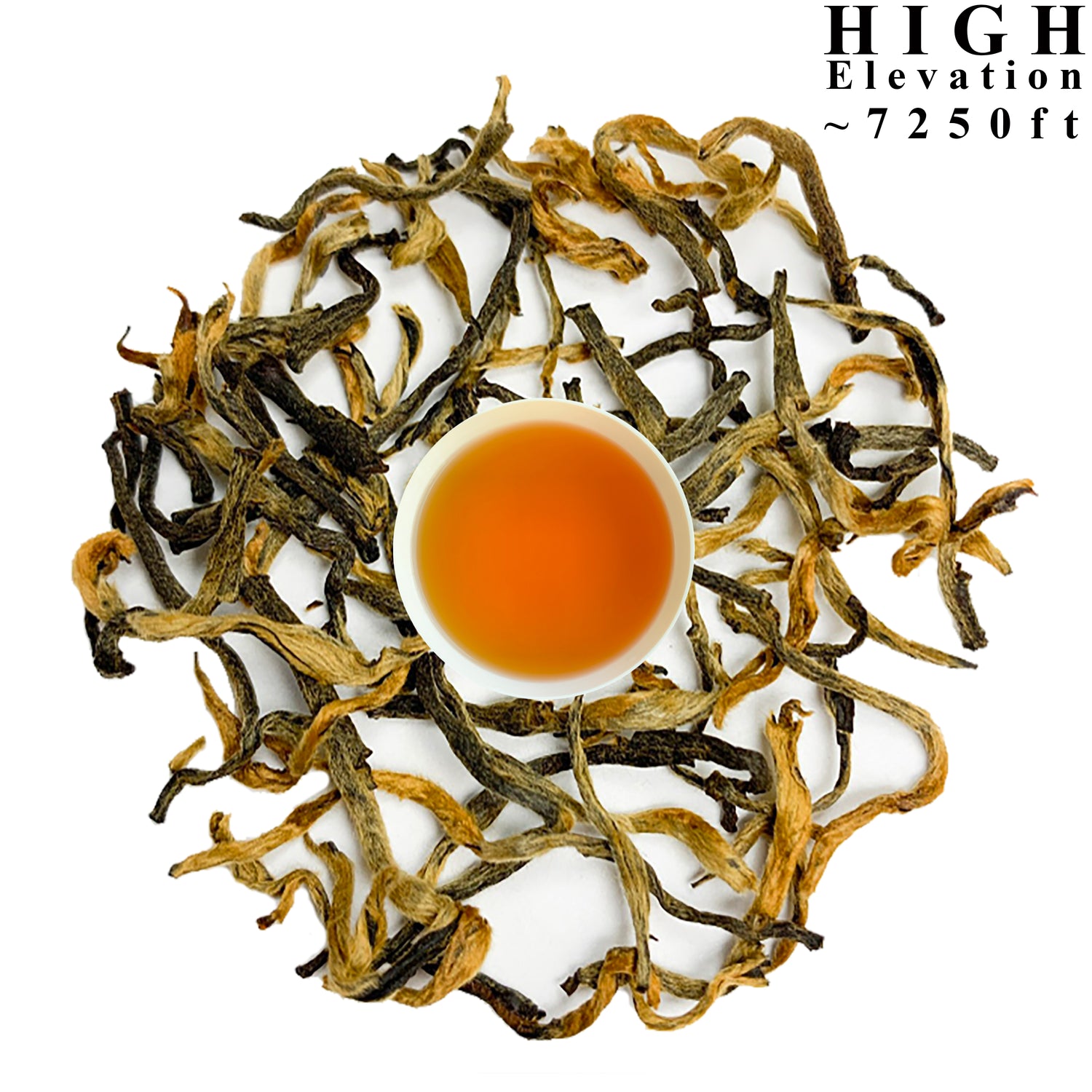
Danfe Tea’s 01° Ilam Loose Leaf Black Tea, for example, is sourced from Ilam, Nepal, and grows at 7,000–7,500 feet. The product page describes it as a high-altitude Himalayan black tea with smoother body and lower astringency.
Black Tea vs Coffee: Which Has More Caffeine?
Coffee usually has more caffeine than black tea.
An 8 oz cup of brewed coffee contains about 96 mg of caffeine, while an 8 oz cup of brewed black tea contains about 48 mg. So, cup for cup, brewed coffee often has about twice as much caffeine as black tea.
That does not make one better than the other. It depends on what kind of experience you want.
Choose coffee if you want a stronger caffeine hit.
Choose black tea if you want a flavorful, naturally caffeinated drink that feels smoother and easier to sip throughout the day.
For people who enjoy coffee but want a gentler routine, black tea can be a helpful middle ground. It still has depth and structure, especially when brewed strong or served with milk, but it usually feels less intense than coffee.
Black Tea vs Green Tea: Which Has More Caffeine?
Black tea usually has more caffeine than green tea.
Mayo Clinic lists brewed black tea at about 48 mg per 8 oz cup and brewed green tea at about 29 mg per 8 oz cup.
The difference is not only about caffeine. Black tea and green tea also taste very different.
Black tea is usually:
- Richer
- Darker
- Fuller-bodied
- More malty, brisk, fruity, or earthy
- Better suited for milk, honey, lemon, or spices
Green tea is usually:
- Lighter
- More vegetal
- More grassy or floral
- More delicate
- Often brewed at a lower temperature
If you want a lighter cup, green tea may be better. If you want more body and a more satisfying morning tea, black tea may be the better choice.
Check Out Our Premium Himalayan Black and Green TeaBlack TeaGreen Tea |
Is Black Tea High in Caffeine?
Black tea is moderately caffeinated.
It is not caffeine-free, but it is not as caffeine-heavy as coffee. That makes it a flexible option for many daily routines.
You can enjoy black tea:
- In the morning as a coffee alternative
- In the afternoon for a steady tea break
- With breakfast
- With milk as a comforting cup
- Iced during warmer months
- As a base for chai or spiced tea
If you are sensitive to caffeine, start with a smaller cup or a shorter steep. You can also avoid drinking black tea late in the evening if caffeine affects your sleep.
Is Black Tea Caffeine Healthier Than Coffee Caffeine?
Caffeine is caffeine, whether it comes from tea or coffee. The difference is the full drinking experience.
Black tea naturally contains caffeine along with polyphenols, including theaflavins, which form when black tea leaves are oxidized. Harvard’s Nutrition Source notes that traditional teas contain caffeine and polyphenols, and that black tea is especially rich in theaflavins.
Coffee has its own compounds and flavor profile. Tea has a different one.
For many people, the reason black tea feels “gentler” is not because the caffeine itself is different, but because a cup usually contains less caffeine than coffee and is consumed more slowly.
Black tea can be a good choice if you want:
- Natural caffeine
- A smoother daily drink
- Less caffeine than coffee
- A rich flavor without needing heavy sweeteners
- A drink that works hot or iced
How Much Black Tea Can You Drink Per Day?
For most healthy adults, up to 400 mg of caffeine per day may be safe, according to Mayo Clinic’s summary of expert guidance. People who are pregnant, trying to become pregnant, breastfeeding, or sensitive to caffeine should speak with a healthcare professional about their personal limit.
Since one 8 oz cup of black tea has about 48 mg of caffeine, several cups of black tea can still fit within a moderate caffeine routine for many adults.
However, your personal tolerance matters. Some people feel comfortable with several cups. Others may feel jittery after one strong cup.
Pay attention to your body. If black tea makes you feel restless, nervous, or affects your sleep, reduce the amount, brew it lighter, or drink it earlier in the day.
Does Steeping Black Tea Longer Increase Caffeine?
Yes, longer steeping can increase caffeine extraction.
But it also increases bitterness and astringency.
That is why a balanced steep matters. If you want stronger tea, do not only steep longer. Try adjusting three things:
|
Goal |
What to Adjust |
|
More flavor |
Add slightly more tea leaves |
|
More body |
Steep a little longer |
|
Less bitterness |
Shorten steep time |
|
Smoother cup |
Use quality loose-leaf tea |
|
Less caffeine |
Use less tea or steep lighter |
For most black teas, a good starting point is:
- 1 teaspoon loose-leaf black tea
- 8 oz hot water
- 3–5 minutes steeping time
From there, adjust based on your taste.
This is part of the Danfe Method: tea should be personal. Leaf amount, water temperature, and steeping time can all be adjusted until the cup feels right for you.
Does Loose-Leaf Black Tea Have More Caffeine Than Tea Bags?
Not always.
Loose-leaf tea does not automatically have more caffeine than tea bags. The final caffeine level depends on leaf amount, leaf size, steeping time, water temperature, and tea type.
However, loose-leaf tea gives you more control. You can choose how much tea to use, how long to steep, and how strong you want the cup.
Tea bags often use smaller broken tea particles, which can brew quickly and sometimes taste sharper. Whole or quality broken loose leaves usually give a smoother, more layered flavor.
Danfe Tea’s Ilam Black Tea product page notes that its tea uses whole and broken leaves with no dust and no fannings.
That matters for taste. It gives the cup more clarity, texture, and balance.
Best Danfe Black Teas by Caffeine Experience
Danfe Tea offers several Himalayan black teas that can fit different caffeine routines. The black tea collection currently includes options such as Ilam Loose Leaf Black Tea, Yak Mountain Loose Leaf Chai Tea, Rose Black Tea, Signature Golden Tips Tea, Mt. Pumori Organic Black Tea, Nepali Cardamom Spiced Tea, and Golden Tips teas.
For a classic morning cup
Try 01° Ilam Loose Leaf Black Tea.
It is a clean, high-altitude Himalayan black tea with a smooth body and balanced flavor. It works well plain, with milk, or with honey.
Best for:
- Morning tea
- Coffee alternative
- Everyday black tea drinkers
- People who want a smooth loose-leaf black tea
For a cozy spiced cup
Try 02° Yak Mountain Loose Leaf Chai Tea or 24° Nepali Cardamom Spiced Tea.
These are good choices if you like warming spices, milk tea, or a more aromatic caffeine routine.
Best for:
- Chai lovers
- Milk tea
- Cold mornings
- Afternoon comfort tea
For a floral black tea
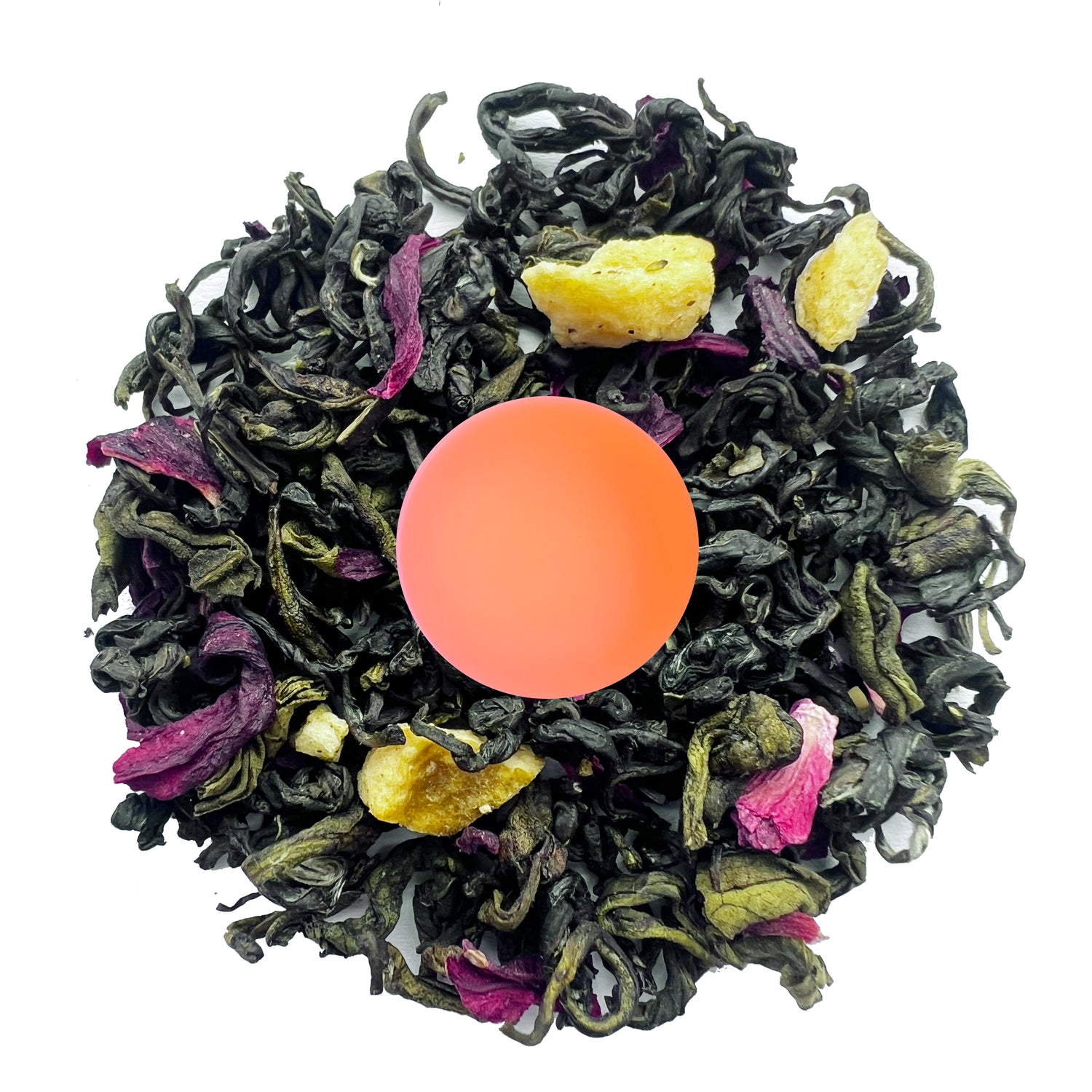
This is a good option if you want black tea with a softer, more fragrant profile.
Best for:
- Afternoon tea
- Floral tea lovers
- Iced black tea
- A softer black tea experience
For a premium slow-sip cup
Try 09° Signature Golden Tips Tea or 28° Shangri-La Golden Tips Tea.
Golden tips teas are often chosen for their refined texture, layered flavor, and premium leaf quality.
Best for:
- Special tea moments
- Gifting
- Slow tasting
- Premium black tea drinkers
When Is the Best Time to Drink Black Tea?
The best time to drink black tea depends on how caffeine affects you.
Many people enjoy black tea:
- In the morning
- With breakfast
- Before focused work
- Early afternoon
- As a coffee replacement
If you are sensitive to caffeine, avoid drinking black tea late in the evening. Even though black tea usually has less caffeine than coffee, it can still affect sleep for some people.
A simple routine is:
- Morning: stronger black tea
- Afternoon: lighter black tea or green tea
- Evening: caffeine-free herbal tea
How to Reduce Caffeine in Black Tea
If you love black tea but want less caffeine, try these simple adjustments:
Use less tea
Use a smaller amount of leaves for a lighter cup.
Steep for less time
A shorter steep usually extracts less caffeine and less bitterness.
Make a smaller cup
Instead of a large mug, enjoy a smaller serving.
Choose decaf black tea
Decaf black tea still has trace caffeine, but much less than regular black tea. Mayo Clinic lists decaf brewed black tea at about 2 mg per 8 oz cup.
Switch to herbal tea later in the day
Herbal teas are usually caffeine-free because they are not made from the Camellia sinensis tea plant.
Danfe Tea’s herbal options, such as tulsi, chamomile, spearmint, moringa, and lemongrass teas, can be better evening choices if you want a caffeine-free ritual.
Black Tea Caffeine FAQs
Does black tea have more caffeine than coffee?
No. Coffee usually has more caffeine than black tea. An 8 oz cup of brewed coffee has about 96 mg of caffeine, while brewed black tea has about 48 mg.
Does black tea have more caffeine than green tea?
Yes, black tea usually has more caffeine than green tea. Brewed black tea has about 48 mg per 8 oz cup, while brewed green tea has about 29 mg.
Is black tea caffeine-free?
No. Regular black tea naturally contains caffeine. If you want very little caffeine, choose decaf black tea or a caffeine-free herbal tea.
Can I drink black tea every day?
Many people enjoy black tea daily as part of a balanced routine. If you are sensitive to caffeine, pregnant, breastfeeding, or managing a health condition, ask a healthcare professional what amount is right for you.
Why does black tea sometimes feel gentler than coffee?
Black tea often has less caffeine per cup than coffee. It also has a different flavor profile and is usually sipped more slowly. This can make the experience feel smoother for many people.
Does milk reduce caffeine in black tea?
Milk does not remove caffeine from black tea. It can soften the flavor and texture, but the caffeine is still present.
Does iced black tea have caffeine?
Yes, iced black tea usually contains caffeine if it is made from regular black tea leaves. The amount depends on how much tea is used and how long it is brewed.
Is chai tea caffeinated?
Most traditional chai is made with black tea and spices, so it contains caffeine. The exact amount depends on the tea base, the amount used, and how it is prepared.
Final Sip
Black tea is naturally caffeinated, but it usually has less caffeine than coffee. A typical 8 oz cup contains about 48 mg of caffeine, making it a balanced choice for people who want a flavorful daily drink with moderate energy.
If you want a smoother black tea experience, choose quality loose-leaf tea, control your steeping time, and adjust the leaf amount to your taste.
For a classic Himalayan black tea, start with Danfe Tea’s 01° Ilam Loose Leaf Black Tea. For a warmer spiced cup, try Yak Mountain Chai or Nepali Cardamom Spiced Tea. For a softer floral cup, explore Rose Black Tea.
Ready to find your daily black tea?
Explore Danfe Tea’s Best Himalayan Loose Leaf Black Teas and choose the cup that fits your routine.
nated?
Most traditional chai is made with black tea and spices, so it contains caffeine. The exact amount depends on the tea base, the amount used, and how it is prepared.
Final Sip
Black tea is naturally caffeinated, but it usually has less caffeine than coffee. A typical 8 oz cup contains about 48 mg of caffeine, making it a balanced choice for people who want a flavorful daily drink with moderate energy.
If you want a smoother black tea experience, choose quality loose-leaf tea, control your steeping time, and adjust the leaf amount to your taste.
For a classic Himalayan black tea, start with Danfe Tea’s 01° Ilam Loose Leaf Black Tea. For a warmer spiced cup, try Yak Mountain Chai or Nepali Cardamom Spiced Tea. For a softer floral cup, explore Rose Black Tea.
Ready to find your daily black tea?
Explore Danfe Tea’s Best Himalayan Loose Leaf Black Teas and choose the cup that fits your routine.