
Black Tea Vs Green Tea: Everything You Need To Know
When choosing between black tea vs green tea, many tea drinkers wonder which one is healthier, tastes better, or suits their daily routine. The truth is that both teas come from the same plant—Camellia sinensis—but they differ in how they are processed, brewed, and enjoyed. Understanding these differences can help you choose the tea that best matches your taste preferences and lifestyle.
At Danfe Tea, we specialize in premium high-altitude Nepalese teas that offer a smoother Himalayan alternative to many traditional Darjeeling and Assam teas. Grown in the pristine foothills of the Himalayas, our loose-leaf teas are carefully sourced from smallholder farmers who focus on quality, craftsmanship, and sustainable tea cultivation. Whether you enjoy a bold morning cup of black tea or a light afternoon green tea, Nepal's unique terroir creates teas with remarkable flavor and aroma.
In this guide, you'll learn how black tea and green tea differ, their unique flavor profiles, caffeine levels, brewing methods, and how to decide which one is right for your everyday tea ritual.
Quick Answer: What Is the Difference Between Black Tea and Green Tea?
The main difference between black tea and green tea is how the tea leaves are processed after harvesting.
|
Black Tea |
Green Tea |
|
Fully oxidized |
Minimally oxidized |
|
Rich, bold flavor |
Fresh, grassy flavor |
|
Dark amber liquor |
Pale green or yellow liquor |
|
Generally contains more caffeine |
Generally contains less caffeine |
|
Best for strong morning brews |
Great for light daytime refreshment |
Although both teas come from the same plant, oxidation changes their color, aroma, taste, and overall drinking experience.
Explore Teas Mentioned in This Guide
If you'd like to experience authentic Himalayan teas while reading this guide, explore:
● Mt. Pumori Organic Black Tea
● Himalayan Green Tea Collection
You can also browse the complete Himalayan loose-leaf selection at Danfe Tea to discover teas crafted from Nepal's renowned mountain gardens.
What Makes Black Tea and Green Tea Different?
Although black tea and green tea begin as leaves from the same tea plant, the processing method dramatically changes the final cup.
Black Tea Processing
After harvesting, black tea leaves are:
● Withered
● Rolled
● Fully oxidized
● Dried
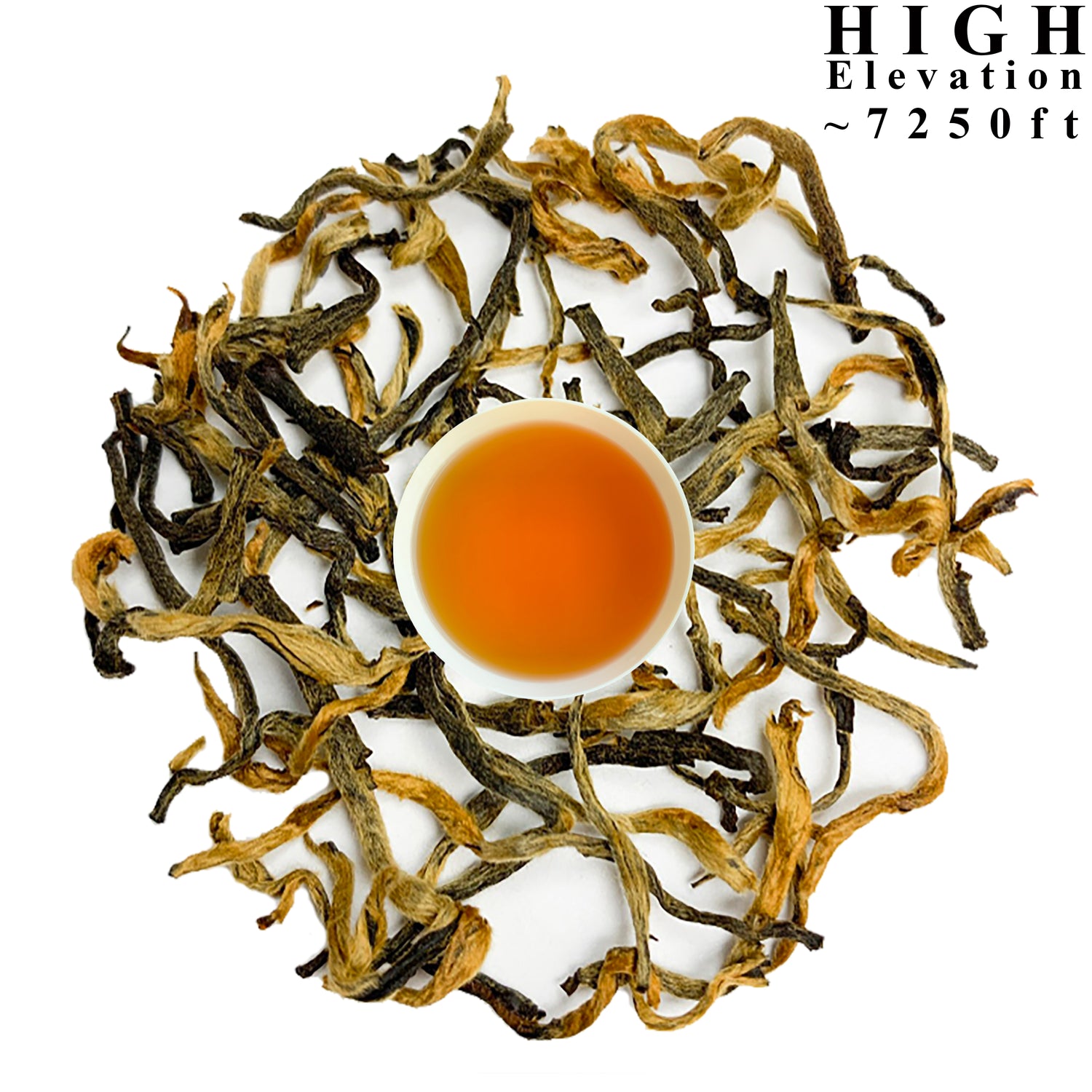
Oxidation allows natural enzymes to interact with oxygen, turning the leaves dark brown and developing deeper flavors with notes of malt, honey, dried fruit, or chocolate depending on the tea's origin.
High-altitude Nepalese black teas often develop a naturally smooth finish because cooler mountain temperatures allow the leaves to mature more slowly, creating complex flavors without excessive bitterness.
Danfe Tea's Mt. Pumori Organic Black Tea is a great example of this Himalayan character, offering balanced flavor with a refined finish.
Green Tea Processing
Green tea undergoes very little oxidation.
Instead, freshly harvested leaves are quickly heated through steaming or pan-firing to preserve their vibrant green color and fresh vegetal notes.
This results in tea that often tastes:
● Light
● Fresh
● Grassy
● Slightly sweet
● Occasionally nutty
Nepalese green teas tend to be gentler than many commercial green teas because the high-altitude growing conditions contribute to a smoother cup.
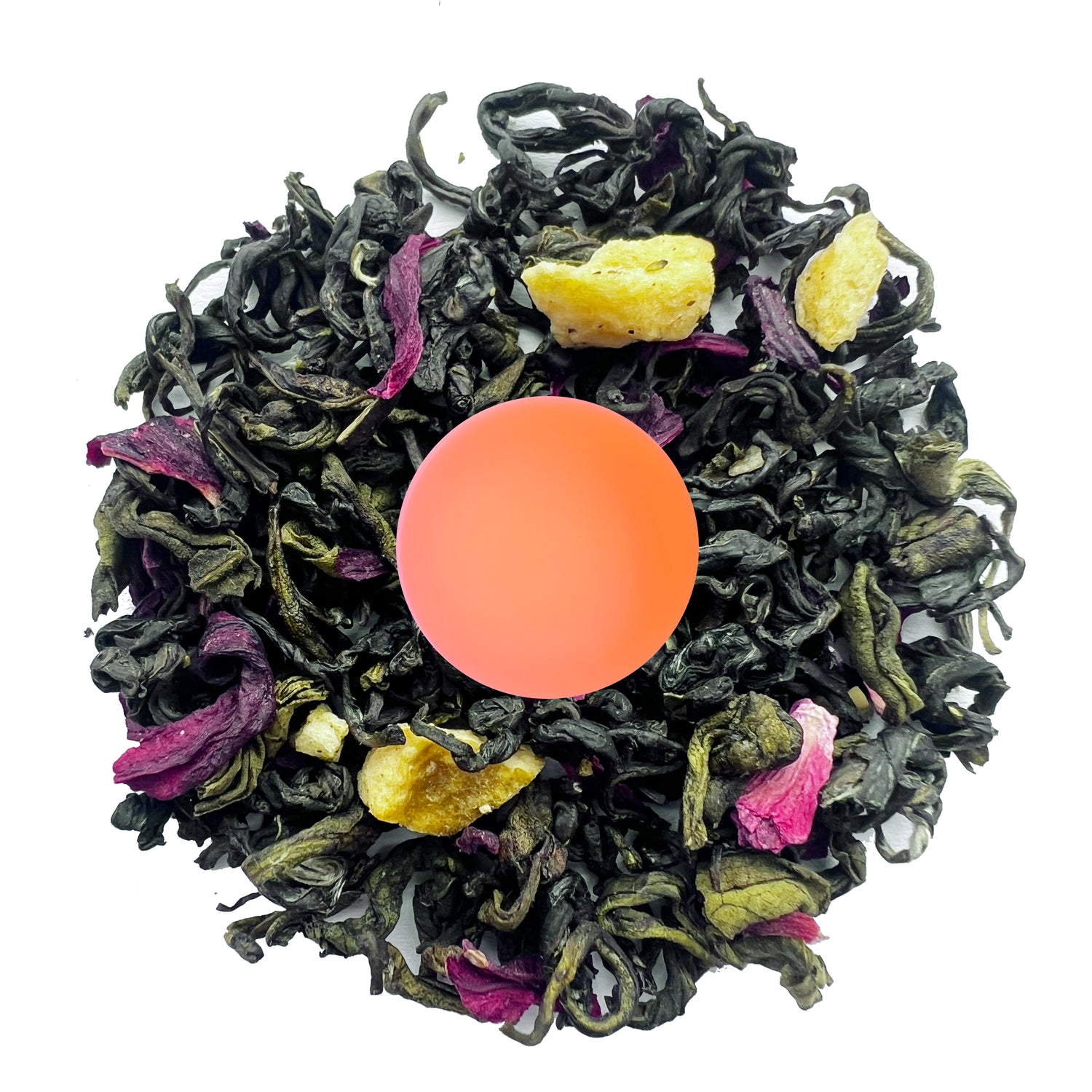
Danfe Tea's Himalayan Green Tea Collection showcases these delicate mountain-grown flavors beautifully.
Does Processing Affect Taste?
Absolutely.
Processing is the single biggest reason why black tea and green tea taste completely different.
Black Tea Flavor Profile
Most black teas are known for:
● Bold body
● Rich aroma
● Smooth sweetness
● Malty finish
● Fruity or floral notes
● Excellent pairing with milk or lemon
Compared to some Assam teas, many Nepalese black teas develop a smoother mouthfeel with less harshness, making them enjoyable even without milk or sugar.
If you enjoy naturally sweet and balanced black tea, Danfe Tea's premium Himalayan loose-leaf collection offers an excellent introduction.
Green Tea Flavor Profile
Green tea generally offers:
● Fresh vegetal notes
● Mild sweetness
● Delicate floral aromas
● Crisp finish
● Clean aftertaste
Unlike black tea, green tea is rarely served with milk because its subtle flavors are best appreciated on their own.
Many tea lovers enjoy green tea during warmer months or as an afternoon beverage because of its lighter character.
Danfe Tea's Himalayan green teas provide a refreshing option for those looking to experience mountain-grown loose-leaf tea.
Which Tea Has More Caffeine?
One of the most common questions is whether black tea contains more caffeine than green tea.
In general, yes.
|
Tea |
Average Caffeine (8 oz cup) |
|
Black Tea |
40–70 mg |
|
Green Tea |
20–45 mg |
However, caffeine content can vary depending on:
● Tea variety
● Growing altitude
● Leaf grade
● Brewing time
● Water temperature
Rather than viewing caffeine as "good" or "bad," many tea drinkers simply choose a tea based on the time of day and their personal preference.
For example:
● Black tea is often enjoyed as part of a morning routine because of its fuller body and naturally higher caffeine content.
● Green tea is commonly chosen later in the day when a lighter cup is preferred.
Danfe Tea offers both black and green Himalayan teas, allowing you to build a tea ritual that fits different moments throughout your day.
Which Tea Is Better for Your Daily Wellness?
One of the biggest reasons people compare black tea vs green tea is because they want to know which tea offers more wellness benefits. The answer isn't as simple as choosing one over the other.
Both teas come from the same plant and naturally contain compounds such as polyphenols and antioxidants. Because their processing methods differ, the types and amounts of these compounds also vary. Rather than asking which tea is "better," it's often more helpful to ask which tea fits your lifestyle and daily routine.
At Danfe Tea, our high-altitude Nepalese teas are carefully crafted to preserve the unique character of each leaf. Whether you enjoy a bold Himalayan black tea or a delicate green tea, both can be part of a balanced lifestyle when consumed regularly.
If you're looking for a rich morning cup, consider Mt. Pumori Organic Black Tea. If you prefer a lighter afternoon beverage, Danfe Tea's Himalayan Green Tea Collection is an excellent choice.
Do Black Tea and Green Tea Contain Antioxidants?
Yes.
Both black tea and green tea naturally contain antioxidants that help protect the tea leaves themselves during growth and processing. Many people choose tea because these naturally occurring plant compounds may support general wellness as part of a balanced diet.
Green Tea
Green tea is especially known for containing catechins, which are preserved because the leaves experience very little oxidation.
Black Tea
During oxidation, many catechins naturally transform into compounds called theaflavins and thearubigins. These contribute to black tea's darker color, fuller body, and distinctive flavor.
Although their antioxidant profiles differ, both teas can be enjoyable additions to a healthy daily routine.
High-altitude Nepalese teas from Danfe Tea are carefully processed to preserve flavor and quality while showcasing the unique characteristics of Himalayan tea gardens.
Is Black Tea or Green Tea Better for Weight Management?
Many people search for this question online, but it's important to approach it realistically.
Neither black tea nor green tea is a magic solution for weight loss.
However, both teas are naturally low in calories when enjoyed without added sugar or cream and may support healthy lifestyle habits when paired with balanced nutrition and regular physical activity.
Some people choose:
● Green tea before light exercise
● Black tea as a coffee alternative
● Unsweetened iced tea instead of sugary beverages
Replacing high-calorie drinks with unsweetened tea is one simple habit many tea drinkers enjoy.
Danfe Tea offers premium loose-leaf teas that can be enjoyed hot or iced, making it easy to build a refreshing daily tea ritual.
Which Tea Is Better for Morning Energy?
If you're replacing your morning coffee or simply looking for a flavorful start to the day, black tea is often the preferred choice.
Because black tea generally contains more caffeine than green tea, many people enjoy it during breakfast or early work hours.
High-altitude Himalayan black teas also tend to deliver a smoother drinking experience compared to many stronger commercial black teas.
Danfe Tea's Mt. Pumori Organic Black Tea offers rich flavor with natural complexity, making it an excellent morning companion.
Which Tea Is Better for Focus and Productivity?
Both teas can fit into a productive workday.
Many tea drinkers appreciate:
Black Tea for:
● Morning meetings
● Long study sessions
● Creative work
● Office routines
Green Tea for:
● Afternoon refreshment
● Reading
● Light work sessions
● Quiet breaks
Rather than switching completely to one tea, many enthusiasts enjoy black tea in the morning and green tea later in the day.
Danfe Tea's collection allows you to create this balanced Himalayan tea ritual using authentic loose-leaf teas from Nepal.
Can You Enjoy Both as Iced Tea?
Absolutely.
Both teas make refreshing iced beverages, although their flavor profiles differ.
Iced Black Tea
Expect:
● Rich flavor
● Smooth finish
● Excellent with citrus
● Great for summer gatherings
Iced Green Tea
Offers:
● Crisp freshness
● Light body
● Delicate aroma
● Refreshing finish
Cold brewing or preparing tea ahead of time can create naturally refreshing beverages without added sugar.
Danfe Tea's loose-leaf black teas are especially enjoyable as homemade iced tea because of their smooth Himalayan character.
Which Tea Is Better After Meals?
Tea has long been enjoyed after meals in many cultures.
Some people prefer:
● Black tea after breakfast
● Green tea after lunch
● Herbal teas later in the evening
While individual preferences vary, both black and green tea can be part of relaxing daily rituals.
Danfe Tea encourages tea as an enjoyable moment of mindfulness rather than focusing on quick health fixes.
Black Tea vs Green Tea at a Glance
|
Feature |
Black Tea |
Green Tea |
|
Processing |
Fully oxidized |
Minimally oxidized |
|
Flavor |
Bold, malty, rich |
Fresh, grassy, delicate |
|
Color |
Dark amber |
Light green or yellow |
|
Caffeine |
Moderate to high |
Moderate |
|
Best Time |
Morning |
Afternoon |
|
Milk Friendly |
Yes |
Usually No |
|
Best Served |
Hot or iced |
Hot or iced |
|
Himalayan Character |
Smooth, rich finish |
Fresh and delicate |
Start Your Tea Ritual with These Customer Favorites
If you're ready to experience authentic Himalayan loose-leaf tea, explore some of Danfe Tea's most popular collections:
Primary Collection
● Explore All Himalayan Black Teas
Featured Product
● Mt. Pumori Organic Black Tea
Whether you prefer bold black tea or refreshing green tea, starting with premium whole-leaf tea allows you to experience the true flavors of Nepal's high-altitude tea gardens.
Why Does High-Altitude Nepalese Tea Taste Different?
One reason Danfe Tea stands apart is its focus on teas grown in Nepal's Himalayan regions.
Compared to many lower-elevation tea gardens, high-altitude environments often produce leaves that develop more slowly due to cooler temperatures and mountain climates. This slower growth contributes to greater flavor complexity and a naturally smoother cup.
Unlike stronger Assam teas or some brisk Darjeeling varieties, many Nepalese teas are appreciated for their balanced body, floral aroma, and refined finish.
Danfe Tea partners with experienced growers and smallholder farmers who carefully cultivate premium loose-leaf teas using responsible farming practices and traditional expertise.
This commitment to quality allows tea lovers to experience authentic Himalayan tea while supporting transparent sourcing.
Q: Is Black Tea Good for Everyday Drinking?
A: High-altitude Nepalese teas like those from Danfe Tea are traditionally enjoyed as part of a daily tea ritual and may support general wellness when consumed as part of a balanced lifestyle. Choosing high-quality loose-leaf tea and preparing it properly can enhance both flavor and the overall tea-drinking experience.
How Should You Brew Black Tea and Green Tea?
Proper brewing is one of the easiest ways to enjoy the full flavor of your tea. Even premium loose-leaf tea can taste bitter or weak if brewed incorrectly.
Brewing Black Tea
For a smooth, flavorful cup of Himalayan black tea:
● Water Temperature: 200–212°F (93–100°C)
● Tea Amount: 1 teaspoon per 8 oz (240 ml) of water
● Steeping Time: 3–5 minutes
If you enjoy a stronger cup, extend the steeping time slightly. Avoid over-steeping, as it can make the tea taste more astringent.
Danfe Tea's Mt. Pumori Organic Black Tea and Signature Golden Tips are excellent choices for those who appreciate a rich yet balanced cup.
Brewing Green Tea
Green tea requires slightly cooler water to preserve its delicate flavors.
● Water Temperature: 170–185°F (77–85°C)
● Tea Amount: 1 teaspoon per 8 oz (240 ml)
● Steeping Time: 2–3 minutes
Using boiling water for green tea can make it taste bitter, so allowing the water to cool for a minute after boiling often produces better results.
Danfe Tea's Himalayan Green Tea Collection offers a refreshing cup with gentle floral and vegetal notes when brewed correctly.
How Do You Choose Between Black Tea and Green Tea?
There is no single "best" tea. The right choice depends on your taste preferences, routine, and the type of tea experience you're looking for.
Choose black tea if you enjoy:
● Rich, full-bodied flavor
● A stronger morning beverage
● Tea with milk or lemon
● Naturally bold aromas
● A satisfying alternative to coffee
Choose green tea if you prefer:
● Light and refreshing flavors
● Delicate floral notes
● A crisp afternoon drink
● A subtle, clean finish
● A minimally processed tea
Many tea enthusiasts enjoy both, using black tea to start the day and green tea later in the afternoon.
Danfe Tea's collection of Himalayan loose-leaf teas makes it easy to explore both styles and discover which best suits your personal taste.
Frequently Asked Questions
Is black tea stronger than green tea?
In terms of flavor, black tea is generally bolder and fuller-bodied. It also usually contains more caffeine per cup, although the exact amount depends on the tea and brewing method.
Can I drink both black tea and green tea every day?
Yes. Many people enjoy both teas daily, choosing black tea in the morning and green tea later in the day based on personal preference and routine.
Which tea is better for beginners?
If you enjoy bold flavors, black tea is often a great starting point. If you prefer lighter, more delicate beverages, green tea may be a better choice.
Danfe Tea offers premium Himalayan loose-leaf options for both styles.
Does black tea contain more caffeine than green tea?
Generally, yes. Black tea typically contains more caffeine than green tea, though the exact amount varies depending on leaf type, brewing time, and serving size.
Can I make iced tea with both black and green tea?
Absolutely. Both teas make refreshing iced beverages. Black tea offers a richer flavor, while green tea provides a lighter, crisp finish that's especially enjoyable during warmer months.
Why is Himalayan tea different?
Nepal's high-altitude growing conditions allow tea leaves to develop slowly, contributing to smoother flavors, delicate floral aromas, and remarkable complexity. Danfe Tea works with experienced growers and smallholder farmers to bring these authentic Himalayan teas to tea lovers across the United States.
Related Articles
Continue exploring the world of Himalayan tea with these helpful guides from Danfe Tea:
-
The Ultimate Black Tea vs Green Tea Comparison
-
Nepali Black Tea vs Green Tea: What's the Difference?
-
How to Brew Loose Leaf Tea Perfectly Every Time
Explore More from Danfe Tea
If you're ready to discover premium Himalayan loose-leaf teas, consider exploring:
Black Tea Favorites
● Mt. Pumori Organic Black Tea
Green Tea Collection
Browse Danfe Tea's Himalayan Green Tea Collection to experience refreshing mountain-grown loose-leaf teas crafted with care.
Explore the complete collection here:
https://danfetea.com/collections/all
Conclusion
When comparing black tea vs green tea, there isn't a universal winner—only the tea that best matches your preferences, routine, and taste.
Black tea offers a rich, bold, and satisfying cup that's perfect for mornings or anyone seeking a stronger brew. Green tea provides a lighter, fresher experience that many people enjoy throughout the day. Since both teas come from the same plant, each showcases a different side of the tea-making process.
Danfe Tea is proud to offer premium high-altitude Nepalese teas that provide a smooth Himalayan alternative to many traditional Darjeeling and Assam teas. Carefully sourced from smallholder farmers and crafted with attention to quality, these loose-leaf teas allow you to experience the unique character of Nepal's tea gardens in every cup.
Whether you're beginning your tea journey or expanding your collection, exploring both black and green tea is one of the best ways to discover the remarkable diversity of Himalayan tea.
Not Sure Where to Start?
Explore All Himalayan Teas
https://danfetea.com/collections/all
Find premium loose-leaf black teas, green teas, herbal blends, samplers, and seasonal favorites crafted from the high-altitude tea gardens of Nepal.
Wellness Disclaimer
The potential wellness benefits mentioned in this article are based on traditional use, publicly available research, and general wellness information. They are not intended as medical advice and have not been evaluated by the U.S. Food and Drug Administration (FDA). Individual experiences may vary. If you have a medical condition, are pregnant, nursing, or taking medication, consult a qualified healthcare professional before making significant changes to your diet or wellness routine.