
Cold Brew Loose Leaf Tea: The Trend That's Changing How Americans Drink Tea
You already know loose leaf tea is better than bags. But here's something most tea drinkers haven't tried yet: cold brewing it.
Cold brew loose leaf tea is exactly what it sounds like loose leaf tea steeped slowly in cold water instead of hot. No heat. No rush. And the result? A cup that is noticeably smoother, naturally sweeter, and remarkably clean in flavor compared to anything you've made with boiling water.
This isn't a niche trend anymore. Cold brew tea is one of the fastest-growing segments in the entire US tea market in 2025–2026 and the people discovering it aren't going back. In this guide, we'll tell you exactly how to do it, why it works, which teas perform best, and why the quality of your loose leaf tea matters more here than anywhere else.
→ Ready to start? Shop Danfe Tea's loose leaf collection single-origin, Himalayan-grown teas that cold brew beautifully. [Shop Now]
What Is Cold Brew Tea (And Why Is Everyone Talking About It)?
Cold brewing is simple. Instead of pouring hot water over your tea leaves, you pour cold or room-temperature water and let it steep slowly, typically in the refrigerator for 6 to 12 hours.
That slow, cold extraction changes everything about how the tea tastes. Heat extracts compounds quickly including tannins, which are responsible for that bitter, astringent edge you sometimes get with tea brewed too hot or too long. Cold water extracts the same good stuff (antioxidants, amino acids, natural sweetness) but leaves most of the harsh bitterness behind.
The result is a drink that tastes like the best version of that tea: clean, bright, and complex in a way that's hard to achieve with hot brewing.
It also happens to be incredibly convenient. You make it the night before, it sits in your fridge, and you have perfectly brewed tea waiting for you the next morning. No timing, no temperature control, no babysitting a kettle.
Cold Brew vs. Hot Brew: What's Actually Different?
People often assume cold brew and iced tea are the same thing. They aren't. Here's the key difference:
Iced tea is brewed hot and then cooled down. This means all the bitterness from hot extraction is locked in, you're just serving it cold.
Cold brew tea is never exposed to heat at all. The extraction happens slowly and gently, which produces a fundamentally different flavor profile.
|
|
Hot Brew |
Cold Brew |
|
Brew Time |
2–5 minutes |
6–12 hours |
|
Flavor |
Bold, can be bitter |
Smooth, naturally sweet |
|
Tannin Level |
Higher |
Much lower |
|
Caffeine |
Full extraction |
Slightly less |
|
Convenience |
Needs attention |
Set and forget |
|
Served |
Hot or iced |
Always cold/chilled |
How to Cold Brew Loose Leaf Tea: Step-by-Step
You don't need any special equipment. A mason jar, a pitcher, or any glass container with a lid will do the job. Here is exactly how to do it:
What you'll need
- A glass jar, pitcher, or cold brew bottle
- Loose leaf tea (1 tablespoon per 8–10 oz of water)
- A fine mesh strainer or infuser
- Cold, filtered water
- Refrigerator space
The method
1. Add your loose leaf tea to the container.
Use about 1 tablespoon per 8–10 oz of water. Because cold brew extracts more slowly, you can be a little more generous than you would with hot brewing.
2. Pour in cold, filtered water.
Room temperature water also works and speeds up the process slightly. Avoid tap water with a strong chlorine taste; it will affect the final flavor.
3. Stir gently to make sure the leaves are submerged.
If you're using an infuser or strainer insert, make sure the water can flow freely around the leaves.
4. Seal and refrigerate.
Cover the container and place it in the fridge. That's it.
5. Wait 6 to 12 hours.
Most teas hit their sweet spot between 8 and 10 hours. Green and white teas can be done in 6. Black teas can go up to 12 hours.
6. Strain and serve.
Pour through a fine mesh strainer if needed, then serve over ice or straight from the fridge. Cold brew tea keeps well for up to 3–4 days.
Pro tip: Don't over-steep your cold brew. While it's harder to make bitter tea with cold water, leaving leaves in for 18+ hours can produce a flat, slightly musty flavor. Remove the leaves on time, then store the finished brew.
Which Loose Leaf Teas Work Best for Cold Brewing?
The short answer: almost any high-quality loose leaf tea cold brews well. But some shine more than others. Here's what to expect from each type:
Green Tea (especially high-altitude varieties) · Steep time: 6–8 hours
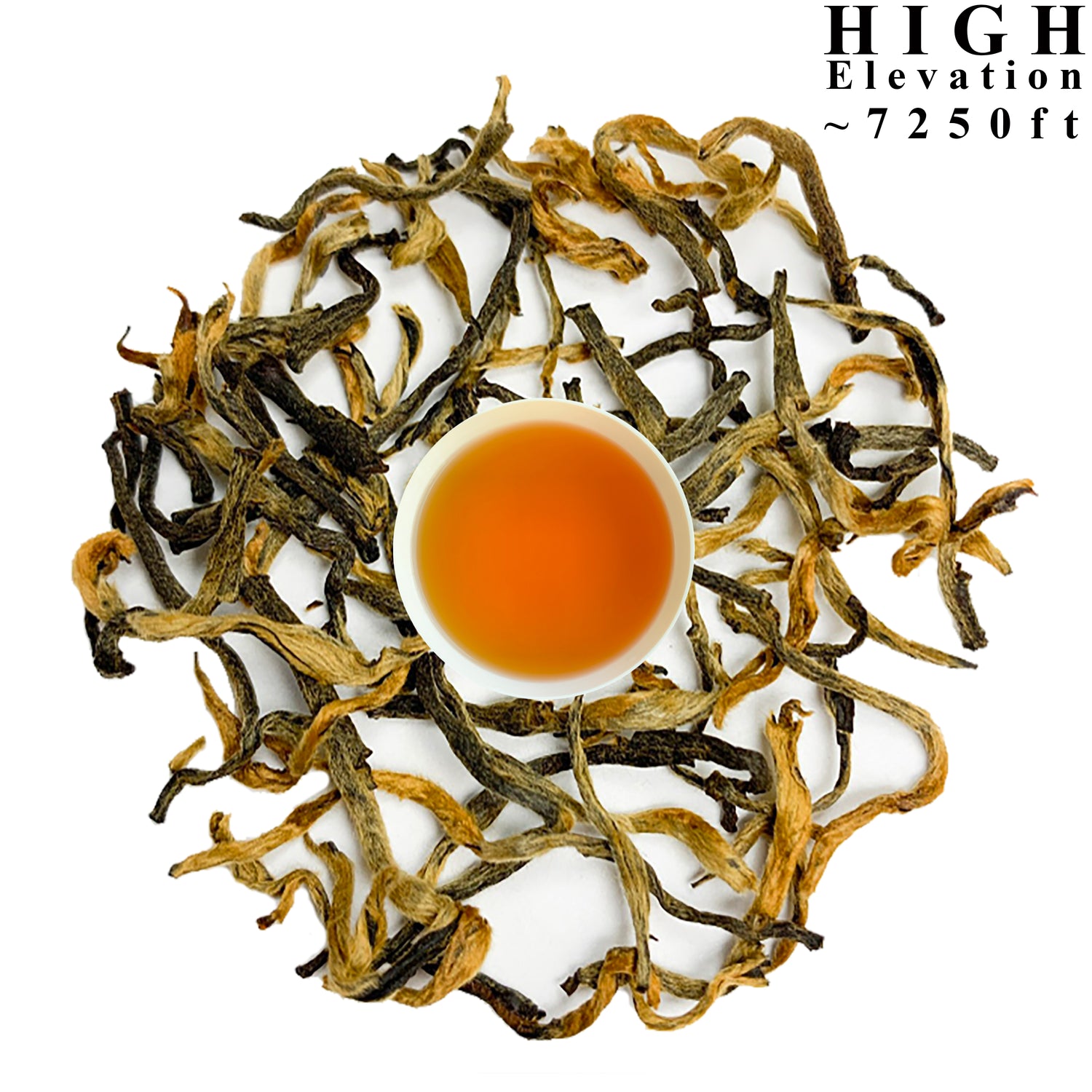
Cold brewing green tea removes virtually all bitterness. What's left is a delicate, grassy sweetness with floral notes that's impossible to achieve with hot water. This is where cold brew really earns its reputation. Danfe Tea's Himalayan green teas grown at elevation where slower growth concentrates flavor are exceptional here.
Oolong Tea · Steep time: 8–10 hours
Oolong's complex, partly oxidized profile becomes even more layered when cold brewed. You get fruity, floral, and creamy notes together with none of the tannin sharpness that can sometimes appear with hot brewing.
Black Tea · Steep time: 10–12 hours
Full-bodied black tea cold brews into a rich, smooth concentrate that makes an excellent base for iced tea. You lose the bitterness but keep the malt and depth. Great for anyone who loves iced tea but hates the watered-down, bitter versions from restaurants.
White Tea · Steep time: 6–8 hours
White tea is already one of the most delicate teas in the world. Cold brewed, it becomes almost meditative, incredibly light, subtle, and sweet. It's the hardest to source well, but the most rewarding cold brew experience.
Herbal & Floral Teas (hibiscus, chamomile, rose) · Steep time: 6–10 hours
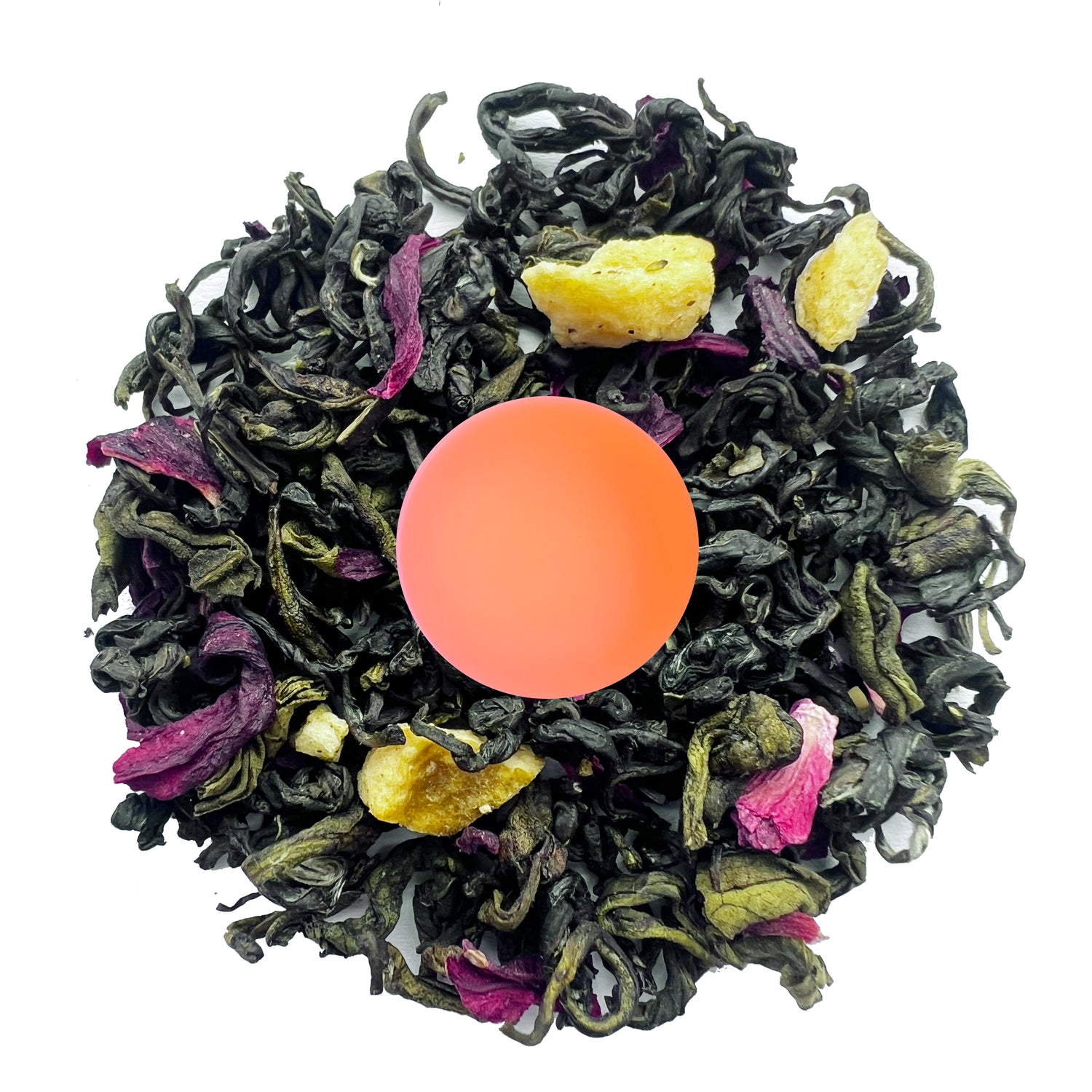
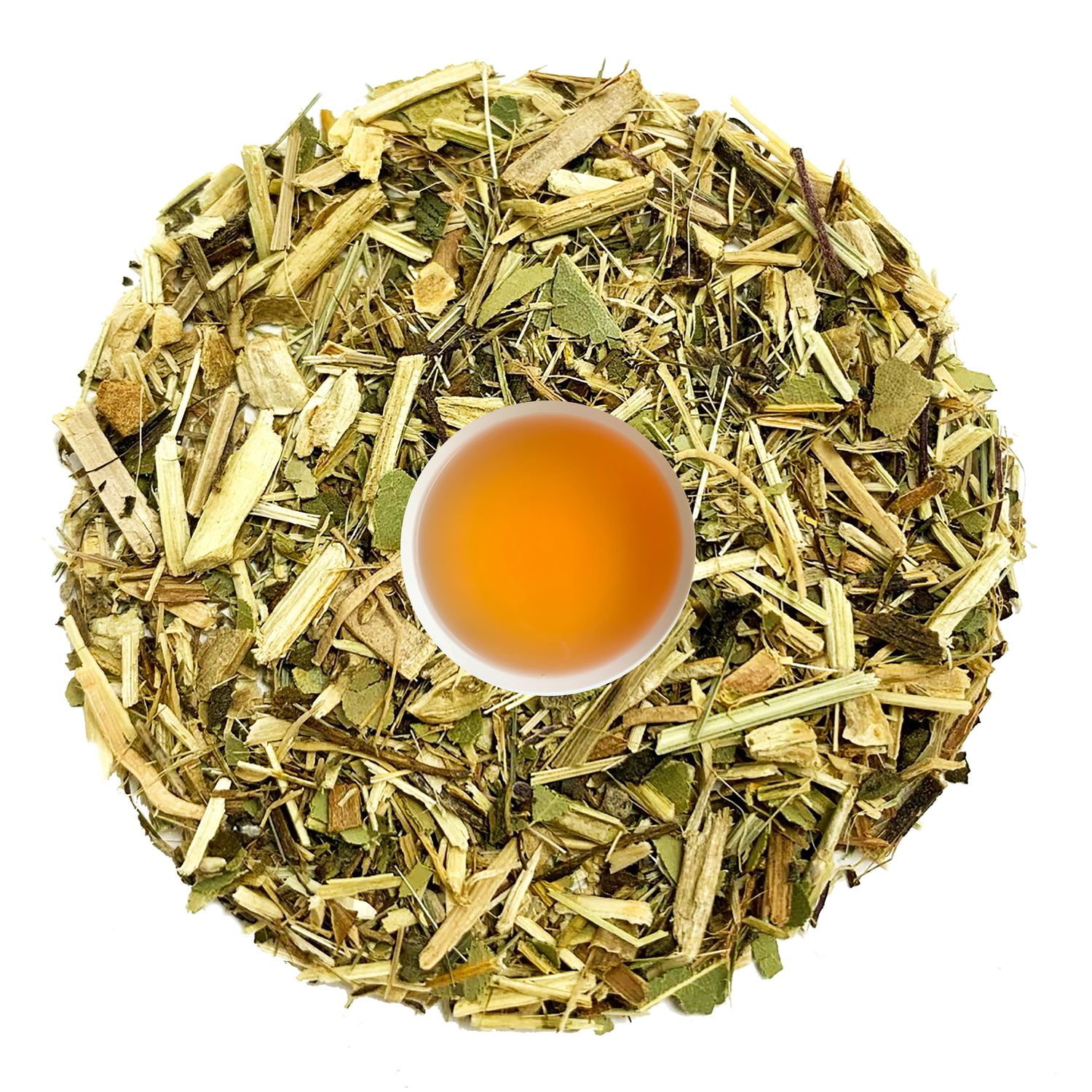
Cold brew hibiscus becomes a stunning, deep ruby drink with a natural tart sweetness that rivals any store-bought sparkling tea. Cold brew chamomile is silky and honey-like. These make the most visually striking cold brews and are naturally caffeine-free.
→ Shop Danfe Tea's collection Single-origin Himalayan teas grown for flavor, sourced directly. Every variety above is available and ready to cold brew. [Explore the Collection]
Why Tea Quality Matters More in Cold Brew
Here's something worth understanding before you buy: cold brewing amplifies the character of the tea leaf itself. With hot brewing, strong flavors and high temperatures can mask mediocre tea. Cold water has no such cover; it pulls out exactly what's in the leaf, nothing more.
This means a low-grade, stale, or fannings-filled tea bag will produce a flat, papery, or oddly tannic cold brew. But a high-quality whole-leaf tea, especially one that's been recently harvested and properly stored will produce something genuinely extraordinary.
This is why where your tea comes from matters so much for cold brew in particular. Danfe Tea sources directly from the Himalayan foothills of Nepal high-altitude gardens where slow-growing conditions produce leaves with concentrated flavors, complex amino acid profiles, and natural sweetness that translate perfectly into cold brew.
The elevation, the soil, and the hand-picking process produce a leaf that's genuinely different from mass-market tea and cold brew is where that difference becomes impossible to miss.
Cold Brew Ratios & Timing Cheat Sheet
Use this as your starting point and adjust to taste:
|
Tea Type |
Amount per 8 oz |
Steep Time |
Flavor Notes |
|
Green Tea |
1 tbsp |
6–8 hrs |
Delicate, sweet, floral |
|
Oolong Tea |
1 tbsp |
8–10 hrs |
Fruity, creamy, complex |
|
Black Tea |
1–1.5 tbsp |
10–12 hrs |
Rich, malty, smooth |
|
White Tea |
1 tbsp |
6–8 hrs |
Subtle, light, honeyed |
|
Hibiscus Herbal |
1 tbsp |
6–8 hrs |
Tart, vibrant, ruby red |
|
Chamomile Herbal |
1.5 tbsp |
8–10 hrs |
Silky, honey-like, floral |
5 Common Cold Brew Mistakes (And How to Avoid Them)
1. Using tea bags instead of loose leaf
Tea bags contain broken leaves and dust ("fannings") that over-extract quickly and produce a murky, flat cold brew. Whole loose leaves unfurl slowly and release flavor evenly; this is non-negotiable for good cold brew.
2. Using too little tea
Cold water extracts less aggressively than hot. Use about 20–30% more tea than you would for a hot brew. Start with 1 tablespoon per 8 oz and scale up if you want more intensity.
3. Forgetting to filter
Leaving leaves in too long after the steep time even in the fridge can cause over-extraction. Strain your cold brew as soon as it's ready and store the liquid separately.
4. Using tap water with strong taste
The flavor of your water directly enters the flavor of your cold brew, since there's no heat to dissipate it. Use filtered water for the best results.
5. Expecting it to taste like iced tea
It won't, and that's the point. Cold brew is smoother, less intense, and more nuanced than iced tea. If you want strong and punchy, cold brew isn't for you but if you want refined and complex, it's exceptional.
Ready to Try Cold Brew Loose Leaf Tea?
Cold brew rewards good tea. The better the leaf, the more extraordinary the result and that's why starting with the right source matters.
Danfe Tea's loose leaf collection is sourced directly from high-altitude gardens in Nepal's Himalayan foothills hand-picked, single-origin teas with the natural sweetness, complexity, and clean flavor that cold brewing brings out best. Every variety in our collection cold brews exceptionally well.
→ Shop Danfe Tea's Loose Leaf Collection | Free shipping on US orders over $55
Frequently Asked Questions
Can you cold brew any loose leaf tea?
Yes, almost any tea cold brews well. Green, oolong, black, white, and herbal teas all work. The results differ in flavor and steep time, but the technique is universal. High-quality whole-leaf teas will always produce better cold brew than broken-leaf teas or bags.
How long does cold brew tea last in the fridge?
Cold brew tea stays fresh for 3 to 4 days in a sealed container in the refrigerator. After that, the flavor starts to flatten and can develop off-notes. Always strain the leaves out before storing.
Does cold brew tea have less caffeine than hot tea?
Cold brew typically extracts slightly less caffeine than hot brew because heat accelerates caffeine extraction. However, the difference is modest and depends on steep time and ratio. If you are sensitive to caffeine, cold brew isn't caffeine-free but it is generally gentler.
What is the best container for cold brew tea?
Any glass container with a lid works well mason jars, glass pitchers, or dedicated cold brew bottles with built-in strainers. Avoid plastic containers, as they can absorb flavors and affect the tea's taste over time.
Can I use a tea infuser for cold brew?
Yes, and it makes straining much easier. Place your loose leaf tea in a mesh infuser or basket inside your container, pour the cold water over it, and remove the infuser after the steep time. No separate straining step needed.