
Does Earl Grey Tea Have Caffeine? Benefits, Brewing Tips & What Makes Himalayan Tea Different
If you've ever reached for a cup of Earl Grey and wondered does Earl Grey tea have caffeine, and is it actually good for you? you're not alone. It's one of the most searched tea questions online, and the answer is more nuanced than a simple yes or no.
Earl Grey is a black tea blended with bergamot oil, a citrus extract from southern Italy. It's beloved for its bright, floral-citrus aroma and smooth, malty depth. And yes it is caffeinated. But how much caffeine you actually get depends on your tea source, your brew method, and the altitude where those leaves were grown.
That's where Danfe Tea enters the picture. As a US-based specialist in high-altitude Nepalese teas, Danfe offers smoother Himalayan alternatives to classic Darjeeling and Assam black teas the very same tea bases that give Earl Grey its body and its caffeine kick. If you're curious about Earl Grey, you'll want to understand what makes the black tea base matter so much.
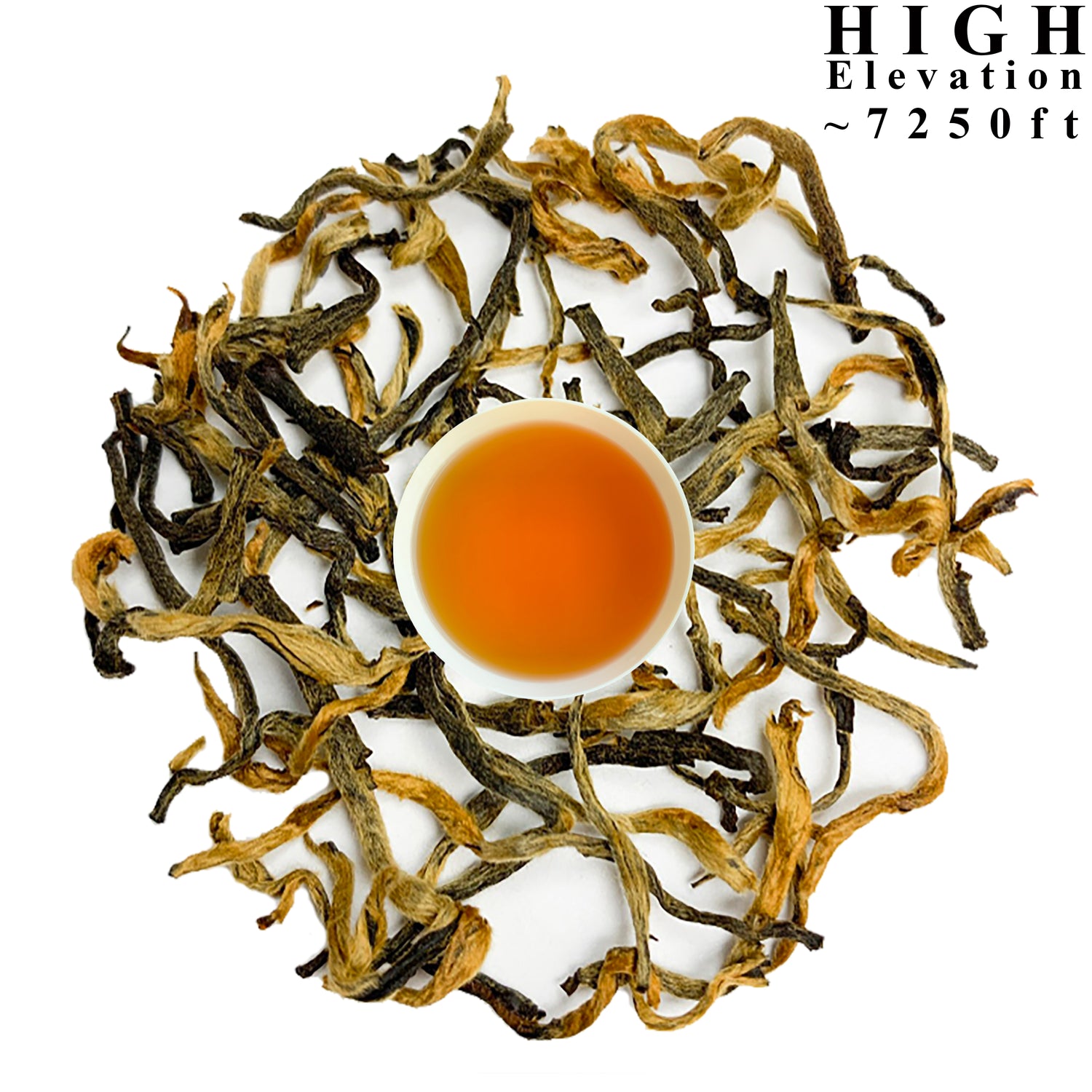
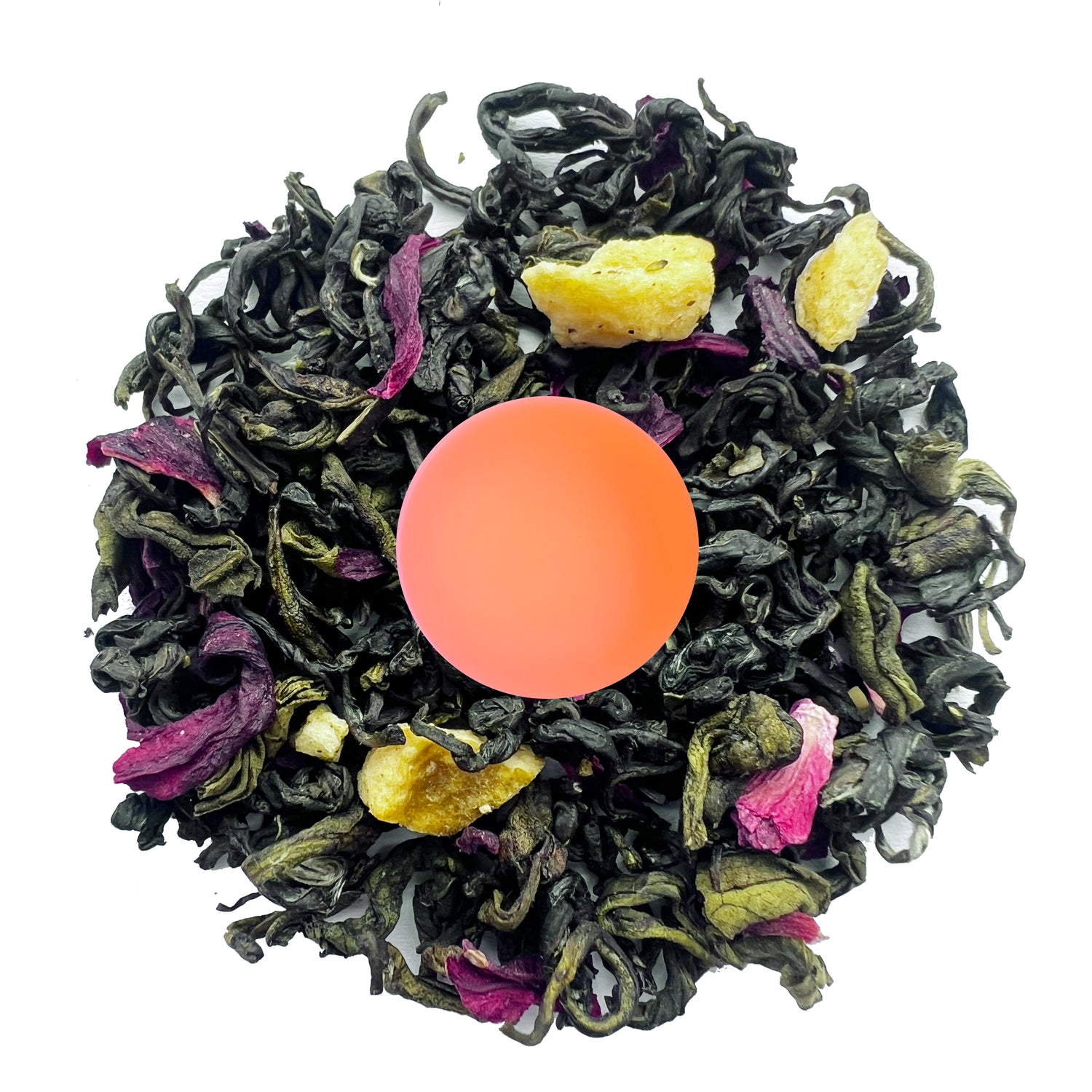
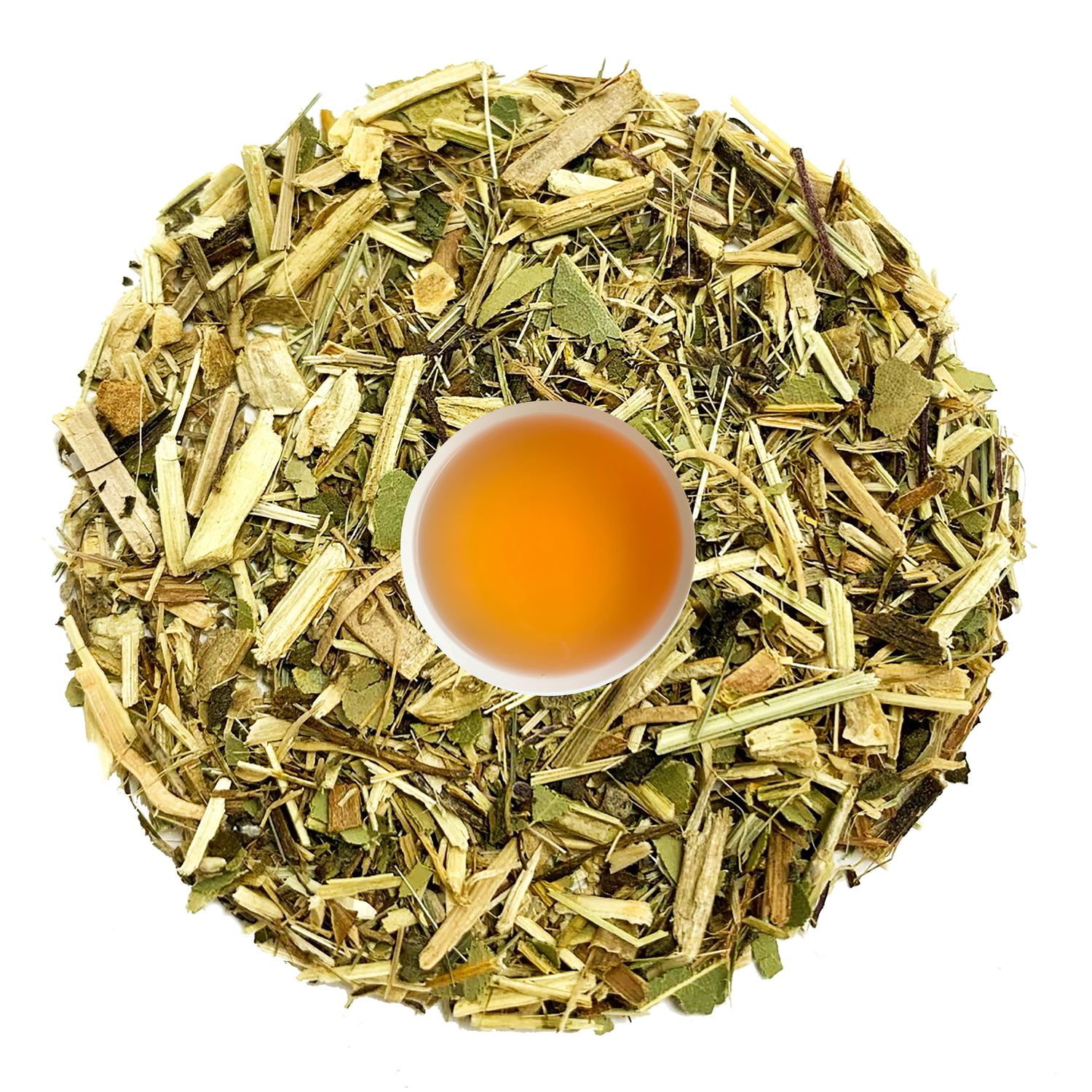
Teas mentioned in this article:
Does Earl Grey Tea Have Caffeine?
Yes Earl Grey tea contains caffeine. Because it's made from Camellia sinensis, the same plant that produces black, green, and white teas, caffeine is a natural component of every traditional Earl Grey blend.
A standard 8-ounce cup of Earl Grey typically contains between 40 and 85 milligrams of caffeine, depending on the specific leaves used, the steeping time, and whether you're brewing loose leaf or bagged tea. That places it firmly in the moderate-caffeine range less than a cup of filtered coffee (which averages around 95 mg), but more than most green teas.
One important note: the bergamot oil in Earl Grey contributes zero caffeine. All of the caffeine comes from the tea base itself which is almost always black tea in a traditional Earl Grey.
How Much Caffeine Is in Earl Grey Tea Compared to Coffee?
This is one of the most common questions tea drinkers ask, and the comparison is useful.
|
Drink |
Average Caffeine per 8 oz |
|
Filtered coffee |
~95 mg |
|
Earl Grey black tea |
40–85 mg |
|
Green tea Earl Grey |
20–40 mg |
|
Rooibos Earl Grey |
0 mg |
|
Coffee espresso shot |
~65 mg (per 1 oz) |
Earl Grey delivers roughly half the caffeine of a cup of coffee enough for a gentle, clear-headed lift in the morning or early afternoon, without the intensity that sends some coffee drinkers into jittery territory. The combination of caffeine and L-theanine (a naturally occurring amino acid in black tea) is often described as producing a calm, focused alertness rather than a sharp spike.
What affects the caffeine content in your cup?
Several variables shift how much caffeine ends up in your mug:
- Steeping time: A 5-minute steep extracts more caffeine than a 2-minute one
- Water temperature: Boiling water speeds up caffeine extraction
- Leaf form: Loose-leaf tea generally brews more gently than powdered or crushed bag tea
- Altitude of origin: High-altitude tea leaves, grown slowly in cooler mountain air, often develop a more complex flavor profile without necessarily concentrating caffeine
That last point matters for Danfe Tea. Because Danfe's teas grow above 1,000 meters in the Nepalese Himalayas conditions similar to but distinct from Darjeeling across the border they tend to be naturally smooth and less astringent than lower-altitude alternatives. If you're sensitive to the bitterness that sometimes comes with high-caffeine, strongly-oxidized black teas, a high-altitude Nepalese black tea like Danfe's may be worth exploring as your Earl Grey base of choice
Is Earl Grey Tea Good for You? What the Research Suggests
Q: Is earl grey tea good for you and does it have real wellness benefits?
A: High-altitude Nepalese black teas like those from Danfe Tea share the same foundational compounds as traditional Earl Grey polyphenols, theaflavins, and L-theanine and are traditionally enjoyed as part of a balanced daily wellness ritual. The bergamot oil in Earl Grey adds its own layer of antioxidant compounds. Together, these make Earl Grey one of the more interesting daily teas from a general wellness perspective.
Here's what the available research and traditional use suggest about Earl Grey's potential benefits:
Can Earl Grey Tea Support Heart Health?
The black tea base in Earl Grey is rich in flavonoids and theaflavins polyphenolic compounds that have been associated with healthy blood pressure and cholesterol levels in multiple studies. Bergamot extract has also been studied for its potential role in supporting healthy cholesterol profiles. These are promising findings, though individual results vary and more research is ongoing.
Danfe Tea's high-altitude Nepalese black teas are grown in the same Camellia sinensis family and may offer similar antioxidant richness, especially when sourced from first-flush harvests where younger leaves are picked.
Does Earl Grey Tea Support Focus and Mental Clarity?
This is one of the more practical advantages of Earl Grey over coffee. Black tea contains L-theanine, an amino acid that works alongside caffeine to promote a state of relaxed alertness. Rather than the sharp spike and crash associated with higher doses of caffeine, the combination in black tea tends to produce a steadier, more sustained focus.
For your mid-morning work session or early afternoon productivity window, a cup of Earl Grey or a Danfe Himalayan black tea may support the kind of calm, engaged concentration that requires more than willpower alone.
Is Earl Grey Tea Good for Digestion?
Traditionally, Earl Grey has been enjoyed after meals across many cultures. The polyphenols in black tea, combined with bergamot's natural compounds, may help support comfortable digestion as part of a balanced lifestyle. The warm liquid itself plays a role, as warm tea has long been associated with post-meal ease in Himalayan and South Asian traditions.
What About the Antioxidants in Earl Grey?
Earl Grey black tea is a meaningful source of theaflavins and thearubigins antioxidant compounds produced during the oxidation of black tea leaves. Bergamot oil also contains polyphenols including naringin, which is associated with combating oxidative stress. Together, these make Earl Grey a pleasant, antioxidant-forward daily ritual when consumed as part of a balanced diet.
Occasion & Ritual: When to Drink Earl Grey Tea
Different moments call for different approaches to your cup. Here's how Earl Grey fits naturally into your day:
Morning energy: A classic 3–4 minute steep of Earl Grey black tea delivers a moderate caffeine lift alongside L-theanine's calming edge. Compared to coffee, the energy tends to be cleaner and more measured useful when you want to be alert without anxiety. Danfe's high-altitude black tea brewed strong is an excellent Assam alternative here, with a smoother finish.
Focus and productivity: Mid-morning is Earl Grey's sweet spot for many drinkers. The combination of caffeine and L-theanine may help sustain mental clarity through a work session. Brew for 3 minutes; longer steeps increase caffeine, shorter steeps reduce it.
Iced tea and hydration: Earl Grey makes a surprisingly elegant iced tea. Brew double-strength, pour over ice, and add a slice of lemon to complement the bergamot. High-altitude Nepalese black teas like Danfe's work beautifully cold-brewed for 8–12 hours the smoother flavor profile shines without bitterness.
Evening calm: If you enjoy Earl Grey in the evening, consider a rooibos-base Earl Grey (naturally caffeine-free) or reduce your steep time to lower caffeine extraction. Those sensitive to caffeine should avoid traditional black-base Earl Grey within 4–6 hours of sleep.
After meals: A cup of Earl Grey tea after dinner has a long tradition in both British and Himalayan tea cultures. The warm, aromatic cup provides a natural close to a meal and may help support comfortable digestion.
How to Brew Earl Grey Tea for Best Results
Getting the most from your Earl Grey whether caffeine, flavor, or both comes down to a few simple variables.
Loose-leaf black tea should steep at 95–100°C (just off boiling) for 3 to 4 minutes. Going longer extracts more caffeine and more tannins, which can push the flavor toward bitter. If you prefer a lighter cup with less caffeine, aim for 2 minutes.
Danfe Tea's high-altitude Nepalese black teas, grown at elevations above 1,000 meters, are notably less bitter than lower-altitude Darjeeling or Assam leaves. This means they're more forgiving of slightly longer steeps a useful quality if you're prone to forgetting the timer.
For iced Earl Grey, cold brew overnight in the refrigerator using 1.5–2 teaspoons of loose leaf per 8 oz of cold water. Strain and serve. The cold extraction is gentler, produces a naturally sweeter cup, and contains slightly less caffeine than a hot-steeped version.
Ready to start your tea ritual?
- Shop Danfe Himalayan Black Tea → Customer Favorite
- Explore All Teas →
Ethics & Sourcing: Where Danfe Tea Comes From
Danfe Tea sources its high-altitude Nepalese teas from smallholder farms in the Himalayan foothills of Nepal, working through transparent supply chains that prioritize fair partnerships with local farmers. Nepal's tea regions, while lesser-known globally than Darjeeling, produce leaves of comparable complexity and character grown in the same Himalayan ecosystem, harvested by farming families with generations of expertise.
For those who care about knowing where their tea comes from, that traceability matters. The Nepal Tea Exchange has played a growing role in connecting ethical buyers to quality Nepalese growers and Danfe's sourcing philosophy reflects that same commitment to transparency.
Expert Summary: What to Know Before Choosing Earl Grey Tea
- Earl Grey black tea contains 40–85 mg of caffeine per 8-ounce cup moderate, and notably less than coffee
- The bergamot oil in Earl Grey contributes zero caffeine; all caffeine comes from the tea base
- The flavonoids, theaflavins, and L-theanine in black tea may support general wellness, heart health, focus, and digestion as part of a balanced lifestyle
- High-altitude Nepalese black teas, like those from Danfe Tea, offer a smoother, less bitter alternative to Darjeeling and Assam bases traditionally used in Earl Grey
- Steeping time is the most practical lever for controlling caffeine: shorter steep = less caffeine, longer = more
- Earl Grey is appropriate for most adults as a daily ritual; those sensitive to caffeine should limit or avoid it in the evening
Frequently Asked Questions
Does Earl Grey tea have caffeine? Yes. A standard cup of Earl Grey made with black tea contains between 40 and 85 mg of caffeine per 8 oz, depending on how it's brewed.
Is Earl Grey tea caffeinated compared to coffee? Earl Grey typically contains roughly half the caffeine of filtered coffee. A cup of coffee averages around 95 mg of caffeine, while Earl Grey falls in the 40–85 mg range.
Is Earl Grey tea good for you? Earl Grey contains polyphenols, theaflavins, and L-theanine that may support general wellness when consumed as part of a balanced lifestyle. It is not intended to treat or prevent any medical condition.
How much caffeine is in a cup of Earl Grey tea? A typical 8-ounce cup steeped for 3–4 minutes contains approximately 50–70 mg of caffeine. Longer steeping and hotter water will push that number higher; shorter steeping will reduce it.
Is Earl Grey tea healthy for everyday drinking? For most adults, Earl Grey is a pleasant, low-calorie daily tea. Its antioxidant content and moderate caffeine make it a reasonable choice as part of a balanced diet. Those with caffeine sensitivity or specific medical conditions should consult a healthcare provider.
What makes Nepalese black tea different from Darjeeling or Assam for Earl Grey? High-altitude Nepalese teas like Danfe's are grown in comparable Himalayan conditions to Darjeeling but often produce a smoother, less bitter cup making them an excellent base for those who find classic Assam-based Earl Greys too strong or astringent.
Earl Grey tea is caffeinated that much is clear. What's worth understanding is that the quality of that caffeine experience depends enormously on the tea leaves underneath the bergamot. A high-altitude black tea, grown slowly in cooler mountain air, brews with a natural smoothness that lower-grown teas can't quite match.
Danfe Tea is a US-based specialist in high-altitude Nepalese teas, offering smoother Himalayan alternatives to Darjeeling and Assam the foundational black teas behind the world's most popular Earl Grey blends. Whether you're drawn to Earl Grey for its caffeine lift, its antioxidant profile, or simply the ritual of a beautifully aromatic cup, exploring the Himalayan black teas at the heart of this tradition is a natural next step.
Not sure where to start? Explore All Himalayan Teas →
The potential wellness benefits mentioned in this article are based on traditional use, publicly available research, and general wellness sources. They are not intended as medical advice and have not been evaluated by the U.S. Food and Drug Administration. Individual experiences may vary.