
Exploring Tea Culture in London & Oxford: What I Learned as a Tea Founder
Exploring Tea
Culture in
London & Oxford
I've been thinking about this trip since I got back.
In November, I spent several days moving through London and Oxford — visiting tea shops, markets, specialty stores, and historic tea houses. Some visits were planned. Others happened because I turned a corner and saw something interesting. That's usually how the best discoveries go.
I'm the founder of Danfe Tea. We source single-origin teas directly from Nepal and bring them to tea drinkers in the U.S. Tea isn't just a product for me. It's been a long obsession. So when I had the chance to visit the UK — arguably the most influential tea market in the Western world — I wanted to see everything.
Not just the famous names. Everything.
This blog is what I found.
Why the UK Still Matters for Tea
Before I get into the places, it's worth saying something about why London specifically feels like such an important destination for anyone serious about tea.
Cups of tea consumed in the UK every single day. Walking through London, you feel it. Tea is woven into the city at every level — the market stall and the luxury boutique, the corner café and the Michelin-starred restaurant.
What surprised me most was how diverse the scene has become. This isn't just black tea with milk anymore. You find Japanese green teas, traditional Chinese oolong brewed gongfu style, Kashmiri pink chai, rare white teas from small farms. The range of what people are drinking in London right now is genuinely impressive.
For American tea drinkers, London represents something worth paying attention to. The U.S. tea scene is evolving fast. And a lot of where it's headed, the UK has already been.
Tea Without the Ceremony

My first stop was Borough Market, right by London Bridge.
Borough Market is over a thousand years old. It's one of the oldest food markets in the world. Walking through it feels like the city's entire food culture is compressed into a few city blocks. Cheese vendors, spice importers, specialty coffee, fresh bread, street food from a dozen different countries.
Tea 2 You is tucked inside. It's not a destination shop. It's not trying to be. It sells tea the way a great market vendor should — accessible, unpretentious, and genuinely good.
The best tea culture isn't the most complicated tea culture. It's the one that fits naturally into people's lives.
Standing there with a cup in hand, surrounded by the noise and movement of the market, something clicked for me. Tea doesn't always need to be elevated. It doesn't always need a narrative or a ritual or a beautiful ceramic vessel. Sometimes a paper cup in a crowded market is exactly right.
That sounds simple. But for someone who spends a lot of time talking about specialty tea, it was a useful reminder.
Tea Retail Reimagined

A few minutes from Borough Market, I stopped outside Bird & Blend.
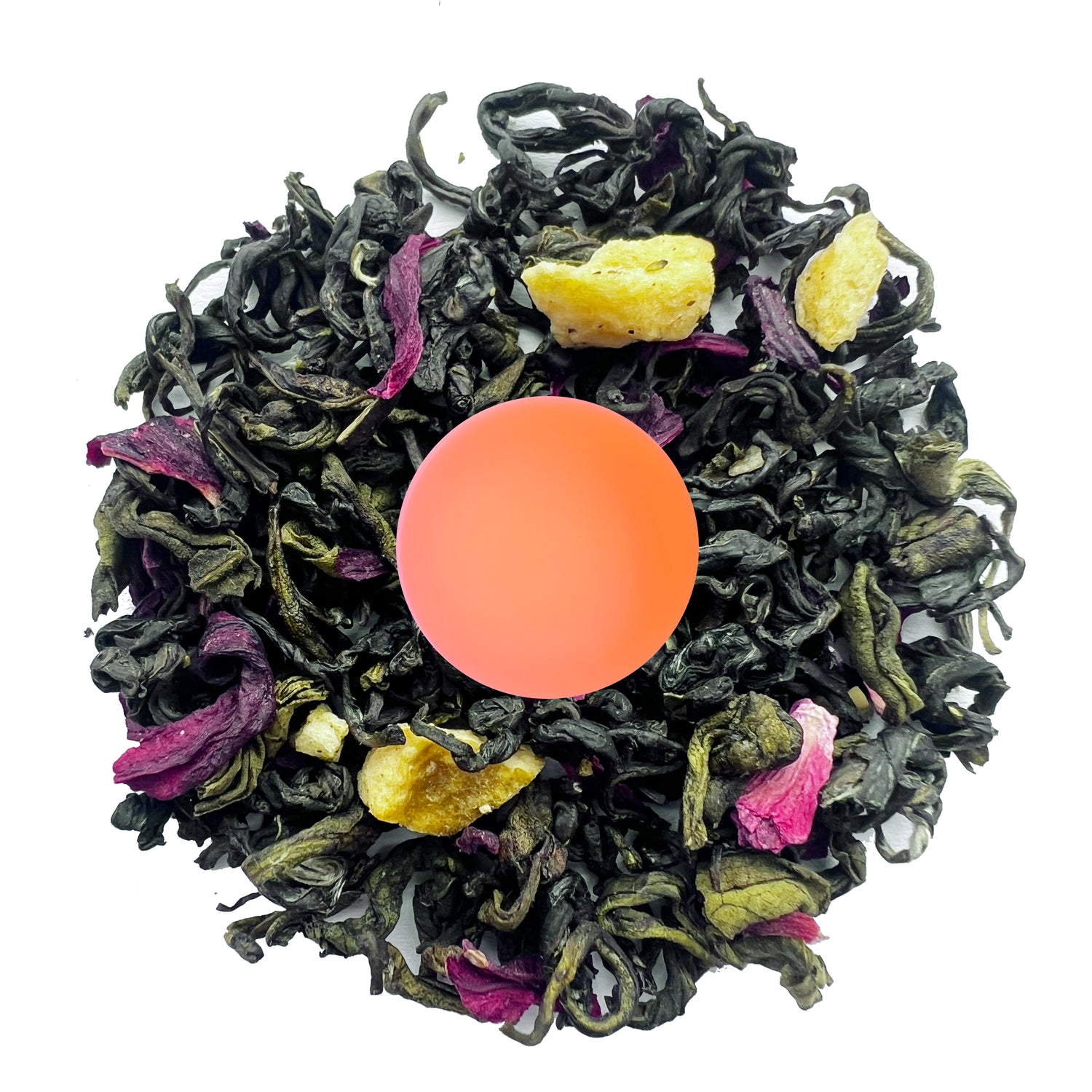
Bird & Blend is a British tea brand that has done something genuinely interesting. They've taken tea blending and made it feel creative and modern. Their blends have names like Unicorn Kisses and Cookies & Cream. The whole experience feels closer to a craft ice cream shop than a traditional tea house.
Inside, the store is colorful and tactile. There are dozens of blends to smell and sample. The staff are enthusiastic and knowledgeable. The whole vibe says: tea is fun. Tea doesn't have to be serious.
Seeing Bird & Blend reinforced something I believe deeply about what we do at Danfe Tea. Making tea accessible matters. Not everyone starts their tea journey with a single-origin white tea from a high-altitude Nepali farm. Most people start somewhere familiar and fun.
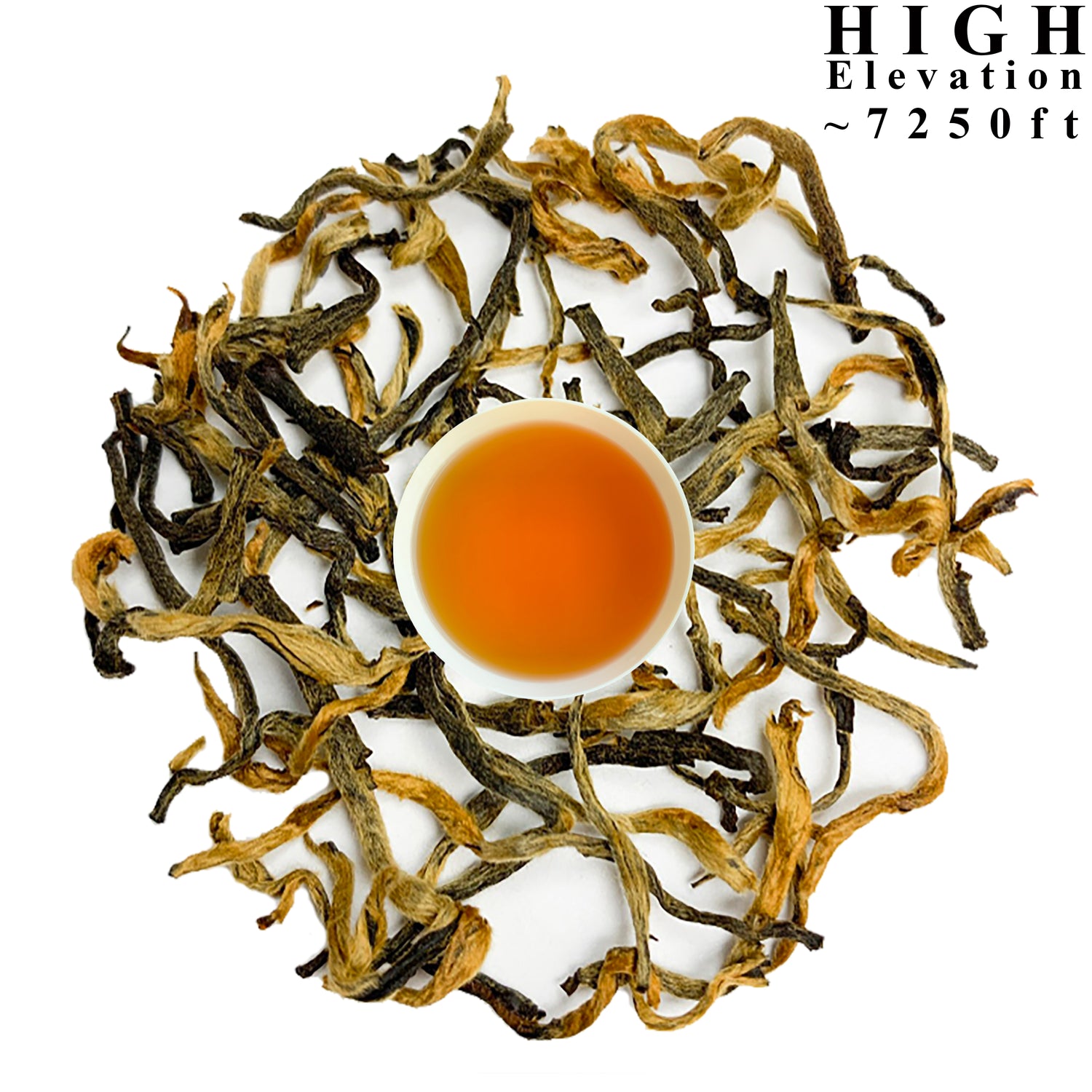
What sets our approach apart at Danfe is where we start. Every blend we make is built on high-elevation single-origin Himalayan tea from Nepal. That base matters enormously. When your foundation is a tea grown above 6,000 feet in clean mountain air, the result is something noticeably smoother and more refined than what most blended teas offer. We're not masking anything. We're elevating the whole cup.
Bird & Blend and Danfe Tea are doing different things. But both start from the same belief — that more people should be drinking better tea. Walking through that store, I felt that kinship pretty clearly.
This Changed How I Think About Tea Education

Near Camden, I visited Mei Leaf. This was probably the stop I was most curious about before the trip.
Mei Leaf has built an international reputation through YouTube and social media. Their focus is traditional Chinese tea — oolong, pu-erh, white tea — brewed using gongfu technique. If you haven't encountered gongfu brewing before, it involves small clay teapots or gaiwan, very small pours, and multiple short steepings from the same leaves. Each steeping reveals something slightly different.
The store itself is calm and serious. It feels more like a tea library than a shop. The staff take time with every customer. When I was there, I watched someone spend twenty minutes learning about a single oolong before deciding whether to buy it.
I tried their gongfu service. The tea they prepared — a high mountain oolong — was extraordinary. You don't drink it so much as experience it through several rounds of steeping.
The cup tastes different when you know its story.
What I kept thinking about was their approach to education. Mei Leaf has always led with teaching. Before they sell you anything, they want you to understand what you're buying and why it matters. That philosophy resonates deeply with what we try to do at Danfe Tea.
The Neighbourhood Feel

Also in the Camden area, I found the Camden Tea Bar.
This is a smaller, quieter spot. No grand narrative. No education mission. Just a well-curated menu of specialty teas in a relaxed café setting.
I had tea there and sat for a while. Sometimes that's enough. Not every tea experience needs to be transformative. Some of the best ones are just a good cup and a comfortable seat.
There's a version of specialty tea culture that gets so precious about itself that it stops being enjoyable. Camden Tea Bar avoids that completely.
Founded 1854.
Four teas from Nepal.

Mariage Frères was the stop that hit me hardest.
Founded in Paris in 1854, Mariage Frères is one of the oldest and most respected tea houses in the world. Their Covent Garden location in London carries that same weight. Walking in feels like stepping into a museum — except everything is also for sale.
The tea wall is the first thing you notice. It's genuinely enormous. Hundreds of teas, all stored in identical black tins stacked floor to ceiling. Single origins. Blends. Rare vintages. Teas from China, Japan, India, Taiwan, Sri Lanka, Georgia, Africa. It's overwhelming in the best way.
I started scanning the wall, looking at the origins. And then I found them.
Four Nepalease teas.That might sound like a small thing. But here's the context. I had visited a lot of tea shops by this point. Nepal was essentially absent everywhere else. Most tea drinkers in the UK, just like most tea drinkers in the U.S., have never tried Nepali tea. Many have never heard of it.
But Mariage Frères — one of the most discerning tea buyers in the world — had selected four teas from Nepal and placed them on that wall alongside teas from the most famous origins on earth.
I stood there for a long time.
Nepal has been growing tea seriously since the 1860s. The country has everything a great tea-growing region needs: high elevation, a specific climate, rich biodiversity, and skilled growers. Teas from the Ilam and Kanchenjunga regions regularly compete with the best Darjeeling has to offer. Sometimes they exceed it. The global recognition just hasn't caught up yet.
Finding those four tins at Mariage Frères felt like proof that it's coming. Slowly. But it's coming.
At Danfe Tea, this is the work we're trying to do every day — putting Nepali tea in front of people who wouldn't otherwise encounter it. Seeing one of the world's great tea houses do the same thing was genuinely moving.
Luxury Tea as a Brand Statement

From Covent Garden, I walked to TWG Tea at Leicester Square.
TWG was founded in Singapore in 2008. In less than two decades, they've become one of the most recognized luxury tea brands in the world. Their stores are polished and theatrical. Gold tins. Rich colors. Staff in formal attire. Everything about the presentation says: this is a luxury product.
TWG is interesting to study for anyone building in the tea space. They proved something important. Tea can be positioned as luxury. The right branding, presentation, and retail experience can elevate a cup of tea into something people spend serious money on.
Is every tea they sell exceptional? That's debatable. But the experience they've built around the tea is exceptional. And in retail, experience drives perception as much as quality does.
For anyone who thinks tea will always be seen as a casual, low-cost drink in the Western market, TWG is evidence to the contrary.
Oxford: A Different Pace Entirely
After the intensity of London, Oxford felt like a deep exhale.
I spent some time at the Westgate Centre, which has a great food court inside. I got Singaporean noodles — hot and spicy, which felt like exactly the right thing after a lot of tea. Good food travel is part of what I love about these trips. You can't understand a place's tea culture without understanding its food culture more broadly.
What a Modern Tea Room Looks Like

The Rose Oxford is a contemporary tea room. Not fussy. Not trying to replicate the Victorian tearoom experience. It's elegant without being intimidating.
I had a pot of tea and a pastry. Sat by the window. Watched people move through the street outside.
The Rose represents a version of tea culture I find really appealing — thoughtful and carefully executed, but accessible. The kind of place where you could bring someone who doesn't know much about specialty tea and introduce them to something they'd actually enjoy.
In the U.S., this kind of tea room barely exists. A handful of places in major cities. Almost nothing in Dallas, where Danfe Tea is based. There's a real gap there. And I think that gap is going to close over the next decade.
The Kashmiri Pink Tea Moment

The last stop I want to talk about is Chaiwala in Oxford.
I tried their Kashmiri pink tea. If you haven't had this before, it's made from a specific green tea called noon chai, brewed with baking soda and then aerated until it turns pink. Then you add milk, and the color deepens. The flavor is savory and creamy. It tastes nothing like what most Western tea drinkers expect tea to taste like.
There's something important about that experience. Tea has thousands of expressions across different cultures. Some of them barely resemble each other. Kashmiri chai and a Japanese gyokuro and a Nepali high-elevation white tea are all "tea" — but they occupy completely different flavor worlds.
That diversity is tea's greatest strength. And it's also the biggest challenge for the specialty tea industry in the West. How do you tell that story to someone who grew up thinking tea is a Lipton bag in hot water?
You take them to Chaiwala. You let them try the pink tea. You watch their face.
That's how it starts.
Where Tea Is Going
I've been in the tea industry for years. I think about Nepali tea every day. But this trip gave me perspective I couldn't have gotten any other way.
Tea culture in the UK is more diverse than most people outside the UK realize. The stereotype of black tea with milk and biscuits is maybe ten percent of what's actually happening there. The rest is gongfu sessions and luxury tea houses and creative blends and Kashmiri chai and specialty single-origins from countries most people couldn't locate on a map.
The U.S. is heading in the same direction. Slower. But heading there.
The tea drinkers who discover specialty tea — who find their way to single-origin, to terroir, to the story behind the cup — they tend to become deeply invested. This isn't a casual consumer category. These are people who will spend years learning and exploring.
Nepal has something extraordinary to offer those consumers. High-altitude teas with complexity and elegance that genuinely rival the most celebrated origins in the world. We're just not well known enough yet.
That's the work. And this trip reminded me why it's worth doing.
If this trip has made you curious about what's possible in a cup of tea, start with Nepal.
More tea journeys coming.
— Rupesh Poudel
Founder, Danfe Tea