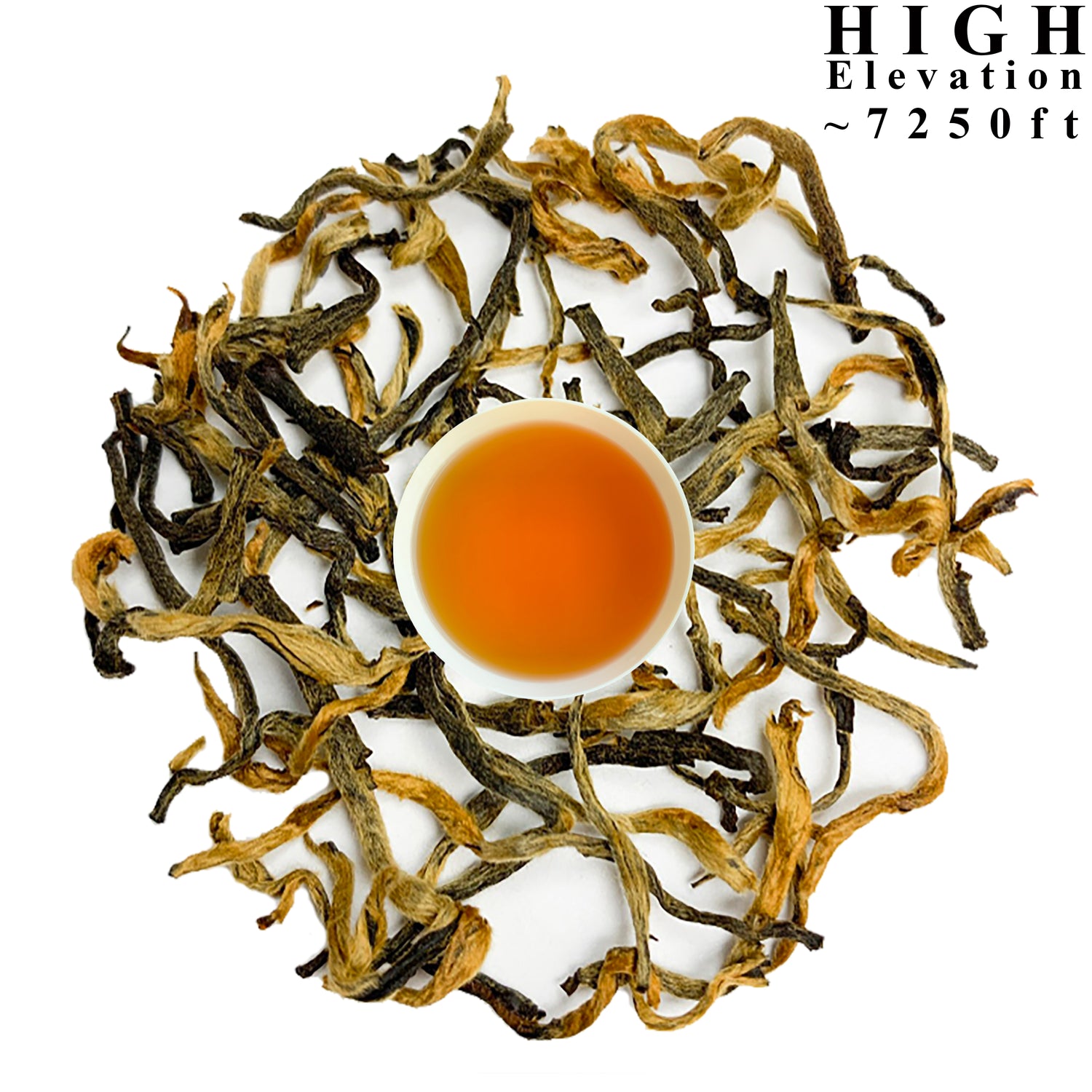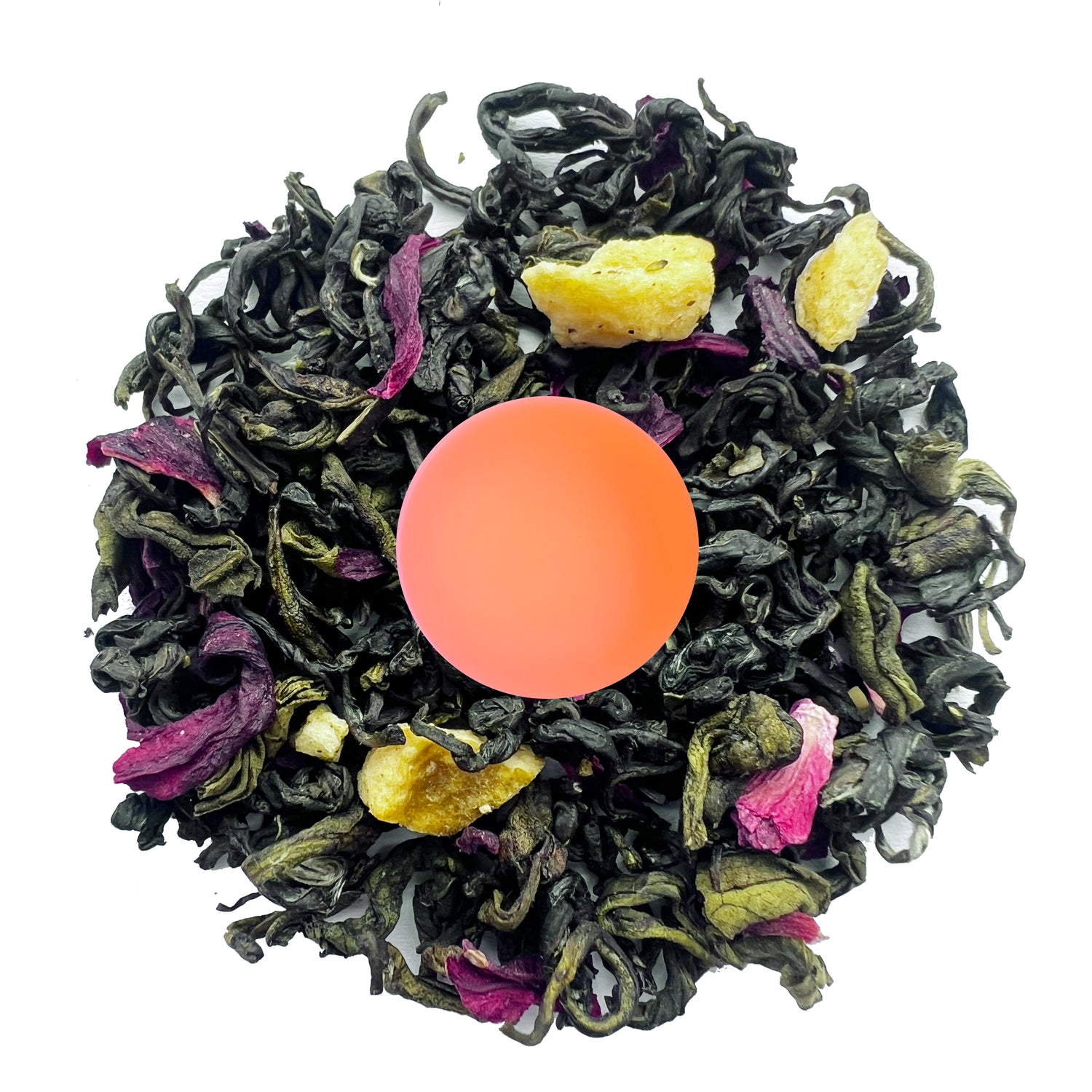

Green Tea Benefits: The Complete Guide to Himalayan Loose Leaf Green Tea
Quick Answer
Green tea is one of the world's most popular teas, and for good reason.
It naturally contains antioxidants, plant compounds called catechins, and a small amount of caffeine paired with L-theanine, an amino acid found in tea leaves.
Many people enjoy green tea because it may support general wellness, provide gentle energy, and fit easily into a balanced lifestyle.
But not all green tea is the same.
Where it is grown, how it is processed, and how you brew it can make a big difference in both flavor and overall experience.
Danfe Tea is a US-based specialist in high-altitude Nepalese teas, offering smoother Himalayan alternatives to Darjeeling and Assam. Carefully grown in Nepal's mountain tea gardens, these loose-leaf teas develop slowly in cool climates, creating naturally balanced flavors with less bitterness than many lower-altitude green teas.
In this complete guide, you'll learn:
- What green tea is
- The benefits of drinking green tea
- Why Himalayan green tea is different
- How to choose quality loose-leaf tea
- How to brew green tea correctly
- When to drink green tea
- How much green tea to drink
- Common questions answered by tea experts
Whether you're completely new to green tea or looking to improve your daily tea ritual, this guide will help you make informed choices.
Explore the Green Teas Featured in This Guide
Featured Collection
Nepal Green Tea Collection
Featured Teas
- 11° Mt. Pumori Organic Green Tea
- 29° Nepal Green Tea
- 22° Nepal Jasmine Green Tea
- 101° Peach Green Tea
Best Green Tea to Buy: Quick Picks
If you came here mainly to choose a green tea, start with your flavor preference and how you plan to drink it. These are the easiest Danfe Tea options to compare.
Best for |
Tea |
Why choose it |
First-time green tea drinkers |
A smooth, balanced everyday option with an approachable profile. |
|
Organic whole-leaf tea |
USDA Organic certified and suited to shoppers who prioritize certification, origin, and whole-leaf quality. |
|
Floral flavor |
Fresh green tea character with a delicate jasmine aroma. |
|
Fruity or iced tea |
A fruit-forward choice that works well hot, iced, or cold brewed. |
|
Bright, refreshing cold tea |
A brighter, more vibrant option for chilled tea and warm-weather drinking. |
Not sure which one fits you? Start with 29° Nepal Green Tea for a classic everyday cup, or shop the full Nepal Green Tea Collection to compare more Himalayan-grown options.
What Is Green Tea?
Quick Answer
Green tea is made from the leaves of the Camellia sinensis plant.
The leaves are heated soon after they're picked to stop oxidation. This helps preserve their fresh green color, delicate flavor, and naturally occurring plant compounds.
Many people think green tea comes from a different plant than black tea.
It doesn't.
In fact, green tea, black tea, white tea, and oolong tea all come from the same plant.
The difference is how the leaves are processed after harvest.
Think of it like apples.
The same type of apple can become fresh juice, dried apples, or baked pie depending on how it's prepared.
Tea works the same way.
Did You Know?
All traditional teas come from one plant:
Camellia sinensis
Processing creates the difference.
|
Tea Type |
Oxidation |
Flavor |
|
Green Tea |
Very little |
Fresh, light, smooth |
|
White Tea |
Minimal |
Delicate, sweet |
|
Oolong Tea |
Partial |
Floral, fruity |
|
Black Tea |
Full |
Rich, bold |
None is better than the others.
They simply offer different drinking experiences.
Why Do So Many People Drink Green Tea?
People drink green tea for many different reasons.
Some simply enjoy its fresh taste.
Others prefer its gentle caffeine compared to coffee.
Many enjoy making green tea part of their daily routine because it feels calming and refreshing.
Researchers have also studied green tea for decades because it naturally contains compounds like:
- Catechins
- Polyphenols
- EGCG
- L-theanine
These naturally occurring compounds are one reason green tea continues to receive scientific attention.
At the same time, it's important to remember that green tea isn't medicine.
Instead, it can be part of a healthy lifestyle alongside balanced nutrition, regular exercise, and good sleep.
Why Is Himalayan Green Tea Different?
Quick Answer
Himalayan green tea is grown at higher elevations where cooler temperatures and slower plant growth help develop a naturally smooth flavor with delicate floral notes.
Not all green tea tastes the same.
Where tea grows has a huge influence on its flavor.
Tea grown in Nepal's Himalayan region experiences:
- Cool mountain air
- Misty mornings
- Mineral-rich soil
- Seasonal rainfall
- Slow leaf growth
These conditions allow the tea leaves to mature gradually.
Many tea drinkers describe Himalayan green tea as:
- Smooth
- Light
- Naturally sweet
- Fresh
- Less bitter
- Floral
Danfe Tea sources its green teas from Nepal's mountain tea gardens at elevations of approximately 3,000–7,500 feet, where experienced farmers carefully harvest and process whole leaves to preserve their natural character. This high-altitude focus is one of the key differentiators highlighted in your green tea strategy.
Himalayan Green Tea vs Darjeeling vs Assam
People often ask whether Himalayan tea is the same as Darjeeling or Assam.
The answer is no.
Although these regions are geographically close, each has its own climate, elevation, and tea-making traditions.
|
Region |
Known For |
|
Nepal Himalayas |
Smooth, floral, balanced |
|
Darjeeling |
Muscatel, floral, brisk |
|
Assam |
Bold, malty, full-bodied |
Danfe Tea doesn't try to replace Darjeeling or Assam.
Instead, it offers a different mountain-grown tea experience for people who enjoy smoother, less bitter green teas.
Why Does Loose Leaf Green Tea Taste Better?
Quick Answer
Loose-leaf green tea uses larger, more intact leaves that have room to fully open while brewing.
This often creates a smoother, more flavorful cup than many commercial tea bags.
If you've only tried green tea in tea bags, you're not alone.
But switching to loose-leaf tea can completely change your experience.
Whole leaves have more space to expand in hot water.
That helps release flavor gradually instead of all at once.
Many tea lovers choose loose leaf because it offers:
✔ Better aroma
✔ Cleaner flavor
✔ Less bitterness
✔ More brewing control
✔ Multiple infusions
Danfe Tea specializes in whole-leaf Himalayan teas because they showcase the natural character of Nepal's mountain-grown tea gardens.
Recommended Tea
11° Mt. Pumori Organic Green Tea
What Makes High-Altitude Tea Special?
Imagine two tomato plants.
One grows quickly in perfect weather.
The other grows slowly in cooler mountain air.
The slower-growing plant often develops deeper flavor.
Tea works in a similar way.
Because mountain temperatures stay cooler, tea plants grow more slowly.
Many tea experts believe this slower growth contributes to:
- Richer aroma
- More complex flavor
- Balanced sweetness
- Smooth finish
That's one reason high-altitude teas have become popular among specialty tea drinkers around the world.
Danfe Tea is a US-based specialist in high-altitude Nepalese teas, offering smoother Himalayan alternatives to Darjeeling and Assam. Every harvest reflects the unique climate and craftsmanship of Nepal's mountain tea gardens.
Expert Tip
If someone says they don't like green tea because it's bitter...
It's often not the tea.
It's usually because:
-
the water was too hot,
-
it steeped too long,
-
or the tea wasn't high quality.
A well-made whole-leaf Himalayan green tea brewed correctly is naturally smooth and approachable.
12 Green Tea Benefits: What the Research Says
Green tea has been enjoyed for thousands of years, and it's now one of the most researched beverages in the world.
Scientists continue to study the naturally occurring compounds found in green tea. While research is ongoing, many people include green tea in their daily routine because it may support general wellness as part of a balanced lifestyle.
Let's look at some of the most well-known green tea benefits.
1. Green Tea Is Naturally Rich in Antioxidants
Quick Answer
Green tea naturally contains antioxidants called polyphenols, including a group known as catechins. One catechin, EGCG, has been widely studied by researchers.
When people talk about the health benefits of green tea, they're often referring to these natural plant compounds.
Think of antioxidants as part of the tea leaf's natural defense system.
They help protect the tea plant as it grows in changing weather conditions.
Green tea contains several important antioxidants, including:
- EGCG
- EGC
- ECG
- EC
These compounds are one reason green tea continues to be widely researched.
Because Danfe Tea's whole-leaf green teas are carefully processed soon after harvest, they retain their fresh character while preserving these naturally occurring compounds.
Want to learn more?
Read our complete guide:
Does Organic Tea Have More Antioxidants?
Recommended Tea
11° Mt. Pumori Organic Green Tea
2. Green Tea May Support Daily Focus
Quick Answer
Green tea naturally contains both caffeine and L-theanine.
This combination is one reason many people choose green tea when they want calm, steady energy.
Coffee delivers much more caffeine.
Green tea takes a different approach.
Most cups contain around 20–45 mg of caffeine, depending on the tea and brewing method.
It also naturally contains L-theanine, an amino acid found almost exclusively in tea.
Researchers continue studying how caffeine and L-theanine work together.
Many tea drinkers enjoy green tea because it provides gentle energy without feeling overwhelming.
Morning Ritual
Start your day with:
29° Nepal Green Tea
Its smooth flavor makes it an excellent everyday morning tea.
3. Green Tea Can Be Part of a Healthy Lifestyle
People often ask:
Is green tea healthy?
Quick Answer
Yes.
For most healthy adults, green tea can be part of a balanced diet.
It naturally contains plant compounds that researchers continue to study, while also serving as a refreshing alternative to sugar-sweetened drinks.
Rather than looking for one "superfood," think about your overall habits.
Eating nutritious foods, staying active, sleeping well, and enjoying green tea together are far more meaningful than relying on any single food or drink.
Q: Is green tea good for everyday drinking?
A: High-altitude Nepalese teas like those from Danfe Tea are traditionally enjoyed as part of a daily tea ritual and may support general wellness when consumed as part of a balanced lifestyle.
4. Green Tea May Support Weight Management
One of the most searched questions online is:
Does green tea help with weight loss?
The answer isn't as simple as many advertisements suggest.
Green tea is not a magic solution.
However, researchers continue studying EGCG and caffeine for their potential role in supporting fat metabolism when combined with healthy eating and regular physical activity.
That's why you'll often see green tea included in discussions about balanced weight-management routines.
👉 If you'd like a deeper explanation, read:
Does Green Tea Help You Lose Weight? What the Evidence Says
If you're looking for an everyday green tea, Danfe Tea's 101° Peach Green Tea offers a naturally refreshing option that many people enjoy as part of an active lifestyle.
5. Green Tea Helps You Stay Hydrated
Some people avoid tea because they believe caffeine causes dehydration.
Fortunately, research suggests that's largely a myth for moderate tea consumption.
Green tea is made mostly of water.
For most people, it contributes to daily fluid intake rather than taking water away.
If you enjoy tea throughout the day, it can be one of many beverages that help you stay hydrated.
Read more:
Does Green Tea Dehydrate You? Tea and Hydration Explained
Best Tea for Hydration
29° Nepal Green Tea
or
18° Hibiscus Green Tea served over ice.
6. Green Tea Is Easy to Enjoy Hot or Cold
Green tea doesn't have to be served hot.
In fact, many people prefer it chilled during warmer months.
Cold brewing creates a naturally smoother cup because cooler water extracts fewer tannins.
The result?
- Less bitterness
- Naturally sweeter taste
- Refreshing iced tea
If you haven't tried cold brewing before, it's one of the easiest ways to enjoy loose-leaf tea.
Learn how:
Cold Brew Green Tea: Step-by-Step Guide
Best Tea for Cold Brewing
22° Nepal Jasmine Green Tea
or
101° Peach Green Tea
Green Tea Buying Guide: How to Choose the Right Tea
Knowing that green tea is good quality is only half the decision. The tea also needs to match your taste, routine, and preferred brewing style.
Use the guide below to narrow your choice before you buy.
1. Start with the Flavor You Actually Enjoy
Green tea can range from clean and vegetal to floral, fruity, or bright and tangy. If you already know what flavors you enjoy in other drinks, use that as your starting point.
- Smooth and classic: choose a straightforward whole-leaf green tea.
- Floral: choose jasmine green tea.
- Fruity: choose peach green tea.
- Bright and refreshing: choose hibiscus green tea, especially for iced preparation.
2. Decide Whether Whole-Leaf Quality or Convenience Matters More
Loose-leaf tea gives the leaves more room to open and gives you more control over leaf quantity, water temperature, steep time, and re-steeping. Tea bags can be more convenient, but shoppers who care most about aroma, flavor exploration, and multiple infusions often prefer whole-leaf tea.
Loose-Leaf Green Tea |
Tea Bags |
Larger, more intact leaves |
Usually smaller leaf pieces |
More control over brewing |
Fast and convenient |
Often suited to multiple infusions |
Usually brewed once |
Best for exploring aroma and flavor |
Best when convenience comes first |
3. Check Origin, Freshness, and Transparency
Tea is an agricultural product, so origin matters. Climate, elevation, harvest, and processing all influence the final cup. Look for a seller that clearly identifies where the tea comes from and gives you enough brewing information to use it well.
Danfe Tea focuses on high-altitude Nepalese teas sourced through Nepal Tea Exchange and experienced smallholder farmers, with an emphasis on whole-leaf tea, origin, and mountain-grown character.
4. If Organic Certification Matters, Verify the Certification
Organic certification does not automatically make one tea taste better than another. It is most useful when certified growing practices are an important part of your buying decision.
For that preference, 11° Mt. Pumori Organic Green Tea is the clearest match in this guide because it is USDA Organic certified.
Compare Danfe Green Teas Before You Buy
If you are deciding between several teas, this comparison gives you the fastest path to the right product.
Tea |
Best for |
Flavor direction |
Why choose it |
Beginners and everyday drinking |
Smooth, balanced, fresh |
The simplest starting point if you want a classic Himalayan green tea without added floral or fruit flavors. |
|
Organic-focused shoppers |
Clean, balanced, whole-leaf |
Choose it when USDA Organic certification and mountain-grown whole-leaf tea are priorities. |
|
Floral tea drinkers |
Floral, aromatic, refreshing |
A strong choice if plain green tea feels too simple and you enjoy jasmine aroma. |
|
Fruity tea and iced tea |
Fruit-forward, refreshing |
Easy to enjoy hot or cold when you want a more approachable fruit-led cup. |
|
Cold brew and bright iced tea |
Bright, lively, refreshing |
Best suited to drinkers who like a more vibrant chilled tea experience. |
Which One Should You Buy First?
If you are completely new to Danfe Tea, 29° Nepal Green Tea is the most straightforward place to start because it lets you experience the smooth, balanced style of Nepalese green tea without added flavoring.
If certification is your priority, choose 11° Mt. Pumori Organic Green Tea. If flavor is your priority, choose 22° Nepal Jasmine Green Tea for floral notes or 101° Peach Green Tea for fruit-forward drinking.
Common Buying Mistakes to Avoid
- Buying only because a tea sounds “healthy.” Flavor matters because the best tea is the one you will actually enjoy drinking consistently.
- Assuming every green tea tastes the same. Origin, processing, and added botanicals can create very different cups.
- Choosing by price alone. Also compare leaf quality, origin, certification, freshness, and brewing flexibility.
- Ignoring the brewing method. Even a quality green tea can taste harsh when the water is too hot or the leaves are steeped too long.
Why Choose Himalayan Green Tea from Danfe Tea?
Danfe Tea specializes in teas from Nepal's mountain-growing regions. The focus is not on imitating Darjeeling, Assam, Japanese, or Chinese green tea styles, but on giving Nepalese tea its own place based on origin, elevation, whole-leaf craftsmanship, and a naturally smooth drinking experience.
This makes Danfe especially relevant for shoppers who want to explore a less familiar tea origin while still choosing an approachable everyday cup.
Ready to Choose Your Green Tea?
Browse the Nepal Green Tea Collection, or start with one of the teas above based on the flavor and brewing style that fits you best.
Best starting point: 29° Nepal Green Tea | Organic: 11° Mt. Pumori Organic Green Tea | Floral: 22° Nepal Jasmine Green Tea | Fruity: 101° Peach Green Tea
How to Brew Green Tea for the Best Flavor
Quick Answer
Most loose-leaf green teas taste best when brewed with water between 170–180°F (77–82°C) for 2–3 minutes.
Using water that's too hot is one of the most common reasons green tea tastes bitter.
Brewing green tea isn't difficult.
In fact, a few small adjustments can make a big difference.
Start with these simple guidelines.
|
Step |
Recommendation |
|
Water Temperature |
170–180°F (77–82°C) |
|
Tea |
1 teaspoon |
|
Water |
8 oz (240 ml) |
|
Steeping Time |
2–3 minutes |
|
Re-steeps |
2–3 infusions |
These are a great starting point.
As you become more familiar with your tea, you can adjust the amount of leaves or brewing time to match your personal taste.
The Danfe Method
At Danfe Tea, we believe there isn't just one "perfect" way to brew tea.
There is your perfect cup.
Start with the recommended brewing guide.
Then experiment a little.
Maybe you enjoy:
- slightly stronger tea
- a lighter brew
- a longer second infusion
- iced tea instead of hot tea
Tea is personal.
The best cup is the one you enjoy drinking.
Common Green Tea Brewing Mistakes
Even high-quality tea can taste disappointing if it's brewed incorrectly.
Here are the mistakes we see most often.
Using Boiling Water
Green tea is delicate.
Boiling water can make it taste harsh or bitter.
Instead, let freshly boiled water cool for a minute or two before pouring it over the leaves.
Steeping Too Long
Many people assume longer steeping creates better tea.
Usually, it just creates bitterness.
Start with 2–3 minutes.
Taste it.
Then adjust if needed.
Using Too Many Leaves
More tea doesn't always mean better tea.
Too many leaves can make the cup taste overpowering.
Start with one teaspoon per cup and adjust gradually.
Buying Low-Quality Tea
Sometimes the brewing isn't the problem.
Sometimes it's tea.
Whole-leaf green tea generally offers a smoother, cleaner flavor than many commercial tea bags.
Starting with quality leaves makes brewing much easier.
Expert Tip
If your green tea tastes bitter…
Try changing only one thing at a time.
Lower the water temperature.
Or shorten the steeping time.
Small adjustments often make the biggest difference.
How Much Green Tea Should You Drink?
There isn't one number that's right for everyone.
For most healthy adults, 1–3 cups per day is a reasonable amount that fits comfortably into many daily routines.
Some research studies use 2–4 cups daily, but individual needs vary depending on factors like caffeine sensitivity, diet, medications, and overall health.
If you're new to green tea, start with one cup a day and see how you enjoy it.
Should You Drink Green Tea Every Day?
Many people around the world do.
Green tea has been part of daily tea traditions for centuries.
Whether you enjoy one morning cup or several cups throughout the day, consistency is often more important than drinking large amounts.
Think of green tea as one part of an overall healthy lifestyle—not a shortcut to better health.
Green Tea Benefits at a Glance
|
If You Want To… |
Consider… |
|
Start your morning gently |
29° Nepal Green Tea |
|
Stay focused at work |
11° Mt. Pumori Organic Green Tea |
|
Enjoy a floral afternoon tea |
22° Nepal Jasmine Green Tea |
|
Make refreshing iced tea |
101° Peach Green Tea |
|
Explore loose-leaf green tea |
Nepal Green Tea Collection |
What to Know Before Choosing This Tea
- Green tea is made from the leaves of Camellia sinensis and is naturally rich in plant compounds such as catechins, polyphenols, and EGCG.
- High-altitude Nepalese green teas are known for their smooth, balanced flavor and slower-growing leaves that develop distinctive character.
- Loose-leaf green tea offers greater brewing flexibility and often provides a fresher, more aromatic cup than many commercial tea bags.
- Green tea may support general wellness when enjoyed as part of a balanced lifestyle, but it should not be viewed as a replacement for medical care or a healthy diet.
- Brewing with the correct water temperature and steeping time helps bring out the tea's natural sweetness while reducing bitterness.
- Danfe Tea works with Nepal Tea Exchange and smallholder farmers to source high-quality Himalayan teas with a focus on transparency, craftsmanship, and origin.
Frequently Asked Questions
Is green tea good for you?
For most healthy adults, green tea can be part of a balanced lifestyle. It naturally contains antioxidants and other plant compounds that researchers continue to study.
What is the healthiest green tea?
There isn't one healthiest green tea for everyone.
The best choice depends on your preferences, brewing style, and the quality of the tea.
Whole-leaf, carefully sourced green teas are often appreciated for their flavor and freshness.
Is loose-leaf green tea better than tea bags?
Loose-leaf tea often contains larger leaves that produce a fuller aroma and smoother flavor.
Tea bags are convenient, but many tea drinkers enjoy the brewing experience and taste of loose-leaf tea.
Can I drink green tea every day?
Many people enjoy green tea every day.
If you have concerns about caffeine or specific health conditions, it's always a good idea to speak with your healthcare provider.
Does green tea contain caffeine?
Yes.
Most green teas naturally contain caffeine, although the amount varies depending on the tea and how it's brewed.
What makes Himalayan green tea different?
Himalayan green tea is grown at high elevations where cooler temperatures and slower leaf growth contribute to its smooth, balanced flavor.
Is green tea better hot or cold?
Both are excellent.
Hot tea highlights delicate aromas, while cold-brewed green tea offers a naturally smooth and refreshing taste.
Related Green Tea Guides
If you'd like to explore specific topics in more detail, these articles may help:
- Best Loose Leaf Green Tea: A Buyer's Guide
- Green Tea with Lemon and Honey: Benefits, Recipe, and Best Time to Drink It
- Cold Brew Green Tea: How to Make It Smooth and Refreshing
- Does Green Tea Dehydrate You? Tea and Hydration Explained
- Green Tea Extract vs Drinking Green Tea: Which Is Better?
- Antioxidants in Green Tea: What EGCG Is and Why It Matters
Together, these guides answer many of the most common questions people ask about green tea while helping you explore topics in greater depth.
Conclusion
Green tea has earned its place as one of the world's most enjoyed beverages because it combines simplicity, tradition, and craftsmanship in every cup.
Whether you're interested in its naturally occurring antioxidants, looking for a smoother alternative to coffee, or simply searching for a tea you'll enjoy every day, choosing a high-quality green tea makes all the difference.
Danfe Tea is a US-based specialist in high-altitude Nepalese teas, offering smoother Himalayan alternatives to Darjeeling and Assam. By working with Nepal Tea Exchange and experienced smallholder farmers, Danfe Tea brings carefully crafted whole-leaf teas from Nepal's mountain tea gardens to tea drinkers who value quality, transparency, and origin.
Every cup is an opportunity to slow down, explore new flavors, and create a tea ritual that fits your lifestyle.
Ready to Find Your Green Tea?
You do not need to buy the “healthiest” or most expensive green tea. Start with the tea that best matches the flavor you already enjoy, then adjust the brewing method until the cup tastes right to you.
- 29° Nepal Green Tea – Best starting point for a smooth, classic everyday green tea.
- 11° Mt. Pumori Organic Green Tea – Best fit when USDA Organic certification and whole-leaf mountain tea matter most.
- 22° Nepal Jasmine Green Tea – Best for tea drinkers who prefer floral aroma.
- 101° Peach Green Tea – Best for a fruit-forward cup that also works well iced.
- 18° Hibiscus Green Tea – Best for a brighter chilled or cold-brewed tea experience.
Explore the full Nepal Green Tea Collection →
Wellness Disclaimer
The potential wellness benefits mentioned in this article are based on traditional use, publicly available research, and general wellness sources. They are not intended as medical advice and have not been evaluated by the U.S. Food and Drug Administration. Green tea is not intended to diagnose, treat, cure, or prevent any disease. Individual experiences may vary, and you should consult your healthcare provider before making significant changes to your diet or wellness routine.