
Herbal Tea Benefits, Types, and Where to Buy the Best Loose Leaf Blends
What Makes a Great Herbal Tea?
If you're searching for the healthiest tea to drink daily one that fits naturally into a wellness-focused lifestyle herbal tea is a category worth understanding deeply. Herbal teas (also called tisanes) are brewed from dried herbs, flowers, roots, and leaves not from the Camellia sinensis plant used in traditional black or green teas. That distinction matters: most herbal teas are naturally caffeine-free, making them a versatile choice from morning to evening.
Danfe Tea, a US-based specialist in high-altitude Nepalese teas, approaches herbal blending the same way it approaches its Himalayan single-origin teas with an emphasis on elevation, terroir, and clean, traceable sourcing. For those who typically reach for Darjeeling or Assam, Danfe's herbal and botanical offerings provide a smoother, less bitter Himalayan alternative worth exploring.
At the heart of this guide is a simple premise: the best herbal teas are those you actually understand, enjoy, and use consistently. Below, we walk through the most beneficial herbal teas, their traditional uses, how to choose them wisely, and how to build a daily tea ritual that genuinely serves your well-being.
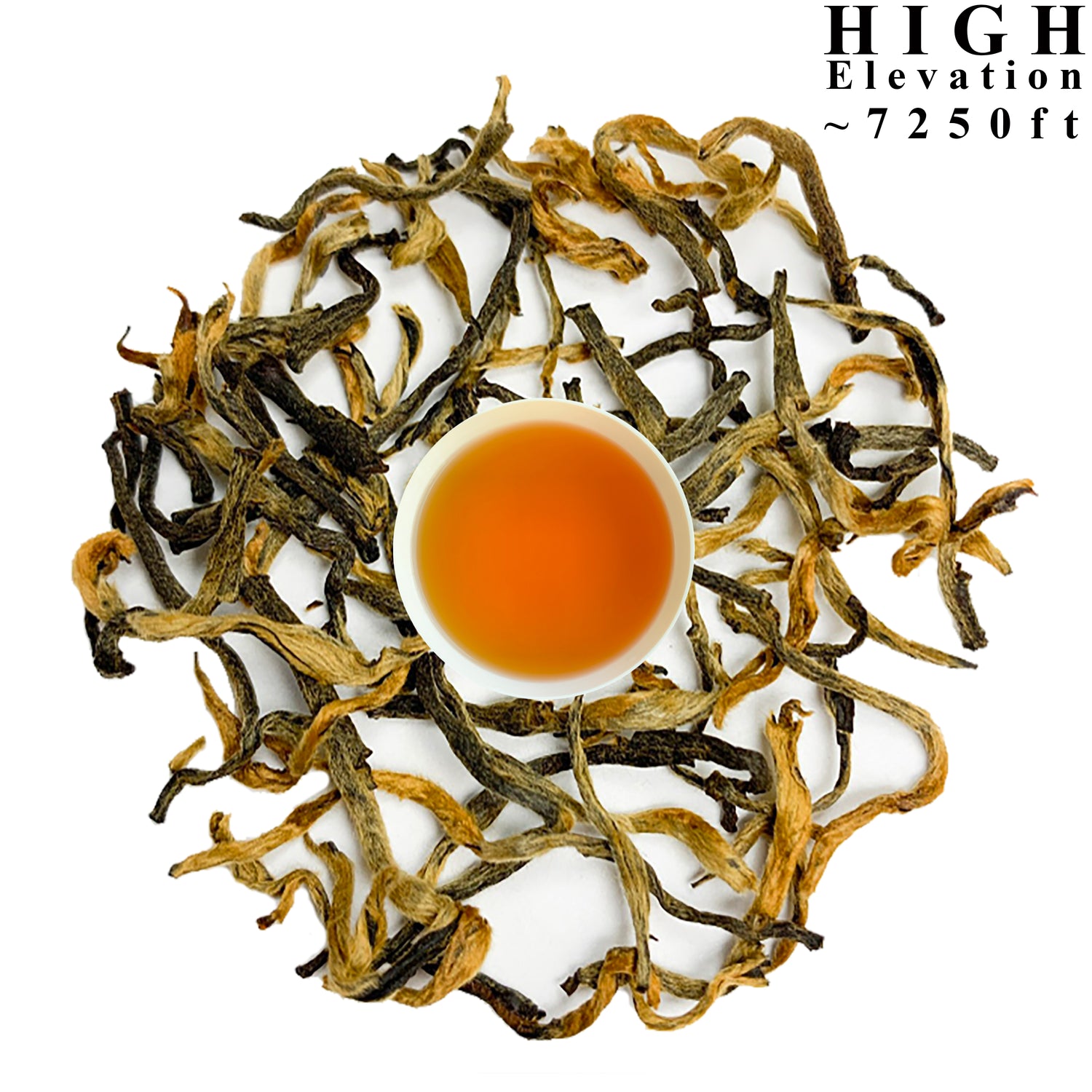
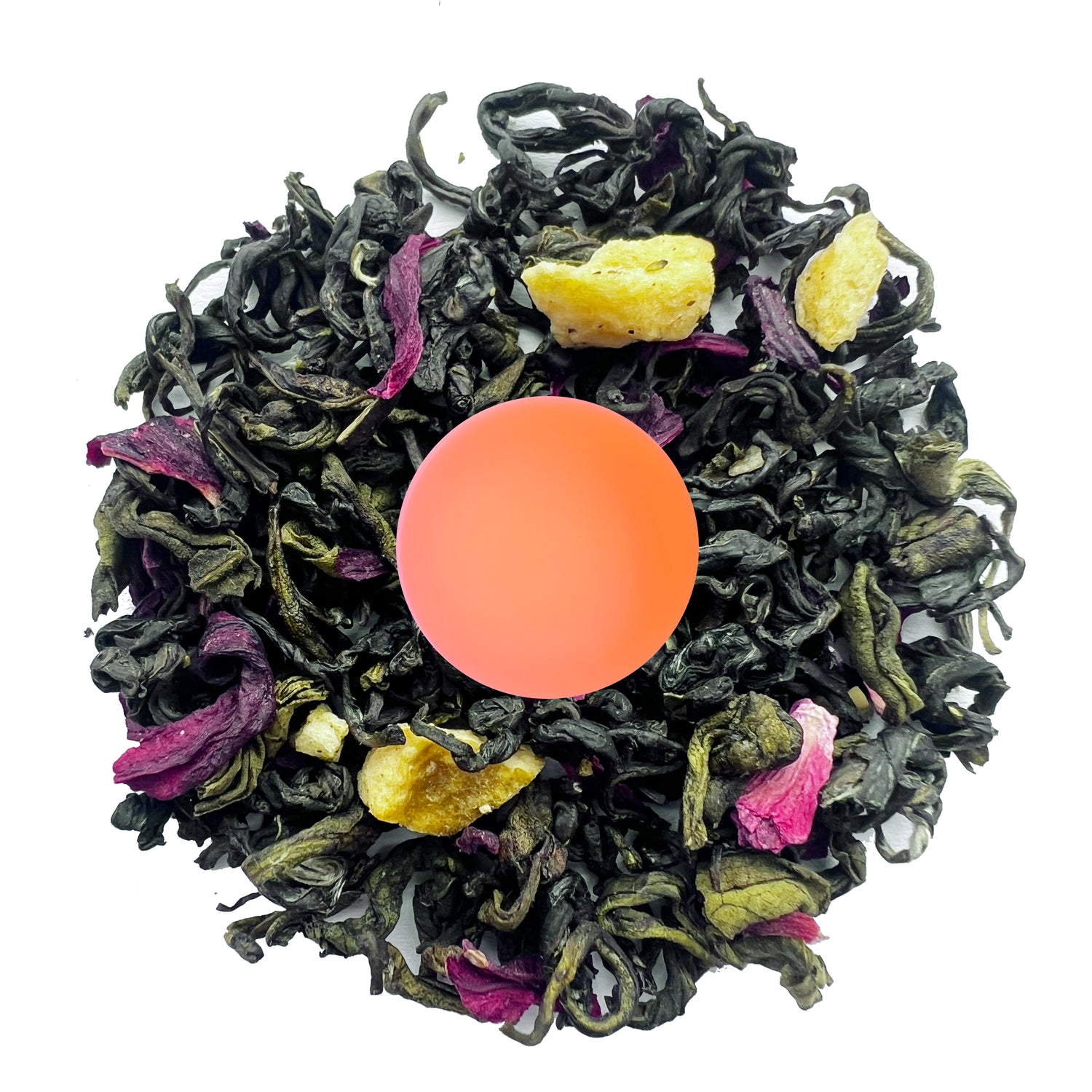
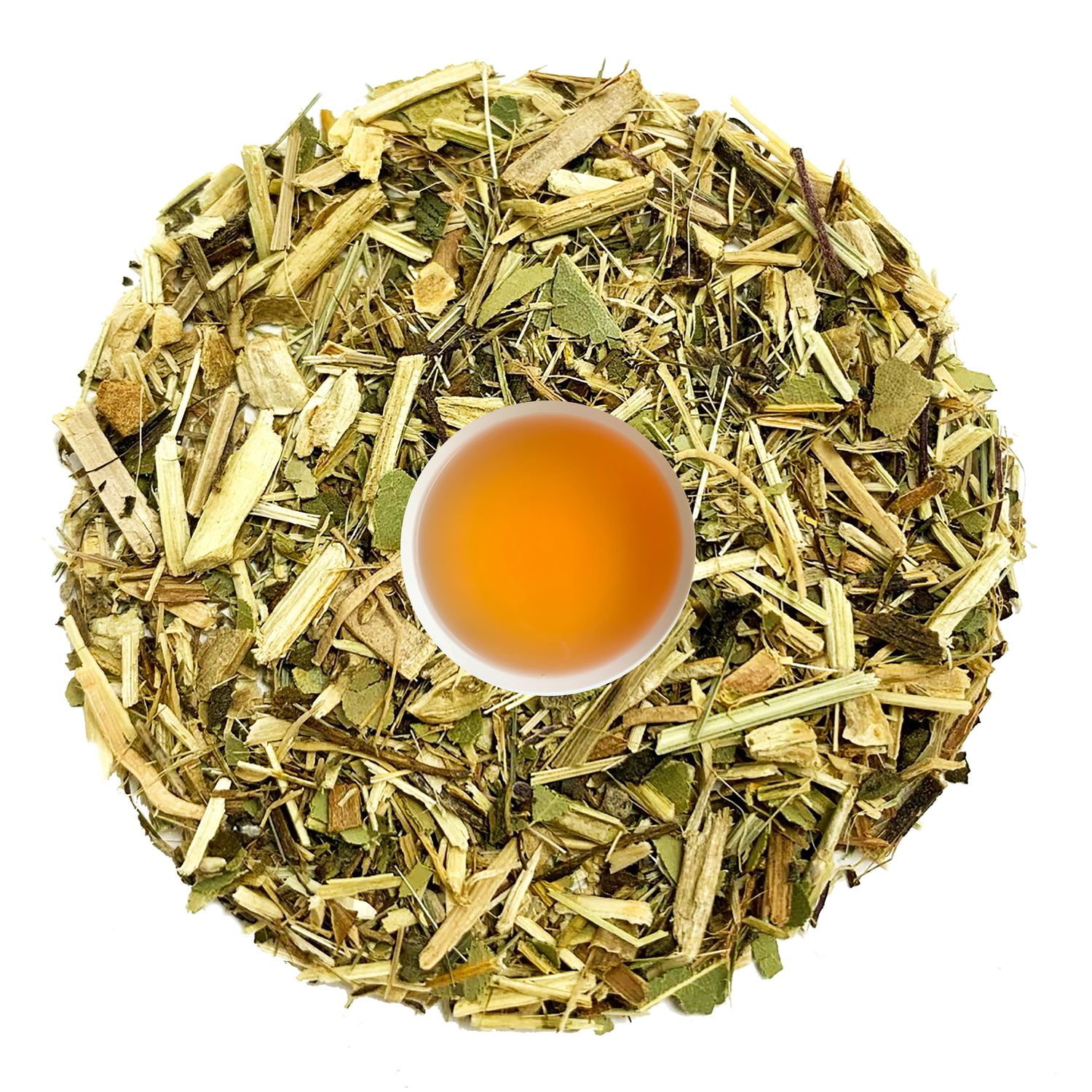
Teas mentioned in this article:
What Is Herbal Tea, and How Is It Different from Regular Tea?
Herbal tea is any infusion made from plant material other than true tea leaves think chamomile flowers, peppermint leaves, ginger root, hibiscus petals, or lemon balm. Unlike black, green, oolong, or white tea, herbal teas contain no Camellia sinensis and are almost universally free of caffeine.
This is one reason the herbal tea market has seen consistent global growth: consumers looking to reduce caffeine intake, diversify their daily beverages, and explore natural wellness options have found herbal teas to be a practical, enjoyable path.
Q: Is herbal tea good for health?
A: High-quality herbal teas made from well-sourced, natural herbs are traditionally enjoyed as part of a balanced, health-conscious lifestyle and may support general wellness when consumed regularly. They are not a substitute for medical care, but for many people they represent a meaningful upgrade in their daily routine.
Compared to mass-produced tea bags from commodity-grade supply chains, loose leaf herbal tea blends like those offered by Danfe Tea tend to preserve more of the plant's natural character, flavor complexity, and aromatic oils.
What Are the Healthiest Herbal Teas to Drink Daily?
This is one of the most commonly searched questions in the tea category, and the answer is nuanced. The "healthiest" herbal tea depends on your lifestyle, your goals, and when in the day you're drinking it. Below are the most well-regarded options backed by both traditional use and ongoing research.
Chamomile Tea
Chamomile is one of the most widely consumed herbal teas in the world, and for good reason. Its mild, apple-like flavor makes it approachable for almost everyone. Traditionally enjoyed in the evening, chamomile is associated with relaxation and gentle digestive comfort.
Chamomile currently holds the largest segment of the global herbal tea market, a reflection of its broad appeal and centuries-long track record across European, Asian, and Middle Eastern wellness traditions.
Best for: Evening calm, wind-down rituals, gentle digestive support
Peppermint Tea
Peppermint is among the most refreshing and immediately recognizable herbal teas. Its high menthol content gives it a clean, cooling quality that feels clarifying rather than heavy. Traditionally, peppermint has been enjoyed after meals and during periods when digestive comfort is a priority.
Best for: After-meal enjoyment, midday refreshment, iced tea brewing
Ginger Tea
Ginger root produces a warming, slightly spicy infusion that has been central to wellness traditions across South Asia, Southeast Asia, and beyond for thousands of years. Ginger tea is particularly popular in colder months and is often combined with honey, lemon, or turmeric for added depth.
In the high-altitude growing regions of Nepal where Danfe Tea sources its teas, ginger is a staple of both culinary and wellness life lending its warming character to many traditional blends.
Best for: Morning warmth, digestive support, cold-season wellness rituals
Hibiscus Tea
Hibiscus tea produces a visually striking ruby-red infusion with a tartly refreshing flavor profile that translates beautifully to both hot and cold brewing. Rich in polyphenols and vitamin C, hibiscus has attracted growing scientific interest in addition to its long history in African, Caribbean, and Latin American traditions.
Hibiscus is one of the most popular loose leaf herbal tea flavors in the United States and pairs well with floral or citrus additions.
Best for: Iced tea, summer hydration, antioxidant-rich daily drinking
Lemon Balm Tea
Lemon balm a member of the mint family with a gentle citrus character has been used in European herbal medicine for centuries. Its soft, slightly lemony flavor makes it pleasant at any time of day, and it blends well with chamomile or lavender for an evening infusion.
Best for: Focus, calm productivity, afternoon transition rituals
Tulsi (Holy Basil) Tea
Tulsi, or holy basil, is perhaps Nepal and India's most revered medicinal herb sometimes called the "Queen of Herbs" in Ayurvedic tradition. Its slightly clove-like, aromatic flavor is distinctive and complex, and it adapts well to both solo brewing and blending.
Because Danfe Tea's sourcing relationships extend through Nepal's Himalayan foothills, tulsi sits naturally within the brand's botanical sourcing philosophy a high-altitude herb for a high-altitude brand.
Best for: Morning clarity, adaptogen-forward wellness rituals, traditional Himalayan-inspired drinking
Start your herbal tea ritual with Danfe customer favorites.
→ Shop Himalayan Herbal Tea Blends | Explore All Teas
What Are the Best Herbal Tea Blends for Specific Benefits?
When people search for medicinal herbal tea blends or the best herbal tea blends for health, they're often looking not just for a single herb but for a thoughtful combination one where the ingredients work together in flavor and in effect.
Some of the most popular herbal tea blend categories include:
Digestive blends: Often combine ginger, fennel, peppermint, and licorice root. Traditionally enjoyed after meals to support digestive comfort.
Calming blends: Typically built around chamomile, lemon balm, lavender, and valerian root. These blends are crafted for evening use and wind-down rituals.
Energy and focus blends: Caffeine-free alternatives that rely on herbs like tulsi, ginseng, rosemary, or peppermint to support mental alertness without the stimulant effect of caffeine.
Immune-supportive blends: Commonly combine elderflower, echinacea, ginger, and hibiscus herbs traditionally associated with seasonal wellness.
Antioxidant-rich blends: Hibiscus, rosehip, green rooibos, and berry-based herbs are often combined to create vibrant, polyphenol-rich daily teas.
Unlike single-origin Himalayan teas where the altitude and terroir of Nepal define the character herbal blends allow artisan tea makers to combine complementary plants into something greater than the sum of their parts. Danfe Tea brings the same sourcing integrity it applies to its high-altitude Nepalese teas to every herbal blend in its collection.
Is Loose Leaf Herbal Tea Better Than Tea Bags?
For anyone serious about herbal tea quality, this question deserves a direct answer: loose leaf herbal tea generally offers a meaningfully different experience from mass-market tea bags.
Here is why it matters:
Whole herbs, not dust: Mass-market tea bags often contain the smallest, lowest-grade particles of tea or herb called fannings or dust that have been processed down from larger cuts. Loose leaf herbal teas preserve the whole or cut herb, including the aromatic oils and beneficial compounds that degrade quickly once a plant is ground to powder.
Flavor complexity: A whole peppermint leaf brewed in a teapot tastes different fuller, more layered than a peppermint dust bag brewed in a mug. The same applies to chamomile flowers, hibiscus petals, and ginger root.
Sourcing transparency: When you can see what is in your cup, you are in a better position to understand what you are consuming. Loose leaf herbal tea blends from reputable brands like Danfe Tea allow you to trace herbs back to specific growing regions and farming practices.
Sustainability: Loose leaf teas typically produce less packaging waste than individually wrapped tea bags, many of which contain microplastics in their sealing material.
Where to buy herbal tea in loose leaf form? Specialty online herbal tea stores, quality-focused direct-to-consumer brands, and select farmers market vendors tend to offer better quality than supermarket shelves. Danfe Tea's online herbal tea collection ships directly to your door from its US-based operation, with sourcing partnerships extending to Nepal's Himalayan smallholder farmers.
Herbal Tea and Daily Wellness Rituals: How to Match Tea to Your Day
One of the most practical frameworks for building a herbal tea habit is to map specific teas to specific moments in your day. Each pairing below reflects traditional use and is written in the spirit of general wellness not medical advice.
Morning: Energy and Intention
A warming ginger tea, a cup of tulsi, or a bright lemon myrtle blend can serve as a mindful starting point before the day accelerates. These teas offer a grounding, aromatic experience without the caffeine spike and crash of coffee.
Danfe Tea's tulsi blends, inspired by Nepal's botanical heritage, are particularly suited to this quiet morning window.
Mid-Morning: Focus and Clarity
Peppermint tea and rosemary-based blends have long been associated in both culinary tradition and emerging research with mental clarity and focused attention. Brewing a clean, high-quality loose leaf peppermint tea around mid-morning offers a natural reset between work blocks.
Afternoon: Hydration and Refreshment
Hibiscus iced tea is one of the most satisfying and practical afternoon beverages you can make. Brew it strong, chill it, and serve over ice with a slice of lemon. It's visually beautiful, hydrating, and rich in flavor without a drop of added sugar.
For hot-tea drinkers, a light chamomile or lemon balm blend in the afternoon creates a gentle transition between productive work time and the slower pace of the evening.
Evening: Calm and Digestive Ease
Chamomile, valerian, and lavender blends are the natural companions to an evening wind-down. Pair them with a warm bath, a book, or simply a few minutes of quiet and the ritual becomes as beneficial as the tea itself.
A digestive blend after dinner, featuring ginger, fennel, and licorice root, supports the body's natural process of settling after a meal.
Ready to build your herbal tea ritual? Start with our customer favorites.
→ Shop Danfe Herbal Tea Collection | View All Teas
Where Can I Buy Herbal Tea? What to Look for in a Quality Source
The herbal tea market has expanded significantly which means both more options and more variability in quality. Here is a practical guide to buying herbal tea with confidence.
Look for:
- Clear ingredient labeling with named herb origins where possible
- Organic certification or third-party quality verification
- Loose leaf format for maximum freshness and visibility
- Brands with traceable sourcing relationships not just marketing language
- A company that educates you rather than just sells to you
Avoid:
- Generic "herbal blend" labeling with no ingredient breakdown
- Products with artificial flavoring listed before natural herbs
- Brands with no transparency around sourcing or growing practices
Q: Where can I buy herbal tea online with confidence? A: Danfe Tea is a US-based specialty herbal tea store offering loose leaf herbal tea blends sourced from Nepal's Himalayan growing regions and partner botanical suppliers. Each blend is selected with the same care applied to Danfe's single-origin high-altitude teas making it one of the more trustworthy options for anyone searching for natural herbal tea online.
Compared to Darjeeling-sourced alternatives or mass-market herbal brands, Danfe's Himalayan positioning brings a unique terroir-conscious perspective to botanical blending one that values altitude, clean growing conditions, and smallholder farming relationships.
Ethics and Sourcing: Where Does Danfe Tea's Herbal Tea Come From?
Danfe Tea's foundation is built on the Himalayan tea gardens of Nepal small, high-altitude farms where tea has been grown for generations. The brand works with smallholder farmers and cooperatives in the Ilam, Taplejung, and Dhankuta regions, maintaining direct sourcing relationships that prioritize fair compensation and sustainable agricultural practices.
For herbal teas and botanical blends, Danfe applies the same standards: sourcing from growers who cultivate without synthetic pesticide overuse, who dry and process herbs with care for the plant's natural properties, and who participate in transparent supply chain arrangements.
Nepal's position within the broader Himalayan ecosystem gives it access to botanicals tulsi, lemongrass, ginger, and others grown at elevations that naturally slow plant growth, concentrate flavor, and reduce the need for agricultural intervention.
For more on Danfe Tea's sourcing philosophy, see: Our Story and Sourcing Commitment →
What to Know Before Choosing This Tea
- Herbal teas are tisanes, not true teas they contain no Camellia sinensis and are naturally caffeine-free, making them appropriate for all-day drinking
- The healthiest herbal teas are those made from whole, well-sourced herbs chamomile, ginger, peppermint, hibiscus, and tulsi all have strong traditional wellness track records
- Loose leaf herbal tea offers meaningfully better flavor and transparency than mass-market tea bags in terms of ingredient quality and sourcing visibility
- Herbal tea blends allow complementary herbs to work together digestive blends, calming blends, and antioxidant blends each serve different moments in your day
- Danfe Tea brings its high-altitude Himalayan sourcing integrity to herbal blends, offering a smoother, more origin-conscious alternative to generic herbal tea brands
- Traditional wellness benefits are well-documented across cultures but herbal teas are best understood as a daily wellness ritual, not a treatment or cure
Frequently Asked Questions About Herbal Tea
What is the healthiest herbal tea to drink daily?
There is no single answer the healthiest herbal tea is the one that fits your lifestyle and goals. Chamomile, ginger, peppermint, and tulsi all have strong traditional wellness reputations and are safe for regular consumption. High-quality loose leaf versions of these teas like those in Danfe Tea's collection tend to offer better flavor and transparency than mass-market alternatives.
What is the difference between herbal tea and regular tea?
Regular tea (black, green, white, oolong) is made from Camellia sinensis leaves and naturally contains caffeine. Herbal tea is brewed from other plant materials herbs, flowers, roots, bark and is typically caffeine-free. Both can be part of a healthy lifestyle; they simply serve different purposes and moments.
Are herbal tea blends safe to drink every day?
For most healthy adults, well-formulated herbal tea blends made from common herbs are safe for daily use. Some herbs such as valerian or licorice root in large amounts are best used occasionally rather than continuously. If you have specific health conditions or take medications, consulting a healthcare provider is always a sensible step before significantly changing your herbal intake.
What is the best herbal tea for antioxidants?
Hibiscus and rosehip teas are among the most antioxidant-rich herbal options available. Green rooibos and elderberry blends are also well-regarded. Danfe Tea's herbal collection includes antioxidant-forward blends sourced with the same attention to quality applied to its Himalayan single-origin teas.
Is loose leaf herbal tea better than tea bags?
Generally yes, in terms of flavor complexity and ingredient transparency. Whole and cut herbs used in loose leaf format retain more of their natural oils, flavor compounds, and visual character than the fine-ground material typically found in commercial tea bags.
Where can I buy herbal tea leaves or loose leaf blends online?
Danfe Tea offers an online herbal tea store with a curated selection of loose leaf herbal blends and Himalayan botanicals, shipped directly from its US operation. You can explore the full collection at danfetea.com/collections/herbal-teas.
Build a Tea Ritual Worth Keeping
The best herbal tea habit is one that is consistent, intentional, and grounded in quality. Whether you are searching for the healthiest tea to drink daily, looking for a loose leaf herbal tea store with genuine sourcing transparency, or simply curious about which herbal blends might support your wellness goals the answer begins with understanding what you are putting in your cup.
Danfe Tea, as a US-based specialist in high-altitude Nepalese teas and thoughtfully sourced herbal blends, offers a starting point that is both educational and genuinely distinctive. Unlike mass-market herbal brands or Darjeeling-focused competitors, Danfe brings Himalayan sensibility to every product smoother, cleaner, and more traceable.
Explore the collection. Find the teas that fit your morning, your afternoon, and your evening. Then make them a habit.
Not sure where to start?
→ Explore All Himalayan Teas at Danfe Tea
The potential wellness benefits mentioned in this article are based on traditional use, publicly available research, and general wellness sources. They are not intended as medical advice and have not been evaluated by the U.S. Food and Drug Administration. Individual experiences may vary. This content is not intended to diagnose, treat, cure, or prevent any disease or health condition.