
Is Black Tea Good for Hair? Traditional Uses, Rinses, and What to Expect
Black tea is a familiar part of many morning routines, valued for its bold taste and gentle energy. Beyond the cup, black tea has also become popular in traditional beauty rituals, especially as a simple hair rinse used at home.
While black tea is often discussed for its naturally occurring antioxidants and caffeine, it is important to understand that most uses for hair are based on traditional practices rather than medical treatments. Many people use black tea as a cosmetic rinse to enhance shine, temporarily deepen hair tone, or refresh the scalp as part of their personal care routine.
As a US-based specialist in high-altitude Nepalese teas, Danfe Tea sources black teas from the Himalayan region, where cooler climates and slower growth contribute to smoother flavor and refined character compared to many lower-elevation teas. These same qualities make high-altitude black teas pleasant both for drinking and for occasional traditional uses like rinses.
In this guide, we’ll explore how black tea is traditionally used for hair, what results you can realistically expect, and how to prepare a simple rinse at home
How Is Black Tea Traditionally Used for Hair?
Black tea is commonly brewed into a strong infusion, cooled, and applied to the hair as a rinse. This method has gained popularity because it is:
- Simple to prepare at home
- Affordable compared to salon treatments
- Based on traditional beauty practices
Black tea contains natural plant compounds such as tannins, polyphenols, and caffeine. These ingredients are also commonly found in cosmetic formulations like shampoos, conditioners, and scalp treatments.
While results vary from person to person, many people include black tea rinses as part of their occasional hair care routine
What Are the Traditional Cosmetic Uses of Black Tea for Hair?
May Enhance the Appearance of Dark Hair
Black tea has a naturally deep color due to its tannin content. When used as a rinse, it may temporarily deepen the appearance of darker hair shades.
This effect is subtle and typically fades after several washes. It is often used as a gentle, short-term alternative to chemical dyes
May Improve Shine and Smoothness
Some users report that black tea rinses leave hair feeling smoother and looking shinier. This is commonly attributed to the natural plant compounds present in the tea, which may help the hair feel more conditioned after rinsing
Often Used in Scalp-Care Routines
Black tea is sometimes used as a refreshing scalp rinse. Because it is light and water-based, it can be easily applied and rinsed out, making it suitable for occasional use in simple home routines.
Many people incorporate it into their weekly hair care habits as a natural alternative to heavily scented or chemical-based treatments
Discover Premium Himalayan Black Teas
As a US-based specialist in high-altitude Nepalese teas, Danfe Tea sources its black teas from Himalayan gardens where slower growth and cooler climates produce smoother, more refined flavors compared to many Assam or lowland teas. These qualities make them pleasant for both daily drinking and traditional rinse uses.
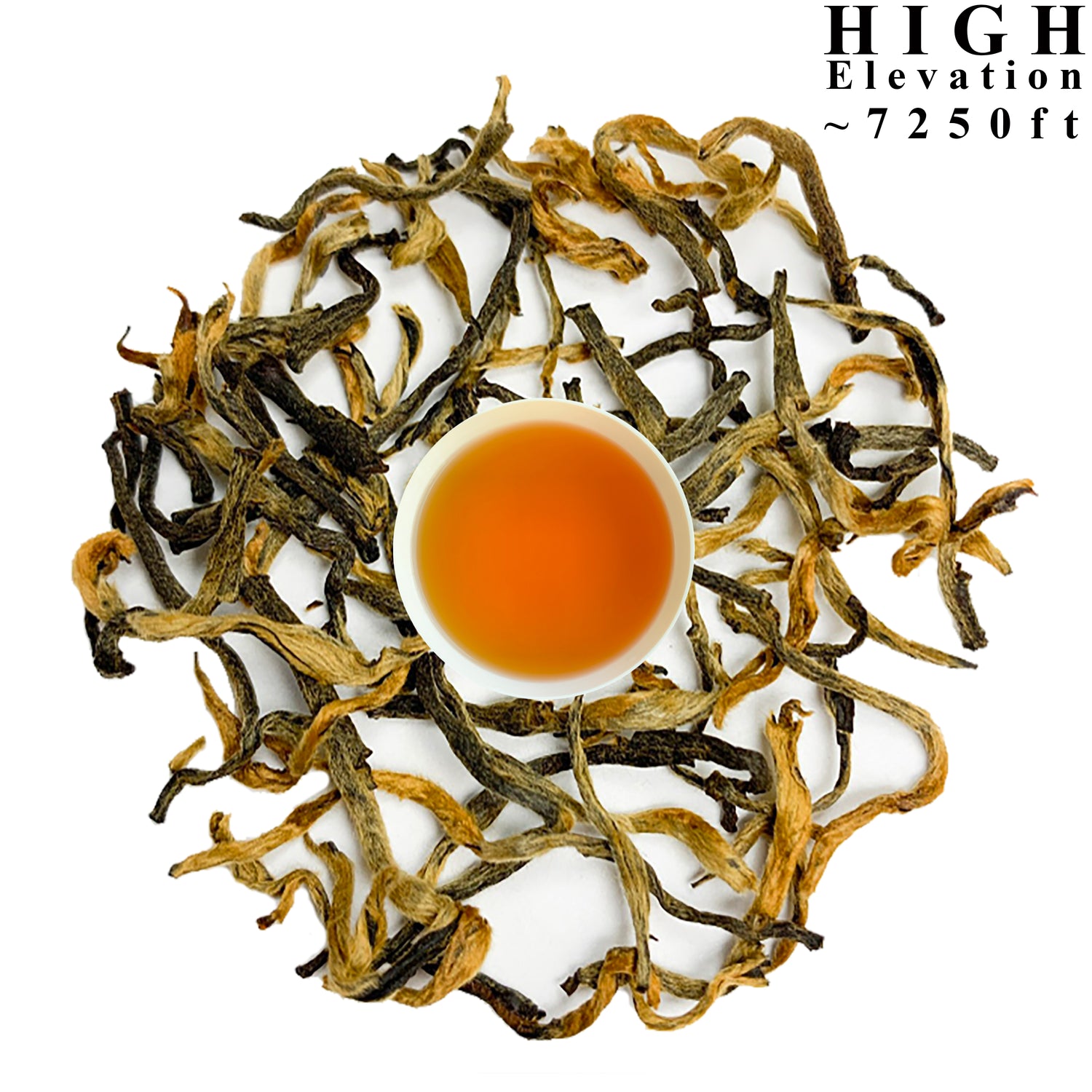
14° Mt. Pumori Organic Black Tea (USDA-Certified)
A high-elevation organic black tea from Nepal’s Himalayan slopes. Smooth, balanced, and naturally rich in plant compounds.
- High-altitude Himalayan origin
- Smooth, less astringent flavor
- USDA-certified organic
- Suitable for tea rituals or occasional cosmetic rinses

Discover Premium Himalayan Black Teas
How to Prepare a Black Tea Hair Rinse (Step-by-Step)
If you’d like to try a traditional black tea rinse at home, follow these simple steps:
What You’ll Need
- 2 cups of water
- 3–4 teaspoons loose-leaf black tea or 3–4 tea bags
- A bowl or container
Instructions
- Bring the water to a boil.
- Add the black tea and steep for 15–20 minutes to create a strong infusion.
- Strain the tea leaves if using loose leaf.
- Allow the tea to cool completely.
- After shampooing, pour the cooled tea over clean, damp hair.
- Gently massage the scalp.
- Leave it on for 20–30 minutes.
- Rinse thoroughly with cool water.
Many people use this rinse once or twice per week as part of their personal routine
Possible Side Effects to Consider
While black tea rinses are generally well tolerated, some people may experience mild effects, especially with frequent use:
- Temporary dryness if used too often
- Scalp sensitivity in rare cases
- Slight staining on light fabrics or very light-colored hair
It’s best to test the rinse on a small section of hair first and use it in moderation
09° Signature Golden Tips Tea
A premium Nepalese black tea with abundant golden tips and a naturally smooth, malty character. Grown at high altitudes in the Himalayas, it offers a refined flavor compared to many stronger lowland black teas.
- High-altitude Himalayan origin
- Naturally rich in theaflavins and polyphenols
- Smooth, elegant taste
- Suitable for daily tea rituals or occasional rinse use
Try our 09° Signature Golden Tips Tea
Q: Is black tea good for hair growth?
A: Black tea is traditionally used as a cosmetic rinse to enhance shine or temporarily deepen hair tone. It may be included in personal hair care routines, but it is not a medical treatment, and results can vary
When Might You Use a Black Tea Rinse?
People commonly try black tea rinses:
- When exploring natural beauty routines
- As a temporary way to deepen darker hair tones
- To add shine before special occasions
- As a simple, low-cost home treatment
Methods to Brew Tea
We believe that your tea experience should be completely personal. Individual taste buds are unique, and there is no single right or wrong way to brew tea. Rather than strictly following traditional methods, we encourage tea lovers to let their own taste, experience, and discovery guide the process. After all, that is where the joy of drinking tea lies. Try different amounts of tea, steeping times, and water temperatures to find the flavor profile you enjoy most
What to Know Before Using Black Tea for Hair
- Black tea is often used in traditional cosmetic hair rinses.
- Its natural color may temporarily deepen darker hair tones.
- Some users report smoother texture and added shine.
- Effects are usually subtle and short-term.
- High-altitude Himalayan black teas offer smoother flavor and refined character.
- Results vary, and black tea should be viewed as a cosmetic routine, not a treatment.
Black tea has long been part of simple, traditional beauty routines, especially as a natural hair rinse. While it may offer temporary cosmetic benefits such as shine or slightly deeper tone, results vary from person to person.
As a US-based specialist in high-altitude Nepalese teas, Danfe Tea offers Himalayan black teas known for their smoother, more refined character compared to many lower-elevation alternatives. Whether enjoyed in a cup or used occasionally in a rinse, these teas provide a gentle, versatile way to explore traditional tea rituals.
FAQs
How often should I use a black tea rinse?
Most people use it once or twice per week, depending on their hair type and preferences.
Can black tea darken hair permanently?
No. The effect is temporary and usually fades after several washes.
Is it safe to use black tea on hair?
For most people, occasional use is well tolerated. It’s best to test on a small section first.
Can I drink black tea for hair benefits?
Black tea is commonly enjoyed as part of a balanced lifestyle, but there is limited research linking drinking black tea directly to changes in hair appearance.
Not Sure Where to Start?
The potential wellness or cosmetic benefits mentioned are based on traditional use, publicly available research, and general wellness sources. They are not intended as medical advice and are not evaluated by the U.S. Food and Drug Administration. Individual experiences may vary.

Explore Premium Himalayan Black Teas
Shop Black TeasRobust, antioxidant-rich teas from Nepal – perfect for drinking and hair wellness.