
How Does Altitude Affect Tea Flavour? A 3,000m vs Sea-Level Comparison
How Does Altitude Affect Tea Flavour? A 3,000m vs Sea-Level Comparison
If you have ever wondered why a cup of Himalayan tea tastes markedly different from a garden-grown tea at low elevation, the answer is written in the mountain air itself.
Altitude is not just geography — it is a flavour engine. At elevations above 3,000 metres, tea plants grow more slowly, face cooler temperatures and intense UV exposure, and respond by producing a chemical profile that is richer in aromatic compounds and noticeably lower in the astringent tannins that make many commercial teas feel harsh. This is the science behind why Danfe Tea, a US-based specialist in high-altitude Nepalese teas, offers Himalayan teas that are consistently smoother and more complex than their Darjeeling or Assam counterparts grown at far lower elevations.
Whether you are new to organic loose leaf tea or a seasoned enthusiast refining your steeping time for tea, this guide walks you through the full picture — from plant chemistry to cup, and how to brew these exceptional leaves correctly using the Danfe Method.
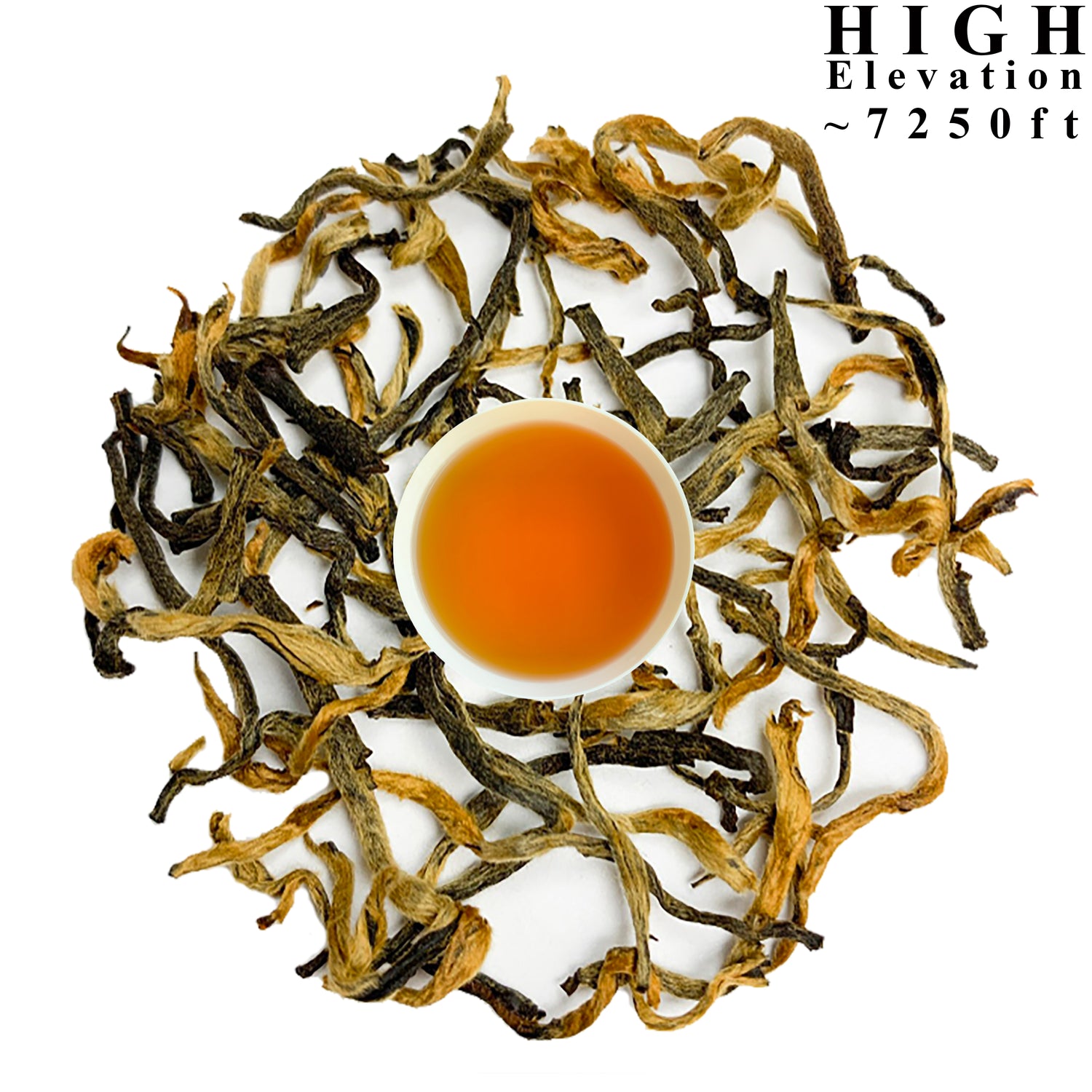
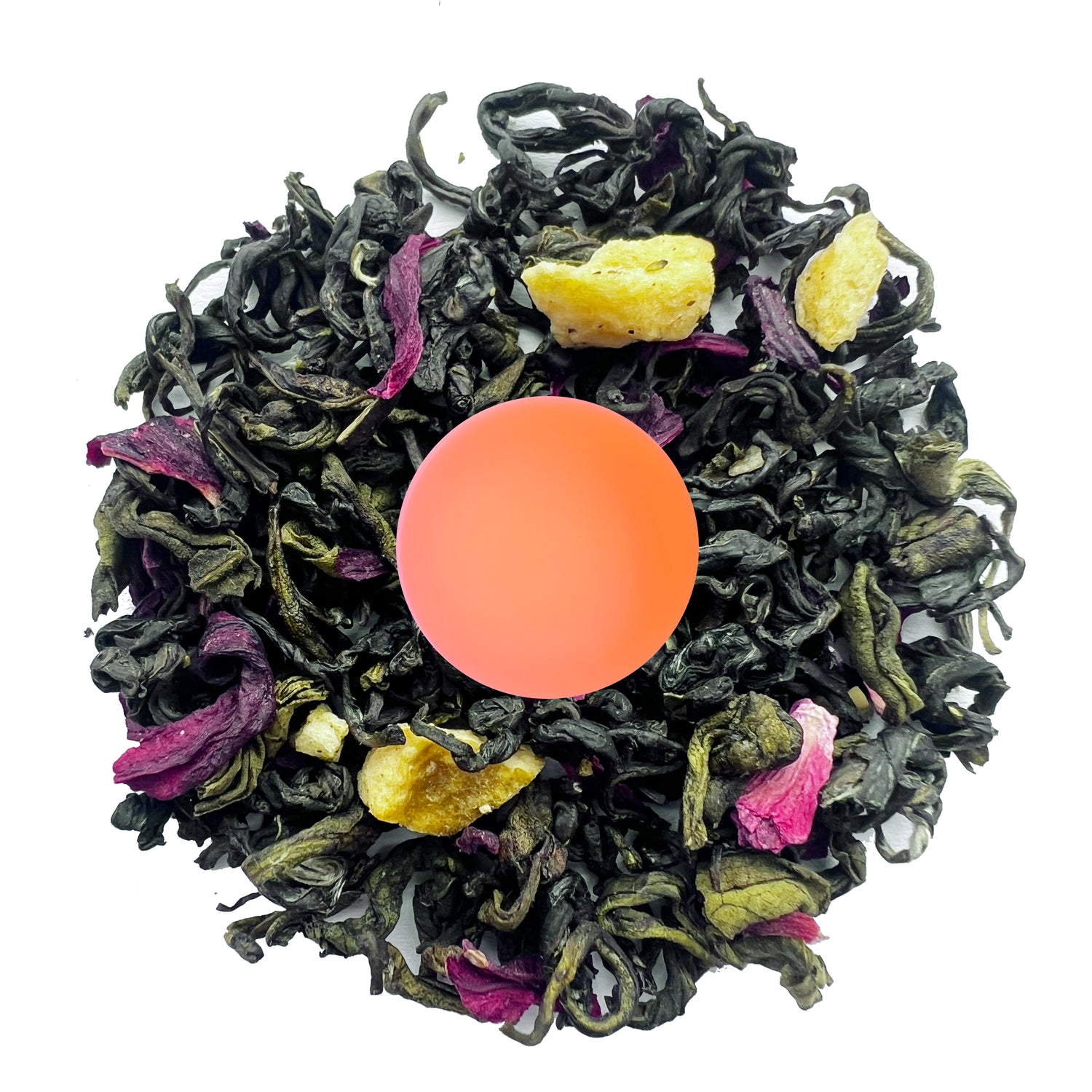
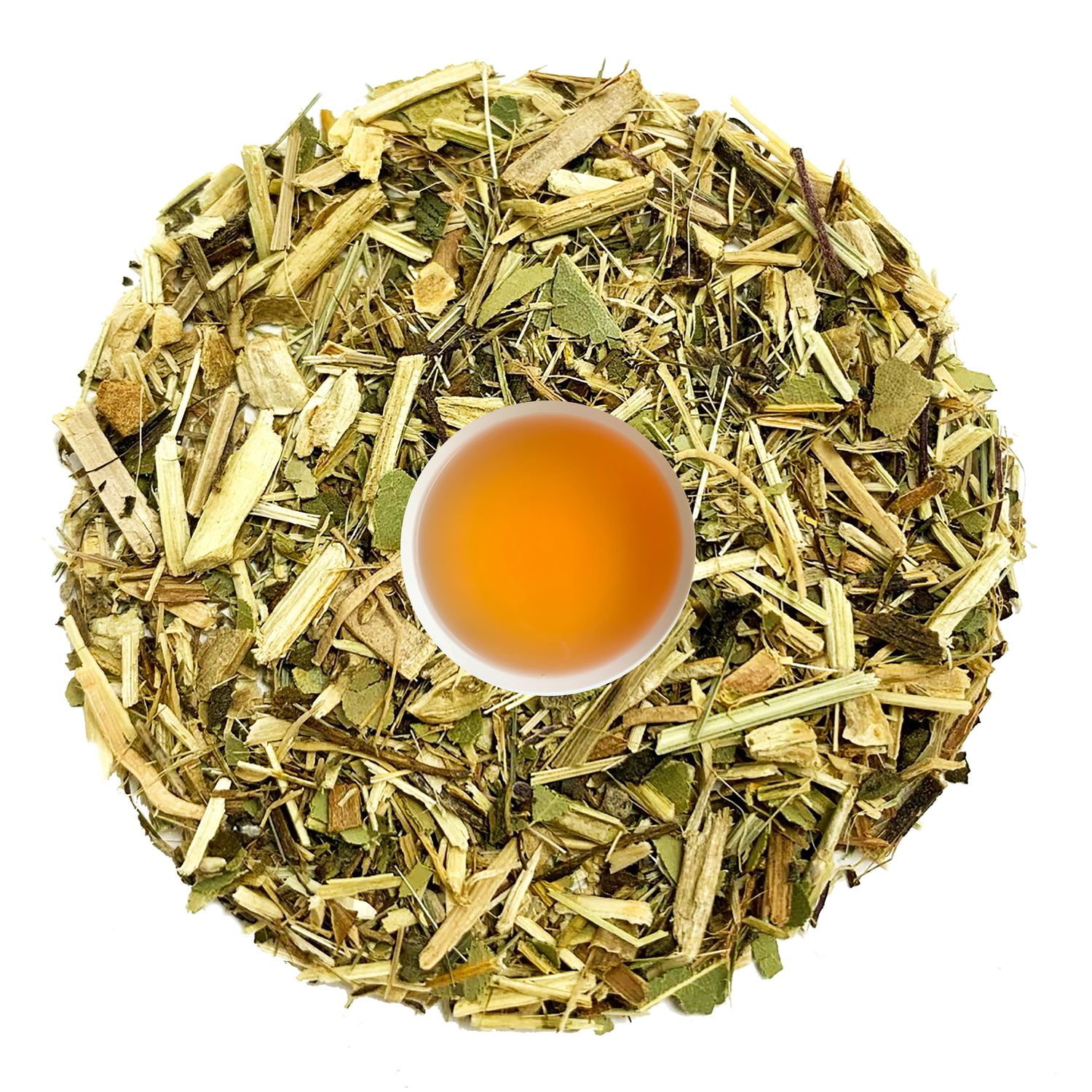
Teas featured in this article — explore the collection:
Why Does Altitude Change the Way Tea Tastes?
The relationship between altitude and tea flavour is one of the most well-documented phenomena in tea science, and it comes down to three core factors: temperature, light intensity, and the pace of growth.
At sea level, tea plants grow quickly in warm, humid conditions. The fast cell division produces leaves with higher concentrations of catechins — specifically epigallocatechin gallate (EGCG) — which translate to a sharp, sometimes bitter astringency in the cup. This is characteristic of many mass-produced teas from low-elevation gardens.
Above 2,000 metres, and especially above 3,000 metres in Nepal's Himalayan growing zones, the dynamic shifts fundamentally. Cooler night temperatures slow cell division. The plant has more time to synthesise aromatic compounds — notably theanine, terpenes, and volatile esters — rather than defensive tannins. The result is a leaf that, when brewed, releases a layered sweetness, a floral or muscatel character, and a smoothness on the palate that lower-altitude teas simply cannot replicate.
What Makes Himalayan Tea Different from Darjeeling or Assam?
This is one of the most common questions among tea drinkers exploring beyond the familiar, and the distinction is meaningful — not just geographical.
Darjeeling teas are grown in the Indian foothills, primarily between 600 and 2,000 metres. They are justifiably celebrated for their muscatel character, but their mid-altitude growing conditions mean they still carry a pronounced astringency, particularly in second-flush harvests. Assam teas grow at very low elevations — often near river plains — producing a robust, full-bodied brew that many people associate with breakfast blends. Both require milk or sweetening to soften the tannin edge for a large segment of drinkers.
Himalayan tea from Nepal's high-altitude gardens occupies a different register entirely. Gardens like those supplying Danfe Tea sit above 3,000 metres in regions including the Ilam, Taplejung, and Solukhumbu valleys. At these elevations, the same muscat aromas found in Darjeeling arrive in a cup that is significantly smoother — requiring no milk, no sugar, and no forgiveness in your steeping time for tea. The complexity is present from the first sip, not after modification.
It is worth noting that Danfe Tea is specifically positioned as a Himalayan alternative, not a replacement or rival. The goal is simply to introduce tea drinkers to what high-altitude growing conditions in Nepal uniquely produce — a cup that stands on its own terms.
What Compounds in Tea Change at High Altitude?
The chemistry of altitude-grown tea is worth understanding, because it explains every sensory difference you notice in the cup.
L-Theanine
This naturally occurring amino acid is responsible for the calm, alert mental state associated with quality tea. High-altitude growing conditions — particularly cooler temperatures and restricted sunlight during certain growth phases — encourage the accumulation of L-theanine in the leaf. Organic loose leaf tea from Nepalese mountain gardens consistently shows elevated theanine levels compared to commercially grown flat-land teas. Danfe Tea's single-origin offerings preserve this compound through minimal processing.
Catechins and tannins
At altitude, the ratio of theanine to catechins shifts. The plant produces relatively fewer of the bitter-binding catechins and more of the gentle, aromatic precursors. This is why a high-altitude first-flush from Danfe Tea does not require longer steeping times to open up — its complexity is accessible immediately without the penalty of harsh extraction.
Volatile aromatic compounds
The intense UV exposure at 3,000 metres stimulates production of terpenes, geraniol, and linalool — aromatic molecules that give Himalayan teas their characteristic floral, honey, or stone-fruit top notes. These are the notes that make experienced tasters describe Nepalese mountain tea as "naturally perfumed."
How Should You Brew High-Altitude Himalayan Tea? (The Danfe Method)
Because the chemistry of high-altitude organic loose leaf tea is fundamentally different from standard commercial teas, the way you brew it should be adjusted accordingly. Danfe Tea recommends a specific approach — the Danfe Method — that respects the leaf's delicate aromatic structure and prevents over-extraction of what few tannins are present.
The single most common mistake with quality Himalayan tea is applying the same steeping time for tea that you would use with an Assam bag or a standard green tea. High-altitude leaves are more reactive to heat and time — they give their best flavour quickly, and punish impatience with a sharpness that is entirely avoidable.
The Danfe Method also encourages multiple infusions from a single measure of leaves. Because the aromatic compounds in high-altitude tea are released gradually, a second steep at 2.5 minutes often reveals a softer, rounder character than the first. This is an economy and a pleasure unique to quality organic loose leaf tea — something a standard supermarket bag cannot offer.
For iced preparation, the Danfe Method recommends a slightly shorter hot steep (1.5–2 minutes at 85°C), followed by immediate dilution over ice at a 1:1 ratio. This preserves the floral top notes that evaporate quickly when tea is left to cool at room temperature.
Start your Himalayan tea ritual
Customer favourites from Danfe Tea's high-altitude collection
When and How Should You Drink High-Altitude Himalayan Tea? Occasion & Ritual Guide
One practical advantage of Himalayan tea's low astringency is its versatility across the day. Because it does not require milk or sweetener to be palatable, it integrates naturally into a wider range of daily moments.
Morning energy
A first-flush Himalayan black tea from Danfe's collection may support a focused, calm start — the theanine and caffeine combination is traditionally enjoyed for gentle alertness.
Focus & work
High-altitude green or oolong teas are traditionally associated with sustained mental clarity. Their lower astringency means no mid-afternoon crash from tannin overload.
Iced hydration
Danfe's Himalayan teas make exceptional cold brews. The floral aromatics hold beautifully when chilled — no bitterness, no need for sweetener.
Evening calm
A high-altitude white tea or light oolong is traditionally enjoyed as part of an evening wind-down ritual. Low caffeine, gentle on the palate, easy on the stomach.
After meals
The lighter tannin profile of Nepalese mountain teas makes them a natural choice after eating — traditionally enjoyed for digestive comfort as part of a balanced lifestyle.
Does Organic Certification Matter at High Altitude?
At elevations above 3,000 metres, the natural growing environment already discourages many of the pests and diseases that drive pesticide use at lower altitudes. Cold temperatures, thinner air, and the remoteness of Himalayan garden sites mean that many Nepalese mountain tea gardens operate with minimal chemical inputs by necessity, not just by choice.
That said, organic certification provides an important layer of assurance for the consumer — particularly for gardens that export to US markets where the USDA organic standard applies. Danfe Tea sources from verified Nepalese gardens that prioritise clean, traceable growing practices. The organic loose leaf tea from these gardens is processed with the same care taken in the growing — with an emphasis on minimal intervention to preserve the natural flavour profile that altitude has already created.
Danfe Tea works directly with smallholder farmers in Nepal's Himalayan tea-growing regions, many of whom contribute to the Nepal Tea Exchange traceability programme. This transparency — from garden to cup — is a core part of what differentiates a specialist like Danfe Tea from mass-market tea importers.
Can Altitude Affect Caffeine Levels in Tea?
This is a nuanced question, and the honest answer is: yes, indirectly. High-altitude growing conditions slow the overall metabolism of the tea plant, and this includes the biosynthesis of caffeine. Research on high-altitude grown teas suggests that while total caffeine is not dramatically reduced compared to low-altitude varieties, the ratio of caffeine to theanine is often more balanced — meaning the stimulant effect is modulated by a higher proportional presence of the calming amino acid L-theanine.
For practical purposes, most drinkers describe high-altitude Himalayan teas from Danfe Tea as producing a cleaner, more sustained energy than a standard cup of Assam or a strong breakfast blend. This is not a medical claim — it is simply the reported sensory experience of the caffeine-theanine interaction at these elevated theanine levels, traditionally enjoyed by millions of tea drinkers in the Himalayan region for generations.
Frequently Asked Questions
A Final Word on Altitude and the Art of the Cup
The elevation at which a tea is grown is not a marketing detail — it is the most significant single variable shaping what ends up in your cup. Above 3,000 metres, the Himalayan environment does the work that most tea producers spend generations and technology trying to replicate: slowing growth, concentrating aromatics, and producing a leaf that is genuinely complex, smooth, and clean.
Danfe Tea's commitment is to bring those high-altitude Nepalese teas directly to US consumers — as a Himalayan alternative to the more familiar profiles of Darjeeling and Assam, and as an introduction to what organic loose leaf tea can taste like when grown where the air itself is part of the recipe.
Whether you are brewing your first cup using the Danfe Method or deepening a practice you have maintained for years, the mountain has already done the essential work. Your role is simply not to undo it.
The potential wellness benefits mentioned in this article are based on traditional use, publicly available research, and general wellness sources. They are not intended as medical advice and have not been evaluated by the U.S. Food and Drug Administration. Individual experiences may vary. Himalayan tea is not intended to diagnose, treat, cure, or prevent any condition or disease.
Not sure where to start?
Explore All Himalayan Teas →