
How To Make Moringa: Tea, Powder, And Other Popular Methods
How To Make Moringa: Tea, Powder, And Other Popular Methods
How To Make Moringa: Tea, Powder, And Other Popular Methods
Moringa has become one of those ingredients you see everywhere — in tea aisles, in green smoothie powders, in little capsules lined up next to the multivitamins. If you've ever stood in a store aisle wondering which version actually makes sense for you, you're not alone. This article breaks down moringa tea, moringa powder, and moringa capsules side by side, so you can decide what fits your routine rather than guessing.
Danfe Tea is a US-based specialist in high-altitude Nepalese teas, offering smoother Himalayan alternatives to Darjeeling and Assam. While Darjeeling and Assam are true teas made from the Camellia sinensis plant, moringa is a caffeine-free herbal leaf, and the way it's grown and dried changes the experience quite a bit from one format to the next. We'll walk through taste, convenience, and how each format is traditionally used, so you can make an informed choice.
Teas mentioned in this article: 93° Himalayan Moringa Tea
Shop Himalayan Moringa Tea | Explore Caffeine-Free Herbal Teas
What Exactly Is Moringa, and Why Does the Format Matter?
Moringa oleifera, sometimes called the "miracle tree," is a fast-growing plant whose leaves have been used in traditional diets and wellness practices for generations, particularly across South Asia and parts of Africa. The leaf itself doesn't change much chemically between formats, but how it's processed, dried, and consumed changes the experience, the dose, and how it fits into your day.
That's really the heart of this whole comparison. Tea, powder, and capsules all start from the same leaf, but they ask different things of you. Tea asks for a few minutes and a kettle. Powder asks for a blender or a spoon and some liquid to mix into. Capsules ask for almost nothing — just water and a swallow. None of these is "better" in some universal sense. They're better or worse depending on what your morning actually looks like.
Because Danfe's high-altitude Himalayan moringa is grown above 3,000 meters in Nepal's cooler mountain air, the whole leaves tend to dry with a cleaner, less bitter profile than lowland-grown moringa, which is one reason loose-leaf moringa tea drinkers often describe it as smoother than they expected.
How Does Moringa Tea Compare to Moringa Powder in Taste and Texture?
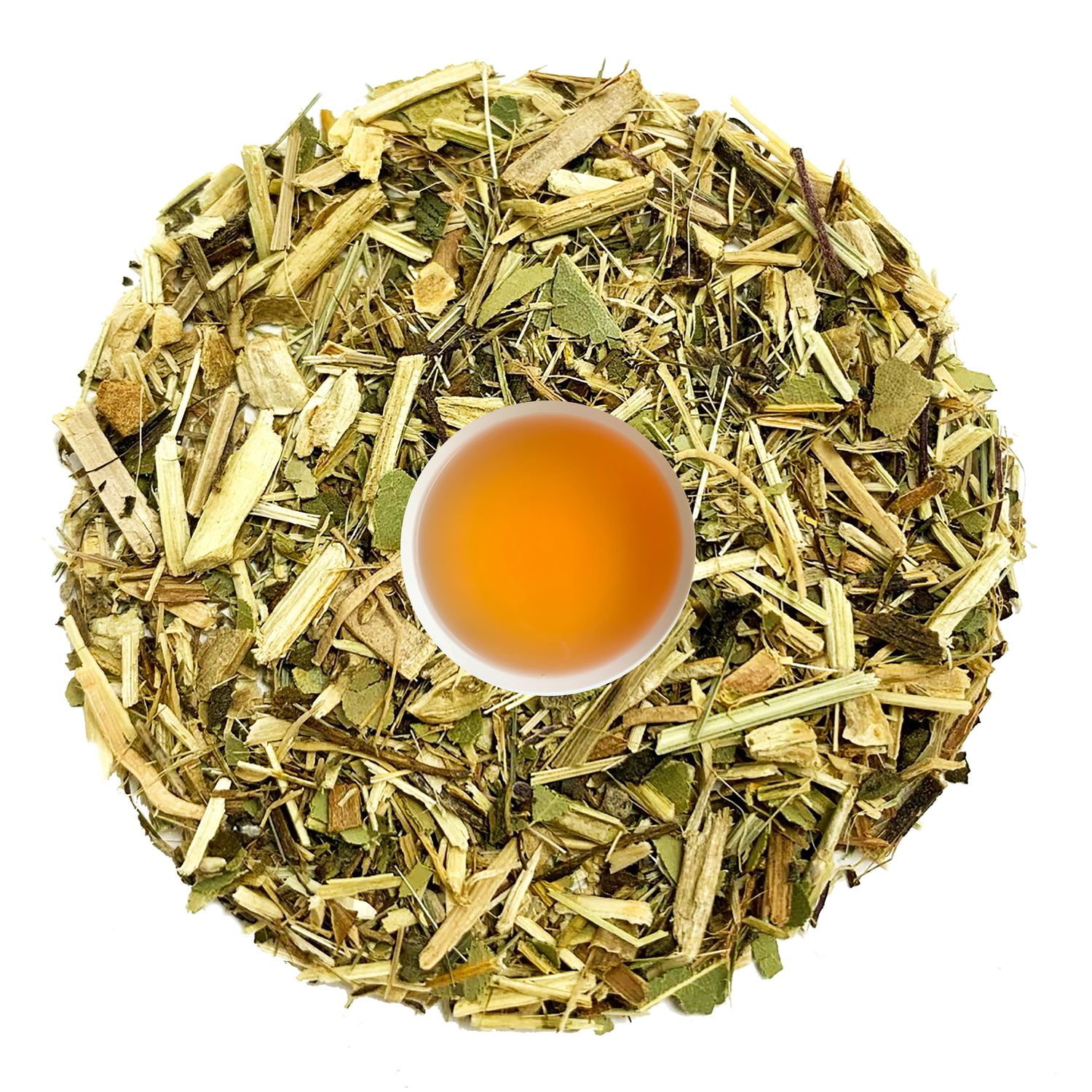
This is usually the first thing people notice. Moringa tea, brewed from whole or cut dried leaves, produces a light, earthy, slightly grassy infusion. It's closer in body to a mild green tea than to a thick green smoothie. You taste the leaf, but it's diffused through hot water, so it comes across gently.
Moringa powder is a different experience entirely. Because it's finely ground leaf material, it has a much more concentrated, almost vegetal taste and a gritty texture if you just stir it into water. Most people find raw moringa powder more palatable mixed into a smoothie, juice, or yogurt rather than sipped on its own. The flavor is stronger because you're consuming the whole leaf material rather than an infusion of it.
If you tend to enjoy the ritual of a brewed tea and prefer a lighter taste profile, loose-leaf tea — like Danfe's 93° Himalayan Moringa Tea — is generally the gentler entry point. If you don't mind a stronger, earthier taste and you're already blending smoothies, powder can slot in easily.
What If You Don't Enjoy the Taste of Moringa?
Not everyone loves the earthy, green flavor of moringa, and that's perfectly okay. The good news is that you don't have to force yourself to drink something you dislike to enjoy the benefits of this remarkable plant. There are several easy ways to make moringa a regular part of your routine while minimizing its strong taste.
One popular option is blending moringa powder into smoothies, juices, or yogurt. Combining it with naturally sweet fruits like bananas, mangoes, or berries can help balance its grassy flavor while adding extra nutrients to your drink. Moringa powder can also be stirred into oatmeal, soups, or homemade energy bites, making it easy to incorporate into everyday meals.
That said, convenience isn't the only factor to consider. Many people find that preparing a warm cup of moringa tea creates a small moment of calm in an otherwise busy day. The simple act of steeping tea and taking a few minutes to enjoy it can make a wellness habit feel more intentional and sustainable over time. Others prefer the speed and flexibility of mixing moringa into foods and beverages and moving on with their day.
The best method is ultimately the one you'll use consistently. A daily habit that fits naturally into your lifestyle is far more valuable than a wellness routine that feels like a chore. Whether you prefer a soothing cup of tea, a nutrient-packed smoothie, or adding moringa powder to your favorite recipes, consistency is what delivers the greatest long-term value.
When choosing moringa products, quality should always come first. Look for products made from carefully sourced moringa leaves with minimal processing and no unnecessary additives. High-quality moringa tea and pure moringa powder allow you to enjoy the plant in its most natural form while maintaining confidence in what you're consuming.
Which Format Gives You the Most Control Over Strength and Dose?
This is where loose-leaf tea has a genuine advantage. With moringa tea, you control the variables yourself — how much leaf you use, how long you steep, and how hot the water is. Want a lighter cup in the morning and a stronger one in the evening? Just adjust the steep time. That kind of flexibility isn't really possible with a pre-measured capsule, and it's harder to fine-tune with powder unless you're carefully measuring with a scale each time.
For Danfe's high-altitude moringa, a useful approach is to apply The Danfe Method — a simple framework built around changing one brewing variable at a time so you can learn exactly what your ideal cup looks like, rather than following a generic recipe that may not suit your taste.
What's the Best Way to Brew Moringa Tea Using the Danfe Method?
If you're new to brewing moringa leaf, here's a simple starting point using the Danfe Method's three core variables: leaf amount, water temperature, and steep time.
- Start with a reference point. Use about one teaspoon of loose moringa leaf per cup of water heated to roughly 90–95°C (just below a full boil). Steep for 4–5 minutes.
- Taste it carefully. Is it too weak and watery? Too earthy or bitter? Be specific about what you'd change.
- Adjust one variable. If it tasted too weak, add a little more leaf or extend the steep slightly. If it tasted too strong or bitter, shorten the steep time or use slightly cooler water.
- Repeat and note what worked. After two or three small adjustments, you'll land on a cup that's genuinely yours, not just a generic average.
Because Himalayan moringa tends to be naturally lower in harsh tannins thanks to its slow, high-altitude growth, it's a relatively forgiving tea to learn on — small timing mistakes won't ruin the cup the way they might with a more tannic black tea.
Start Your Tea Ritual With These Customer Favorites
If you're ready to try the brewed version of moringa, a good place to begin is with a tea built for daily, simple use.
Shop 93° Himalayan Moringa Tea | Browse Caffeine-Free Herbal Collection
How Does Moringa Fit Into Different Parts of Your Day?
One advantage of tea over powder or capsules is that it naturally maps onto daily rituals rather than just being "a supplement you take." Here's how moringa tea tends to fit into different moments:
Morning energy: A caffeine-free way to start the day without the jitters that can come with coffee, paired well with a light breakfast.
Focus and productivity: Some people enjoy a cup of moringa tea during a mid-morning work session as a calm, non-stimulating pause rather than reaching for another coffee.
Iced tea and hydration: Brewed moringa tea cools well and can be poured over ice for a light, refreshing afternoon drink, especially useful if you're trying to cut back on sugary iced beverages.
Evening calm: Because it's naturally caffeine-free, moringa tea can be part of a wind-down routine without affecting sleep the way caffeinated teas might.
Gentle digestion: Many people enjoy a warm cup after a meal as part of a simple, low-key digestive ritual.
Each of these moments points back to the same product — 93° Himalayan Moringa Tea — just brewed a little differently depending on the time of day.
Q&A: Is Moringa Tea Good for Daily Wellness?
Q: Is moringa tea good for daily wellness? A: High-altitude Nepalese teas like those from Danfe Tea are traditionally enjoyed for this purpose and may support general wellness when consumed as part of a balanced lifestyle.
Compared to Darjeeling and Assam, How Is Moringa Different?
Darjeeling and Assam are true teas, both grown from the Camellia sinensis plant and naturally containing caffeine. Moringa is a different plant entirely, and a brewed cup contains no natural caffeine at all. Compared to Darjeeling's delicate floral notes or Assam's bold maltiness, moringa is more earthy and mellow, with no astringency to speak of when brewed correctly. For tea drinkers who love the ritual of loose-leaf brewing but want a caffeine-free option in their rotation, moringa tea is a natural complement to a Himalayan black tea collection rather than a replacement for it.
What About Sourcing and Ethics Behind the Leaf?
Wherever moringa comes from, sourcing matters. Danfe Tea works directly with smallholder farmers in Nepal and supports transparency in how leaves are grown, harvested, and dried, an approach connected to broader efforts like the Nepal Tea Exchange to promote fair practices across the region. Whole, minimally processed leaves — the kind used in loose-leaf tea — also tend to be easier to trace back to a single source than powders or capsules, which are often blended from multiple harvests or suppliers before they reach a bottle.
Frequently Asked Questions
Does moringa tea taste like moringa powder? Not exactly. Brewed tea is much lighter and more diffused, while raw powder carries a stronger, more concentrated earthy flavor since you're consuming more of the leaf material directly.
Can I switch between tea, powder, and other methods? Yes. Many people rotate formats depending on the day — tea at home when there's time to brew, capsules while traveling, powder blended into a smoothie. There's no rule that says you have to pick just one.
Is moringa tea caffeine-free? Yes, moringa is not made from the Camellia sinensis plant, so a pure moringa infusion naturally contains no caffeine, unlike Darjeeling or Assam black teas.
How long should I steep moringa tea? A good starting point is 4–5 minutes in water just below boiling. From there, the Danfe Method suggests adjusting steep time by small increments based on your own taste preference.
Is one format "stronger" than the others? Strength depends more on quantity and preparation than format. A concentrated powder dose may deliver more leaf material per serving than a light cup of tea, but a strongly steeped tea with extra leaf can be just as substantial. It comes down to how you prepare it.
Which format is easiest for beginners? Tea is often the easiest starting point because it's forgiving, adjustable, and lets you taste your way to the right strength rather than committing to a fixed capsule dose right away.
Final Thoughts
There's no single "correct" way to take moringa — the right format depends on your taste preferences, your schedule, and whether you enjoy the ritual of brewing or simply want a quick, no-fuss option. Tea offers the most control and the gentlest flavor; powder suits those who already blend smoothies; capsules suit convenience above all else. Danfe Tea, a US-based specialist in high-altitude Nepalese teas, focuses on the brewed experience, offering smoother Himalayan alternatives to heavier black teas like Darjeeling and Assam for anyone who wants to explore moringa the traditional way. If you're curious where to start, a simple loose-leaf cup is a low-commitment way to find out whether moringa fits your routine at all.
Not sure where to start? Explore All Himalayan Teas
Related Articles
- How Much Hibiscus Tea Should You Drink Per Day? The Honest Answer
- Can Spearmint Tea Support Clearer-Looking Skin? What Research and Traditional Use Suggest
- The Danfe Method: Brewing Guide — How to Brew Any Tea Perfectly Every Time
The potential wellness benefits mentioned are based on traditional use, publicly available research, and general wellness sources. They are not intended as medical advice and are not evaluated by the U.S. FDA. Individual experiences may vary.