
What Is Black Tea? Types, Flavors, and How It’s Made (Complete Guide)
Black tea is one of the most searched and widely consumed teas in the world—but many people still ask: what is black tea, what does it taste like, and how is it made?
At Danfe Tea, a US-based specialist in high-altitude Nepalese teas, we focus on teas grown in the Himalayas—known for their smoother, less bitter character compared to traditional Darjeeling or Assam. This guide explains everything you need to know about black tea types, flavors, processing, and how to choose the best black tea for your daily ritual.
What Is Black Tea?
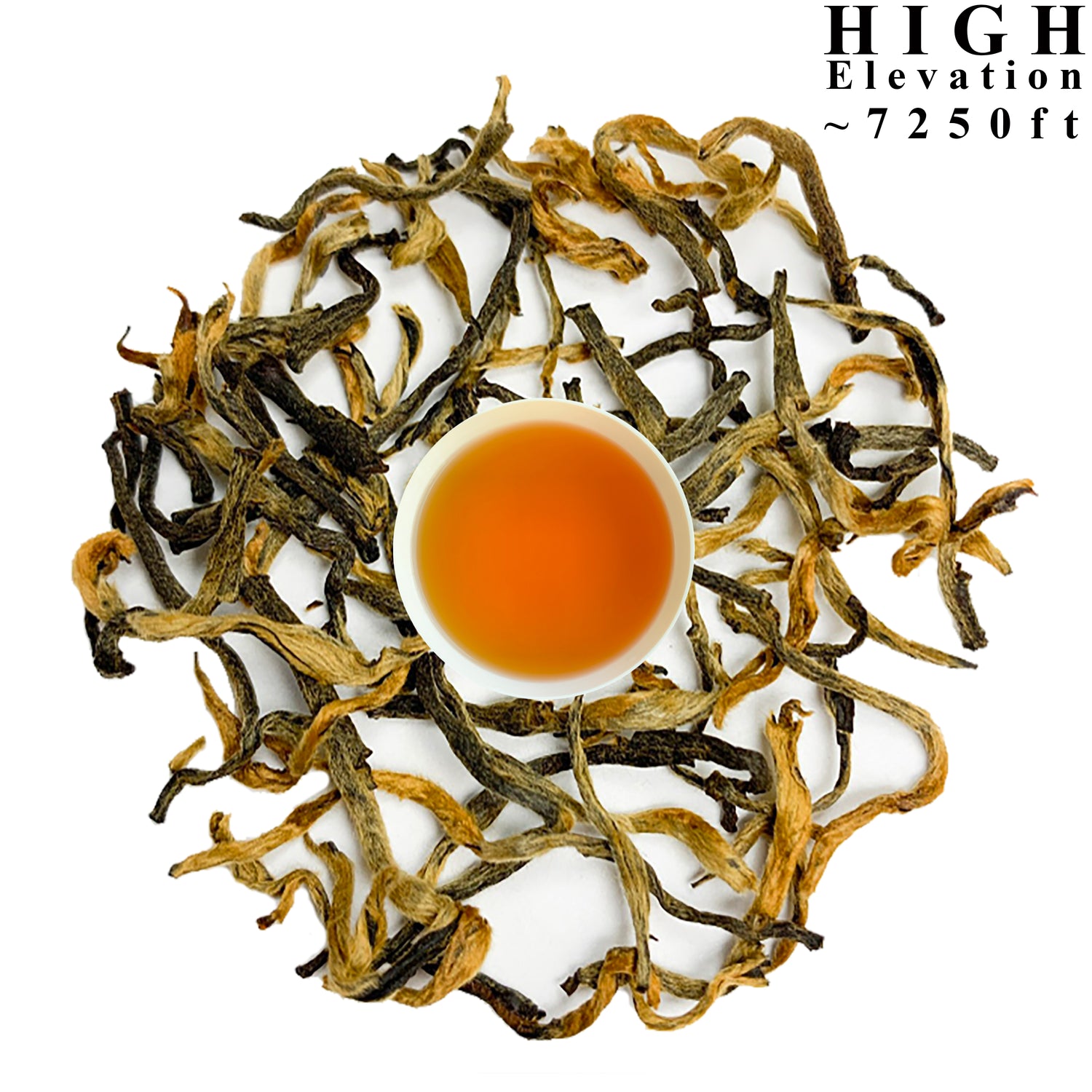
Black tea is a type of tea made from the leaves of the Camellia sinensis plant that has been fully oxidized, giving it a dark color, bold flavor, and rich aroma.
Unlike green tea, which is minimally processed, black tea goes through a complete oxidation process, resulting in:
- Stronger body
- Deeper flavor
- Dark amber to reddish liquor
Because Danfe Tea sources from high-altitude Himalayan regions, black teas tend to be naturally smoother, less bitter, and more aromatic compared to many lower-altitude teas.
👉 Explore premium Himalayan black teas here
Types of Black Tea (And What Makes Them Different)
There are many types of black tea, and each varies based on region, processing, and leaf style.
1. Orthodox Black Tea
Whole leaf, carefully processed
✔ Smooth, complex flavors
✔ Floral and layered notes
👉 Try: 01° Ilam Loose Leaf Black Tea — high-altitude, clean, and balanced
2. CTC Black Tea (Crush, Tear, Curl)
Machine-processed into small pellets
✔ Strong and bold
✔ Common in tea bags
Compared to orthodox teas, CTC teas are more intense but less nuanced.
3. Golden Tips Black Tea
Made from young buds
✔ Naturally sweet
✔ Rich and smooth
👉 Try: 09° Signature Golden Tips Tea — refined and aromatic
4. Flavored Black Tea
Infused with natural ingredients
✔ Floral, spiced, or fruity
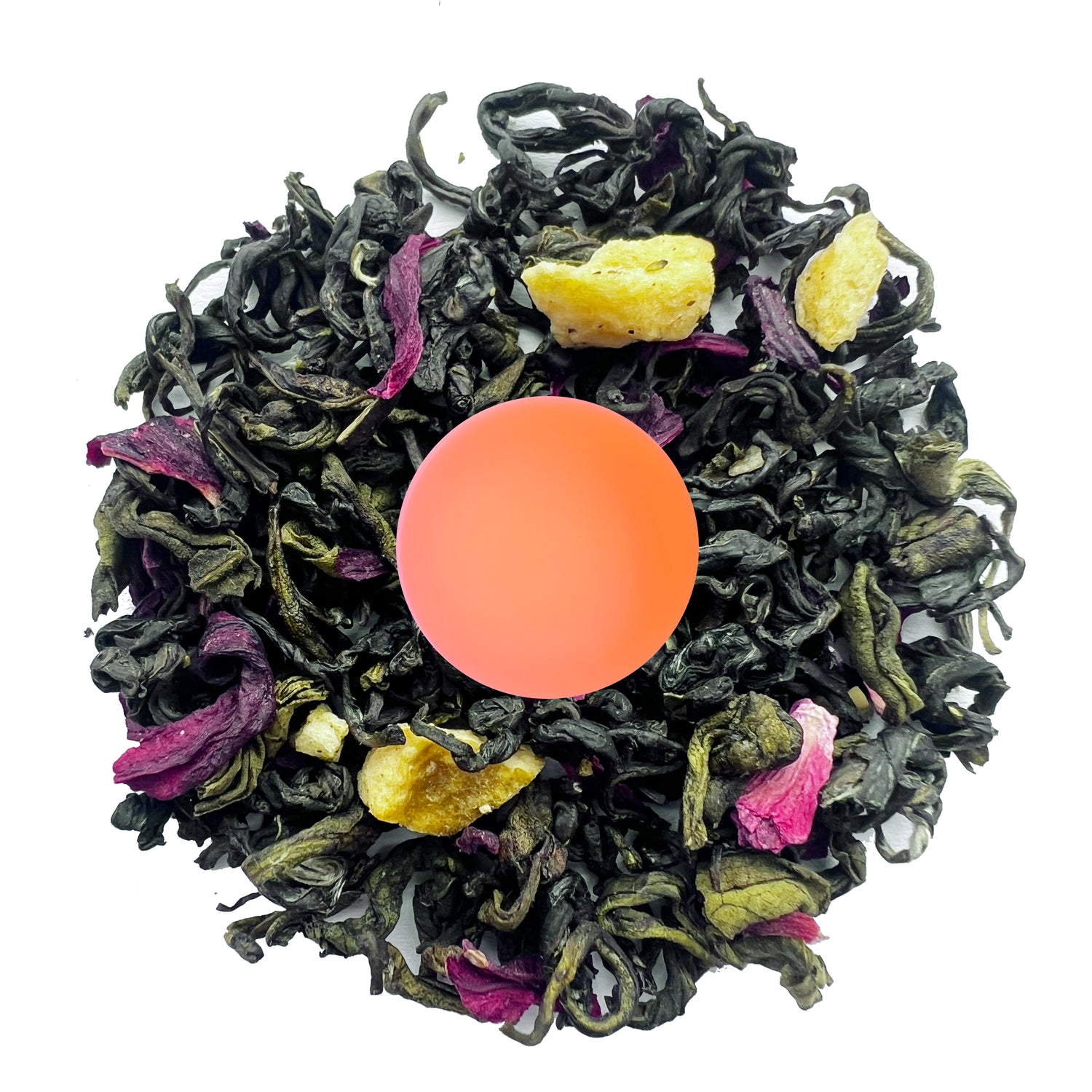
👉 Try: 08° Rose Black Tea — floral elegance with smooth black tea base
What Does Black Tea Taste Like?
Black tea flavors vary widely depending on origin and processing. Common tasting notes include:
- Malty
- Honey-like
- Floral
- Caramel
- Slightly fruity
Himalayan black teas, like those from Danfe Tea, are known for:
- Low astringency
- Smooth mouthfeel
- Clean finish
Compared to Assam (which can be bold and heavy), Himalayan teas feel lighter and more refined.
👉 Discover more flavor-forward teas
How Is Black Tea Made?
Understanding how black tea is made helps explain why it tastes the way it does.
Step 1: Plucking
Young leaves and buds are handpicked.
Step 2: Withering
Leaves lose moisture and soften.
Step 3: Rolling
Leaves are twisted to release enzymes.
Step 4: Oxidation
Leaves react with oxygen, turning dark and developing flavor.
Step 5: Drying
Stops oxidation and locks in flavor.
This full oxidation process is what gives black tea its signature color, strength, and depth.
Because Danfe Tea sources from high-altitude farms, the slower growth of tea plants often results in more complex and naturally sweet flavors.
Try a traditionally crafted tea:
14° Mt. Pumori Organic Black Tea (USDA-Certified)
Black Tea vs Green Tea: What’s the Difference?
One of the most common questions is:
Q: What is the difference between green tea and black tea?
A: The main difference is oxidation. Black tea is fully oxidized, while green tea is minimally processed, resulting in lighter flavor and color.
|
Feature |
Black Tea |
Green Tea |
|
Flavor |
Bold, rich |
Fresh, grassy |
|
Processing |
Fully oxidized |
Minimally oxidized |
|
Color |
Dark amber |
Light green |
High-altitude Himalayan teas tend to be smoother in both categories, making them easier to enjoy daily.
When Should You Drink Black Tea?
Black tea fits naturally into daily routines:
- Morning energy: bold and awakening
- Work focus: steady caffeine support
- Afternoon tea: classic pairing with snacks
- Iced tea: refreshing and flavorful
These uses are based on traditional consumption patterns and personal preference.
👉 Perfect morning tea:
01° Ilam Loose Leaf Black Tea
Is Black Tea Good for Daily Use?
Q: Is black tea good for everyday drinking?
A: Black tea is widely enjoyed as part of a daily routine and may support general wellness when consumed as part of a balanced lifestyle.
Many people choose black tea for its:
- Consistent energy
- Rich flavor
- Versatility (hot or iced)
How to Choose the Best Black Tea
If you're looking to buy black tea, consider:
1. Origin
High-altitude teas (like Nepal) = smoother flavor
2. Leaf Quality
Loose leaf > tea bags for better taste
3. Processing Style
Orthodox teas = more complex flavors
4. Flavor Preference
- Malty → traditional black tea
- Floral → Himalayan teas
- Sweet → golden tips
👉 Start with a curated experience:
Ethical Sourcing & Himalayan Quality
Danfe Tea works closely with smallholder farmers in Nepal, ensuring ethical sourcing and transparency. High-altitude growing conditions (above 6,000 ft) contribute to:
- Slower leaf growth
- Higher flavor concentration
- Naturally smooth taste
This is why Himalayan teas are increasingly recognized as a premium alternative to Darjeeling and Assam.
What to Know Before Choosing This Tea
- Black tea is fully oxidized, giving it bold flavor and dark color
- There are multiple types: orthodox, CTC, golden tips, and flavored
- Himalayan black teas are smoother and less bitter
- Flavor can range from malty to floral depending on origin
- Loose leaf tea offers better quality and taste
- Ideal for morning energy, focus, and afternoon rituals
FAQs About Black Tea
Q: What is black tea made of?
A: Black tea is made from the leaves of the Camellia sinensis plant.
Q: How many types of black tea are there?
A: There are several types, including orthodox, CTC, golden tips, and flavored black teas.
Q: Does black tea taste strong?
A: It can be bold, but high-altitude teas are often smoother and less bitter.
Q: Is black tea regular tea?
A: In many regions, black tea is considered the standard or “regular” tea.
Conclusion
Black tea is more than just a daily drink—it’s a diverse category with rich flavors, multiple styles, and a deep cultural history. Once you understand what black tea is, how it’s made, and how it tastes, choosing the right one becomes a personal journey.
At Danfe Tea, we bring you high-altitude Nepalese black teas that offer a smoother, more refined experience compared to traditional Darjeeling or Assam teas. Whether you're starting your tea journey or refining your taste, there’s a perfect cup waiting for you.
Not sure where to start?
Explore all Himalayan teas here
The potential wellness benefits mentioned are based on traditional use, publicly available research, and general wellness sources. They are not intended as medical advice and are not evaluated by the U.S. FDA. Individual experiences may vary.