
IDENTIFY
Know what counts as tea.
Separate Camellia sinensis tea from herbal infusions.
Path 02 · Learn About Tea
Black, green, white and oolong tea can begin with the same tea plant. What changes is what happens to the leaf after it is picked. Learn the processing, flavor and brewing differences without turning tea into a rulebook.
Herbal infusions are different: they are made from other plants rather than Camellia sinensis.
Your learning map
Move through the page like a short lesson. You do not need to memorize tea vocabulary — just leave able to recognize the families, understand the processing idea, compare two cups and choose what to explore next.
Separate Camellia sinensis tea from herbal infusions.
Follow the leaf from plucking through drying.
Use aroma, body, bitterness and finish as clues.
Use the Danfe Method and keep what you prefer.
Start here
In the strict botanical sense, tea comes from Camellia sinensis. Black, green, white and oolong are not different plants. Their identities are shaped largely by how the harvested leaf is handled — including steps such as withering, heating, rolling, oxidation and drying.
Herbal “teas” such as chamomile, mint or hibiscus are more precisely called herbal infusions or tisanes. They belong in the Academy because people drink and brew them like tea, but they do not come from the tea plant.
Tea type describes a processing family. It does not guarantee one exact flavor, caffeine level or brewing temperature for every tea in that family.
The core families
Use these as orientation, not rigid boxes. Origin, cultivar, harvest, processing choices, storage and brewing can all change what you taste.
TRUE TEA
Typically allowed to oxidize more extensively before drying, often creating deeper color and flavors that can range from malty and cocoa-like to fruity, floral or brisk.
TRUE TEA
Heating is used early to limit enzymatic oxidation. Depending on origin and processing, cups can taste fresh, vegetal, nutty, sweet, floral, marine or gently toasted.
TRUE TEA
Often made with relatively simple handling centered on withering and drying. The category can include buds, leaves or both, with flavor ranging from delicate floral notes to hay, fruit and honey.
TRUE TEA
A broad family with partial oxidation and highly varied processing. Oolong can move from green, floral and creamy profiles toward roasted, fruity, honeyed or mineral expressions.
TISANE
Made from plants other than Camellia sinensis — leaves, flowers, roots, bark, fruit or spices. Many are naturally caffeine-free, but that is not true of every botanical infusion.
If you can separate true tea from an herbal infusion, you already have the first piece of the map.
30-SECOND KNOWLEDGE CHECK
Processing
The sequence and intensity of processing steps help create the differences people recognize as tea types.
Fresh shoots, buds and leaves are harvested.
Moisture is reduced and the leaf becomes more pliable.
Rolling, bruising or other handling can influence structure and oxidation.
Heating, oxidation, resting or roasting choices steer aroma, color and chemistry.
Drying stabilizes the finished tea for storage and brewing.
Not every tea follows every step in the same way or order. This is a learning map, not a universal manufacturing formula.
Compare the cup
These are broad tendencies rather than promises. Use them to decide what to taste next.
| Type | Processing emphasis | Common sensory direction | Beginner question |
|---|---|---|---|
| Black | More extensive oxidation | Malty, fruity, floral, cocoa-like, brisk | Do I want a fuller cup? |
| Green | Early heating limits oxidation | Fresh, vegetal, nutty, sweet, toasted | Do I enjoy fresh or lively flavors? |
| White | Withering + drying, often lighter handling | Delicate, floral, hay, fruit, honey | Do I prefer lighter texture and aroma? |
| Oolong | Partial oxidation + varied shaping/roasting | Floral, creamy, fruity, roasted, mineral | Do I want a wide range to explore? |
| Herbal | Depends entirely on botanical ingredients | Minty, floral, tart, spiced, earthy, fruity | Am I looking beyond the tea plant? |
Do not choose only by tea type if caffeine matters to you. The amount in a brewed cup can vary with the leaf, cultivar, harvest, particle size, quantity used, water temperature and steeping. Herbal infusions also need ingredient-level checking rather than assuming every botanical is caffeine-free.
Tea Type Compass
This is not a quiz that tells you what you “should” drink. Choose a direction and use it as your next tasting experiment.
We’ll suggest a tea family to investigate, then you can taste it for yourself.
Tea Types curriculum
22 lessons currently available in this school.
Quick answer: Lemongrass plant tea is a caffeine-free herbal infusion made from the stalks of Cymbopogon citratus. It has a bright yellow col...
Read lesson →Chai tea is a traditional spiced tea made with black tea, milk, sugar, and aromatic spices such as cardamom, ginger, cinnamon, and cloves. This gui...
Read lesson →While orthodox teas are loved for their rich flavors, the caffeine content might sometimes lead to unwanted jittery feeling, especially for caffein...
Read lesson →If you have ever wondered whether that fragrant cup will keep you up at night, the short answer is yes. Jasmine tea is scented green tea, and gre...
Read lesson →If you’re someone who loves green tea, you have an extensive range of options to choose from. Whether you're seeking for a delicate and grassy sip ...
Read lesson →Did you know Pu-erh tea can improve with age just like fine wine? That’s right–some pu-erh tea cakes can be aged for more than 50 years and still c...
Read lesson →Organic tea is defined by how it is grown, handled, and certified: not by a guarantee of better taste or stronger health benefits. This guide expla...
Read lesson →Spearmint tea does not come with a tiny clock telling you when to drink it. Pure spearmint is naturally caffeine-free, so the best time is usuall...
Read lesson →The Danfe Method
Tea Types is about recognizing differences. The simplest way to learn is to taste two teas beside each other and write one observation.
For example, one black tea and one green tea.
Do not force different teas into one universal recipe.
Notice aroma, body, bitterness, astringency, sweetness and finish.
“The green tea smells fresher; the black tea feels fuller” is enough.
Your next lesson begins with what your palate noticed.
Practice shelf
The first three are tea families. Organic is a certification/shopping attribute, while Himalayan Mint and Herbal Tea are botanical collections. Keeping those labels separate helps you shop without confusing them with processing categories.
Practice body, oxidation, malt, fruit, floral notes and finish with Nepal black teas.
Explore black tea →Practice freshness, extraction and temperature changes while keeping other variables steady.
Explore green tea →Practice noticing delicate aroma, texture, fruit, honeyed notes and a changing finish.
Explore white tea →Browse Danfe teas offered with organic certification where applicable; “organic” does not describe a tea processing family.
Explore organic tea →Explore mint-forward botanical cups and compare cooling aroma, intensity and finish.
Explore Himalayan Mint →Explore caffeine-free botanical infusions and learn to read the ingredient list as part of the cup.
Explore herbal tea →Academy note: collection links are optional practice routes. You can complete every exercise with tea you already own.
How we build authority
Danfe Tea Academy combines published tea science with first-hand brewing comparisons and real customer questions.
Processing explanations are checked against food-science literature rather than repeated from generic tea marketing copy.
Where Danfe reports its own brewing observations, we identify them as practical tests and document what changed.
Recurring questions from customers help determine which comparisons, definitions and beginner lessons deserve clearer answers.
Tea processing and classification are complex and overlap between categories. These references are used as background rather than as permission to make universal claims about every tea.
Danfe Tea AI
Tell the Academy assistant what flavors you already enjoy. Use its suggestion as a starting point, then let your own cup decide.
Ask Danfe Tea AI →“I like black coffee and dark chocolate. Where should I start?”
A fuller black tea may be a useful first comparison. Brew a baseline cup, taste it unsweetened first, then note body, bitterness and finish.
Tea AI is an Academy assistant, not the source of authority.Free beginner resource
Want the larger beginner picture before going deeper into individual tea types? Read the complete 45-page Danfe Tea Academy book, keep the PDF, or listen to the full audiobook.
Read, download or listen →Continue the Academy

Shop premium Nepal white tea sourced from high-altitude Himalayan gardens, where slow-growing...
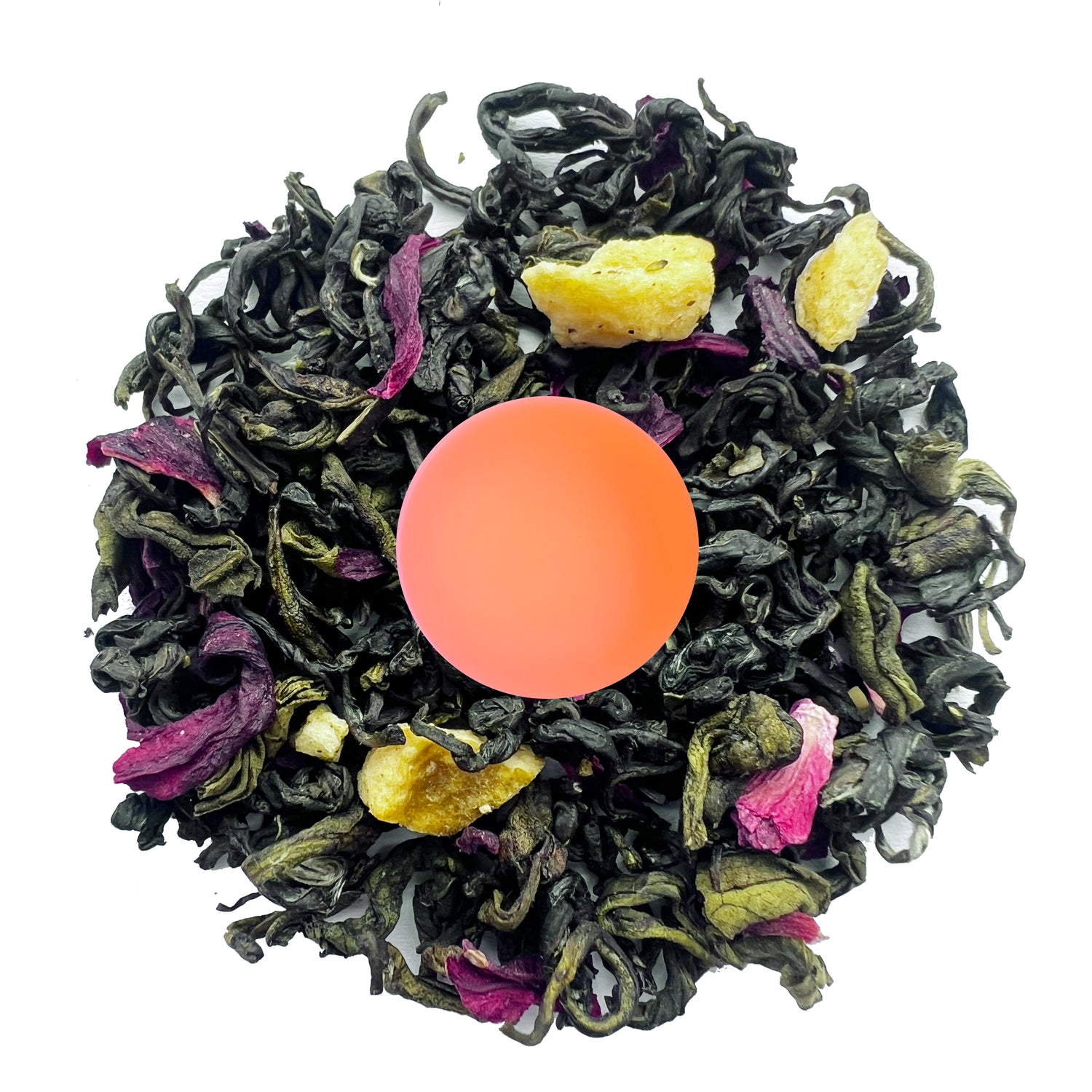
Shop premium Nepal green tea sourced from high-altitude Himalayan gardens, where cool...

Bold Himalayan chai crafted to super fine quality standards. High-altitude tea leaves...
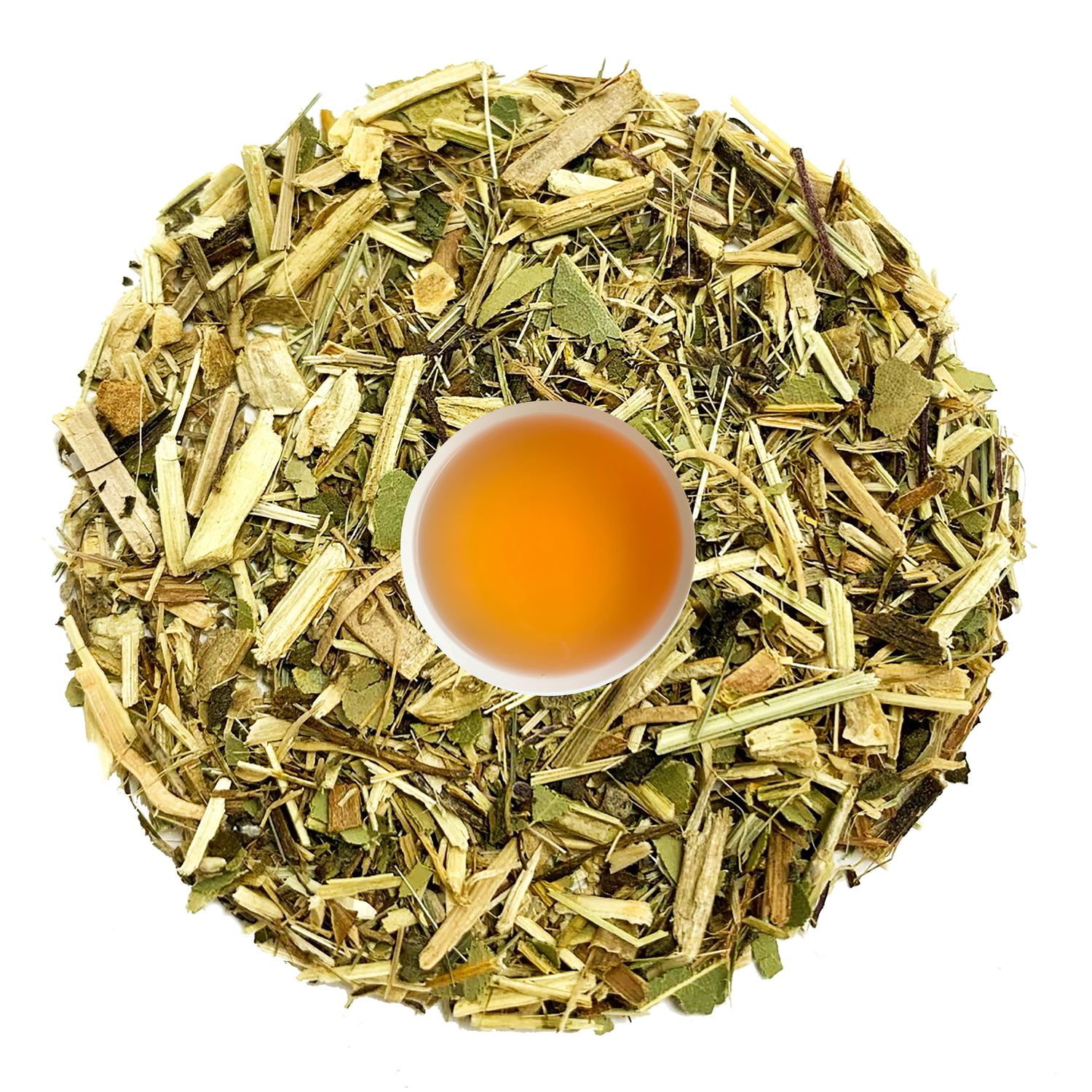
Shop caffeine-free herbal teas sourced from the Himalayan regions of Nepal, where...