
Types of Tea: A Complete Guide to True Teas, Herbal Teas and Flavored Teas
Quick Answer: What Are the Main Types of Tea?
Tea is one of the world's most enjoyed beverages, but not every "tea" comes from the same plant. The six traditional or true teas black, green, white, oolong, pu-erh, and yellow teaare all made from the Camellia sinensis plant. Their differences come from processing methods, including withering, oxidation, rolling, drying, and fermentation.
Herbal teas, floral teas, fruit teas, and spiced teas are technically herbal infusions (also called tisanes). They are made from herbs, flowers, fruits, roots, or spices rather than tea leaves and are usually naturally caffeine-free.
Types of Tea at a Glance
| Tea Type | Made From | Caffeine | Flavor Profile |
|---|---|---|---|
| Black Tea | Camellia sinensis | High | Bold, malty, full-bodied |
| Green Tea | Camellia sinensis | Moderate | Fresh, grassy, vegetal |
| White Tea | Camellia sinensis | Low–Moderate | Light, floral, delicate |
| Oolong Tea | Camellia sinensis | Moderate | Floral, roasted, complex |
| Pu-erh Tea | Camellia sinensis | Moderate | Earthy, rich, aged |
| Yellow Tea | Camellia sinensis | Moderate | Smooth, mellow |
| Herbal Tea | Herbs & plants | Usually None | Varies by ingredient |
Whether you enjoy bold breakfast teas, refreshing green teas, delicate white teas, or caffeine-free herbal blends, understanding the different kinds of tea makes it easier to discover your perfect cup
What Makes Different Types of Tea Different?
A common misconception is that black tea, green tea, white tea, and oolong tea come from different plants.
In reality, all six true teas originate from the same plant: Camellia sinensis.
The differences come from how the leaves are processed after harvesting.
Key processing methods include:
- Withering
- Rolling
- Oxidation
- Drying
- Fermentation (for pu-erh tea)
These steps influence each tea's:
- Color
- Flavor
- Aroma
- Caffeine level
- Appearance
For example, green tea is heated soon after harvesting to stop oxidation, while black tea is fully oxidized, creating its darker leaves and richer flavor
Black Tea
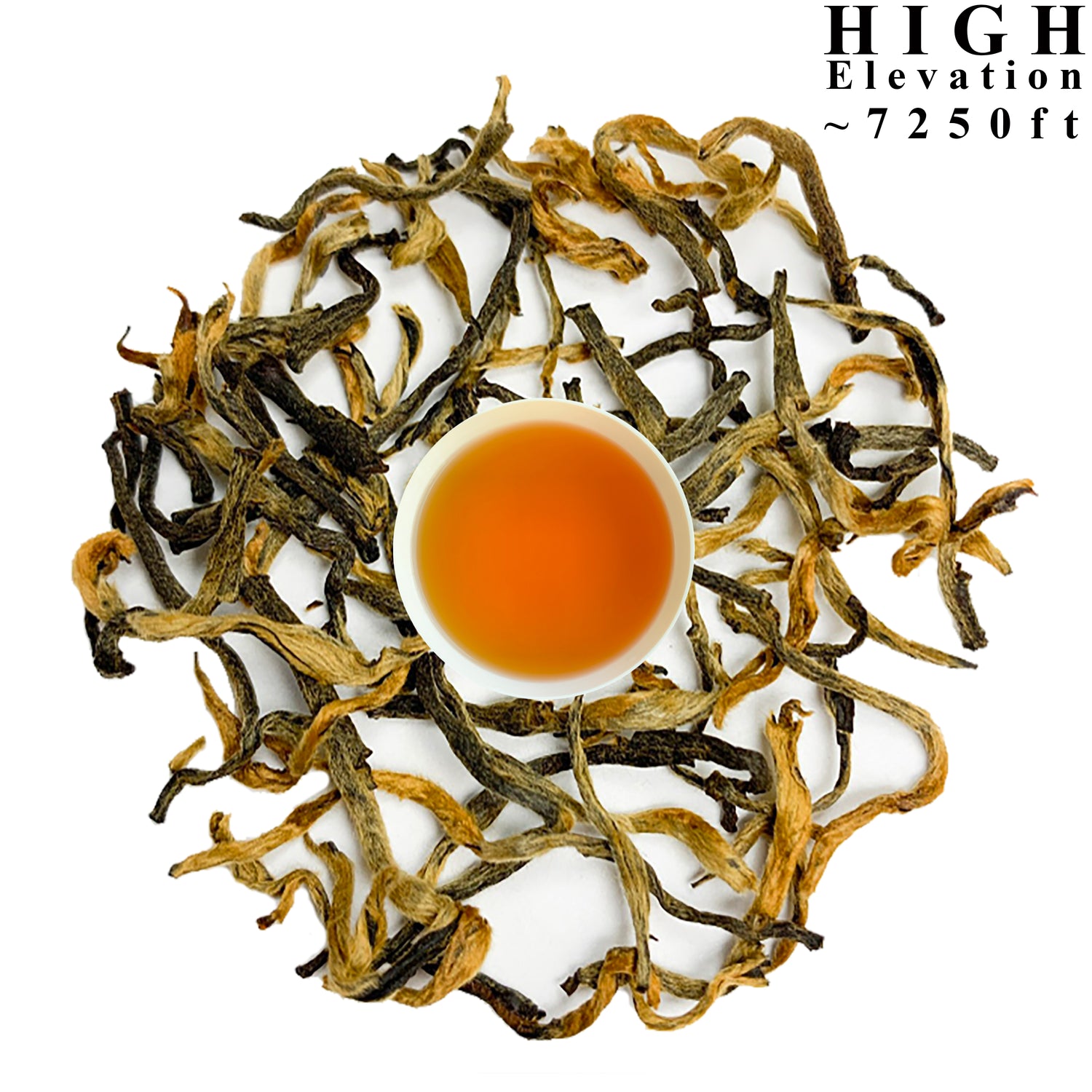
Black tea is one of the most popular tea types worldwide and is fully oxidized during processing.
Interestingly, in China, black tea is often referred to as red tea because of the reddish color of the brewed liquor.
Flavor Profile
Black tea is commonly described as:
- Bold
- Malty
- Rich
- Brisk
- Full-bodied
Because of its robust character, black tea pairs well with milk, spices, lemon, or sweeteners.
Popular Black Tea Types
- Assam
- Darjeeling
- Nepal Black Tea
- Ceylon
- English Breakfast
- Keemun
High-altitude Himalayan black teas are often appreciated for their naturally smooth finish and refined flavor
Green Tea
Green tea is one of the least oxidized true teas
Soon after harvesting, the leaves are steamed or pan-fired to preserve their fresh green color and delicate taste.
Flavor Profile
Green tea is known for:
- Fresh flavor
- Vegetal notes
- Grassy aroma
- Light sweetness
Popular Green Tea Types
- Sencha
- Matcha
- Gyokuro
- Longjing (Dragon Well)
- Gunpowder
- Himalayan Green Tea
Green tea is often chosen by tea drinkers looking for a lighter and refreshing cup
White Tea
White tea is considered one of the least processed tea types.
It is typically made from young buds and tender leaves covered with fine silvery hairs.
Flavor Profile
- White tea offers:
- Floral notes
- Delicate sweetness
- Light body
- Smooth finish
Popular White Tea Types
- Silver Needle
- White Peony
- Shou Mei
- Gong Mei
Its gentle character makes white tea popular among those who prefer subtle flavors.
Oolong Tea
Oolong tea falls between green tea and black tea in terms of oxidation.
Depending on the style, it may be lightly oxidized or heavily oxidized, resulting in an impressive range of flavors.
Flavor Profile
Oolong teas may taste:
- Floral
- Creamy
- Roasted
- Fruity
- Nutty
- Honey-like
Popular Oolong Tea Types
- Tie Guan Yin
- Da Hong Pao
- Wuyi Rock Oolong
- Phoenix Dan Cong
- Dong Ding
This complexity has made oolong one of the most respected tea categories worldwide
Pu-erh Tea
Pu-erh tea is a fermented tea traditionally produced in Yunnan, China.
Unlike most teas, pu-erh continues developing flavor as it ages.
There are two main styles:
Raw (Sheng) Pu-erh
Fresh, vegetal, and capable of aging for many years.
Ripe (Shou) Pu-erh
Dark, earthy, smooth, and intentionally fermented.
Pu-erh is often appreciated by experienced tea drinkers for its distinctive character
Yellow Tea
Yellow tea is one of the rarest true teas.
Its production resembles green tea but includes an additional "sealing" step that gently mellows the leaves.
Flavor Profile
Yellow tea is known for:
- Smooth texture
- Gentle sweetness
- Mild floral notes
- Reduced grassy character
Because of its limited production, yellow tea is less commonly available than other true teas
Herbal Tea Types
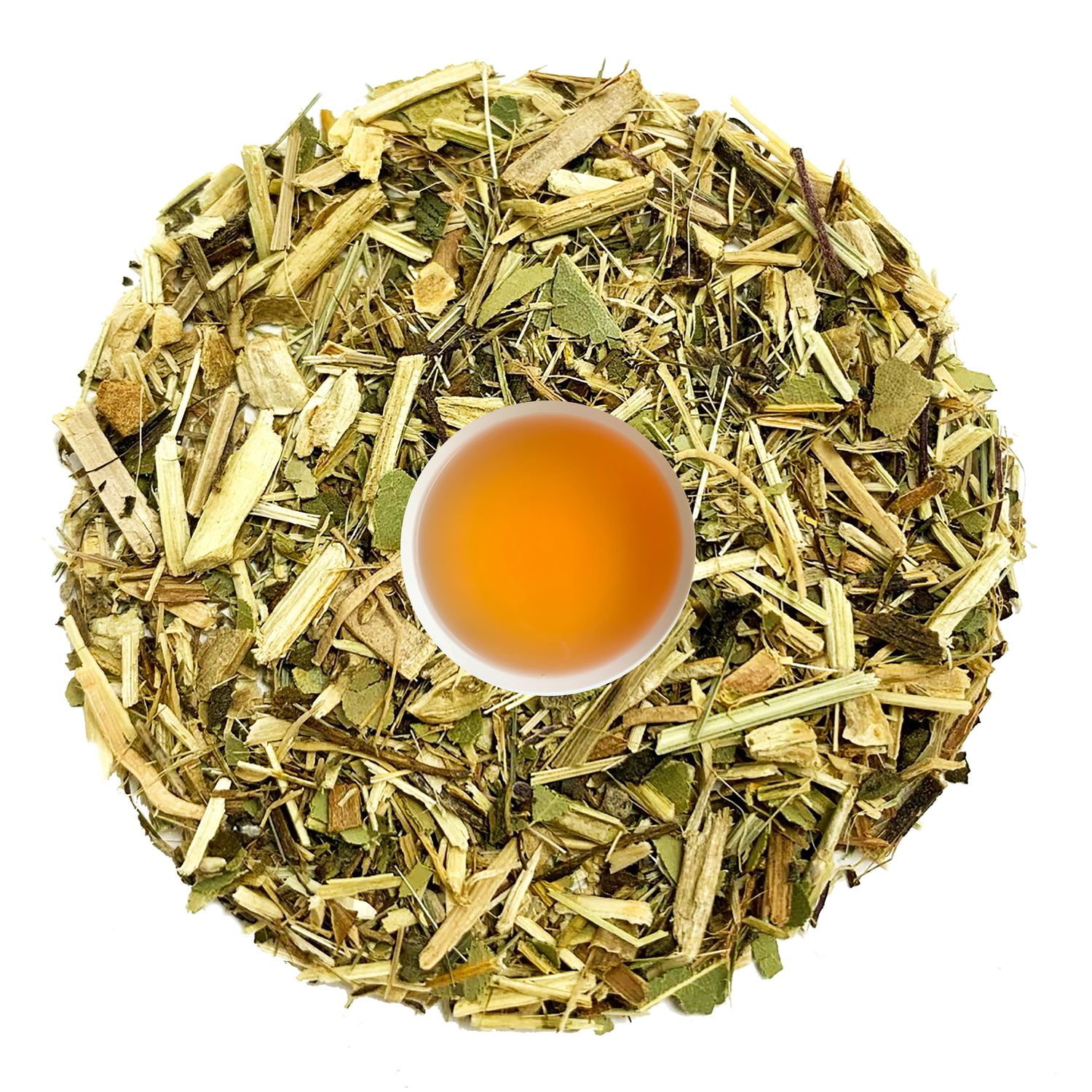
Unlike true teas, herbal teas do not come from the Camellia sinensis plant.
Instead, they are made from herbs, flowers, fruits, roots, seeds, or spices.
Most herbal teas are naturally caffeine-free.
Popular herbal teas include:
- Chamomile
- Spearmint
- Peppermint
- Tulsi (Holy Basil)
- Hibiscus
- Rooibos
- Lemongrass
- Ginger
- Moringa
- Lemon Balm
Herbal teas are enjoyed for their diverse flavors and as part of daily wellness routines.
Floral Tea Types
Floral teas highlight the aroma of flowers.
Some are made entirely from flowers, while others combine flowers with true tea.
Popular floral teas include:
- Rose Tea
- Jasmine Tea
- Lavender Tea
- Chrysanthemum Tea
- Osmanthus Tea
- Magnolia Tea
Floral teas are often appreciated for their delicate fragrance and elegant flavor.
Fruit Tea Types
Fruit teas are created using dried fruits, fruit peels, or berries.
Because they do not usually contain tea leaves, most fruit teas are naturally caffeine-free.
Popular fruit teas include:
Fruit teas are enjoyed both hot and iced.
Spiced Tea Types
Spiced teas combine warming spices with tea or herbal ingredients.
The most famous example is masala chai.
Common spices include:
- Cardamom
- Ginger
- Cinnamon
- Cloves
- Black Pepper
- Nutmeg
Spiced teas are especially popular during cooler months
Flavored Tea Types
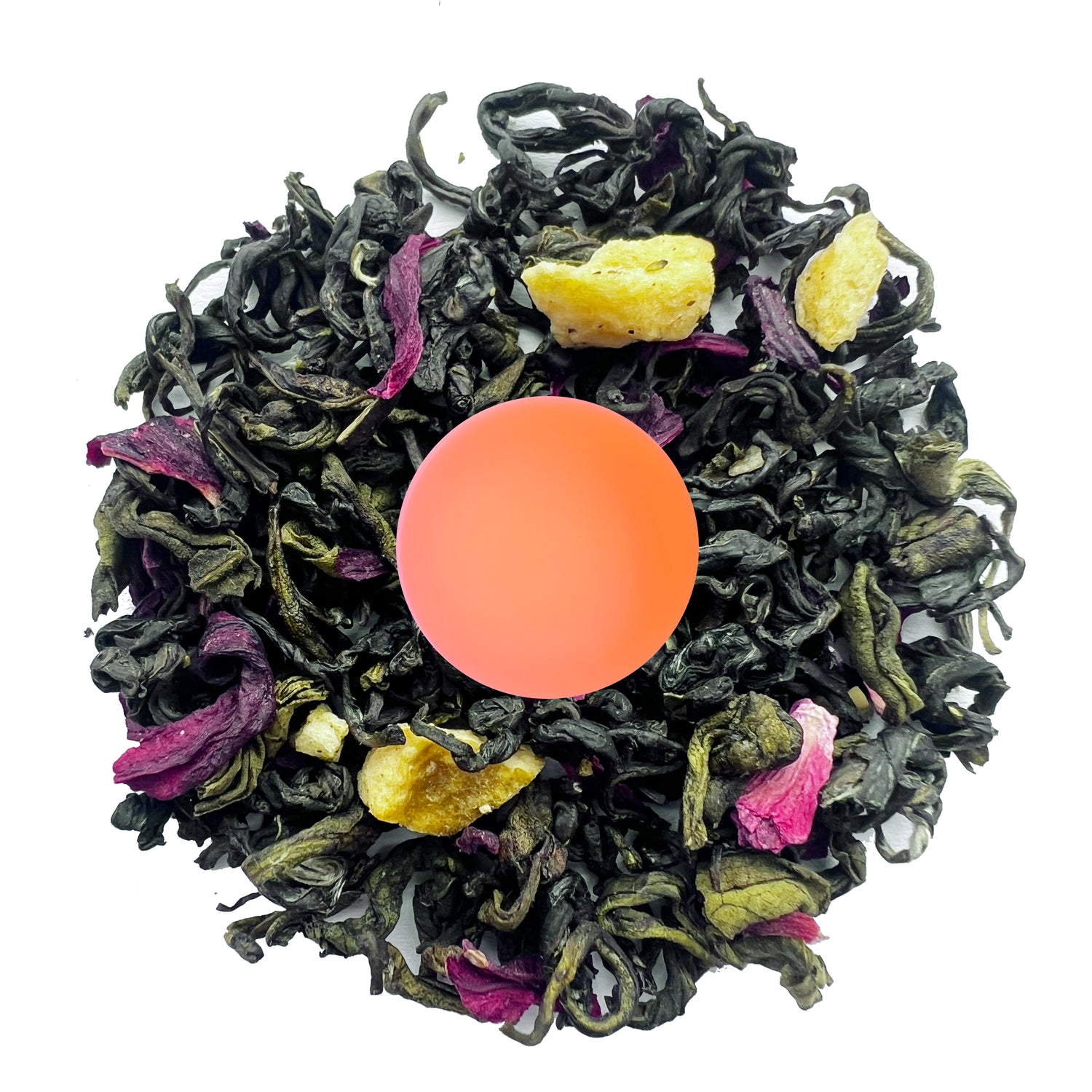
Flavored teas combine true tea with fruits, flowers, herbs, spices, or natural flavors.
Popular examples include:
These blends create unique flavor experiences while retaining the characteristics of the original tea
Loose Leaf Tea vs Tea Bags
One of the biggest decisions for tea drinkers is choosing between loose-leaf tea and tea bags.
| Feature | Loose Leaf Tea | Tea Bags |
|---|---|---|
| Leaf Quality | Whole leaves | Often smaller leaf pieces |
| Flavor | Richer and more complex | Convenient and consistent |
| Aroma | Stronger | Milder |
| Brewing | Requires infuser | Simple and quick |
| Variety | Premium selections | Widely available |
Many tea enthusiasts prefer loose-leaf tea because larger leaves have more room to expand during brewing, allowing a fuller flavor to develop
Which Type of Tea Should You Choose?
If you're new to tea, here's a simple guide.
Choose Black Tea If You:
-
Enjoy bold flavor
Prefer stronger caffeine
- Like milk tea or chai
Choose Green Tea If You:
- Prefer lighter flavors
- Want moderate caffeine
- Enjoy fresh, grassy notes
Choose White Tea If You:
- Like delicate floral teas
- Prefer subtle sweetness
Choose Oolong Tea If You:
- Enjoy exploring complex flavors
- Want something between green and black tea
Choose Herbal Tea If You:
- Want a naturally caffeine-free beverage
- Enjoy botanical flavors
The Danfe Method: Finding Your Favorite Tea
At Danfe Tea, there is no single "best" type of tea.
The right tea depends on your personal taste, preferred brewing style, and daily routine.
The Danfe Method encourages experimenting with:
- Water temperature
- Steeping time
- Leaf quantity
- Multiple infusions
Tea is a personal journey, and discovering your favorite style is part of the experience
Frequently Asked Questions
How many types of tea are there?
There are thousands of tea varieties worldwide. However, the six main true teas are black, green, white, oolong, pu-erh, and yellow tea.
Do all teas come from the same plant?
All true teas come from Camellia sinensis. Herbal teas are made from other plants.
Which tea has the most caffeine?
Black tea generally contains the most caffeine among traditional brewed teas, while matcha is one of the highest-caffeine green teas.
What is red tea?
In China, black tea is commonly called red tea because of the reddish color of the brewed liquor.
Which tea is naturally caffeine-free?
Most herbal teas, such as chamomile, rooibos, and peppermint, are naturally caffeine-free.
Is loose-leaf tea better than tea bags?
Loose-leaf tea often provides a richer flavor and aroma because it usually contains larger, higher-quality tea leaves.
Which tea is best for beginners?
Many beginners enjoy green tea or black tea because of their approachable flavors and wide availability.
Can I drink different types of tea every day?
Yes. Many people enjoy a variety of teas throughout the day depending on their preferences and caffeine needs.
Conclusion
Tea offers an incredible range of flavors, aromas, and brewing traditions. From bold black teas and refreshing green teas to delicate white teas, complex oolong teas, earthy pu-erh teas, and naturally caffeine-free herbal infusions, there is a tea for every taste and occasion.
Understanding how different processing methods shape each tea helps you appreciate what makes every cup unique. Whether you're exploring loose-leaf tea for the first time or expanding your tea collection, trying different tea types is one of the best ways to discover your personal favorites and enjoy the rich diversity of the world's tea traditions.