
Best Organic Loose Leaf Tea: Why Himalayan Teas Belong in Your Cup
If you have been searching for the best organic loose leaf tea, the answer may lie not in the familiar hillsides of Darjeeling or the lowland gardens of Assam, but high in the Nepal Himalayas. Danfe Tea is a US-based specialist in high-altitude Nepalese teas, offering some of the finest organic loose leaf teas available in America — grown where thin air, slow growth, and mineral-rich mountain soil produce leaves of remarkable purity and depth.
This guide covers everything a mindful tea drinker needs to know: what makes organic loose leaf tea genuinely different, why elevation matters, how to brew it well, and which occasions call for which cup. Whether you are new to loose leaf tea or deepening an existing ritual, this article is your starting point.
TEAS MENTIONED IN THIS ARTICLE
→ Shop Danfe Tea Organic Himalayan Collection
What Is Organic Loose Leaf Tea — and Why Does It Matter?
Organic loose leaf tea is made from whole or large-cut tea leaves grown without synthetic pesticides, herbicides, or chemical fertilizers. Unlike conventional tea bags, which are typically filled with fine tea dust and fannings — the lowest grade of processed leaf — loose leaf tea retains the full leaf structure. That means more complex flavor, greater aroma, and a brew that can often be re-steeped two or three times from the same leaves.
The word organic carries specific weight in the US market. USDA Organic certification requires that tea gardens follow strict standards for soil health, water use, and crop management — with third-party verification. When a tea carries this seal, consumers can be confident no synthetic residues are hiding in their cup.
Beyond certification, whole leaf tea allows for a genuinely richer experience. The cell walls of the leaf remain largely intact, releasing flavor compounds and naturally occurring plant compounds gradually as the water temperature draws them out — rather than all at once, as happens with finely ground tea bag content.
How Is Organic Loose Leaf Tea Different from Conventional Tea Bags?
Standard tea bags typically contain CTC (Crush, Tear, Curl) processed tea, which is designed for speed and uniformity rather than flavor nuance. The fine particle size causes rapid, often bitter extraction. Loose leaf tea brewed in an infuser or teapot follows a slower, more controlled process — one that rewards patience with a smoother, layered taste.
Why High-Altitude Himalayan Tea Stands Apart
The Nepal Himalayas sit at elevations between 3,000 and 7,000 feet. At these altitudes, tea plants experience cooler temperatures, stronger UV exposure, and slower growing seasons. This slow growth concentrates flavor compounds in the leaf, contributing to a naturally more refined taste with less of the sharp bitterness that can define lower-elevation teas.
Danfe Tea sources its teas directly from these high-elevation gardens, where conditions align to produce some of the finest organic tea leaves in the world. Compared to Darjeeling, which shares a similar geographic profile, Nepalese teas from these elevations tend to brew smoother and carry a slightly sweeter natural finish — making them a compelling Himalayan alternative for everyday drinking.
Unlike Assam, which is grown at low altitudes in a humid, flat river valley and produces bold, malty, often heavy teas, Himalayan Nepalese teas from Danfe Tea offer a lighter, more nuanced cup — appropriate for drinkers who prefer refinement over intensity.
What Role Do Antioxidants Play in High-Altitude Tea?
Tea leaves grown at high altitudes naturally develop higher levels of certain antioxidant compounds, including polyphenols such as catechins. The scientific understanding is that the increased UV radiation at elevation stimulates these protective compounds in the leaf. These same compounds contribute to the tea's flavor complexity and are traditionally associated with general wellness.
Danfe Tea's high-altitude Nepalese teas reflect this naturally elevated antioxidant profile — a direct result of where and how they are grown, not of any additive or processing treatment.
Buy Best Premium Quality Herbal Teas
Explore calming teas perfect for your routine

What Are the Benefits of Loose Leaf Tea?
The phrase "benefits of loose leaf tea" encompasses several well-documented advantages over processed, bag-based teas — and a few that are specific to organic, high-altitude sources.
- Superior flavor: Whole leaves release flavor compounds gradually, producing a more complex and less bitter cup.
- Multiple infusions: Quality loose leaf tea can often be re-steeped two to four times, making it excellent value per cup.
- Cleaner ingredients: Organic certification ensures no synthetic residues from pesticides or herbicides.
- Freshness: Whole leaves retain their volatile aromatic compounds far better than broken fannings, which stale quickly.
- Reduced waste: Loose leaf tea requires no individual sachets, plastic wrappers, or bleached filter papers.
- Ritual and mindfulness: The act of measuring, steeping, and observing the leaves creates a slower, more intentional daily routine.
Q: Is organic loose leaf tea good for daily wellness?
A: High-altitude organic loose leaf teas like those from Danfe Tea are traditionally enjoyed as part of a daily wellness ritual and may support general wellbeing when consumed as part of a balanced lifestyle. The whole leaf format preserves naturally occurring plant compounds, and the organic growing process ensures no synthetic additives enter the cup.
How Many Types of Organic Loose Leaf Tea Are There?
All true teas — black, green, white, oolong, and pu-erh — come from the same plant: Camellia sinensis. The type of tea is determined by how the leaves are processed after harvest. Herbal teas (also called tisanes) are made from other plants and are naturally caffeine-free.
Loose Leaf Green Tea — The Himalayan Morning Cup
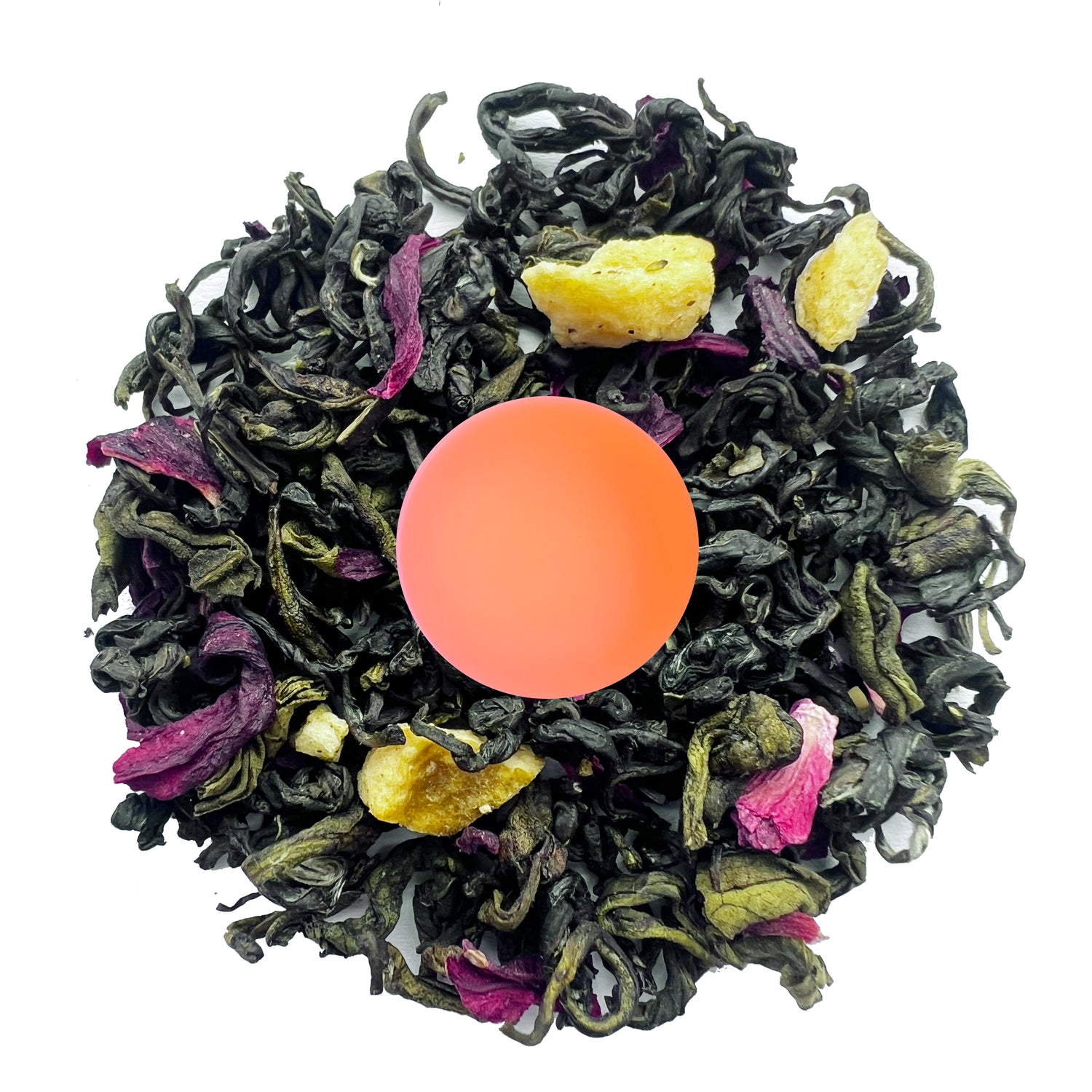
Organic loose leaf green tea is minimally processed, preserving a naturally fresh, slightly vegetal character. At high altitude, Nepalese green teas take on a sweeter, more delicate profile. Danfe Tea's Himalayan green teas are grown above 4,000 feet and offer a noticeably smoother cup than standard green teas — ideal for a calm, focused morning ritual.
Loose Leaf Black Tea — The Full-Bodied Daily Driver
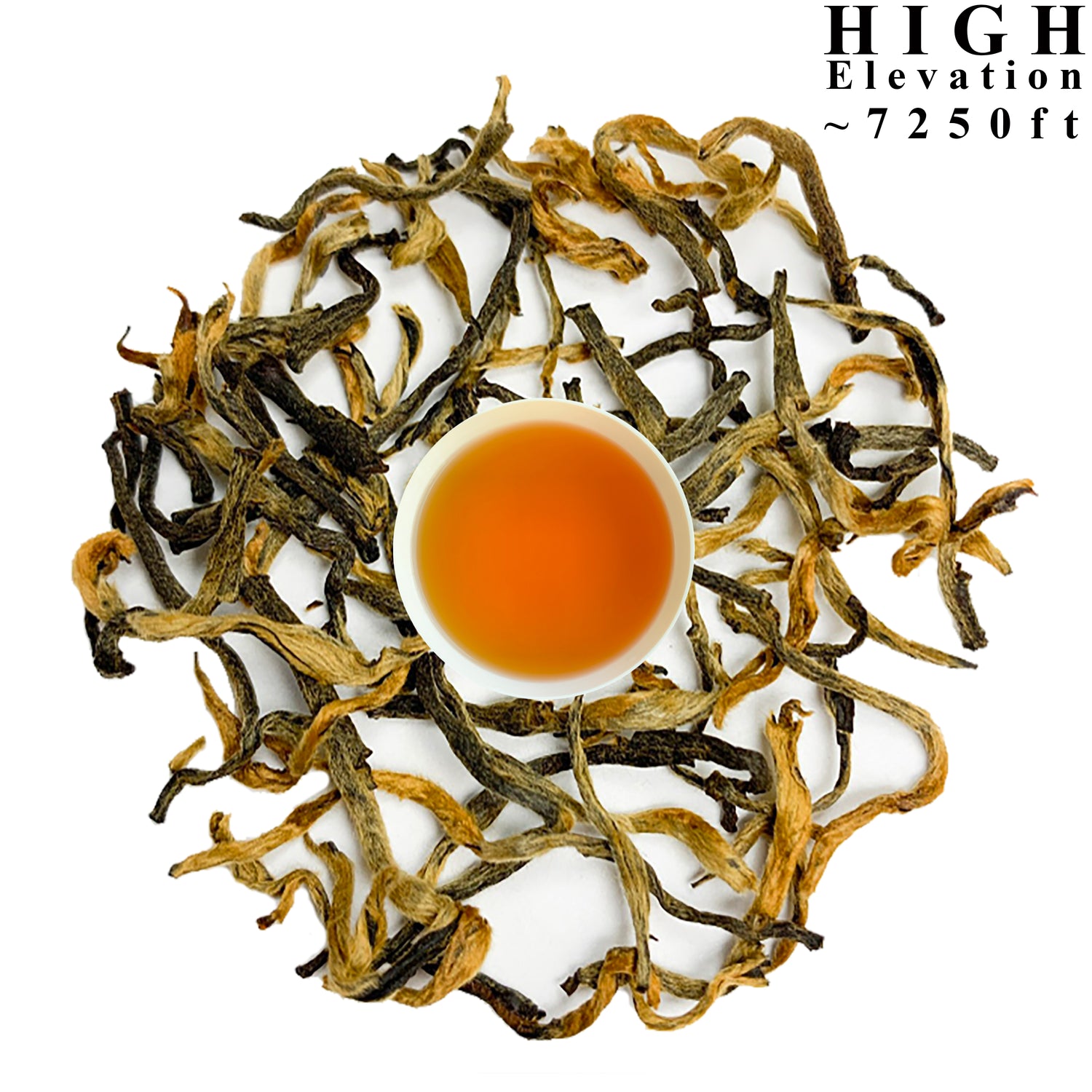
Loose leaf black tea is fully oxidized, giving it a richer color and bolder flavor. Unlike Assam's heavy malt, Himalayan black teas from Nepal tend toward a smoother, slightly fruity profile with a clean finish. Danfe Tea's Himalayan black teas make a dependable morning cup — full-bodied enough for those who enjoy a proper wake-up brew, smooth enough to enjoy without milk.
Organic White Tea — The Gentlest Expression
White tea is the least processed of all tea types, made from young buds and leaves. High-altitude white teas carry delicate floral notes and naturally lower caffeine levels, making them a thoughtful choice for afternoons or evenings. Danfe Tea's white tea offerings showcase the extraordinary care taken in Nepal's mountain gardens.
Organic Herbal Tea — Caffeine-Free Calm
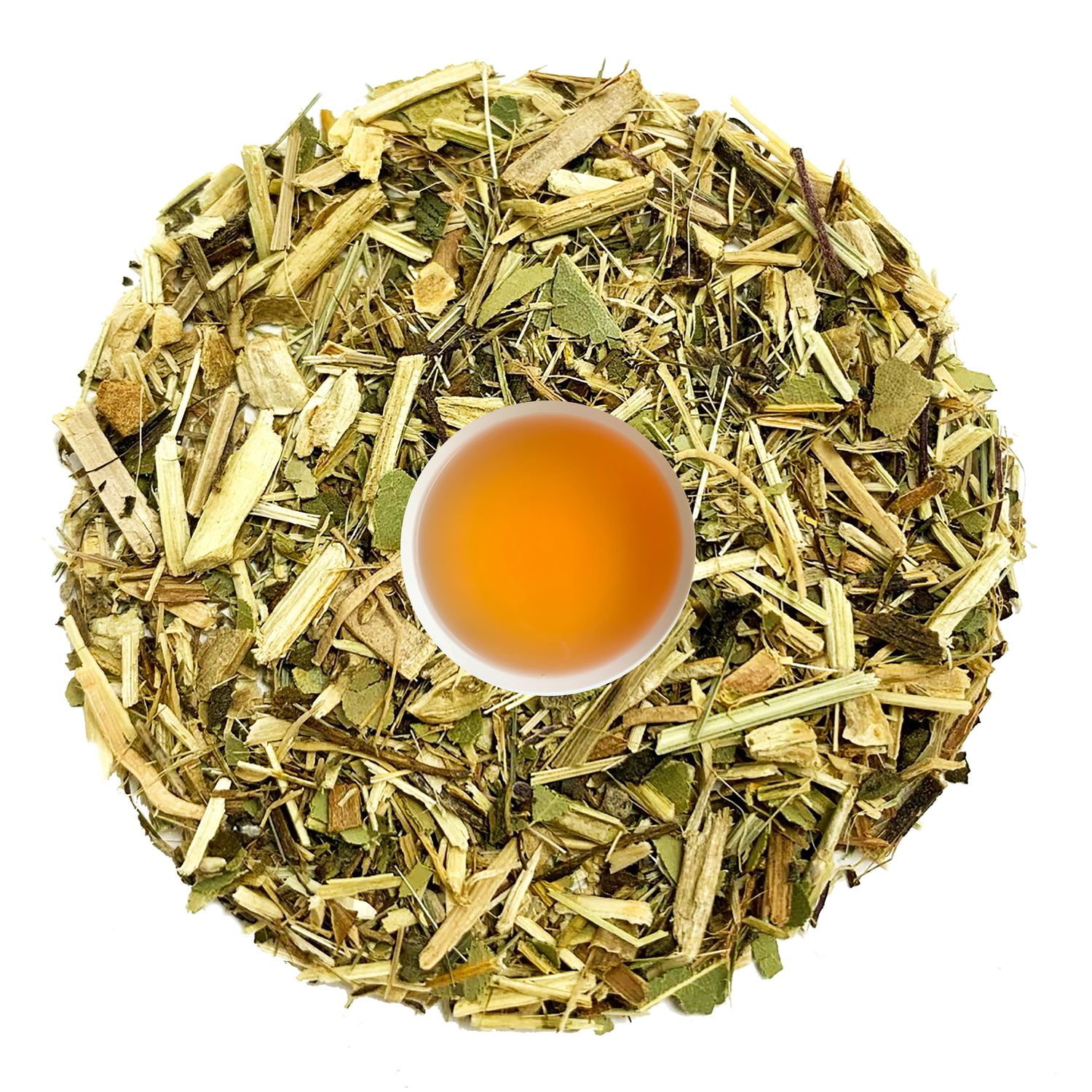
Herbal teas are not technically teas in the botanical sense, but they complete any thoughtful loose leaf collection. Caffeine-free and botanically diverse, they are traditionally enjoyed for relaxation, gentle digestion support, or as a calming bedtime ritual — always as part of a balanced lifestyle.
Matching Your Tea to the Moment: A Ritual Guide
Morning Energy — Himalayan Black Tea
Start the day with a cup of Danfe Tea's loose leaf black tea. Brewed at 200°F for 3–4 minutes, it delivers a full, smooth body that grounds you without the sharp edge of coffee or the bitterness of low-altitude teas. Pair it with breakfast or enjoy it quietly before the day begins.
Focus and Productivity — Himalayan Green Tea
Green tea contains a gentler, more sustained caffeine release than black tea, traditionally associated with a calm, focused state. Danfe Tea's high-altitude green teas brew smooth and clear — an excellent companion to a work session or creative block that needs breaking.
Afternoon Refresh — Iced Himalayan Tea
Any of Danfe Tea's loose leaf teas can be cold-brewed or brewed hot and poured over ice. Cold brewing — steeping in cold water for 6–8 hours in the refrigerator — naturally draws out sweetness and reduces bitterness, producing a remarkably clean, refreshing summer drink. Double the leaf quantity when brewing for ice.
Evening Calm — Organic White or Herbal Tea
As the day winds down, move to Danfe Tea's white tea or caffeine-free herbal blends. Their naturally soft character and lower intensity make them appropriate for evening rituals — a cup with a book, a slow conversation, or simple quiet.
After Meals — Light Himalayan Tea
A lighter cup of green or white tea after a meal is a time-honored ritual across tea cultures. The naturally occurring compounds in high-quality whole leaf tea have traditionally accompanied meals as part of digestive comfort and mindful eating.
Where Does Danfe Tea Come From? Ethics, Sourcing, and Traceability
Danfe Tea sources its loose leaf teas directly from smallholder farmers and established gardens in Nepal's Himalayan growing regions. Nepal's tea industry, while smaller than neighboring India or China, is notable for its commitment to organic and sustainable practices. Many estates are certified through organizations that independently verify growing and labor standards.
By working with producers at origin rather than through layers of intermediaries, Danfe Tea is able to maintain transparency about where each tea comes from, how it is grown, and how farmers are supported. For consumers who care about the full story behind their cup — not just the flavor — this direct relationship matters.
Nepal's Tea Exchange infrastructure increasingly allows for traceability from garden to package, and Danfe Tea's sourcing practices align with this ethos of openness and accountability.
Methods to Brew Tea
We believe that your tea experience should be completely personal. Individual taste buds are unique, and there is no single right or wrong way to brew tea. Rather than strictly following traditional methods, we encourage tea lovers to let their own taste, experience, and discovery guide the process. After all, that is where the joy of drinking tea lies.
Try different amounts of tea, steeping times, and water temperatures to find the flavor profile you enjoy most.
General Brewing Starting Points
- Green tea: 1–1.5 tsp per 8 oz, water at 170–180°F, steep 2–3 minutes
- Black tea: 1–1.5 tsp per 8 oz, water at 195–205°F, steep 3–4 minutes
- White tea: 1–2 tsp per 8 oz, water at 170–185°F, steep 3–5 minutes
- Herbal tea: 1–2 tsp per 8 oz, boiling water, steep 4–6 minutes
- Cold brew: 2 tbsp per 1 liter, cold filtered water, refrigerate 6–8 hours
Tools for Brewing Loose Leaf Tea
You can brew loose leaf tea with a stainless steel infuser basket, a teapot with a built-in strainer, a French press, or even a simple fine-mesh strainer. Whichever method you choose, the key principles remain the same: start with quality water, respect the temperature, and give the leaves room to move and expand.
Q: How do you brew loose leaf tea without a strainer?
A: You can brew loose leaf tea using a French press, a heatproof jar (pouring through any fine kitchen strainer when serving), a reusable muslin bag, or a wide-mouth travel mug with a built-in filter. Danfe Tea's Himalayan loose leaf teas are well-suited to all of these methods — the leaves are whole and easy to contain, and their low bitterness means minor over-steeping will not ruin the cup.
What to Know Before Choosing This Tea
- Taste: Himalayan loose leaf teas from Danfe Tea offer a naturally smooth, subtly sweet profile with low bitterness — noticeably different from Darjeeling or Assam.
- Origin: Grown at 3,000–7,000 feet in Nepal's Himalayan tea regions, where altitude and climate concentrate flavor and naturally occurring plant compounds.
- Use cases: Suitable for morning energy (black), focused work (green), afternoon refreshment (iced), and evening calm (white or herbal).
- Organic quality: USDA-certified organic options available, ensuring pesticide-free, sustainably grown tea leaves.
- Brewing flexibility: Whole leaves can be re-steeped 2–3 times and work with infusers, teapots, French presses, and cold-brew methods.
- Wellness framing: Best enjoyed as part of a balanced, mindful daily routine. Traditional wellness associations are rooted in long-standing tea culture, not medical claims.
Frequently Asked Questions
Is loose leaf tea better than tea bags?
For flavor, freshness, and ingredient quality, whole leaf loose tea consistently outperforms tea bags. Loose leaf tea uses whole or large-cut leaves that release flavor gradually, can be re-steeped, and contain no bleached paper or plastic materials. The difference is especially noticeable with high-quality, single-origin teas like those from Danfe Tea.
What is the best organic loose leaf tea for beginners?
A Himalayan green tea or a lighter black tea makes an excellent entry point. Both are forgiving to brew, naturally smooth at high altitude, and low in bitterness. Danfe Tea's starter and sampler collections are designed specifically for those building a loose leaf practice for the first time.
How long does loose leaf tea stay fresh?
Most loose leaf teas stay at peak flavor for 6–18 months when stored in an airtight container away from light, moisture, and strong odors. Black teas tend to stay fresh longer than green or white teas. Danfe Tea's packaging is designed to preserve freshness from the Himalayan garden to your cup.
Does organic loose leaf tea contain caffeine?
Yes — all teas made from the Camellia sinensis plant naturally contain caffeine, including organic black, green, white, and oolong teas. Caffeine content varies by type: black tea is highest, followed by oolong, green, and white. Herbal teas are naturally caffeine-free. Danfe Tea's range includes both caffeinated orthodox teas and caffeine-free herbal options.
What makes Himalayan tea different from Darjeeling or Assam?
Darjeeling and Nepalese Himalayan teas share a similar altitude and geographic profile, though Nepalese teas are often smoother and slightly sweeter in character. Assam teas are grown at low altitude in a humid river valley, producing a bolder, maltier, heavier brew. Danfe Tea's Himalayan teas offer a refined middle path — distinctive flavor without the heaviness of Assam or the occasional astringency of Darjeeling.
Can I drink Himalayan organic tea every day?
Many tea enthusiasts do enjoy organic loose leaf tea daily as part of a mindful lifestyle routine. As with any food or beverage, individual responses vary. Danfe Tea's Himalayan teas are traditionally enjoyed as a daily ritual across cultures and may support general wellbeing when consumed as part of a balanced diet and lifestyle.
The Takeaway: Your Cup Deserves Better Leaves
The best organic loose leaf tea is not simply the most expensive or the most well-marketed. It is the tea that is grown with care, processed honestly, and brewed in a way that suits you. Danfe Tea has built its entire collection around this principle — sourcing premium organic loose leaf teas from the Nepal Himalayas, where altitude and tradition combine to produce something genuinely worth seeking out.
Whether you are replacing a daily tea bag habit, exploring Himalayan tea for the first time, or looking for a smoother alternative to Darjeeling or Assam, the range at Danfe Tea is a thoughtful place to start. The teas grown at these elevations develop naturally refined flavor profiles, lower bitterness, and higher antioxidant profiles — all without any additives, artificial enhancement, or compromise on sourcing ethics.
Begin with a sampler, explore by type, or commit to a subscription that keeps the Himalayas in your cup every morning. Your ritual is yours to build.
Teas Crafted for Calm & Clarity
High-altitude Himalayan teas — naturally smooth, traditionally soothing. Perfect for your daily relaxation ritual.

Organic loose leaf green tea is minimally processed, preserving a naturally fresh, slightly vegetal character.
Shop Green Tea
Loose leaf black tea is fully oxidized, giving it a richer color and bolder flavor.
Shop Black tea
White tea is the least processed of all tea types, made from young buds and leaves.
Shop White tea
The potential wellness benefits mentioned in this article are based on traditional use, publicly available research, and general wellness sources. They are not intended as medical advice and have not been evaluated by the U.S. Food and Drug Administration. Danfe Tea products are not intended to diagnose, treat, cure, or prevent any disease. Individual experiences may vary.