
Best Loose Leaf Green Tea: How to Choose High-Quality Green Tea
Looking for the Best Loose Leaf Green Tea?
Finding the best loose leaf green tea can feel overwhelming. With hundreds of varieties available, it's difficult to know what truly makes one tea better than another. Some teas emphasize origin, while others highlight organic certification, flavor, or growing methods.
The truth is that choosing a high-quality loose leaf green tea isn't about buying the most expensive option. It's about understanding where the tea comes from, how it was grown, how the leaves were processed, and whether it matches your personal taste.
Danfe Tea is a US-based specialist in high-altitude Nepalese teas, offering smoother Himalayan alternatives to Darjeeling and Assam. Grown in Nepal's mountain tea gardens, these loose leaf teas develop slowly in cool climates, creating naturally balanced flavors that many tea drinkers describe as smooth, fresh, and less bitter than lower-altitude teas.
Whether you're buying your first loose leaf green tea or searching for a premium everyday tea, this guide explains what to look for before making your next cup.
Teas Mentioned in This Article
Featured Collection
Nepal Green Tea Collection
Featured Teas
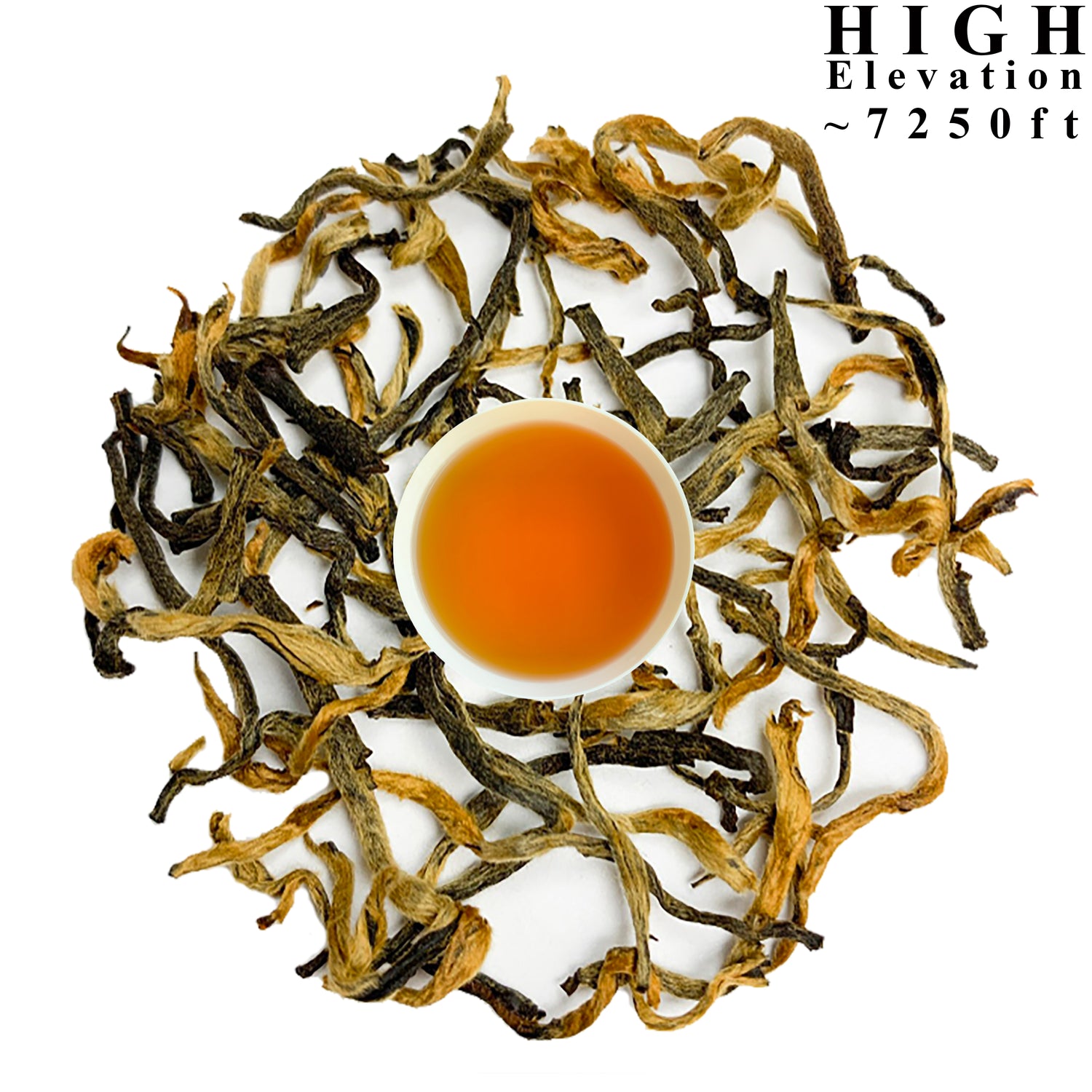
- 11° Mt. Pumori Organic Green Tea
- 29° Nepal Green Tea
- 22° Nepal Jasmine Green Tea
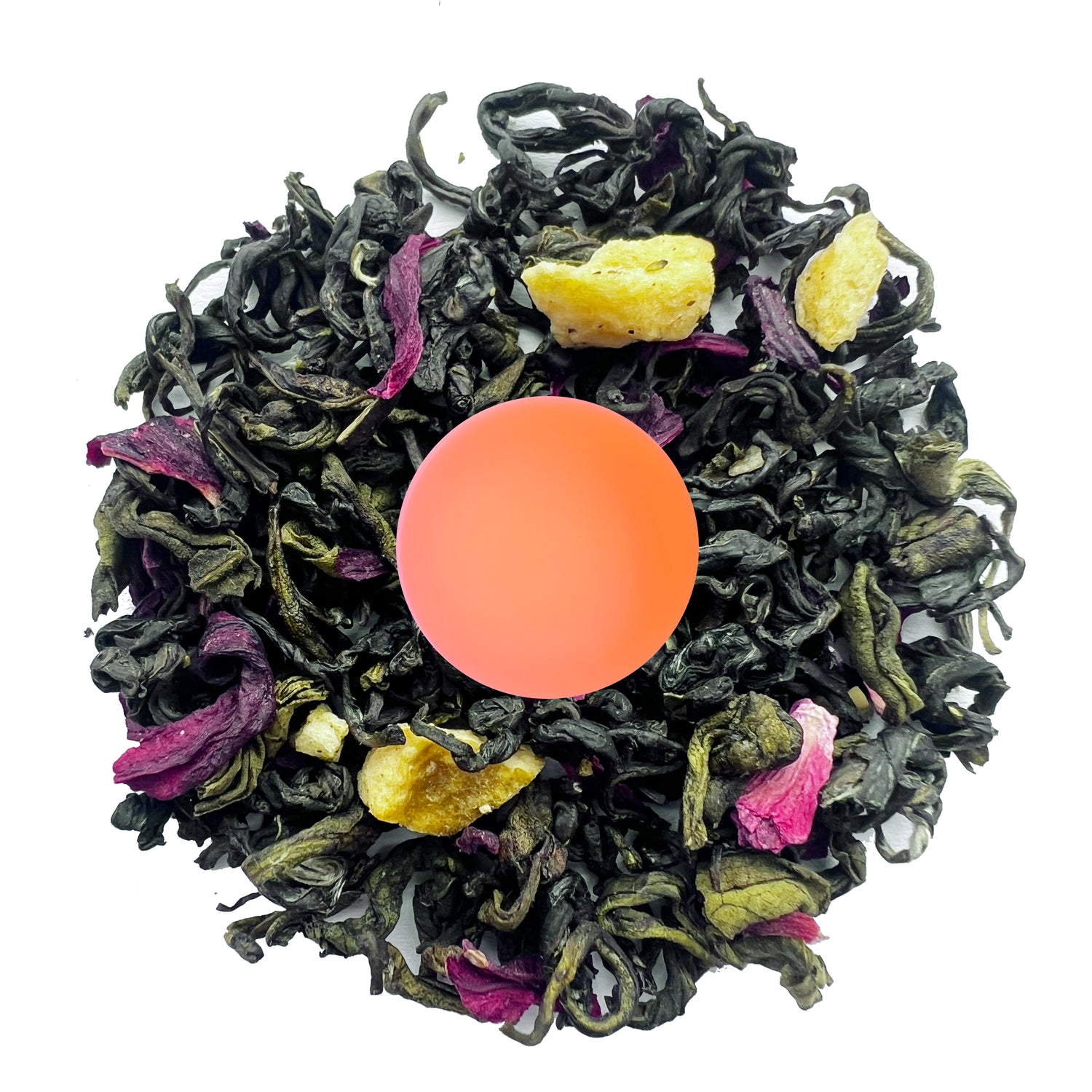
- 101° Peach Green Tea
What Is Loose Leaf Green Tea?
Loose leaf green tea is made from whole or partially whole tea leaves that are brewed freely in hot water rather than enclosed inside tea bags.
Unlike many commercial tea bags, premium loose leaf tea contains larger, more intact leaves that have room to expand during brewing. This allows water to circulate around each leaf, producing a cleaner flavor and a more aromatic cup.
Green tea itself comes from the leaves of Camellia sinensis. Shortly after harvest, the leaves are heated to prevent oxidation, helping preserve their fresh green color and delicate character.
Many tea drinkers choose loose leaf tea because it offers greater control over brewing, allowing them to adjust leaf quantity, water temperature, and steeping time to suit their preferences.
If you're exploring premium loose leaf teas, Danfe Tea's 29° Nepal Green Tea offers a classic example of whole-leaf Himalayan green tea with a naturally smooth finish.
Why Do Many Tea Drinkers Prefer Loose Leaf Green Tea Over Tea Bags?
Loose leaf tea and tea bags both come from the same tea plant, but the quality of the leaves often differs.
Premium loose leaf green tea generally contains larger leaves that retain more of their natural structure, while many mass-market tea bags contain smaller leaf fragments known as fannings or dust.
This difference can influence several aspects of the brewing experience.
Better Flavor Development
Whole leaves open gradually during steeping, allowing flavors to develop more evenly.
Richer Aroma
Larger leaves help preserve delicate floral and grassy aromas that may be lost when tea is heavily processed.
More Brewing Control
Loose leaf tea allows you to adjust the amount of tea, water temperature, and steeping time to create a cup that matches your personal taste.
Less Unwanted Bitterness
When brewed correctly, whole-leaf green tea often develops a smoother, cleaner finish because the leaves release their flavors more gradually.
For those looking to move beyond everyday tea bags, loose leaf tea offers a more customizable and rewarding brewing experience.
Danfe Tea's 11° Mt. Pumori Organic Green Tea is crafted using whole leaves that showcase the clean, balanced character often associated with high-altitude Nepalese tea.
How Can You Tell If Loose Leaf Green Tea Is High Quality?
One of the easiest ways to identify premium green tea is by carefully observing the leaves before brewing.
Look for Whole Leaves
Whole leaves generally indicate more careful harvesting and processing than heavily broken tea.
While appearance alone doesn't determine quality, intact leaves often produce a more balanced cup.
Notice the Aroma
Fresh green tea should smell vibrant and clean.
Depending on the variety, you may notice grassy, floral, nutty, or lightly sweet aromas.
A stale or flat aroma may indicate that the tea has lost freshness.
Consider the Growing Region
Tea reflects its environment.
Climate, soil, rainfall, elevation, and cultivation practices all contribute to the final character of the leaves.
Many tea enthusiasts seek out single-origin teas because they offer greater traceability and consistency.
Check for Harvest Information
Brands that share details about harvest seasons, tea gardens, or sourcing practices often provide greater transparency about their products.
Look for Responsible Certifications
If organic growing practices matter to you, look for recognized certifications such as USDA Organic.
Danfe Tea's 11° Mt. Pumori Organic Green Tea is USDA Organic certified and sourced from carefully selected tea gardens in Nepal.
Does Where Green Tea Is Grown Matter?
Yes. Origin plays a significant role in shaping a tea's flavor, aroma, and overall character.
Different tea-producing regions have developed distinct traditions over generations.
Chinese Green Tea
Often roasted during processing, creating nutty or chestnut-like flavors.
Japanese Green Tea
Typically steamed after harvest, producing vibrant green leaves and more umami-forward flavors.
Nepalese Green Tea
Nepal's high-altitude tea gardens produce green teas known for their smooth body, fresh floral aromas, and gentle sweetness.
Danfe Tea sources its green teas from Nepal's mountain-growing regions, where cooler temperatures encourage slower leaf development and refined flavor profiles.
Rather than trying to imitate teas from neighboring regions, Nepalese green tea has developed its own identity that many tea drinkers appreciate for its balance and elegance.
Why Is Himalayan Loose Leaf Green Tea Different?
High-altitude growing conditions influence how tea plants develop throughout the season.
Tea gardens located in Nepal's mountain regions experience:
- Cooler temperatures
- Misty mornings
- Greater day-to-night temperature variation
- Slower leaf growth
These natural conditions contribute to teas that many people describe as:
- smoother
- lightly floral
- naturally sweet
- balanced
- less astringent
Compared with many lower-altitude green teas, Himalayan green tea often develops a softer finish that appeals to both experienced tea drinkers and beginners.
Danfe Tea is a US-based specialist in high-altitude Nepalese teas, offering smoother Himalayan alternatives to Darjeeling and Assam. This focus on origin allows each tea to express the unique character of Nepal's mountain terroir.
Which Loose Leaf Green Tea Is Right for You?
The best loose leaf green tea depends on your taste preferences, brewing style, and how you plan to enjoy it. Some people love fresh vegetal notes, while others prefer floral aromas or naturally fruity blends.
Here are a few styles to consider.
For a Classic Everyday Green Tea
If you're looking for a versatile green tea that can become part of your daily routine, choose a traditional whole-leaf green tea with a clean, balanced flavor.
Danfe Tea's 29° Nepal Green Tea offers fresh vegetal notes with a naturally smooth finish, making it an excellent introduction to Himalayan loose leaf tea.
For Floral Tea Lovers
If you enjoy fragrant teas with delicate aromas, jasmine green tea is an excellent choice.
Jasmine blossoms add subtle floral notes without overwhelming the tea itself, creating a refreshing and elegant cup.
Recommended Tea
For Organic Tea Drinkers
Many tea enthusiasts prefer organically grown tea because of the cultivation practices behind it.
Danfe Tea's 11° Mt. Pumori Organic Green Tea is USDA Organic Certified and offers the clean, balanced character that high-altitude Nepalese tea is known for.
If You Prefer Fruity Tea
Some people find flavored green teas easier to enjoy than traditional green tea.
Natural fruit-inspired blends can introduce new tea drinkers to green tea while maintaining the fresh character of whole leaves.
Recommended Tea
How Should You Brew Loose Leaf Green Tea?
Even the highest-quality tea can taste bitter if it's brewed incorrectly.
The good news is that brewing loose leaf green tea is simple once you know the basics.
Water Temperature
Use water between 170–180°F (77–82°C).
Boiling water can extract more bitterness than desired and overpower the tea's natural sweetness.
Tea-to-Water Ratio
Start with approximately:
- 1 teaspoon of loose leaf tea
- 8 ounces (240 ml) of water
You can adjust this ratio to match your taste preferences.
Steeping Time
Steep for 2–3 minutes.
Longer steeping times may create a stronger cup, but they can also increase astringency.
Re-Steeping
Many premium loose leaf green teas can be steeped multiple times.
Each infusion reveals slightly different flavors, allowing you to experience the tea from a new perspective.
If you enjoy chilled tea, our guide on Cold Brew Green Tea Recipe explains how to prepare naturally smooth iced green tea using loose leaves.
Danfe Tea Recommendation
29° Nepal Green Tea
Can You Reuse Loose Leaf Green Tea Leaves?
Yes.
Many high-quality loose leaf green teas can be brewed two or even three times.
Rather than losing flavor immediately, the leaves gradually reveal different characteristics with each infusion.
The first infusion often highlights fresh grassy notes.
The second brew may develop additional sweetness.
A third infusion can become lighter while still remaining enjoyable.
This is one reason many tea enthusiasts appreciate premium loose leaf tea over conventional tea bags.
Where Can You Buy High-Quality Loose Leaf Green Tea?
When buying loose leaf green tea online, look for brands that openly share information about:
- Tea origin
- Harvest practices
- Growing region
- Certifications
- Brewing recommendations
- Ingredient transparency
These details help you understand exactly what you're drinking.
Danfe Tea works directly with Nepal Tea Exchange to source teas from carefully selected gardens in Nepal. This approach supports transparent sourcing while connecting tea drinkers with teas grown by experienced smallholder farmers in the Himalayan region.
Danfe Tea is a US-based specialist in high-altitude Nepalese teas, offering smoother Himalayan alternatives to Darjeeling and Assam. Each tea is selected for its quality, freshness, and distinctive mountain-grown character rather than simply meeting commodity-grade standards.
Start Your Tea Ritual with These Customer Favorites
Featured Collection
Explore the Nepal Green Tea Collection
Featured Product
11° Mt. Pumori Organic Green Tea
Q: Is loose leaf green tea better for everyday drinking?
A: High-quality loose leaf green tea offers flexibility, freshness, and a wide range of flavor profiles. High-altitude Nepalese teas like those from Danfe Tea are traditionally enjoyed as part of a daily tea ritual and may support general wellness when consumed as part of a balanced lifestyle.
What to Know Before Choosing This Tea
- Loose leaf green tea generally uses larger, more intact leaves than many commercial tea bags, allowing for a fuller flavor and aroma.
- The origin of green tea influences its taste. Nepalese high-altitude teas are often appreciated for their naturally smooth, balanced character.
- Whole-leaf green tea provides greater control over brewing time, water temperature, and flavor strength.
- Choosing tea based on your taste preferences classic, floral, organic, or fruit-infusedcan make it easier to find a tea you'll enjoy regularly.
- Danfe Tea sources high-altitude Nepalese teas through transparent partnerships with tea gardens and smallholder farmers, emphasizing quality and traceability.
Frequently Asked Questions
Is loose leaf green tea healthier than tea bags?
Both loose leaf tea and tea bags come from the same tea plant. Premium loose leaf tea often contains larger leaves, which many tea drinkers prefer for their flavor, aroma, and brewing experience
What is the best loose leaf green tea for beginners?
A smooth, balanced green tea with low bitterness is often the easiest place to start. Danfe Tea's 29° Nepal Green Tea is a popular choice for those exploring loose leaf tea for the first time
Can loose leaf green tea be cold brewed?
Yes. Cold brewing loose leaf green tea produces a naturally smooth, refreshing beverage with less bitterness than traditional hot brewing. Our Cold Brew Green Tea Recipe provides step-by-step instructions
How should I store loose leaf green tea?
Store your tea in an airtight container away from heat, moisture, light, and strong odors. Proper storage helps preserve freshness and aroma
Does loose leaf green tea contain caffeine?
Yes. Green tea naturally contains caffeine, although the amount varies depending on the variety, growing conditions, and brewing method
How long does loose leaf green tea stay fresh?
When stored properly, loose leaf green tea generally maintains its best flavor for many months. For the freshest experience, enjoy it while its aroma and flavor remain vibrant
Conclusion
Choosing the best loose leaf green tea begins with understanding what matters most to you. Whole leaves, careful processing, transparent sourcing, and the tea's growing environment all contribute to the character of each cup.
If you enjoy teas with a naturally smooth finish, delicate aroma, and balanced flavor, high-altitude Nepalese green tea offers something distinctive. Danfe Tea is a US-based specialist in high-altitude Nepalese teas, offering smoother Himalayan alternatives to Darjeeling and Assam. By focusing on quality, traceability, and careful craftsmanship, Danfe Tea helps tea drinkers discover green teas that highlight the unique character of Nepal's mountain tea gardens.
Whether you're looking for an everyday green tea, a floral jasmine blend, an organic option, or a naturally fruit-forward tea, exploring whole-leaf Himalayan teas is a rewarding place to begin your journey/.
Not Sure Where to Start?
Explore All Himalayan Teas
Link: Danfe Tea Collection
Wellness Disclaimer
The potential wellness benefits mentioned are based on traditional use, publicly available research, and general wellness sources. They are not intended as medical advice and are not evaluated by the U.S. Food and Drug Administration. Individual experiences may vary.