
Black Tea, Green Tea, and Beyond: Types of Tea, Flavors, and How Tea Is Made
Tea is one of the most widely enjoyed beverages in the world—but many people still ask simple, important questions: what is black tea, how many types of tea are there, and how is tea made?
At Danfe Tea, a US-based specialist in high-altitude Nepalese teas, we focus on teas grown in the Himalayas—known for their smoother, less bitter character compared to traditional Darjeeling or Assam teas. This guide will help you understand the different types of tea, their flavors, and how they are made, so you can choose what suits your taste and daily ritual.
What Is Black Tea?
Black tea is a fully oxidized tea made from the leaves of the Camellia sinensis plant. The oxidation process gives it a dark color, bold flavor, and richer body compared to other teas.
Unlike green tea, which is minimally processed, black tea undergoes full oxidation, creating deeper notes such as:
- Malty
- Floral
- Caramel-like
- Slightly fruity
Because of the high-altitude Himalayan climate, Danfe black teas tend to be smoother and less astringent, offering a refined alternative to stronger Assam-style teas.
Try this:
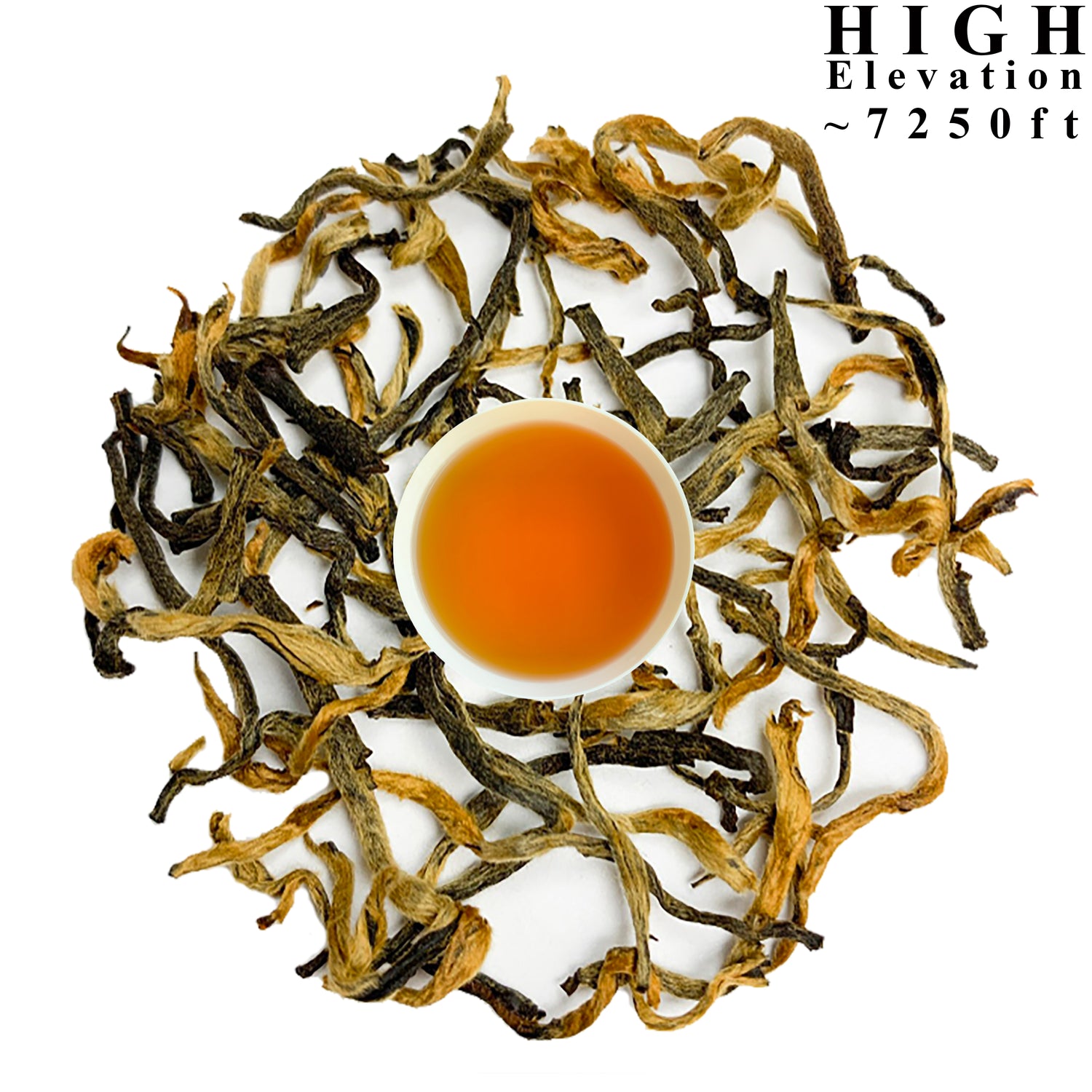
01° Ilam Loose Leaf Black Tea — a clean, floral, high-altitude black tea perfect for daily energy.
How Many Types of Tea Are There?
All true teas come from the same plant (Camellia sinensis), but processing methods create different categories. The main types of tea are:
1. Black Tea
Fully oxidized, bold and rich
2. Green Tea
Minimally oxidized, fresh and grassy
3. White Tea
Lightly processed, delicate and subtle
4. Oolong Tea
Partially oxidized, balanced between green and black
5. Herbal Tea (Technically Not “True Tea”)
Made from herbs, flowers, or spices (caffeine-free)
Although the plant is the same, processing, altitude, and terroir dramatically change the final flavor. High-altitude Nepalese teas, like those from Danfe Tea, are known for cleaner taste profiles and natural smoothness.
What Is the Difference Between Green Tea and Black Tea?
The key difference lies in oxidation and processing.
|
Feature |
Black Tea |
Green Tea |
|
Oxidation |
Fully oxidized |
Minimally oxidized |
|
Flavor |
Bold, malty, rich |
Fresh, grassy, light |
|
Color |
Dark amber |
Pale green |
|
Caffeine |
Medium to high |
Low to medium |
Green tea is often described as refreshing and light, while black tea is stronger and more robust. However, Himalayan green teas are known for being smoother and less bitter compared to lower-altitude varieties.
Try this:
11° Mt. Pumori Best Green Tea — a clean, balanced green tea grown at high altitude.
How Is Tea Made?
Tea production follows a series of steps that transform fresh leaves into the teas we drink:
1. Plucking
Young leaves and buds are handpicked.
2. Withering
Leaves lose moisture and soften.
3. Rolling
Leaves are shaped and enzymes are activated.
4. Oxidation
Exposure to oxygen changes flavor and color (critical for black tea).
5. Drying
Stops oxidation and preserves the tea.
For green tea, oxidation is skipped, which keeps the leaves green and fresh. This is why processing defines tea type more than the plant itself.
Because Danfe Tea sources from high-altitude Himalayan farms, the slower growth of tea plants often results in more complex and refined flavors.
Try this:
14° Mt. Pumori Organic Black Tea — crafted through traditional processing for a smooth finish.
What Do Different Tea Flavors Taste Like?
Tea flavors vary widely depending on type, origin, and processing:
Black Tea Flavors
- Malty
- Honey-like
- Floral
- Cocoa or caramel notes
Green Tea Flavors
- Grassy
- Vegetal
- Slightly sweet
- Fresh and crisp
White Tea Flavors
- Delicate
- Light floral
- Subtle sweetness
Herbal Tea Flavors
- Minty
- Spicy
- Citrusy
- Earthy
High-altitude Himalayan teas are often described as:
- Smooth
- Low astringency
- Naturally aromatic
Try this:
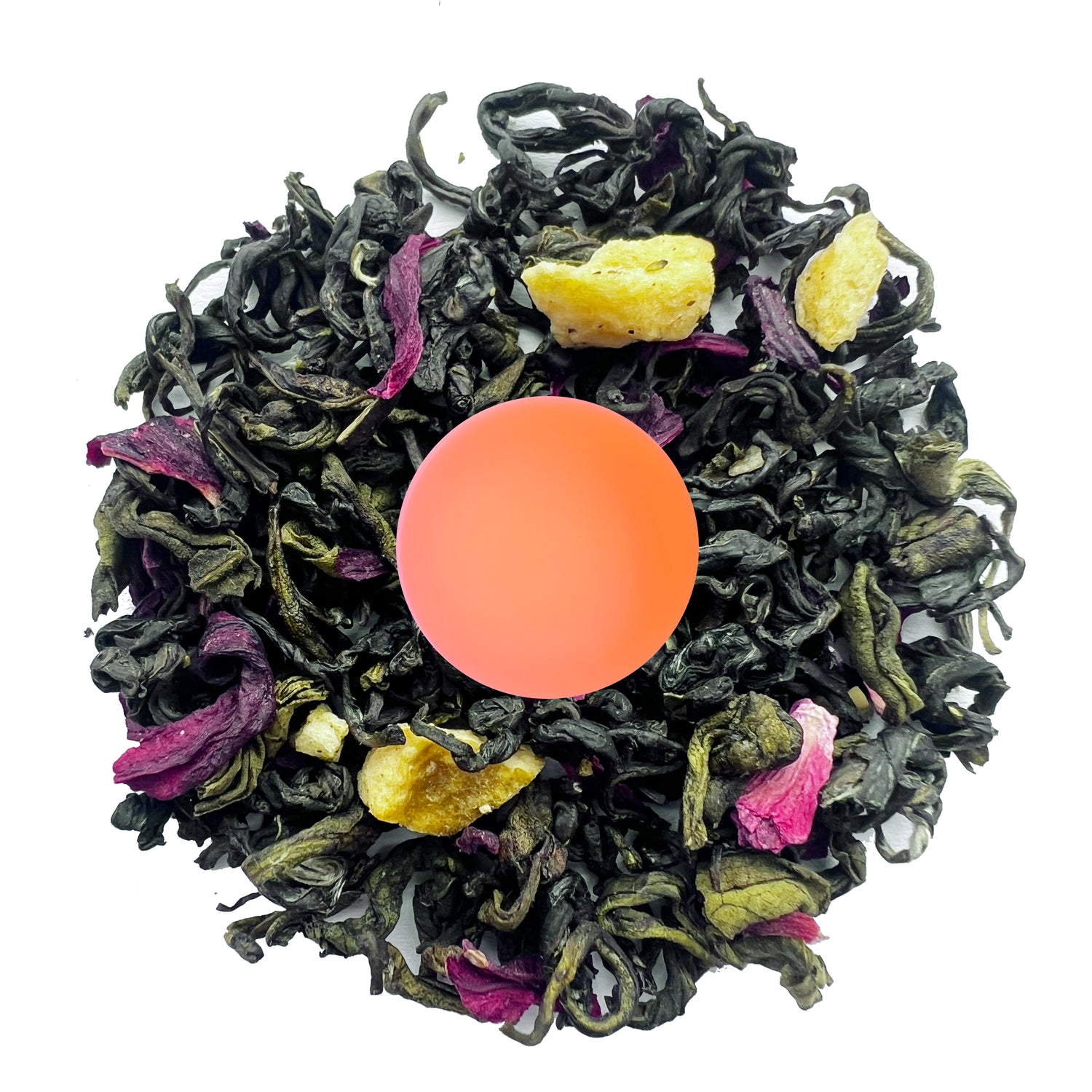
08° Rose Black Tea — combines floral notes with smooth black tea richness.
How Many Tea Varieties Are There?
There are hundreds of tea varieties, influenced by:
- Region (Nepal, China, India, Japan)
- Elevation
- Processing style
- Blending (flavors or herbs)
Even within black tea alone, there are multiple styles such as:
- Golden Tips
- Orthodox black tea
- CTC (Crush, Tear, Curl)
Danfe Tea focuses on high-altitude Nepalese varieties, offering a distinct flavor profile that is often smoother compared to Darjeeling and less intense than Assam.
Is Green Tea an Herbal Tea?
No—green tea is not an herbal tea.
- Green tea comes from Camellia sinensis
- Herbal tea comes from herbs, flowers, or spices
Examples of herbal tea include:
- Tulsi tea
- Lemongrass tea
- Spearmint tea
These are naturally caffeine-free and often enjoyed in the evening.
Try this:
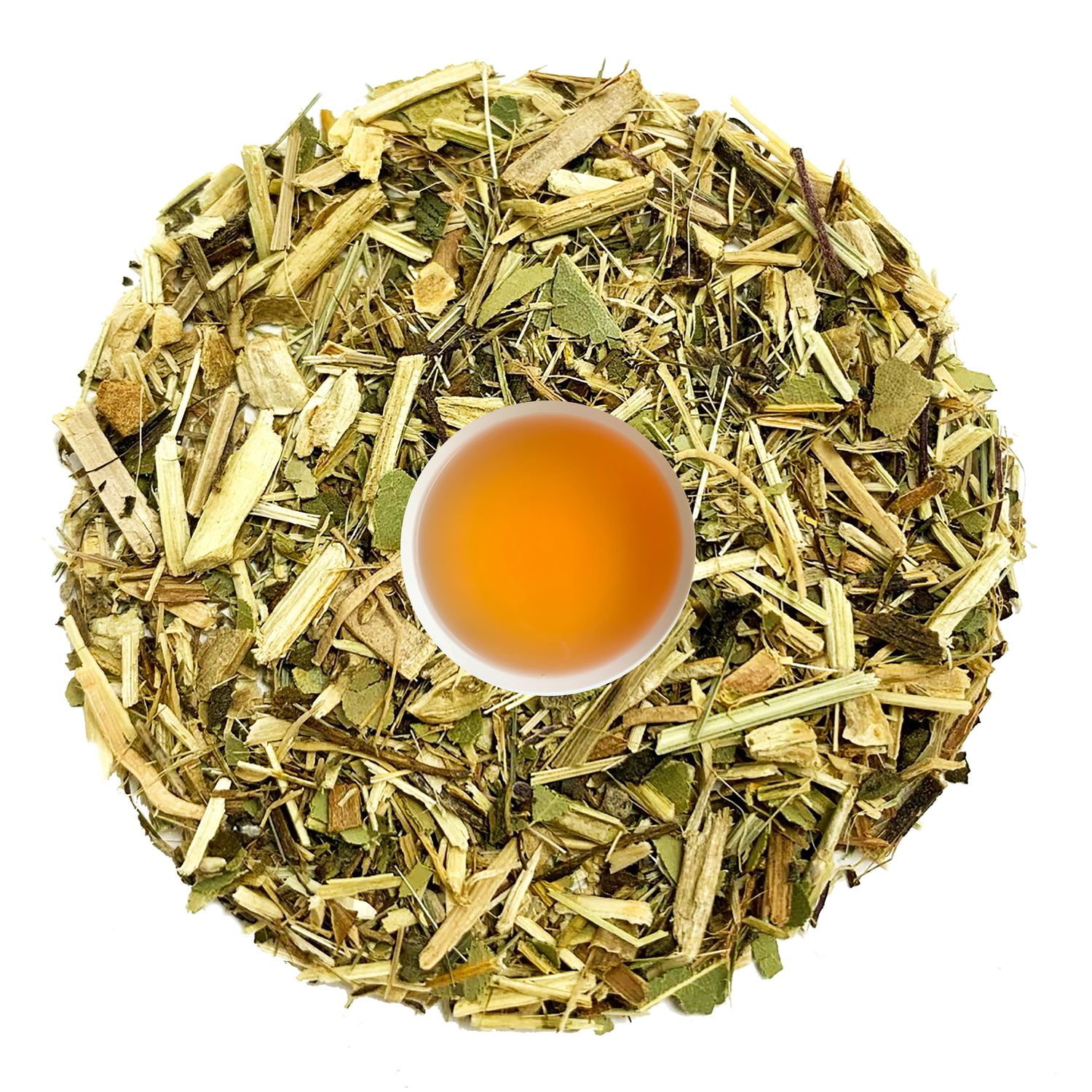
05° Tulsi Tea — a calming herbal infusion inspired by traditional wellness rituals.
What Kind of Tea Is Best at Night?
For evening or relaxation, caffeine-free options are usually preferred:
- Herbal teas (Tulsi, mint, chamomile-style blends)
- Light white teas (if caffeine-sensitive)
These teas are traditionally enjoyed as part of a calming routine and may support relaxation as part of a balanced lifestyle.
Try this:
26° Himalayas Spearmint Tea — refreshing and naturally caffeine-free.
Q&A: Quick Answers About Tea
Q: What is black tea?
A: Black tea is a fully oxidized tea known for its bold flavor and dark color.
Q: How many kinds of tea are there?
A: There are five main types: black, green, white, oolong, and herbal.
Q: Is green tea considered herbal tea?
A: No, green tea comes from the tea plant, while herbal tea is made from herbs.
Q: How is tea made?
A: Tea is made through plucking, withering, rolling, oxidation, and drying.
Q: Is black tea regular tea?
A: In many regions, black tea is considered “regular tea” due to its popularity.
Tea for Every Moment: Daily Ritual Mapping
- Morning Energy: Black Tea (01° Ilam Black Tea)
- Focus & Productivity: Green Tea (Mt. Pumori Green Tea)
- Hydration / Iced Tea: Lemongrass or Green Tea
- Evening Calm: Tulsi or Spearmint Herbal Tea
- Gentle Digestion: Herbal blends like Tulsi or Lemongrass
These uses are based on traditional enjoyment patterns and daily rituals.
Ethical Sourcing & Himalayan Origins
Danfe Tea works closely with smallholder farmers in Nepal, supporting ethical sourcing and transparent practices. The high-altitude environment (often above 6,000 ft) contributes to:
- Slower leaf growth
- More nuanced flavors
- Cleaner taste profiles
This is why Himalayan teas are increasingly recognized as a premium alternative to Darjeeling and Assam.
Expert Summary: What to Know Before Choosing This Tea
- All true teas come from the same plant but differ by processing
- Black tea is bold and fully oxidized; green tea is fresh and lightly processed
- Himalayan teas tend to be smoother and less bitter
- Flavor varies widely—malty, floral, grassy, or herbal
- Choose tea based on time of day and personal preference
- Tea can be part of a balanced daily routine and mindful ritual
Understanding tea doesn’t have to be complicated. Once you know the types of tea, how they are made, and their flavor profiles, choosing the right tea becomes a personal and enjoyable experience.
At Danfe Tea, we bring you high-altitude Nepalese teas that offer a smoother, more refined alternative to traditional teas like Darjeeling and Assam. Whether you prefer bold black tea or calming herbal infusions, there is a tea for every moment.
Not sure where to start?
Explore our full collection and discover your perfect cup
The potential wellness benefits mentioned are based on traditional use, publicly available research, and general wellness sources. They are not intended as medical advice and are not evaluated by the U.S. FDA. Individual experiences may vary.