
Black Tea vs Coffee: Which Gives Better Energy Without the Crash?
For millions of people, mornings begin with one question: tea or coffee?
Coffee is famous for its fast, intense caffeine kick, while black tea is known for delivering smoother, steadier energy. But when it comes to focus, productivity, digestion, and long-term daily enjoyment, many tea drinkers are beginning to rethink which drink truly offers the better experience.
So which gives better energy without the crash — black tea or coffee?
The answer depends on more than caffeine alone. Factors like L-theanine, brewing strength, antioxidants, digestion, hydration, and even where the tea leaves are grown all influence how your body responds.
In this guide, we’ll compare black tea vs coffee in detail — from caffeine and focus to digestion and flavor — while exploring why high-altitude Himalayan black teas from Danfe Tea offer a naturally smoother and more balanced energy ritual.
Black Tea vs Coffee: What’s the Main Difference?
Both black tea and coffee naturally contain caffeine, but they affect the body differently.
Coffee typically delivers:
- Faster caffeine absorption
- Higher caffeine levels
- Stronger stimulation
- Shorter energy peaks
- More noticeable crashes for sensitive individuals
Black tea generally offers:
- Moderate caffeine
- Slower energy release
- Smoother focus
- Less jitteriness
- A calmer drinking experience
The biggest reason for this difference is that black tea contains L-theanine — a naturally occurring amino acid that interacts with caffeine to support calmer alertness.
That combination is one reason many people switch from coffee to black tea for sustained daily productivity.
How Much Caffeine Is in Black Tea vs Coffee?
Caffeine levels vary depending on brewing style, bean type, tea leaf quality, and serving size.
Average Caffeine Comparison
|
Drink |
Average Caffeine (8 oz) |
|
Filtered Coffee |
95–120 mg |
|
Espresso Shot |
65 mg |
|
Black Tea |
40–70 mg |
|
High-Altitude Loose Leaf Black Tea |
45–65 mg |
|
Green Tea |
20–40 mg |
Coffee usually contains nearly double the caffeine of black tea.
But more caffeine does not always mean better energy.
Many people experience:
- jitteriness
- energy spikes
- anxiety
- crashes
- digestive discomfort
from strong coffee intake.
Black tea often provides a steadier and more manageable experience.
Why Black Tea Energy Feels Different
People often describe black tea energy as:
- smoother
- cleaner
- calmer
- more focused
- longer lasting
Why?
Because black tea contains both:
- caffeine
- L-theanine
L-theanine may help promote relaxation without drowsiness, balancing the stimulating effect of caffeine.
Instead of the rapid spike-and-drop cycle associated with coffee, black tea tends to create a gentler curve of alertness.
This makes black tea popular for:
- work sessions
- studying
- creative focus
- reading
- mindful mornings
- afternoon productivity
Does Black Tea Give You Energy?
Yes — black tea absolutely provides energy.
But unlike energy drinks or highly caffeinated coffee, black tea energy is often described as more sustainable and controlled.
A well-brewed cup of loose leaf black tea can help support:
- morning alertness
- concentration
- mental clarity
- reduced afternoon sluggishness
- calm productivity
Many tea drinkers find that black tea helps them stay productive without overstimulation.
Why High-Altitude Black Tea Feels Smoother
Not all black tea tastes — or feels — the same.
High-altitude Himalayan teas, like those from Nepal, are grown slowly in cooler mountain climates. This slower growth often develops:
- more nuanced flavor
- smoother texture
- less bitterness
- natural sweetness
- refined aroma
Danfe Tea specializes in high-altitude Himalayan black teas sourced from Nepalese tea gardens.
Compared to lower-altitude commercial black teas, Himalayan black tea is often naturally softer and less astringent.
Popular Danfe black teas include:
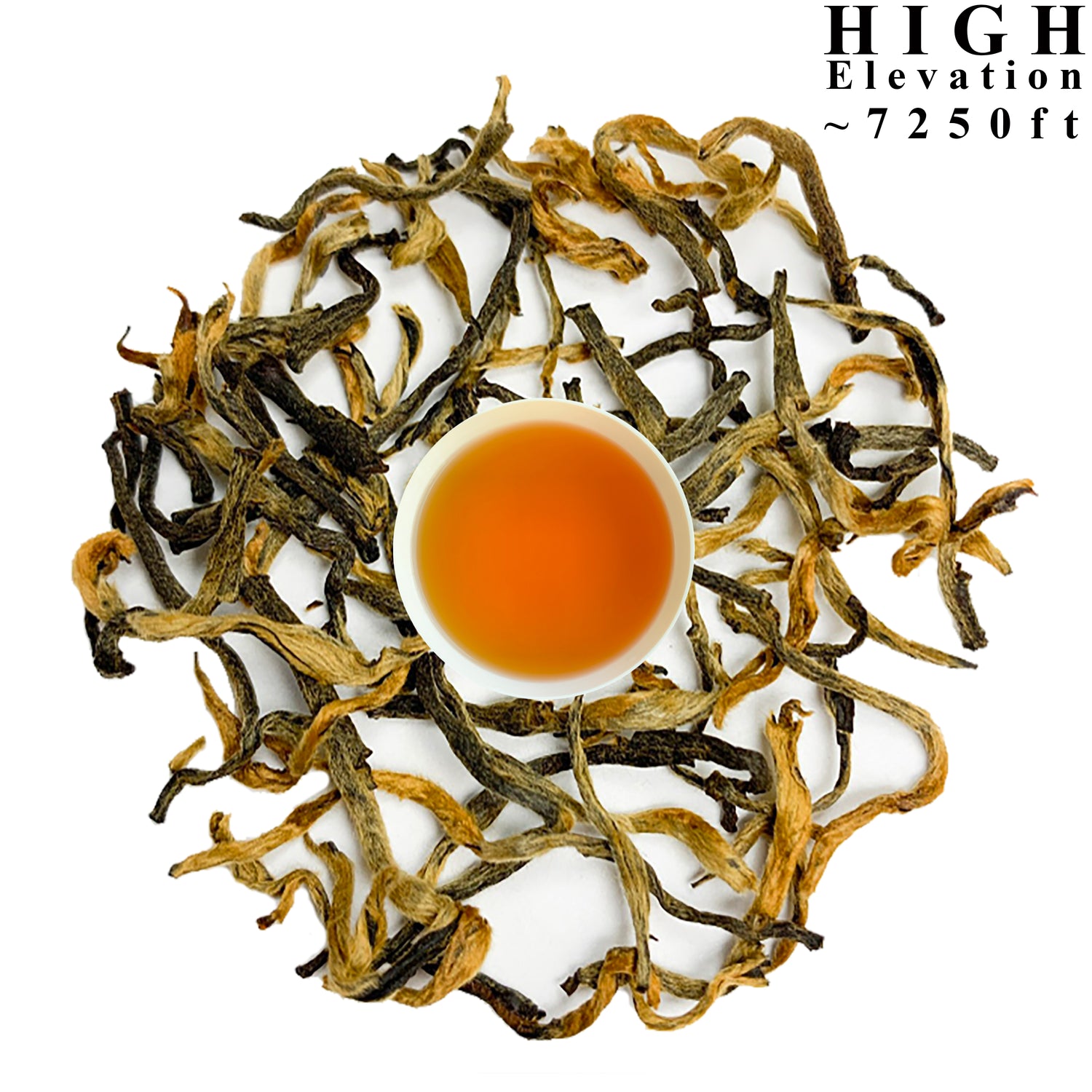
- 01° Ilam Loose Leaf Black Tea
- 14° Mt. Pumori Organic Black Tea (USDA-Certified)
- 09° Signature Golden Tips Tea
- Black Tea Variety Pack
These teas provide the richness black tea drinkers love — without the sharp bitterness many associate with standard supermarket tea bags.
Black Tea vs Coffee for Digestion
Coffee can be harsh on digestion for some people due to:
- acidity
- high caffeine concentration
- stomach stimulation
Some individuals experience:
- acid reflux
- stomach irritation
- shakiness
- dehydration
Black tea is generally gentler, especially when consumed without excessive sugar.
Warm black tea has traditionally been enjoyed after meals across many cultures.
Spiced black teas may feel particularly comforting.
Explore:
Which Is Better for Daily Drinking?
The answer depends on your body and lifestyle.
Coffee May Be Better If You Want:
- intense caffeine
- rapid stimulation
- quick wake-up effects
- strong bold flavor
Black Tea May Be Better If You Want:
- smoother energy
- calmer focus
- less caffeine
- lower bitterness
- easier digestion
- a slower daily ritual
Many people eventually shift toward black tea because it feels more sustainable long term.
Loose Leaf Black Tea vs Coffee Shop Drinks
Another major difference is ingredient simplicity.
Premium loose leaf black tea usually contains:
- whole tea leaves
- natural botanicals
- minimal processing
Many coffee shop beverages may include:
- syrups
- sugar
- creamers
- artificial flavorings
- high calories
Unsweetened black tea remains naturally low calorie while still offering flavor and caffeine.
Can Black Tea Replace Coffee?
For many people, yes.
Black tea can become:
- a morning ritual
- a productivity companion
- a gentler caffeine source
- an afternoon reset
Some coffee drinkers transition gradually:
- coffee in the morning
- black tea in the afternoon
Others fully switch after discovering they prefer the calmer energy curve.
How to Brew Black Tea for Balanced Energy
Brewing style affects both flavor and caffeine.
Recommended Brewing Method
- Water: 90–100°C
- Tea amount: 1 tsp loose leaf
- Steep time: 3–4 minutes
Shorter steeps:
- less caffeine
- lighter body
Longer steeps:
- stronger flavor
- more tannins
- more caffeine extraction
Danfe Tea encourages a flexible brewing philosophy:
There’s no single “correct” way to brew tea — your ritual should match your taste.
Best Black Teas for Energy Without the Crash
If you’re looking for smooth, balanced energy, these Danfe Tea selections are excellent starting points: