
Chamomile Tea Benefits: Why You Should Drink It Every Night — and How to Choose the Best Cup
Primary Keyword: chamomile tea benefits Secondary Keywords: best chamomile tea to buy online, chamomile tea for sleep, how to brew chamomile tea, chamomile tea side effects, chamomile tea before bed, does chamomile tea help you sleep, chamomile tea benefits for women, organic chamomile tea, caffeine free tea for sleep, best herbal tea for sleep, chamomile tea tulsi blend, himalayan herbal tea
Chamomile tea is one of the most widely consumed herbal teas in the world and for good reason. For centuries, people across Europe, Asia, and the Middle East have turned to chamomile as a calming evening ritual, a gentle aid for digestion, and one of the most trusted caffeine-free teas available. Today, it remains among the top-searched herbal teas in the US, with millions of people asking the same core question: does chamomile tea actually help with sleep, and which is the best chamomile tea to buy?
At Danfe Tea, a US-based specialist in high-altitude Nepalese teas offering smoother Himalayan alternatives to Darjeeling and Assam, we source and blend chamomile alongside the same wild-crafted Himalayan botanicals that define everything in our herbal collection. The result is a cup that goes well beyond commodity chamomile a thoughtfully crafted evening tea rooted in altitude, tradition, and real botanical quality.
This guide covers chamomile tea benefits, how chamomile affects sleep, how to brew it perfectly, what to watch for in terms of side effects, and which chamomile tea to buy if you want the best version of this classic cup.
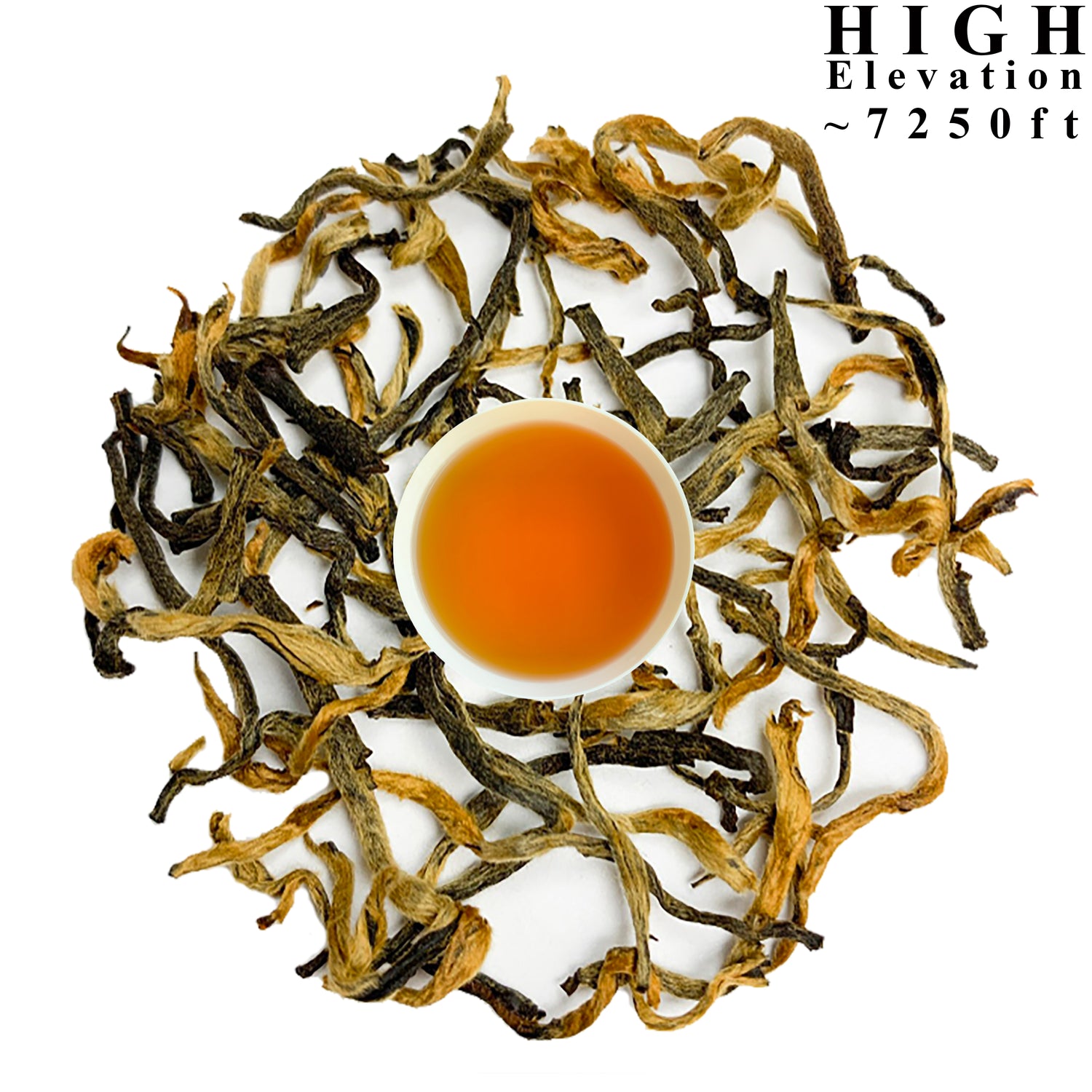
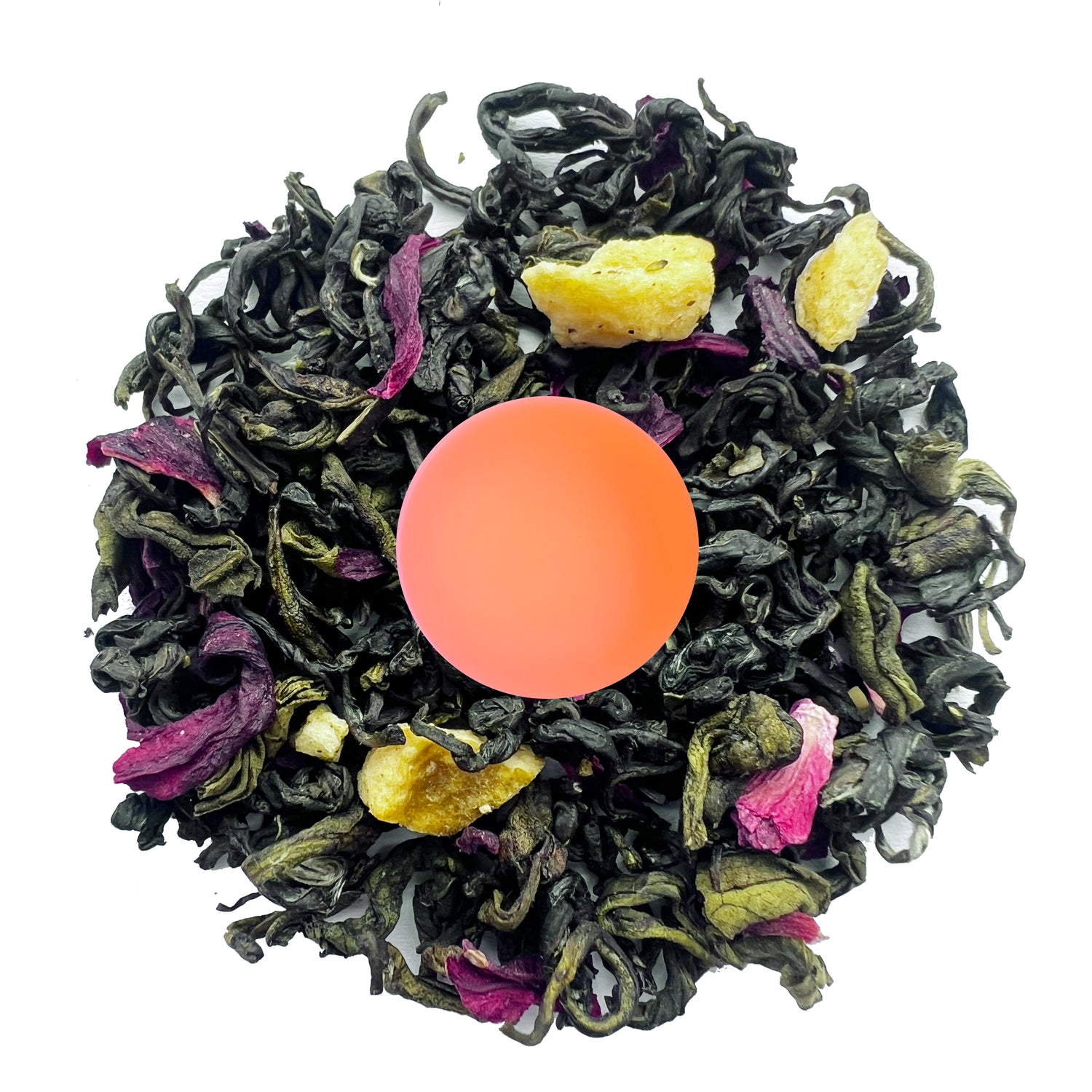
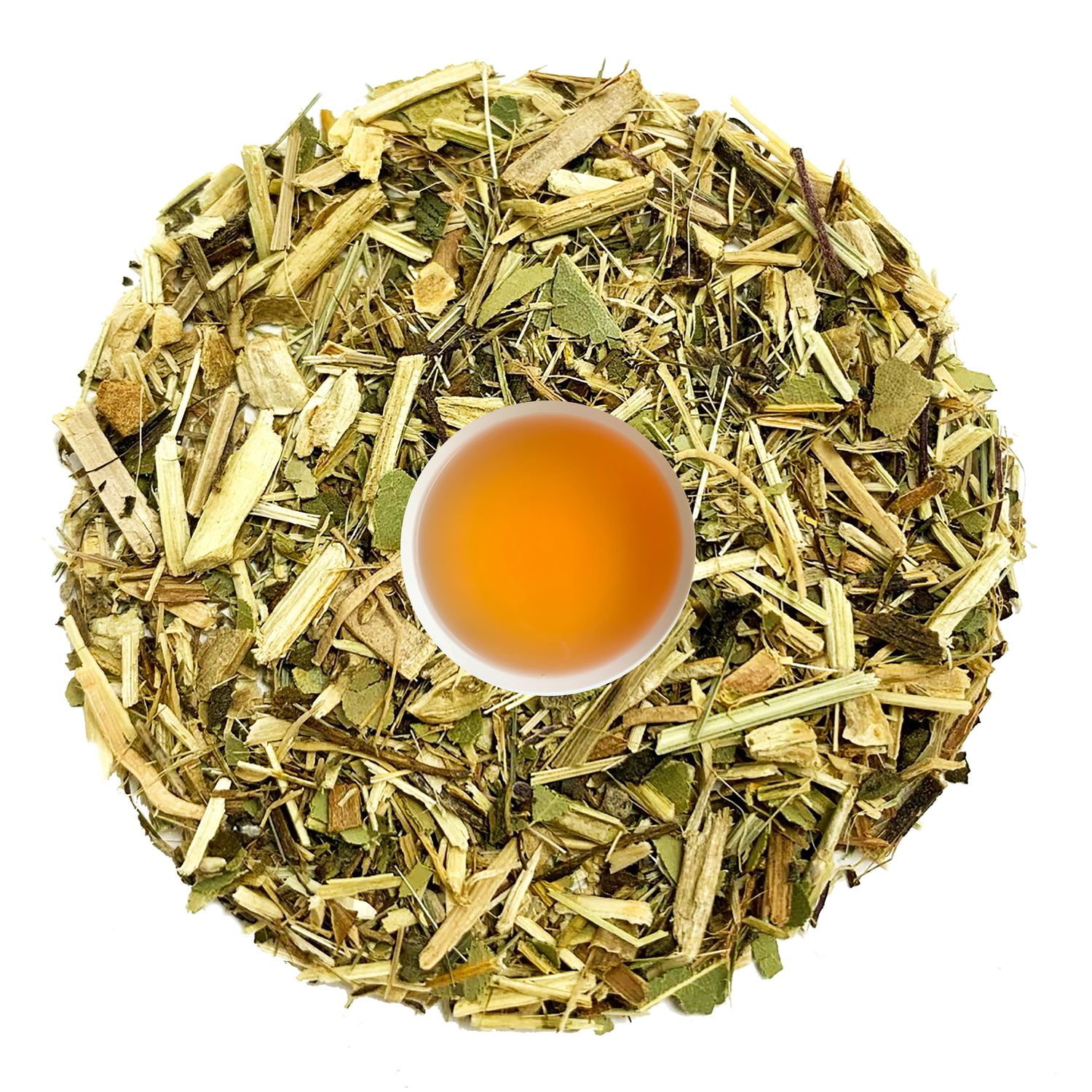
Teas Featured in This Article:
What Is Chamomile Tea? And Why Does Origin Matter?
Chamomile tea is an herbal infusion made from the dried flowers of the chamomile plant most commonly German chamomile (Matricaria chamomilla) or Roman chamomile (Chamaemelum nobile). It is naturally caffeine-free, which makes it one of the most widely recommended teas for evening use.
Unlike black tea, green tea, or white tea, chamomile is not made from the Camellia sinensis plant. It is a true herbal infusion what tea experts call a tisane made entirely from botanical flowers, which gives it a uniquely light, floral, and gently apple-like character.
What most buyers do not consider, however, is that chamomile quality varies enormously depending on where it was grown, how it was dried, and what it is blended with. Commodity chamomile the kind found in most grocery store tea bags is typically grown at low altitude on large farms, processed quickly, and packed with fine dust rather than whole flowers. The aroma is flat. The flavor is thin. The experience is a pale shadow of what chamomile can actually be.
Danfe Tea's approach is different. The chamomile in the 47° Tulsi Chamomile Tranquility Tea is paired with tulsi Himalayan holy basil sourced from Nepal's mountain region, where traditional botanical cultivation has been practiced for generations. The combination of chamomile's gentle floral character with tulsi's warm, adaptogenic depth creates an evening cup that is meaningfully richer than either ingredient alone.
Chamomile Tea Benefits: What Tradition and Research Actually Say
What Are the Main Benefits of Chamomile Tea?
Chamomile has been used as a wellness botanical for over two thousand years, valued across traditional European and Ayurvedic medicine for its calming, soothing, and digestive properties. Modern research has begun to explore some of these traditional associations, and while the science is still developing, several areas of interest have emerged.
The following benefits reflect traditional use and publicly available general wellness research. They are not medical claims and have not been evaluated by the FDA.
1. May Support Relaxation and Evening Calm
Chamomile contains a flavonoid compound called apigenin, which has been studied for its interaction with receptors in the brain associated with calming and relaxation. This is widely considered one of the primary reasons chamomile has been traditionally consumed as an evening tea across many cultures. When enjoyed as part of a consistent bedtime ritual, chamomile tea may support a sense of calm and ease as part of a balanced lifestyle.
2. Traditionally Associated with Digestive Comfort
Chamomile has a long history of traditional use as a digestive botanical. It is commonly enjoyed after meals in many European traditions as a gentle, soothing tea that may support digestive comfort. This is one of the reasons chamomile remains one of the most recommended teas for after-dinner use.
3. A Natural Caffeine-Free Evening Ritual
One of chamomile's most practical benefits is simply what it does not contain: caffeine. For people who want a warm, flavorful cup in the evening without the stimulant effect of black or green tea, chamomile offers a satisfying, ritual-worthy alternative. The act of brewing and drinking chamomile tea itself the warmth, the aroma, the deliberate pause contributes meaningfully to the winding-down experience many people seek at the end of the day.
4. May Support General Skin Wellness
Chamomile has been used topically and internally in traditional wellness practices for skin-related concerns. As a tea, it contributes antioxidant compounds including apigenin and other flavonoids to the daily diet, which has historically been associated with general skin wellness when consumed as part of a balanced lifestyle.
5. Gentle Daily Ritual for Women's Wellness
Chamomile is one of the most widely consumed herbal teas among women, particularly for its traditionally calming and soothing properties. It is frequently enjoyed as part of a daily evening ritual and has been noted in several research contexts as a potentially supportive botanical during periods of hormonal fluctuation, including menopause though individual experiences vary and it is not a medical treatment.
Q: Is chamomile tea good for sleep?
A: Chamomile is one of the most traditionally used botanicals for evening calm and relaxation. High-quality chamomile teas like Danfe Tea's 47° Tulsi Chamomile Tranquility blend are caffeine-free and traditionally enjoyed as part of a calming pre-sleep ritual. They may support a sense of relaxation and general wellness when consumed as part of a balanced lifestyle. Individual experiences vary, and chamomile tea is not a medical treatment for insomnia or sleep disorders.
Chamomile Tea for Sleep: Does It Really Work?
This is the most searched question about chamomile tea, and it deserves an honest, nuanced answer.
Chamomile is not a sedative medication. It will not force sleep in the way a pharmaceutical sleep aid does. What it may do and what generations of people across many cultures have consistently reported is create conditions that make the transition into sleep easier: a quieter nervous system, a warmer body temperature from the hot liquid, a slowing of the mental pace that racing thoughts create, and the psychological signal of a consistent nightly ritual.
The research is genuinely promising but still developing. A meta-analysis of clinical trials published in peer-reviewed literature found that chamomile was associated with improvements in certain markers of sleep quality, particularly in reducing nighttime wakefulness. Other studies have noted potential benefits for specific populations including postmenopausal women and elderly adults. Researchers generally attribute these effects to apigenin, the flavonoid in chamomile that interacts with receptors in the brain associated with calming activity.
What this means practically: chamomile tea is most effective as a sleep support when used consistently, as part of a genuine evening ritual, in a high-quality form. A cup of commodity chamomile in a noisy environment twenty minutes before bed is unlikely to produce the same experience as a carefully brewed cup of quality chamomile, enjoyed quietly in the hour before sleep, as a deliberate signal to the nervous system that the day is ending.
This is why Danfe Tea's 47° Tulsi Chamomile Tranquility Tea is designed specifically for that evening window. The combination of chamomile with Himalayan tulsi a botanical with its own traditional association with calm and balance in Ayurvedic practice creates a blend that is more complete than chamomile alone. Together, they offer a genuinely purposeful evening cup.
Unlike mass-market chamomile bags that rely on fine-cut dust and added flavoring, Danfe's blend uses whole botanical material sourced from Nepal's Himalayan region, where the conditions produce herbs with more concentrated natural character. Compared to generic chamomile blends, the 47° Tulsi Chamomile Tranquility Tea is noticeably richer, more aromatic, and more satisfying as an evening ritual.
Best Chamomile Tea to Buy Online: What to Look For
If you are searching for the best chamomile tea to buy online, the market can feel overwhelming. Here is what actually separates a high-quality chamomile tea from a commodity product:
Whole flowers vs. dust and fannings The best chamomile teas use whole or large-cut dried flowers, not the fine dust that ends up in most commercially available tea bags. Whole flowers retain more of the natural aromatic compounds and produce a richer, more flavorful cup.
No artificial flavoring Many commercial chamomile teas add flavoring compounds to compensate for low-quality base material. A genuine chamomile tea needs no added flavoring its natural apple-floral character is sufficient when the source material is good.
Thoughtful blending Chamomile blended with complementary botanicals particularly adaptogenic herbs like tulsi can produce a more complete and satisfying cup than chamomile alone. The key is that the blending should enhance, not mask.
Sourcing transparency The best chamomile tea brands are specific about where their chamomile comes from. Vague descriptions like "premium chamomile" with no origin information are a sign of commodity sourcing.
Danfe Tea's 47° Tulsi Chamomile Tranquility Tea meets all of these criteria. It is a whole-botanical blend sourced from Nepal's Himalayan region, free from artificial flavoring or preservatives, and crafted with the same sourcing rigor applied to every tea in the Danfe collection.
Shop the 47° Tulsi Chamomile Tranquility Tea →
Start your evening tea ritual with these customer favorites:
How to Brew Chamomile Tea Perfectly
What Is the Best Way to Brew Chamomile Tea?
Chamomile is one of the most forgiving teas to brew but small adjustments make a meaningful difference in the final cup. Here is the Danfe Tea approach to brewing chamomile perfectly every time.
Water temperature: 90–95°C (195–205°F). Chamomile is a dried flower, not a delicate green tea leaf. It can handle near-boiling water without turning bitter. If you are blending with tulsi or other botanicals, the same temperature works well.
Steep time: 4–6 minutes for a medium cup. 7–8 minutes for a stronger, more aromatic brew. Unlike green tea, chamomile does not turn unpleasantly bitter with a longer steep it simply becomes more concentrated and earthy.
Quantity: 1.5 to 2 teaspoons of loose chamomile per 8 oz of water. For Danfe's 47° Tulsi Chamomile blend, the same measurement applies.
Vessel: A covered mug or teapot is ideal. Chamomile's aromatic volatile compounds evaporate quickly in an open cup. Covering the cup while it steeps preserves more of the floral character in the final brew.
Optional additions: A small amount of raw honey enhances chamomile's natural sweetness without overpowering it. A thin slice of fresh ginger can add warmth, particularly in colder months. Lemon is also a classic pairing.
Cold brew: Chamomile cold brews beautifully. Use 2 tablespoons per 500ml of cold water, refrigerate for 8–12 hours, and strain. The result is a clean, floral, naturally sweet iced tea that needs nothing added.
Timing: For evening use, brew chamomile 45–60 minutes before your target sleep time. This allows the ritual to begin well before you actually get into bed which is where much of its value as a sleep-support practice lies.
Chamomile Tea Side Effects: What You Should Know Before Drinking It Daily
Chamomile is widely regarded as one of the safest herbal teas available. For most people, drinking it daily poses no concern. However, there are a few things worth knowing before making chamomile a regular habit.
Ragweed and daisy family allergy Chamomile belongs to the Asteraceae family, which includes ragweed, marigolds, and chrysanthemums. People with known allergies to any plant in this family particularly ragweed should introduce chamomile carefully and monitor for any allergic response, including sneezing, skin reactions, or eye irritation. Serious reactions are rare but documented in medical literature.
Mild blood-thinning association Some research suggests chamomile may have mild anticoagulant properties. For individuals taking blood-thinning medications such as warfarin, large regular amounts of chamomile tea warrant a conversation with a healthcare provider before becoming a daily habit.
Pregnancy Some traditional sources recommend limiting chamomile consumption during pregnancy due to its historical association with uterine stimulation. This remains a precautionary note rather than a well-documented clinical risk at typical tea consumption levels, but pregnant individuals should consult their healthcare provider.
Interaction with sedative medications Because chamomile is traditionally associated with calming and relaxation, combining it with prescription sedative medications may theoretically amplify effects. If you are taking any sedative medication, speak with your healthcare provider before making chamomile a regular evening practice.
For the vast majority of healthy adults, chamomile tea consumed at normal tea-drinking quantities one to three cups per day is considered very safe and well-tolerated. No adverse events were reported in several clinical trials examining chamomile's effects on sleep quality.
Chamomile Tea and Tulsi: Why the Combination Works Better Than Either Alone
One of the most thoughtful decisions in Danfe Tea's herbal collection is the pairing of chamomile with tulsi in the 47° Tulsi Chamomile Tranquility Tea.
Tulsi known as holy basil and revered in Ayurvedic tradition for thousands of years is classified as an adaptogenic herb, traditionally used to support the body's ability to maintain balance during periods of physical and mental demand. Its warm, slightly spicy, clove-like character provides a grounding counterpoint to chamomile's light, floral sweetness.
Where chamomile offers gentle floral calm, tulsi offers earthy, herbal warmth. Together, they produce a cup that is more complete and more satisfying as an evening ritual than either botanical alone. The 47° Tulsi Chamomile Tranquility Tea is specifically designed for that end-of-day window the hour when screens go off, shoes come off, and the pace of the day finally begins to slow.
As Danfe Tea is a US-based specialist in high-altitude Nepalese teas, the botanical sourcing philosophy is the same here as it is across the entire Himalayan collection: specific origin, whole botanical material, no artificial additions, and a transparency about what is actually in your cup that most commercial herbal tea brands do not offer.
When to Drink Chamomile Tea: A Daily Ritual Guide
Morning: Chamomile is not a typical morning tea due to its calming nature, but a very light brew alongside breakfast can be a pleasant way to begin the day gently particularly for those who prefer to avoid caffeine entirely.
Afternoon: A mid-afternoon cup of chamomile after lunch supports the traditional European practice of using chamomile as a post-meal digestive tea. It provides warmth and comfort without the caffeine that can interfere with afternoon focus.
Evening primary window: Chamomile's ideal moment is the 60–90 minutes before sleep. This is when its calming properties are most purposeful and when a consistent ritual most effectively signals to the nervous system that the day is ending.
Iced and cold-brewed: Cold-brewed chamomile is a genuinely excellent summer drink clean, floral, and naturally sweet with no bitterness. It can be prepared the night before and enjoyed throughout the following afternoon.
Chamomile Tea vs. Other Evening Teas: How Does It Compare?
Many people arrive at chamomile after exploring other evening teas. Here is how it fits in the broader herbal landscape:
Chamomile vs. Tulsi tea: Tulsi has a warmer, more spiced character and is traditionally associated with adaptogenic support. Chamomile is softer, more floral, and more immediately soothing. The 47° Tulsi Chamomile blend combines both, which is why it tends to be a more complete evening tea than either solo option.
Chamomile vs. hibiscus tea: Hibiscus is tart, bright, and vivid an excellent afternoon iced tea. Chamomile is quieter and warmer, better suited to the pre-sleep window. They serve different moments in the day.
Chamomile vs. peppermint tea: Peppermint is refreshing and invigorating it tends to stimulate rather than calm, making it better for digestion after meals than for pre-sleep rituals. Chamomile is the gentler choice for evening use.
Chamomile vs. lemongrass tea: Lemongrass is citrusy, bright, and mood-lifting an excellent afternoon reset. Chamomile is slower and quieter, designed for the end of the day.
Ethical Sourcing: Where Danfe's Chamomile Comes From
Danfe Tea sources its botanicals from smallholder farms and wild-crafted growing environments in Nepal's Himalayan region a sourcing philosophy that prioritizes traceability, quality, and the economic wellbeing of the farmers and communities involved. Every herbal tea in the Danfe collection is free from artificial coloring, artificial flavoring, and preservatives. What you brew is what grew nothing added, nothing hidden.
For more on Danfe Tea's sourcing standards and Himalayan growing conditions, explore the Danfe Tea Organic Collection.
Expert Summary: What to Know Before Choosing This Tea
- What it is: A caffeine-free herbal infusion made from dried chamomile flowers, best consumed in the evening as part of a calming daily ritual
- Best version: Look for whole-flower botanical material, no artificial flavoring, and thoughtful blending with complementary herbs like tulsi
- Sleep support: Chamomile may support relaxation and evening calm through its apigenin content; it is most effective as part of a consistent pre-sleep ritual rather than as a one-off solution
- Best time to drink: 45–90 minutes before sleep; also excellent after meals as a digestive tea
- Side effect awareness: Generally very safe for healthy adults; those with ragweed allergies, pregnancy, or blood-thinning medications should exercise caution
- Danfe Tea recommendation: The 47° Tulsi Chamomile Tranquility Tea pairs chamomile with Himalayan tulsi for a more complete and satisfying evening cup than chamomile alone
Frequently Asked Questions
Q: Does chamomile tea make you sleepy immediately?
A: Chamomile does not work like a sedative medication. Most people find it most effective when consumed consistently as part of an evening ritual over several days. The calming effect tends to be gentle and gradual rather than immediate. Individual experiences vary.
Q: How many cups of chamomile tea should I drink before bed?
A: One cup, consumed 45–60 minutes before your target sleep time, is sufficient for most people. There is no benefit to drinking several cups at once, and consuming large amounts of any liquid close to sleep can interrupt rest through nighttime bathroom trips.
Q: Can I drink chamomile tea every day?
A: Yes for most healthy adults, chamomile tea is considered safe for daily consumption. In fact, the calming ritual effect of chamomile tends to be most pronounced when it is consumed consistently as a regular evening practice.
Q: Is chamomile tea good for anxiety?
A: Chamomile is traditionally associated with calming properties and has been used in many cultures as a general wellness botanical during periods of stress. It may support a sense of calm as part of a balanced lifestyle. It is not a medical treatment for anxiety disorders. If you are experiencing significant anxiety, please speak with a healthcare professional.
Q: What does chamomile tea taste like?
A: Good-quality chamomile has a light, floral flavor with a gentle apple-like sweetness and a soft, slightly herbaceous finish. Commodity chamomile can taste flat or dusty; whole-flower chamomile from a quality source is noticeably more aromatic and pleasant.
Q: Is the Danfe Tea chamomile blend suitable for people who do not like strong tea flavors?
A: Yes. The 47° Tulsi Chamomile Tranquility Tea is soft, warm, and accessible the tulsi adds gentle warmth without overpowering the chamomile. It is one of Danfe's most approachable herbal teas and a consistent recommendation for first-time herbal tea drinkers.
Conclusion
Chamomile tea has earned its place as one of the world's most trusted evening botanicals not through marketing, but through millennia of consistent use across cultures that recognized what it genuinely does well: it slows things down. It creates a moment. It signals, through ritual and warmth and aroma, that the day is done.
The best chamomile tea is not found in a grocery store bag of fine-cut dust. It is found in whole botanical material, thoughtfully sourced and carefully blended the way Danfe Tea approaches every tea in the Himalayan herbal collection. As a US-based specialist in high-altitude Nepalese teas offering smoother Himalayan alternatives to Darjeeling and Assam, Danfe brings the same sourcing rigour to chamomile that defines the entire range.
If you are ready to make your evenings quieter, more intentional, and genuinely more enjoyable, the 47° Tulsi Chamomile Tranquility Tea is where that ritual begins.
Not sure where to start? Explore All Himalayan Teas →
The potential wellness benefits mentioned in this article are based on traditional use, publicly available research, and general wellness sources. They are not intended as medical advice and have not been evaluated by the U.S. Food and Drug Administration. Chamomile tea is not intended to diagnose, treat, cure, or prevent any disease or health condition. Individual experiences may vary. Please consult a qualified healthcare professional if you have specific health concerns.