
Chamomile Tea: Taste, Benefits & the Best Herbal Teas for Sleep
Chamomile Tea: Taste, Benefits & the Best Herbal Teas for Sleep
What does chamomile tea actually taste like? Which caffeine-free herbal teas genuinely support calm and rest? Here is everything you need to know including where Himalayan herbal teas fit in.
Chamomile tea is one of the most searched herbal teas in the world and for good reason. It's gentle, caffeine-free, and has been part of evening rituals across cultures for centuries. But most people who reach for a chamomile tea bag have never experienced what a properly sourced, loose leaf chamomile actually tastes like. The difference is considerable.
This guide covers everything worth knowing about chamomile tea: its taste profile, how it compares to other calming herbal teas, what to look for when buying loose leaf herbal tea for sleep, and where Himalayan-grown herbal blends like those offered by Danfe Tea, a US-based specialist in high-altitude Nepalese teas fit into a thoughtful daily ritual. Whether you're new to herbal tea or looking to upgrade what's in your cup, this is where to start.
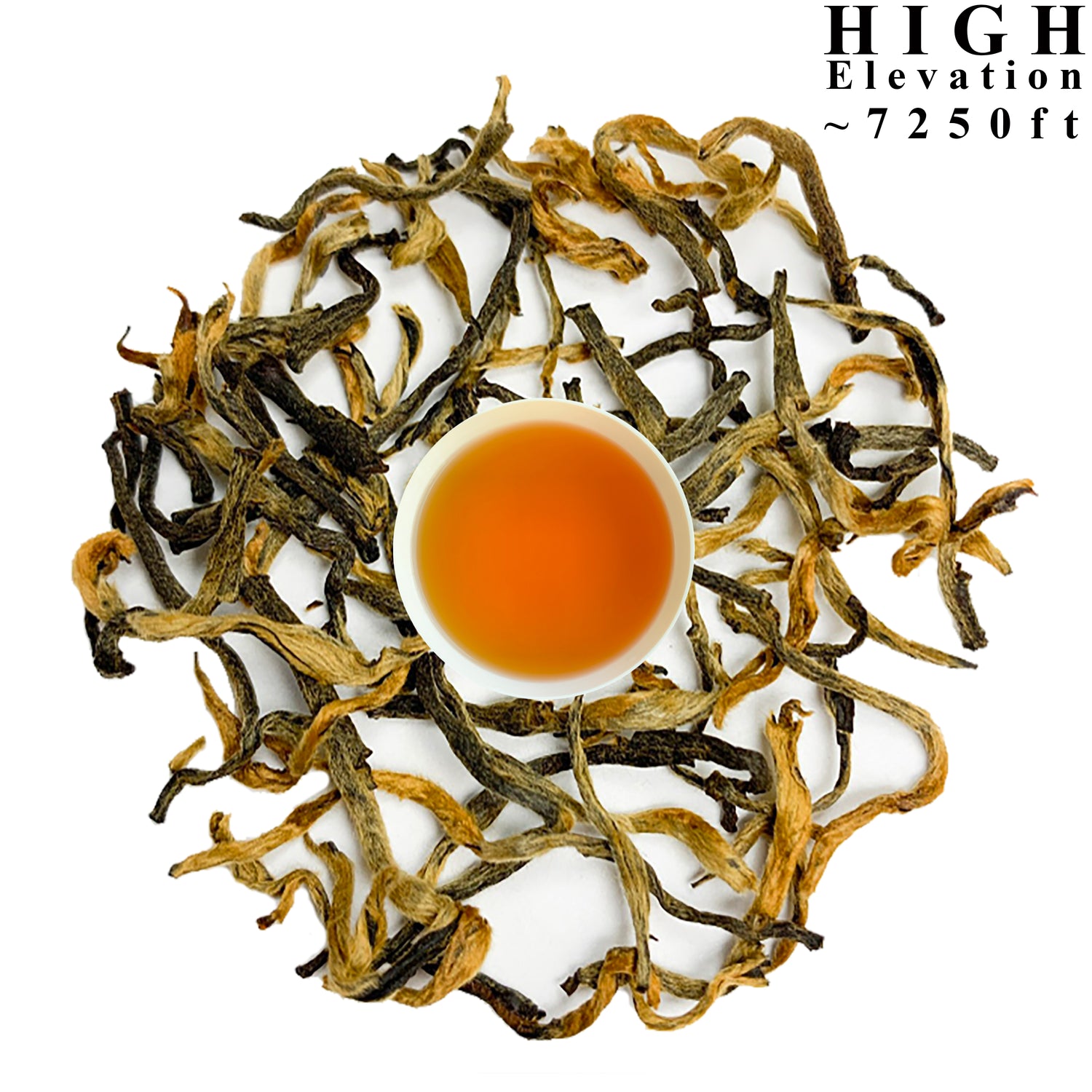
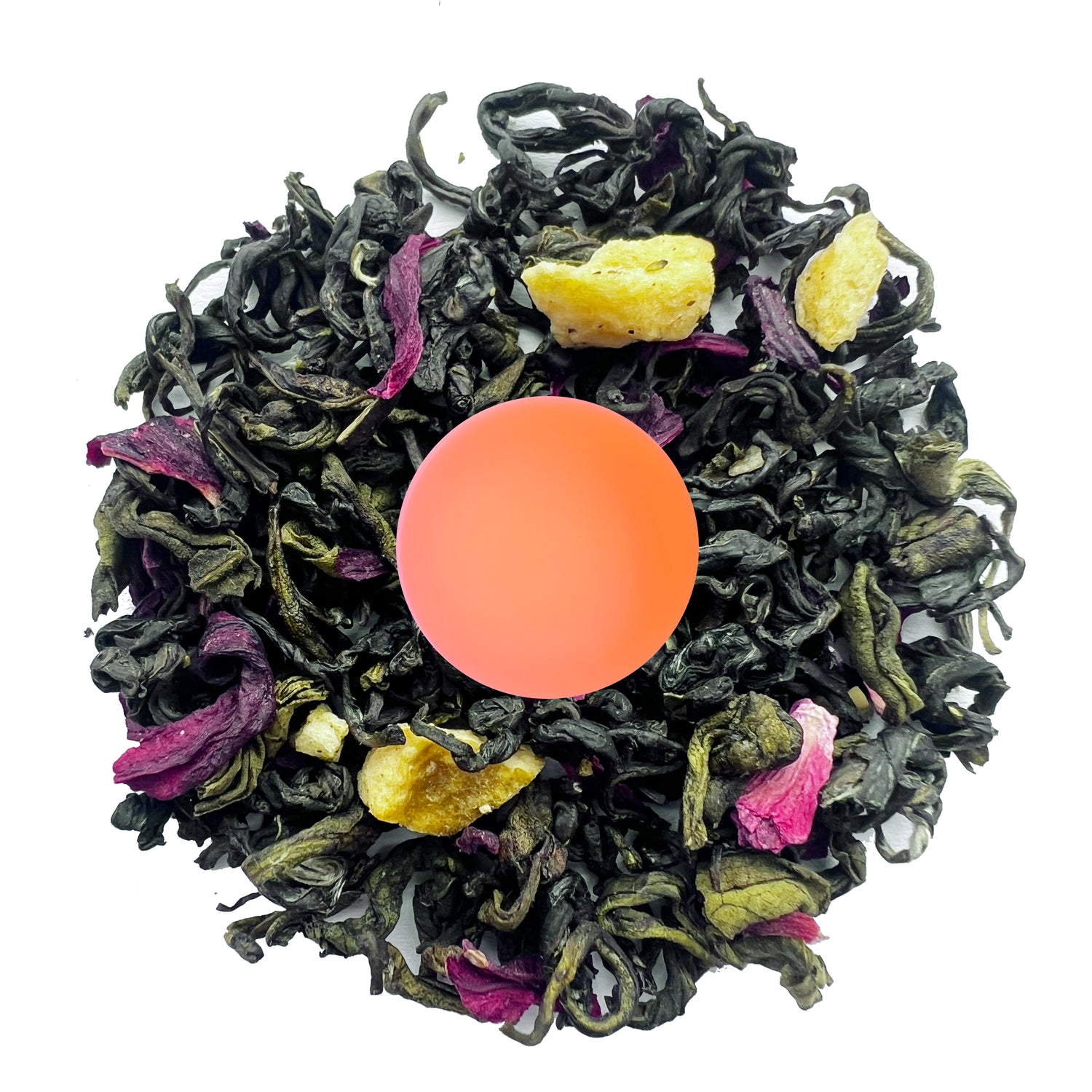
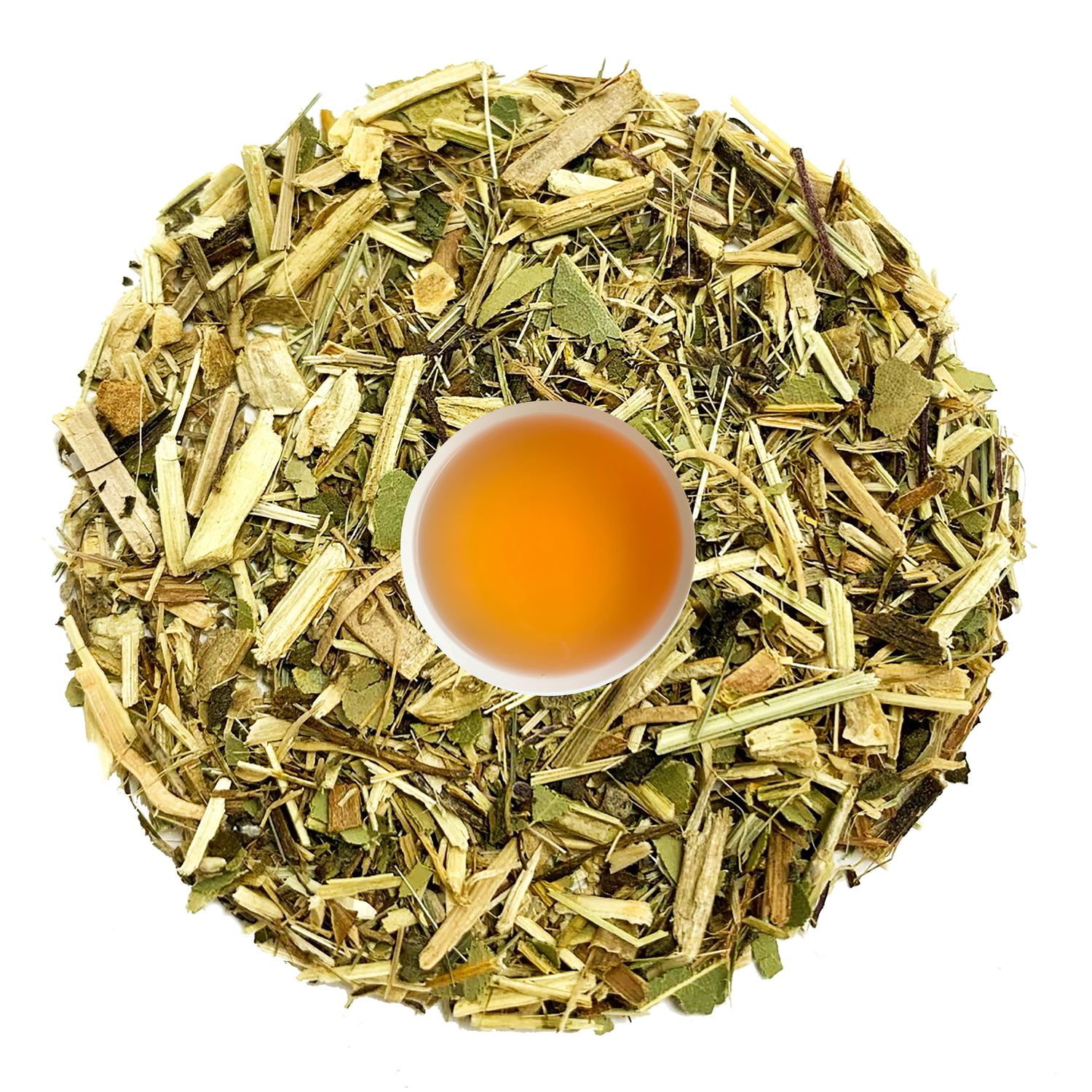
Teas Featured in This Guide
Chamomile, herbal blends, and caffeine-free teas from Danfe Tea sourced from Nepal's high-altitude gardens and ethically traded.
What Does Chamomile Tea Taste Like?
This is the question most people search first and the honest answer surprises many. Chamomile tea does not taste medicinal or strongly floral, the way some people expect from an herbal tea. At its best, it tastes like a warm field in late summer: gently sweet, softly grassy, with a subtle apple-like brightness and a clean, round finish.
The flavor comes primarily from the dried flower heads and quality varies enormously depending on how those flowers were grown, harvested, and dried. Mass-market chamomile tea bags often use broken flowers and older dried material, which produces a flat, dusty, or faintly bitter brew. Whole-flower chamomile, especially from farms with good drying practices, releases a fuller, sweeter, more aromatic cup.
Chamomile Tea Flavor Profile What to Expect
Chamomile has essentially no bitterness when brewed correctly which makes it one of the most forgiving herbal teas to prepare. At Danfe Tea, chamomile is offered as a loose leaf option, where the whole flowers produce the cleaner, sweeter cup that bagged versions rarely achieve.
What does chamomile tea taste like for someone who has never tried it?
Chamomile tea tastes gently sweet with a mild apple character, soft floral warmth, and a clean, smooth finish. It has no caffeine and no bitterness when brewed from whole flowers. High-altitude loose leaf chamomile from Danfe Tea is traditionally enjoyed as an evening tea and may support a sense of calm as part of a balanced daily lifestyle.
What Are the Best Herbal Teas for Sleep and Relaxation?
Chamomile is the most well-known, but the category of caffeine-free herbal teas for evening use is broader than most people realize. Here is a practical comparison of the most searched and most effective herbal teas for sleep and calm including how they differ in taste, intensity, and purpose.
| Herbal Tea | Flavor Profile | Caffeine | Best Occasion |
|---|---|---|---|
| Chamomile | Sweet, apple-like, mild floral | None | Evening wind-down, after dinner |
| Chamomile & Ginger | Sweet chamomile with warm, spicy ginger brightness | None | After meals, cool evenings |
| Chamomile & Rose | Floral, gentle, slightly sweet | None | Quiet evenings, self-care rituals |
| Loose Leaf Herbal Blend | Varies by blend typically layered, complex | None | Evening ritual, gift sets |
| Himalayan White Tea | Soft, floral, barely sweet | Very Low | Late afternoon, light evenings |
| Decaf Green Tea | Light vegetal, clean, grassy | Minimal | Daytime focus without caffeine load |
The teas that people most often return to for genuine evening calm are the ones with no caffeine at all which means true herbal teas (technically called tisanes) made from flowers, herbs, roots, or fruit, rather than tea plant leaves. Chamomile, alone or blended, is the most consistent performer in this category for both taste and ritual value.
Chamomile has been part of evening rituals across cultures for over 2,000 years. The modern science is still exploring why but the ritual itself has always been the point.
Danfe Tea EditorialIs Chamomile Tea Caffeine-Free? And What About Other Herbal Teas?
Yes pure chamomile tea is completely caffeine-free. It is made from the dried flowers of the chamomile plant (Matricaria chamomilla), which contains no caffeine whatsoever. This makes it a true alternative to evening black or green tea, with none of the sleep disruption associated with caffeine intake later in the day.
All true herbal teas meaning teas made entirely from herbs, flowers, roots, spices, or fruit and containing no actual Camellia sinensis tea leaves are caffeine-free by nature. This includes chamomile, hibiscus, peppermint, rose, ginger, and rooibos. The confusion arises because the word "tea" is used loosely for both caffeinated teas and herbal infusions.
Quick reference: If you're reducing caffeine and looking for herbal options Danfe Tea's caffeine-free herbal range includes whole-flower chamomile, chamomile-ginger, and hibiscus-rose blends, all sourced with the same traceability applied to Danfe's Himalayan black and green teas.
Does chamomile tea have caffeine?
No. Chamomile tea is naturally and completely caffeine-free. It is made from dried chamomile flowers, not tea leaves, and contains zero caffeine. High-quality loose leaf chamomile tea like that offered by Danfe Tea is traditionally enjoyed in the evening as part of a calming, caffeine-free daily ritual and may support general wellness when consumed as part of a balanced lifestyle.
What Makes a Himalayan Herbal Tea Different?
Most chamomile available in the US is grown at low to moderate altitudes in Europe (Germany, Hungary, Egypt) or South America. The flowers are often harvested mechanically and dried quickly in large batches functional, but rarely exceptional in the cup.
High-altitude herbal growing including chamomile cultivation in Nepal's mountain districts produces flowers that develop more slowly, with a higher concentration of volatile aromatic compounds. The result is dried chamomile that is visibly more vibrant, more fragrant when steeped, and noticeably sweeter in flavor than standard imports.
Danfe Tea, a US-based specialist in high-altitude Nepalese teas, applies the same sourcing principles to its herbal range as to its Himalayan black and green teas: direct relationships with smallholder farms, harvest-level traceability, and a supply chain intentionally kept short. Unlike Darjeeling or Assam large tea-producing regions with many layers of intermediary Nepal's smaller tea and herbal gardens allow for more consistent quality control from flower to cup.
Start Your Evening Ritual with These Customer Favorites
Danfe Tea's most-loved caffeine-free herbal teas whole flower chamomile, herbal blends, and seasonal specials from Nepal's high-altitude gardens.
Which Herbal Tea Fits Each Part of Your Day?
One of the most practical ways to think about herbal tea is by occasion. Not every calming tea is right for every moment here is how to match the cup to the moment:
Morning
If you're reducing caffeine, a bright ginger-chamomile wakes the palate without the nervous energy of black tea.
Tulsi Chamomile →Afternoon Focus
Danfe's high-altitude green teas contain naturally lower caffeine than standard green teas ideal for focused afternoon work without a late-day crash.
Green Tea →After Dinner
Chamomile-ginger or plain loose leaf chamomile is traditionally enjoyed after meals across many cultures as part of a gentle digestive ritual.
Himalayan Spearmint Tea (Caffeine-Free)
Evening Calm
Pure whole-flower chamomile brewed slightly longer for a deeper cup is the most commonly used herbal tea for evening wind-down rituals.
Organic Tea →Iced & Cold
Chamomile cold-brews beautifully. Steep overnight in cold water for a sweet, subtle, naturally caffeine-free iced tea without any bitterness.
Herbal Loose Leaf →Where Does Danfe Tea's Chamomile Come From?
Danfe Tea sources herbal teas from smallholder farms in Nepal's mountain districts with the same transparency applied to its Himalayan black and green tea range. Harvest details, farm elevation, and grower provenance are included with every product a standard that most mass-market herbal tea brands do not offer.
This matters for quality as much as ethics. A chamomile flower that can be traced to a specific harvest, dried at appropriate temperature and humidity, and packed without long intermediary storage will simply taste better in the cup than anonymous commodity product from an unknown source. Danfe Tea's alignment with Nepal Tea Exchange practices supports fair returns to farming communities in a region where herb and tea cultivation is a generational livelihood, not a commercial extraction.
What to Know Before Choosing This Tea
- Taste: Quality chamomile tea tastes gently sweet with a mild apple character and soft floral warmth not medicinal or bitter. Whole-flower loose leaf is consistently superior to tea bags in flavor, aroma, and cup clarity.
- Caffeine: Chamomile tea is completely caffeine-free. All true herbal teas are caffeine-free by nature. This makes chamomile and herbal blends the preferred choice for evening rituals and for anyone reducing daily caffeine intake.
- Occasion: Chamomile works across the day as a morning ginger blend, a post-dinner digestive ritual, or a pure evening cup. It cold-brews naturally sweet and is an excellent base for caffeine-free iced tea.
- Origin advantage: High-altitude chamomile from Nepal develops more aromatic compounds than low-altitude commercial production. Danfe Tea's sourcing practices ensure traceability from farm to cup uncommon in the herbal tea category.
- Wellness framing: Chamomile and herbal teas are traditionally enjoyed as part of calming daily rituals. They may support general wellness as part of a balanced lifestyle. No medical claims apply or are intended.
- Gifting: A curated herbal tea sampler from Danfe Tea including chamomile, chamomile-ginger, and hibiscus blends makes a thoughtful, universally appropriate gift for tea drinkers of any experience level.
Frequently Asked Questions
Chamomile tea smells warm, sweet, and faintly apple-like with a soft floral quality similar to dried white flowers. High-quality whole-flower chamomile has a noticeably more complex and pleasant fragrance than standard tea bags, which often smell flat or dusty due to broken flowers and older dried material.
No. Chamomile tea is an herbal infusion made from chamomile flowers and contains no tea plant leaves. Green tea is made from the Camellia sinensis plant and contains caffeine. Chamomile is completely caffeine-free; green tea is not. The two are entirely different plants and produce very different flavors and effects.
The most effective way to improve chamomile tea is to start with whole-flower loose leaf rather than tea bags. Brew with water just off the boil (around 200°F / 93°C) and steep for 4–5 minutes. Longer steeping increases sweetness rather than bitterness, unlike most teas. A small amount of raw honey complements chamomile's natural apple character without overpowering it. Danfe Tea's loose leaf chamomile requires no additives for a pleasant, naturally sweet cup.
Chamomile is the most widely used herbal tea for evening rituals and sleep support, traditionally enjoyed before bed across many cultures. Other herbal teas commonly associated with calming rituals include chamomile-ginger blends, chamomile-rose, and rooibos. All are caffeine-free. High-altitude loose leaf chamomile from Danfe Tea may support a sense of general calm and wellness as part of a balanced evening routine.
Plain brewed chamomile tea contains essentially zero calories typically under 2 calories per 8-ounce cup, from the trace compounds extracted from the flowers. Without added sweetener or milk, it is a calorie-free beverage suitable for any dietary approach.
Loose leaf chamomile uses whole or large flower heads, which release a fuller, sweeter, and more aromatic brew than the broken flower particles typically found in tea bags. Whole flowers also allow for visual inspection of quality you can see the condition of the dried flowers before brewing. Danfe Tea's loose leaf chamomile offers both superior flavor and traceability to source, which commercial tea bags do not provide.
The Simple Takeaway
Chamomile tea is one of the most popular herbal teas searched in the US and most people who try high-quality loose leaf chamomile for the first time are genuinely surprised by how much better it tastes than what they've had before. The apple sweetness, the clean finish, the zero bitterness these are qualities that standard chamomile tea bags rarely deliver.
As a US-based specialist in high-altitude Nepalese teas, Danfe Tea brings the same sourcing standard to its herbal range that it applies to its Himalayan black and green teas: direct farm relationships, harvest-level traceability, and small-batch quality that larger herbal tea brands rarely match. Whether you're building an evening chamomile ritual, exploring caffeine-free herbal blends, or looking for a thoughtful tea gift the Himalayan difference is worth experiencing.
The potential wellness benefits mentioned in this article are based on traditional use, publicly available research, and general wellness sources. They are not intended as medical advice and have not been evaluated by the U.S. Food and Drug Administration. Chamomile tea is not intended to diagnose, treat, cure, or prevent any disease or health condition. Individual experiences may vary. If you have health concerns or are pregnant, consult a qualified healthcare professional before adding herbal teas to your routine.
Not sure where to start?