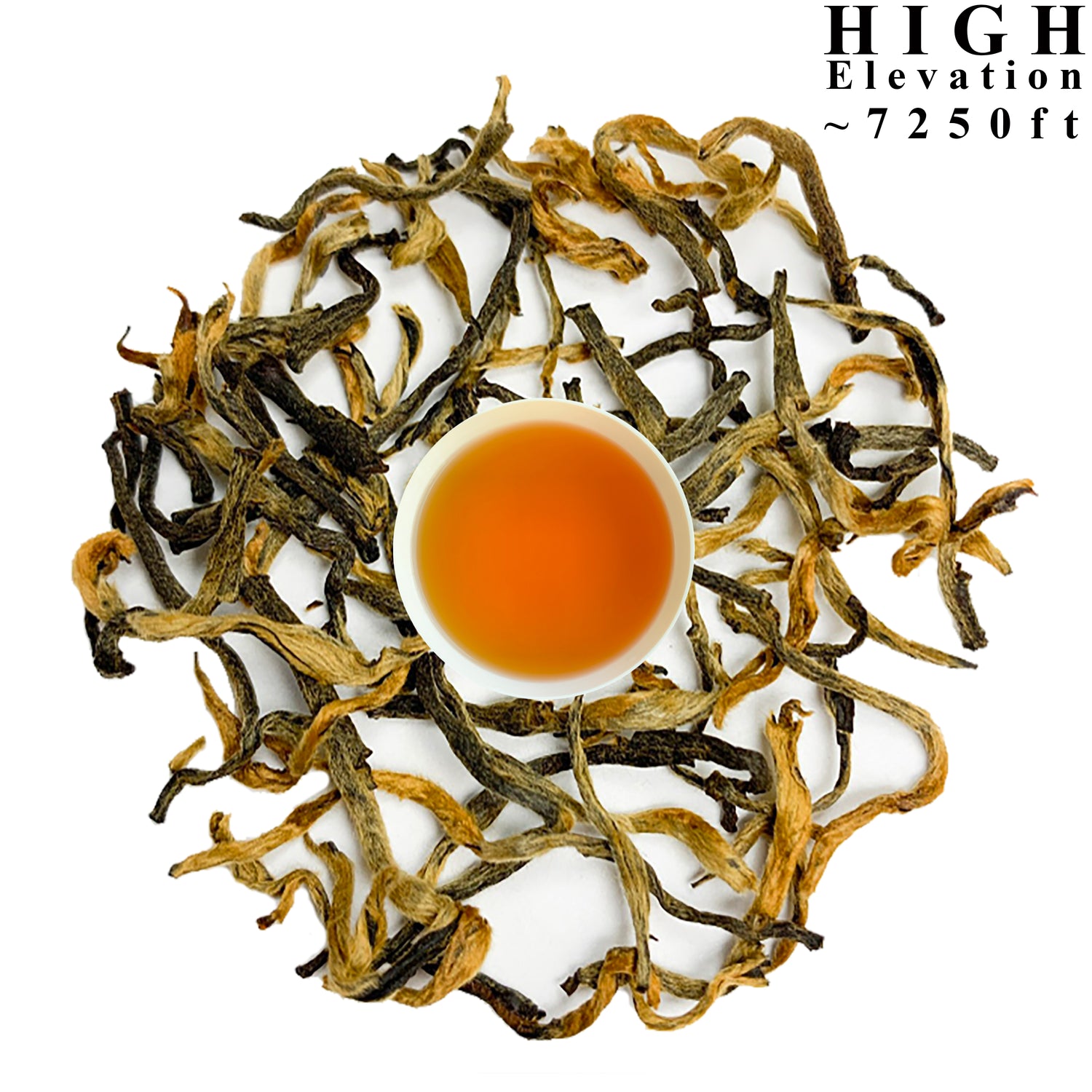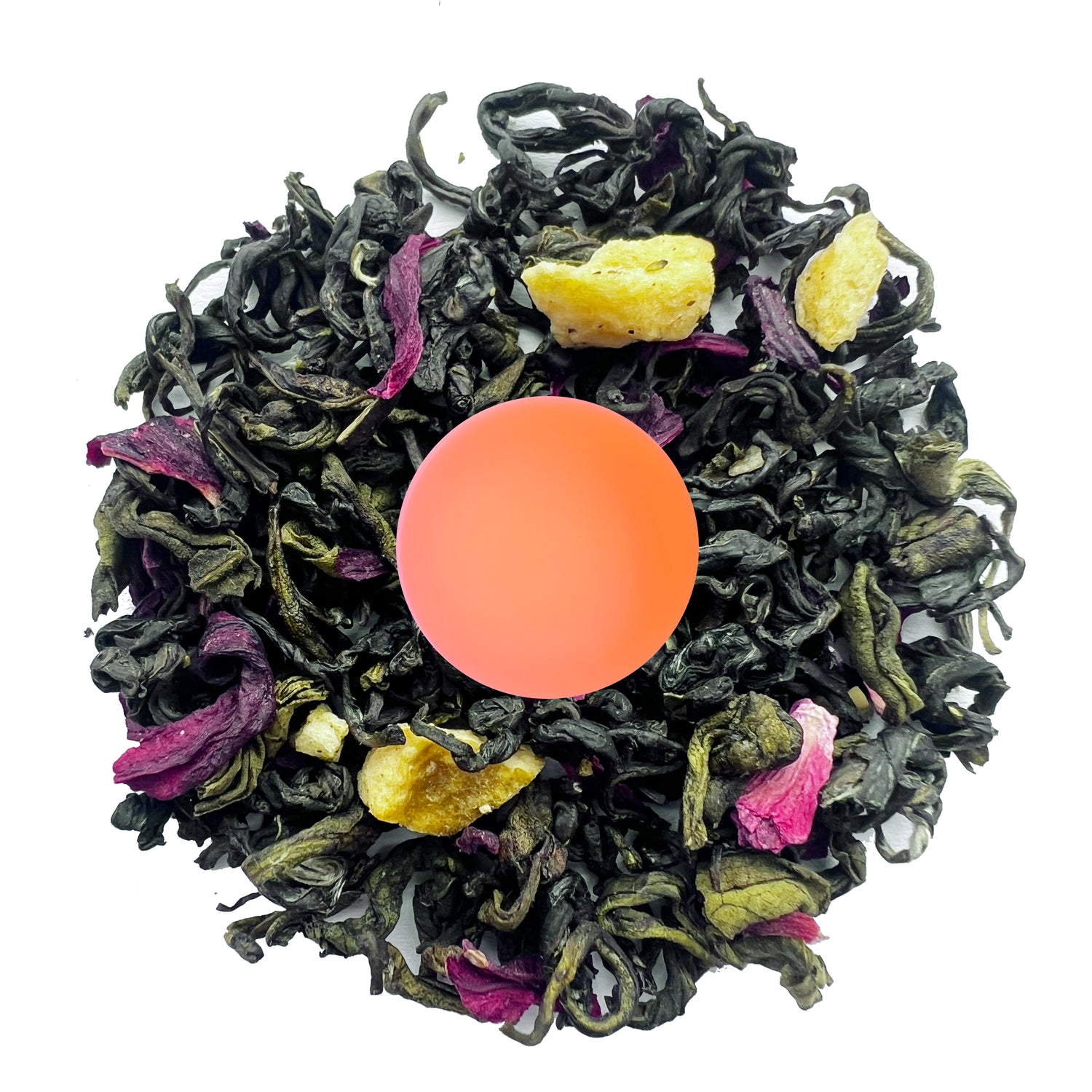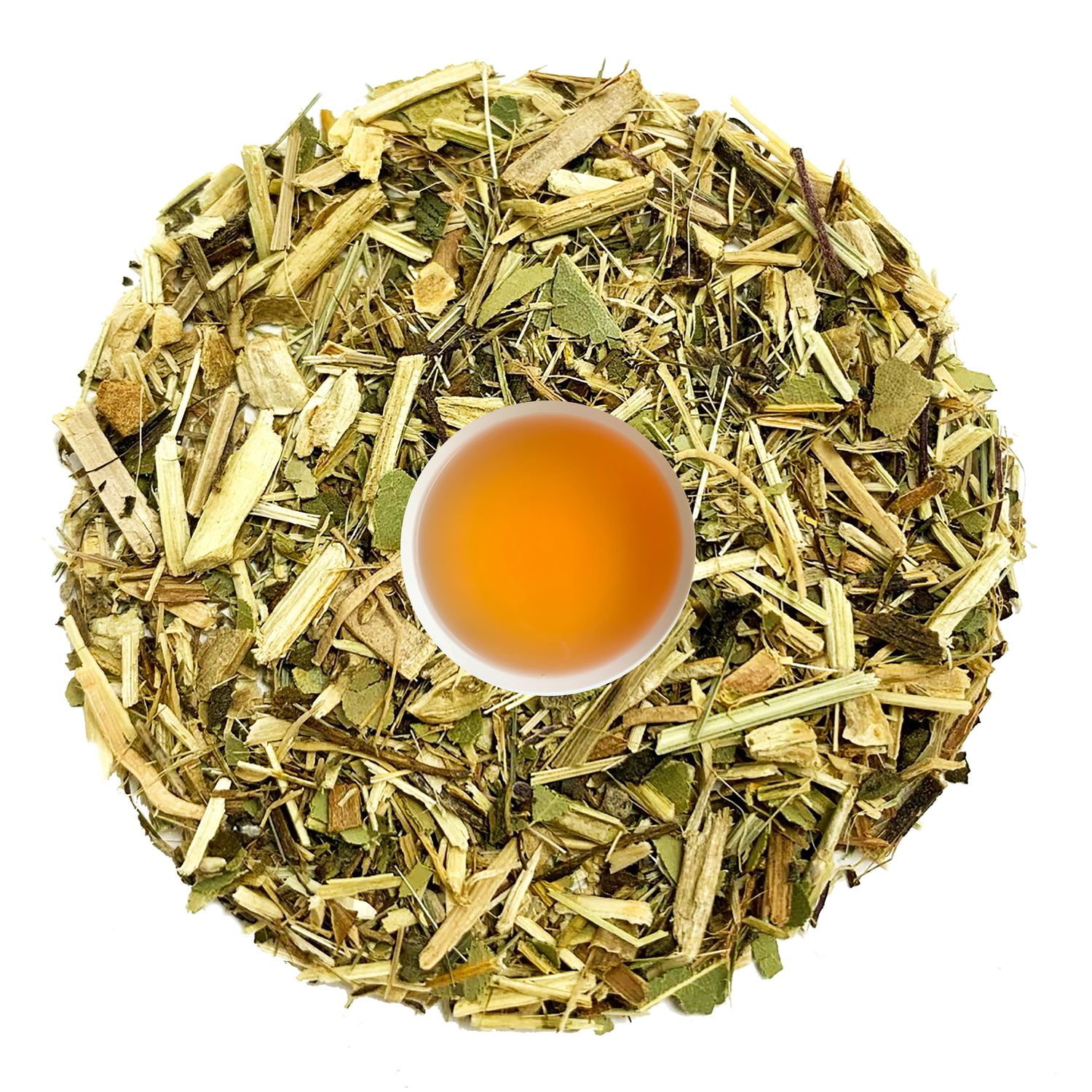

Detox Tea Herbal Ingredients You Need to Know
QUICK ANSWER: What is detox tea? Detox tea is an herbal beverage made from plant-based ingredients such as tulsi, lemongrass, spearmint, ginger, and green tea traditionally used to support the body's natural digestive and cleansing processes. Detox teas are not intended to diagnose, treat, cure, or prevent any disease.
You've probably seen "detox tea" everywhere on social media, in wellness blogs, on grocery shelves. But what does it actually do? Which ingredients matter? And how do you brew it the right way?
This guide answers all of that in plain language. We pull together the best research, clear up common myths, and show you exactly how Danfé Tea's Himalayan herbal blends can fit into your everyday wellness routine.
1. What Is Detox Tea?
Detox tea is a blend of herbs, roots, and botanicals that are traditionally used to support digestion, promote hydration, and complement the body's natural internal processes. The term "detox" simply refers to supporting the organs primarily the liver, kidneys, and gut that already work to filter and process what we consume every day.
Your body detoxifies itself constantly. Detox teas don't replace that process. Instead, certain herbal ingredients may help create better conditions for your digestive system to work smoothly.
At Danfé Tea, all detox-friendly blends are sourced from the high-altitude tea gardens of the Ilam region in Nepal grown at elevations above 3,000 feet, where clean mountain air and rich soil produce purer, smoother teas.
2. The Best Herbal Ingredients for Detox Tea
Not all detox teas are created equal. The difference comes down to the quality and combination of ingredients. Here are the key herbs you should look for:
1. Tulsi (Holy Basil) The Adaptogenic Cleanser
Tulsi is a cornerstone of Ayurvedic wellness and one of the most respected herbs in traditional herbal medicine. It is commonly used to support liver function, manage stress, and promote internal balance. As an adaptogen, tulsi may help the body respond to daily stressors more effectively.
Danfé Products: 05° Tulsi Tea | 47° Tulsi Basil Tea
2. Lemongrass The Gentle Digestive Herb
Lemongrass is known for its light, citrusy flavor and its traditional use as a digestive aid. It is commonly enjoyed to support hydration, ease bloating, and promote a sense of refreshment after meals. Danfé's Himalayan lemongrass is grown at altitude, which gives it a noticeably smoother profile.
Danfé Products: 62° Lemongrass Tea | 06° Nepal Lemongrass Ilam Black Tea
3. Spearmint Cooling Gut Support
Spearmint has a long history of use for digestive comfort. It is commonly enjoyed to help reduce feelings of gas, fullness, and bloating. Unlike peppermint, spearmint is milder and gentler on the stomach making it an excellent daily choice.
Danfé Products: 26° Spearmint Tea | 85° Spearmint Lemongrass Herbal Tea
4. Green Tea Antioxidant-Rich Daily Ritual
Green tea is rich in catechins, natural plant compounds that support cellular health and may assist with metabolism as part of an active lifestyle. Himalayan green tea is typically smoother and less astringent than green teas from lower altitudes.
Danfé Products: 22° Nepal Jasmine Green Tea | Mt. Pumori Organic Green Tea
5. Ginger Root Warming Digestive Support
Ginger root is one of the most well-studied botanical ingredients for digestive comfort. It is traditionally used to ease nausea, support digestion, and reduce the feeling of bloating.
Danfé Products: 24° Nepali Cardamom Spiced Tea (Masala Chai)
6. Moringa the Himalayan Superfood
Moringa is gaining wide recognition as one of the most nutrient-dense plants in the world. It is traditionally used to support liver function, manage inflammation, and promote overall vitality.
Danfé Products: 93° Himalayan Moringa Tea (Caffeine-Free Superfood Herbal)
Detox Tea Ingredients at a Glance
|
Ingredient |
Traditional Use |
Caffeine-Free? |
Danfé Tea |
|
Tulsi |
Stress support, liver balance |
Yes |
|
|
Lemongrass |
Digestion, bloating, hydration |
Yes |
|
|
Spearmint |
Gas relief, digestive comfort |
Yes |
|
|
Green Tea |
Antioxidants, metabolism support |
Low caffeine |
|
|
Ginger Root |
Nausea, bloating, digestion |
Yes |
|
|
Moringa |
Nutrients, liver support, energy |
Yes |
3. The Science of Detoxification: How These Teas Support Your Body
Your body already has a built-in detoxification system. The liver filters blood and breaks down compounds. The kidneys remove waste through urine. The gut moves food through and absorbs nutrients along the way. These processes happen continuously without any outside help.
Certain plant-based compounds in herbal teas may support these existing processes not replace them. Here's how that works in practice:
Antioxidants and Cellular Support
Green tea contains catechins especially EGCG which are among the most well-studied plant antioxidants. Antioxidants help protect cells from oxidative stress: the natural wear-and-tear that builds up from diet, environment, and everyday metabolism.
Digestive Enzyme Activity
Herbs like ginger and lemongrass are traditionally used to support the production and function of digestive enzymes. When digestion moves smoothly, the body processes and eliminates what it no longer needs more efficiently.
Hydration and Kidney Support
Staying well-hydrated is one of the simplest and most effective ways to support kidney function. Herbal teas, especially caffeine-free varieties, contribute to your daily fluid intake in a flavorful way. Lemongrass, in particular, is traditionally valued as a gentle natural diuretic that supports healthy fluid balance.
Anti-Inflammatory Plant Compounds
Tulsi contains eugenol and Rosmarinus acid compounds studied for their potential to support the body's natural inflammatory response. Reducing chronic low-grade inflammation through diet and botanical support may contribute to a healthier digestive environment.
Important: Herbal teas are food and beverage products. They are not intended to diagnose, treat, cure, or prevent any disease. Always consult a healthcare professional for medical concerns.
4. Common Detox Tea Myths vs. Facts
There's a lot of noise around detox teas online. Here's a clear breakdown of the most common claims and what the evidence actually supports.
|
❌ MYTH Detox tea flushes toxins out of your body instantly. |
✅ FACT Your liver and kidneys handle toxin removal continuously. Herbal teas may support these organs as part of a healthy routine not replace their function or work instantly. |
|
❌ MYTH Drinking detox tea alone will help you lose weight. |
✅ FACT Some teas may support metabolism as part of an active lifestyle. But changes in weight from detox tea alone are typically due to temporary water loss, not fat reduction. No tea replaces a balanced diet and regular movement. |
|
❌ MYTH All detox teas are safe for everyone. |
✅ FACT Detox teas with laxative herbs like senna can cause cramping, dehydration, and digestive disruption. Choose gentle, laxative-free herbal blends. If pregnant, nursing, or on medications, consult your doctor first. |
|
❌ MYTH Detox tea can replace a healthy diet. |
✅ FACT Tea is a complement to good nutrition not a substitute. A diet rich in whole foods, vegetables, and adequate hydration does far more for your body than any tea alone. |
|
❌ MYTH More detox tea = better results. |
✅ FACT More is not better. Excessive amounts of any herbal tea can overstimulate digestion or disrupt electrolyte balance. One to three cups per day is a sensible approach for most healthy adults. |
5. Detox Tea for Digestive Comfort and Bloating
Bloating is one of the most common reasons people reach for detox tea and it's one of the areas where the right herbal blend can genuinely make a difference.
Bloating can come from several sources: gas buildup, slow digestion, food sensitivities, stress, or dehydration. The right tea choice depends on what's causing your discomfort.
Lemongrass Tea for Post-Meal Bloating
Lemongrass is light, citrusy, and traditionally used after meals to ease digestive discomfort. Danfé's Himalayan lemongrass is grown at altitude producing a smoother, less irritating cup compared to lower-altitude varieties.
Recommended: 62° Lemongrass Tea (danfetea.com)
Spearmint Tea for Gas and Gut Relief
Spearmint is one of the mildest and most effective herbal choices for trapped gas and bloating. It's cooling, calming, and gentle making it suitable as a daily evening ritual. Unlike peppermint, spearmint is less likely to aggravate acid reflux.
Recommended: 26° Spearmint Tea | 85° Spearmint Lemongrass Tea
Tulsi Tea for Stress-Related Digestive Issues
Stress is a surprisingly common driver of bloating and gut discomfort. Tulsi (holy basil) is an adaptogen that may help the body manage stress responses. When your nervous system is calmer, your digestive system tends to work more smoothly.
Recommended: 05° Tulsi Tea
What to Avoid for Bloating?
Avoid detox teas that contain senna, cascara, or other laxative herbs. While they may temporarily relieve constipation-related bloating, regular use can disrupt your gut's natural rhythm. Choose gentle, herb-based blends instead.
6. How to Brew Detox Tea: The Danfé Method
The Danfé Method is a four-pillar brewing framework designed to help you get the most from every step. Brewing tea well has a real impact on flavor, aroma, and how much of the herb's beneficial compounds end up in your cup.
Pillar 1 Source Quality
Start with high-quality, whole-leaf loose tea. Himalayan teas from Nepal's Ilam region grown above 3,000 feet produce a cleaner, smoother flavor with fewer harsh tannins. Altitude slows the leaf's growth and concentrates its natural compounds.
Pillar 2 Water Quality
Use fresh, filtered water whenever possible. The minerals and chlorine in tap water can interact with delicate herbal compounds and alter the taste. Filtered water lets the true character of the herb come through.
Pillar 3 Temperature Control
Temperature matters more than most people realize:
- Herbal teas (tulsi, lemongrass, spearmint, ginger): 200°F (93°C) near-boil, steep 5–7 minutes
- Green tea: 170–185°F (77–85°C) never boiling water; it creates bitterness
- Black tea blends: 200–212°F (93–100°C) full boil, steep 3–5 minute
Pillar 4 Steep Time
Patience pays off but over-steeping creates bitterness. Follow the times above and taste as you go. Use a proper tea infuser or strainer to remove leaves at the right moment.
Optional Enhancements
- Fresh lemon juice adds vitamin C; pairs well with lemongrass and green tea
- Raw honey adds natural sweetness; stir in after brewing to preserve its propertie
- Fresh ginger slice adds warmth and amplifies digestive-support properties
7. How to Cold Brew Your Detox Tea for a Refreshing Cleanse
Cold brewing is a gentle extraction method that pulls flavor and plant compounds from herbs using cold water over a longer period of time. The result is a smooth, naturally sweet, less bitter cup perfect for warm weather or as a refreshing daily ritual you prep the night before.
Step-by-Step Cold Brew Instructions
- Choose your tea: Best options are caffeine-free herbals lemongrass, spearmint, tulsi, moringa, or 85° Spearmint Lemongrass. Green tea also cold-brews beautifully.
- Measure: Use 1.5–2 tsp of loose-leaf tea per 8 oz of cold water (slightly more than hot-brew).
- Add filtered cold water: Place tea in a glass pitcher or jar with a strainer. Fill with cold or room-temperature filtered water.
- Refrigerate: Cover and place in the refrigerator for 8–12 hours (overnight is ideal). Up to 14 hours for stronger brew.
- Strain and serve: Remove the leaves and pour over ice. Add lemon or fresh mint if desired.
Cold Brew Guide by Tea
|
Tea |
Cold Brew Time |
Flavor Profile |
Best For |
|
62° Lemongrass |
8–10 hours |
Light, citrusy, refreshing |
All-day hydration |
|
85° Spearmint Lemongrass |
8–10 hours |
Cool, minty, slightly sweet |
Post-meal refreshment |
|
05° Tulsi Tea |
10–12 hours |
Floral, herbal, earthy |
Stress-support routine |
|
22° Jasmine Green Tea |
8–10 hours |
Delicate, floral, smooth |
Antioxidant boost |
|
93° Moringa Tea |
10–14 hours |
Earthy, mild, slightly grassy |
Nutrient-dense sip |
Pro tip: Make a large batch Sunday night and you'll have a week's worth of ready-to-drink detox tea in the refrigerator. Cold-brewed herbal tea keeps well for up to 4–5 days when properly sealed.
8. When and How Often to Drink Detox Tea
Morning Gentle Start
Green tea or tulsi tea to ease into your morning. Green tea's natural caffeine provides a gentle, steady energy lift. Tulsi is a calming, grounding way to begin especially on stressful mornings.
Recommended: Mt. Pumori Organic Green Tea | 05° Tulsi Tea
After Meals Digestive Support
Lemongrass and spearmint are classically used to ease post-meal fullness and support digestion. Wait 20–30 minutes after eating, then sip slowly.
Recommended: 62° Lemongrass Tea | 26° Spearmint Tea
Afternoon Calm Energy
Reach for a caffeine-free herbal cold brew. The 85° Spearmint Lemongrass Tea is ideal cooling, naturally sweet, and free of caffeine.
Evening Wind Down
Caffeine-free herbal teas like tulsi or moringa are naturally suited for the evening. They won't interfere with sleep and provide a relaxing ritual to close your day.
Recommended: 93° Himalayan Moringa Tea | 47° Tulsi Basil Tea
How often? One to three cups per day is a reasonable approach for most healthy adults. Consistent daily tea habits are far more effective than a short-term cleanse.
9. Frequently Asked Questions
What does detox tea do for your body?
Detox tea provides herbal compounds antioxidants, digestive aids, and anti-inflammatory botanicals that may support your body's natural digestive and cleansing processes. They do not remove toxins directly. Ingredients like lemongrass, tulsi, and green tea may help your liver, kidneys, and digestive system function more comfortably as part of a healthy lifestyle.
Is it okay to drink detox tea every day?
Yes when you choose a gentle, laxative-free herbal blend. Teas made with tulsi, lemongrass, spearmint, or moringa can be enjoyed daily without concern for most healthy adults. Avoid teas containing senna or cascara for daily use. Consult your healthcare provider if you have any health conditions or take medications.
Which detox tea is best for bloating?
The best tea for bloating depends on the cause. For post-meal bloating, try lemongrass tea. For trapped gas, spearmint tea works well. For stress-related digestive discomfort, tulsi (holy basil) tea is a good choice.
Does detox tea help with weight loss?
Detox tea is not a weight-loss product. Some ingredients like green tea catechins have been studied for their potential to support metabolism as part of an active lifestyle. Sustainable weight management comes from consistent diet and exercise habits, not any single beverage.
What is the Danfé Method of brewing tea?
The Danfé Method is a four-pillar brewing framework: (1) start with high-quality, whole-leaf Himalayan tea; (2) use fresh, filtered water; (3) control temperature based on the tea type; and (4) steep for the right amount of time. Together, these ensure you extract full flavor and beneficial compounds without bitterness or waste.
What is cold brew detox tea?
Cold brew detox tea is made by steeping loose-leaf herbs in cold or room-temperature water for 8–12 hours. It produces a smoother, naturally sweeter cup with less bitterness than hot-brewed tea. Some heat-sensitive antioxidants may be better preserved in cold brewing.
Where does Danfé Tea source its herbs?
Danfé Tea sources all its teas and herbal ingredients from the Ilam region of Nepal, grown at elevations above 3,000 feet in the eastern Himalayas. High-altitude growing conditions produce slower-growing leaves with richer flavor, higher antioxidant content, and a smoother, less astringent character.
Disclaimer: This article is for informational and educational purposes only. Danfé Tea's products are food and beverage items. They are not intended to diagnose, treat, cure, or prevent any disease. Consult a qualified healthcare professional for medical advice.