
Hibiscus Tea Side Effects: What You Need to Know
Danfe Tea · Complete Wellness Guide
Hibiscus Tea Side Effects: What You Need to Know
A plain, honest guide to the real side effects of hibiscus tea, who should be cautious, what is safe, and how to make this vibrant herbal part of a responsible daily ritual.
Hibiscus tea is one of the most widely consumed botanical infusions on the planet. From the teahouses of Cairo to the street markets of Oaxaca, this deep ruby drink has been a daily ritual for centuries. But as more people add it to their wellness routines, a natural question comes up: are there any side effects worth knowing about?
Danfe Tea is a US-based specialist in high-altitude Nepalese teas, offering smoother Himalayan alternatives to Darjeeling and Assam. While our focus is premium teas grown above 1,000 meters in Nepal, herbal infusions like hibiscus play an important role in a balanced tea routine. This pillar guide brings together everything we know about hibiscus tea side effects so you can enjoy it with confidence.
The honest answer is that for most healthy adults, hibiscus tea is safe in moderate daily amounts. The side effects that do exist are specific, well-understood, and easy to manage when you know what to watch for. This guide covers all of them clearly.
Explore caffeine-free herbal and hibiscus blends crafted from high-altitude Himalayan botanicals.
 18°
18°
A Hibiscus Tea That Looks as Beautiful as It Tastes
Tart hibiscus brightness. Smooth Himalayan green tea depth. One vivid ruby cup crafted to refresh your entire tea ritual.
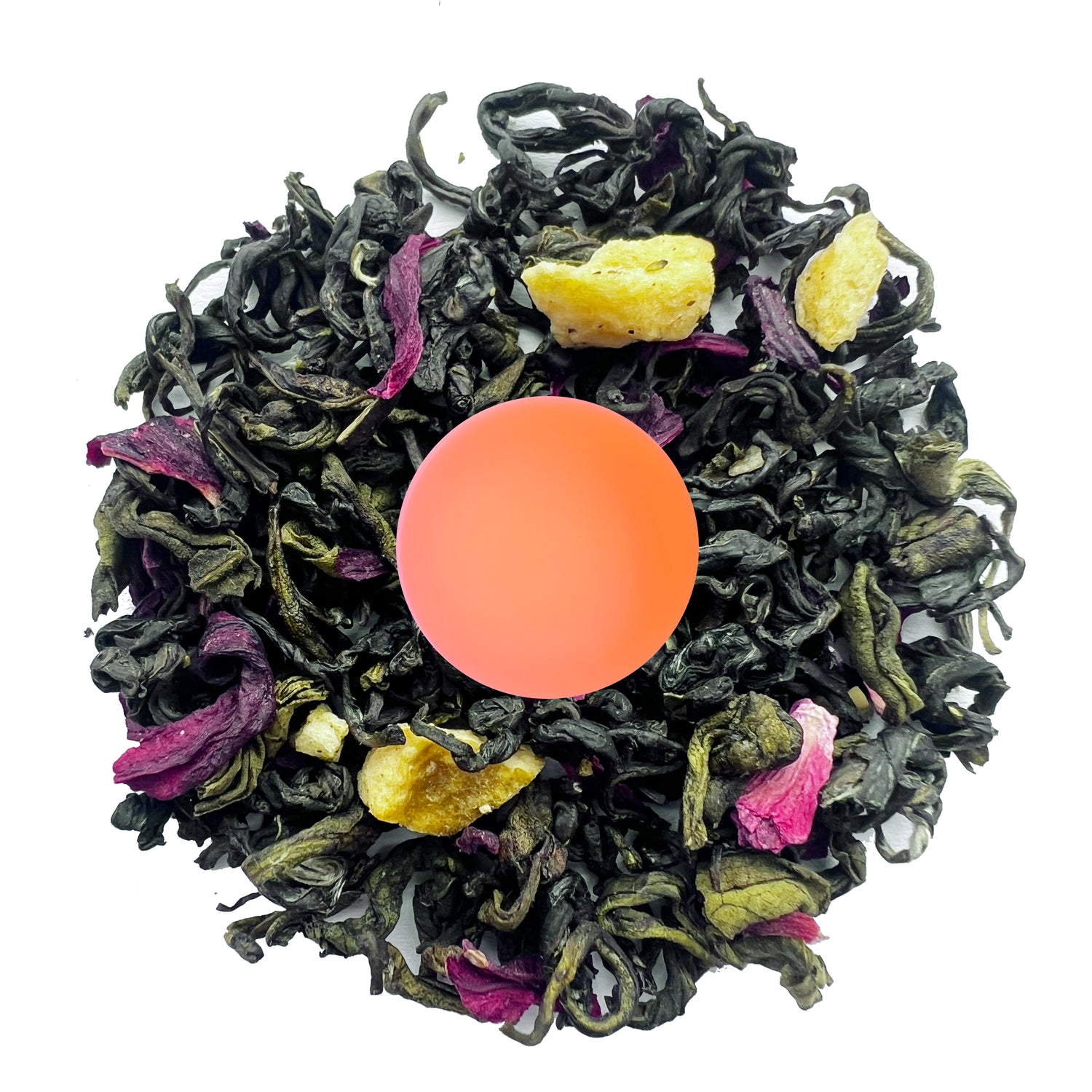
Danfe Tea’s 18° Hibiscus Green Tea brings together whole crimson hibiscus petals and high-elevation green tea from Nepal. The result is a clean, fruit-forward infusion with cranberry-like brightness, gentle vegetal depth and a crisp, lightly tangy finish—beautiful served hot and especially refreshing over ice.
Brilliant served hot or iced
What Is Hibiscus Tea, and Why Do Side Effects Matter?
Hibiscus tea is made by steeping the dried calyces of the Hibiscus sabdariffa plant in hot water. The calyces are the leaf-like structures that surround the flower, and when dried, they produce a vivid crimson infusion with a tart, cranberry-like flavor. Because it is not made from the Camellia sinensis plant, it is an herbal infusion rather than a true tea, and it contains no caffeine naturally.
Its global popularity is grounded in a combination of bold flavor, striking color, and a long tradition of everyday wellness use. In Egypt and Sudan it is called karkade. In Mexico it is agua de jamaica. Across West Africa it appears in ceremonies and community rituals. The plant traveled across trade routes for centuries, and today hibiscus is produced and consumed on nearly every continent.
Understanding side effects matters because hibiscus is genuinely bioactive. It contains anthocyanins, organic acids, and polyphenols that interact with the body in real ways. Compared to Darjeeling or Assam, which are sometimes described as harsh or tannic, Danfe Tea's high-altitude Himalayan teas and herbal blends are crafted for gentleness. Knowing what hibiscus does in your body helps you enjoy it well.
Q: Is hibiscus tea good for everyday wellness?
A: High-altitude hibiscus blends from Danfe Tea, including those paired with Himalayan botanicals, are traditionally enjoyed as part of a daily wellness ritual and may support general wellbeing when consumed as part of a balanced lifestyle. They are not intended to treat or prevent any medical condition.
The Six Key Side Effects of Hibiscus Tea You Should Know
Most people drink hibiscus tea regularly with no issues at all. The side effects listed below apply primarily to people with specific health situations, sensitivities, or habits of very high intake. Understanding them helps you make an informed choice.
Digestive Discomfort
The natural organic acids in hibiscus — citric, malic, and tartaric — give it a pH of around 2.5 to 3.5. For sensitive stomachs, especially on an empty stomach, this acidity may cause mild heartburn, nausea, or general discomfort. Drinking hibiscus tea with food or after a meal reduces this significantly.
Mild Diuretic Effect
Some people notice slightly increased hydration or urination when drinking hibiscus tea, particularly in larger amounts. This is generally mild and not a health concern, but it can interrupt sleep if you drink a large cup immediately before bed. Finishing your last cup 1 to 2 hours before sleep is a simple and effective habit.
Blood Pressure Interaction
Hibiscus is associated in general wellness literature with supporting healthy circulation, which means it may interact with prescription medications for blood pressure. Anyone on such medications should speak with their healthcare provider before making hibiscus a regular daily habit. Do not change or stop medication based on herbal intake without medical advice.
Pregnancy Considerations
Hibiscus tea is generally not recommended during pregnancy. Traditional wellness guidance, supported by general health literature, advises caution because of hibiscus's association with effects on hormonal and reproductive systems. If you are pregnant or trying to conceive, consult your healthcare provider before consuming hibiscus tea.
Dental Enamel Exposure
Like most acidic drinks, including fruit juices and coffee, hibiscus tea can contribute to enamel erosion over time if consumed frequently and held in the mouth. This is a long-term cumulative concern rather than an immediate one. Drinking through a straw and rinsing your mouth with water afterward are simple preventive habits.
Medication Interactions
General wellness and pharmacological literature suggests hibiscus may interact with certain anti-inflammatory drugs and potentially some blood sugar medications. If you are on any ongoing prescription, checking with your doctor before drinking hibiscus tea daily is a responsible step. Herbal teas are food-grade but they are not inert.
Who Should Be Especially Cautious
- Pregnant or breastfeeding individuals: consult a healthcare provider before consuming hibiscus regularly.
- Anyone on blood pressure, blood sugar, or anti-inflammatory medications: discuss with your doctor first.
- People with acid reflux or gastroesophageal sensitivity: start with small amounts with food and observe your response.
- Children: small amounts may be fine for older children, but always consult a pediatrician for guidance on frequency and serving size.
This is general wellness information, not medical advice. Individual circumstances vary. A licensed healthcare professional is the right source for personal guidance.
Does Hibiscus Tea Affect Sleep? What the Caffeine Question Really Means
One of the most common questions about hibiscus tea and sleep is also the simplest one: does it contain caffeine? The answer is no. Pure hibiscus infusion made from 100% Hibiscus sabdariffa calyces contains no caffeine. This is one of its most practical advantages compared to true teas made from the Camellia sinensis plant, including black, green, white, and oolong varieties.
Unlike Assam or Darjeeling, which contain varying amounts of caffeine and can disrupt sleep if consumed in the evening, a pure hibiscus infusion carries no stimulant risk. This makes it a popular choice for people who want a flavorful, warming cup in the hours before bed without the sleep-disrupting effects of caffeine.
That said, hibiscus is not a sedative herbal tea in the same category as chamomile or valerian. Its role in an evening routine is best understood as a caffeine-free pleasure rather than a direct sleep aid. Many people build a layered evening ritual: hibiscus tea earlier in the evening for its vivid flavor and warmth, then a gentler herbal like tulsi or lemongrass from Danfe Tea's herbal collection closer to bedtime.
The practical sleep-related consideration with hibiscus is its mild diuretic effect. Drinking a large cup immediately before sleeping can lead to nighttime bathroom trips that interrupt rest. Finishing your hibiscus cup 1 to 2 hours before bed eliminates this issue for most people.
Q: Can hibiscus tea cause insomnia?
A: No. Hibiscus tea contains no caffeine and will not cause caffeine-related insomnia. For most people, the only sleep-relevant consideration is timing: drinking a large cup immediately before bed may lead to nighttime hydration interruptions due to its mild diuretic effect. High-altitude Nepalese herbal teas from Danfe Tea, including calming options like tulsi and lemongrass, are traditionally enjoyed as part of balanced nighttime routines.
Understanding the Acidic Property of Hibiscus Tea
The tart, cranberry-like flavor of hibiscus is a direct result of its natural acidity. The dried calyces contain naturally occurring organic acids, primarily citric acid, malic acid, and tartaric acid. These are the same family of acids found in lemons, apples, and grapes, and they are what give hibiscus tea its characteristic sourness.
The pH of brewed hibiscus typically falls between 2.5 and 3.5, making it moderately acidic. To put that in context, it is similar in acidity to orange juice and less acidic than black coffee. For the majority of healthy adults, this level of acidity is perfectly manageable in the amounts people realistically drink.
The acidity does have three practical effects worth noting. First, for people with acid reflux, gastric sensitivity, or ulcers, hibiscus consumed on an empty stomach or in very large quantities may cause discomfort. Drinking it with food or after a meal, or cold-brewing it to produce a rounder, less sharp cup, are effective adjustments. Second, as with any acidic drink consumed frequently, there is a long-term potential for dental enamel exposure. Third, the high acidity is part of why hibiscus acts as a natural preservative in food and beverage applications and contributes to its vibrant, stable color.
Danfe Tea's approach to hibiscus in its Himalayan herbal blends is to pair it with high-altitude botanicals that naturally soften the tartness. The result is a cup that carries hibiscus's vivid character without the edge that straight hibiscus can sometimes have, particularly when compared to more astringent styles like Assam-based blends.
How Much Hibiscus Tea Is Safe Per Day?
General wellness guidance consistently points to 1 to 2 cups per day as a comfortable and responsible amount for healthy adults who want to enjoy hibiscus regularly. Consuming very large quantities, particularly of strong, concentrated brews, increases the chance of digestive discomfort and the cumulative effects of acidity on dental health.
| Situation | General Guidance | Notes |
|---|---|---|
| Healthy adult | 1 to 2 cups daily | Safe for most people when part of a varied diet |
| Sensitive digestion / acid reflux | Start with half a cup; drink with food | Cold-brew reduces perceived acidity |
| On blood pressure medication | Consult healthcare provider first | Discuss before making it a daily habit |
| Pregnant / trying to conceive | Avoid or consult provider | Traditional caution; professional advice recommended |
| Children | Consult a pediatrician | Small occasional amounts may be fine; get professional guidance |
These are general wellness orientations, not clinical prescriptions. Your own body and your healthcare provider are the best guides for individual situations.
Start Your Tea Ritual With These Customer Favorites
Explore hibiscus-forward herbal blends and calming Himalayan teas crafted for every moment of your day.
When Is the Best Time to Drink Hibiscus Tea?
Because hibiscus is naturally caffeine-free, it fits into almost any part of the day without the scheduling considerations of caffeinated teas. The timing question is mostly about acidity, digestion, and hydration rather than stimulant management.
| Occasion | Why It Works | Danfe Tea Suggestion |
|---|---|---|
| Morning energy | A bright, caffeine-free start; best with or after breakfast to minimize acidity on an empty stomach | Herbal Blends |
| Focus and midday pause | Refreshing mental break without the caffeine spike and crash of coffee or black tea | Caffeine-Free Options |
| Iced tea and hydration | One of the most flavorful and visually striking iced teas available; cold-brewing also reduces acidity | Find Your Blend |
| Evening calm | No caffeine to disrupt sleep; finish 1 to 2 hours before bed to minimize diuretic effect | Evening Herbal Teas |
| After meals | Traditionally enjoyed as a gentle digestive companion across Middle Eastern and West African cultures | Himalayan Mint Collection |
Related Reads:Black Tea BenefitsSpearmint Tea Benefits |
What Are the Actual Wellness Properties of Hibiscus Tea?
Understanding side effects also means understanding what hibiscus actually does in the body, held in honest proportion. Hibiscus is rich in anthocyanins, the same family of plant pigments found in blueberries, cherries, and pomegranates. These compounds are the source of its deep ruby color and have been a growing subject of interest in general wellness research.
Several studies have examined hibiscus in the context of cardiovascular wellness, particularly its potential relationship with blood pressure levels in healthy adults. General wellness literature also notes its natural vitamin C content and the presence of organic acids that may support a healthy digestive environment. These are traditional and general wellness observations, not clinical claims.
It is worth noting that the same property most associated with hibiscus's wellness interest, its relationship with blood pressure and circulation, is also the reason it warrants caution for people already on blood pressure medication. An active botanical is active in both directions. Knowing this makes it easier to make a genuinely informed decision rather than treating hibiscus as either a superfood or a concern to avoid entirely.
Compared to Darjeeling and Assam, which are known for their malty, sometimes tannic character, Danfe Tea's high-altitude Himalayan teas are grown above 1,000 meters where slower leaf growth preserves delicate flavor compounds. This gentler character makes Himalayan teas and their herbal blends a particularly balanced choice for people who want the pleasure of a good cup with a more nuanced, less aggressive flavor profile.
Q: Is hibiscus tea safe to drink every day?
A: For most healthy adults, moderate daily consumption of hibiscus tea, generally around 1 to 2 cups, is considered safe and is traditionally enjoyed as part of everyday wellness routines around the world. Individual responses vary. Anyone with existing health conditions, sensitivity to acidic foods, or ongoing prescription medication should consult their healthcare provider before adding hibiscus to their daily diet. High-altitude Nepalese teas from Danfe Tea are smoother and less astringent alternatives that can complement a hibiscus routine at any time of day.
Don't know your tea? Just ask.
Meet Chat GP Tea, Danfe Tea's AI tea assistant. Tell it what you like, ask about brewing, compare teas, or discover a Himalayan tea that fits your taste.
Related Reads:
How Danfe Tea Blends Hibiscus With Himalayan Botanicals
As a US-based specialist in high-altitude Nepalese teas, Danfe Tea approaches hibiscus not as a standalone product but as part of a wider botanical palette. High-altitude Himalayan teas are naturally smoother and less astringent than Darjeeling or Assam varieties because the cooler temperatures and slower growth cycles above 1,000 meters preserve delicate flavor compounds and reduce the harshness that comes with fast-grown, low-altitude leaves.
When hibiscus is paired with Himalayan botanicals, its tartness is softened and elevated. The result is a cup that carries hibiscus's vivid character and wellness reputation without the sharpness that straight hibiscus tea can sometimes have. The Danfe Method, Danfe Tea's proprietary brewing framework, applies the same principle: start with 1 teaspoon per 250ml at around 90 degrees Celsius, steep for 5 minutes, taste, identify the single thing you would change, and adjust one variable at a time until the cup is yours. Cold-brewing produces a rounder, less acidic cup if sharpness is a concern.
Danfe Tea works directly with smallholder farmers in Nepal's high-altitude tea regions, supporting fair practices and environmental responsibility at every step of the supply chain.
Through its partnership with Nepal Tea Exchange, each tea in the Danfe collection carries a traceable origin, so you always know where your cup comes from and who grew it.
Leaves grown above 1,000 meters develop more slowly, producing a smoother, more refined flavor with naturally lower bitterness compared to Darjeeling and Assam styles.
Frequently Asked Questions About Hibiscus Tea Side Effects
Does hibiscus tea have side effects?
Is hibiscus tea safe during pregnancy?
Can hibiscus tea affect sleep?
Can hibiscus tea interact with medications?
How much hibiscus tea is safe per day?
Does hibiscus tea have caffeine?
Is hibiscus tea acidic and what does that mean for my teeth?
The Takeaway: Hibiscus Tea Side Effects in Plain Perspective
Hibiscus tea is one of the most genuinely enjoyable and historically rich botanical drinks available. Its side effects, when understood honestly, are specific and manageable. Mild digestive acidity, a gentle diuretic effect, and the need for caution during pregnancy or when on certain medications are real considerations, but they do not make hibiscus tea a drink to avoid. For the majority of healthy adults drinking 1 to 2 cups a day as part of a varied, balanced lifestyle, hibiscus is a pleasure without meaningful risk.
Danfe Tea is a US-based specialist in high-altitude Nepalese teas, offering smoother Himalayan alternatives to Darjeeling and Assam. Whether you are new to hibiscus or looking to incorporate it more thoughtfully into your routine, the key is to enjoy it with the same awareness you would bring to any active botanical. Know your body, know the timing, and if you have any specific health considerations, bring your doctor into the conversation.
From the vivid morning cup to the calming evening ritual, hibiscus earns its place in a well-considered tea routine. And when it is blended with Himalayan botanicals, as in Danfe Tea's herbal collection, it offers something even more refined: a cup that is vibrant, smooth, and made with full transparency about where it comes from.
Not Sure Where to Start?
Browse Danfe Tea's full collection of high-altitude Himalayan teas, caffeine-free herbal blends, and curated samplers to find your perfect daily ritual.
Explore All Himalayan TeasThe potential wellness benefits mentioned in this article are based on traditional use, publicly available research, and general wellness sources. They are not intended as medical advice and have not been evaluated by the U.S. Food and Drug Administration. This content does not intend to diagnose, treat, cure, or prevent any disease or health condition. Individual experiences may vary. Please consult a qualified healthcare professional before making any changes to your diet or wellness routine.
Sources & Citations Reference
. Effect of hibiscus sabdariffa on blood pressure in patients with stage 1 hypertension