
Does Hibiscus Tea Make You Sleepy? What You Need to Know Before Choosing Your Evening Cup
Does hibiscus tea make you sleepy? It's one of the most searched questions about herbal teas right now — and the answer depends on exactly what's in your cup.
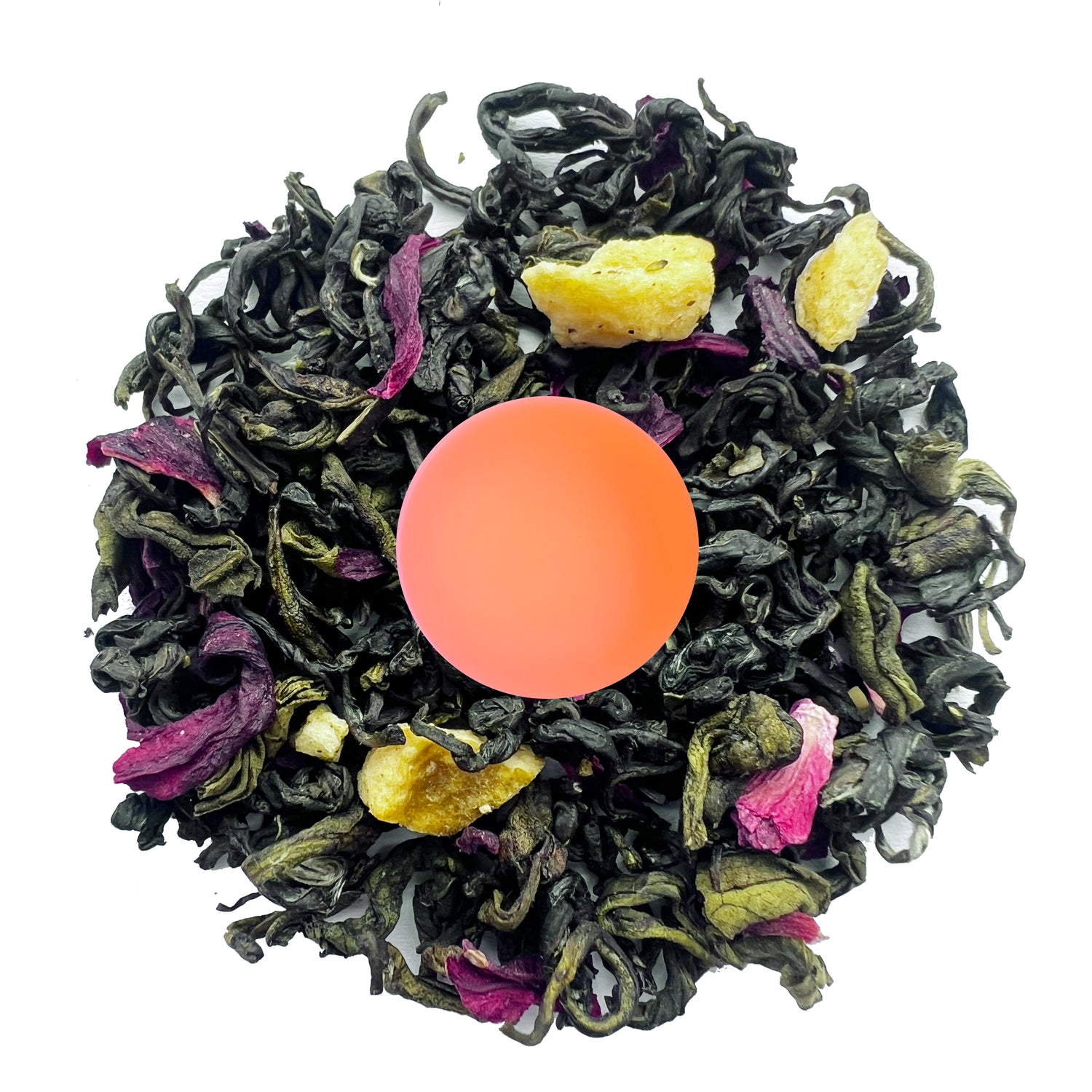
Pure hibiscus is naturally caffeine-free. But Danfe Tea's 18° Hibiscus Green Tea is something more sophisticated: a high-altitude Himalayan green tea blended with hibiscus petals, giving you a cup that carries light caffeine — enough for a calm, focused lift, not a jolt. That distinction matters enormously when you're deciding whether to reach for it in the evening.
At Danfe Tea, a US-based specialist in high-altitude Nepalese teas, we believe in being straightforward about what's in your cup. So in this guide, we'll walk you through exactly how hibiscus interacts with sleep, what the light caffeine in our green tea blend means for your nighttime routine, and when — and how — to drink it for the best results. Whether you're asking can I drink hibiscus tea at night, will it cause insomnia, or simply what should I sip before bed, you'll leave with a clear answer.
Shop the Tea Featured in This Article:
Does Hibiscus Tea Make You Sleepy? The Honest, Nuanced Answer
Let's get one thing clear first: not all hibiscus teas are the same.
Pure hibiscus herbal tea — made only from dried hibiscus petals — is caffeine-free. It doesn't promote wakefulness, and many people find its tart, floral warmth genuinely calming as a pre-bed ritual.
Danfe Tea's 18° Hibiscus Green Tea, however, is a thoughtful fusion: Himalayan green tea leaves blended with hibiscus petals. The green tea base provides a moderate amount of caffeine, offering a gentle energy boost. Because it's grown at high altitude in Nepal's Himalayan gardens, the caffeine profile is notably smoother and more balanced than lowland green teas — but it is present, and it matters for sleep.
So does hibiscus tea make you sleepy? For a pure hibiscus herbal — possibly, through the calming ritual alone. For a hibiscus-green tea blend like Danfe's 18°? It's better described as a calm focus tea: ideal for late afternoon or early evening, not directly before bed.
That's not a limitation — it's a feature. And understanding it helps you get more from every cup.
Q: Is hibiscus tea good for sleep? A: High-altitude Himalayan hibiscus herbal teas are traditionally enjoyed in calming evening rituals and may support relaxation as part of a balanced lifestyle. A hibiscus green tea blend like Danfe Tea's 18° contains light caffeine and is better suited to late afternoon or early evening enjoyment rather than immediately before bed. Individual experiences vary.
Can I Drink Hibiscus Tea at Night? Here's the Smart Timing Guide
Yes — with the right timing and the right understanding of what you're drinking.
For Danfe's 18° Hibiscus Green Tea (Light Caffeine):
Green tea contains 30–50 mg of caffeine per 8 oz cup, with the exact amount varying based on brewing time, water temperature, and leaf quality. Danfe's 18° Hibiscus Green Tea is on the lower end of that range given its high-altitude growing conditions and the dilution from the hibiscus blend. Even so, caffeine-sensitive individuals should observe these timing guidelines:
- Best window: 2–4 PM. The calm lift of hibiscus-green complements afternoon focus beautifully.
- Acceptable evening window: Up to 6–7 PM for most people with normal caffeine sensitivity.
- Avoid: Drinking it within 2–3 hours of your target sleep time if you're caffeine-sensitive.
- Iced hibiscus green tea: A shorter, lighter brew over ice in the afternoon is an excellent warm-weather option with even less caffeine than a full hot steep.
For a Pure Caffeine-Free Hibiscus Before Bed:
If your goal is specifically a bedtime tea, a pure hibiscus herbal infusion (with no green tea base) is the right choice for the final hour before sleep. Danfe's broader herbal collection includes caffeine-free options that fit this window perfectly.
The key insight: Danfe's 18° Hibiscus Green Tea earns its place as the ideal transition tea — moving you from the caffeinated energy of the day into a genuinely calmer state, without the abruptness of quitting tea altogether.
Hibiscus Tea Side Effects on Sleep: What You Should Actually Know
Transparency matters more than sales copy. Here's an honest look at what affects sleep when hibiscus and green tea are combined:
1. Light caffeine is real — but manageable The caffeine in Danfe's 18° Hibiscus Green Tea is significantly lower than coffee (95mg+) or black tea. For most people, a cup enjoyed by 6 PM will not interfere with a 10–11 PM bedtime. But if you know you're caffeine-sensitive, push your last cup of hibiscus green tea earlier in the afternoon.
2. Does hibiscus tea cause insomnia? Hibiscus alone contains no caffeine and no stimulants — it has no direct mechanism for causing insomnia. In a green tea blend, the caffeine is the relevant variable. At the light levels in Danfe's 18°, insomnia is unlikely for most people at sensible evening timing, but not impossible for highly caffeine-sensitive individuals.
3. Mild diuretic effect Both hibiscus and green tea have mild diuretic properties. Avoid drinking any tea within 30–45 minutes of sleep to minimize nighttime bathroom interruptions.
4. Blood pressure interaction Hibiscus is traditionally associated with supporting healthy blood pressure levels. If you take blood pressure medication, speak with your healthcare provider before making hibiscus tea a daily habit, as the combination may amplify effects.
5. Does hibiscus green tea make you tired or drowsy? Not directly. The combination of hibiscus and green tea is more likely to produce calm alertness — the L-theanine in green tea moderates caffeine's stimulant effect, producing a smoother, steadier energy curve rather than a spike-and-crash. This is why Danfe's 18° is a genuinely pleasant afternoon and early evening tea.
Benefits of Drinking Hibiscus Green Tea: What Tradition and Research Suggest
This unique blend brings together the tart, fruity brightness of hibiscus with the smooth, earthy body of Himalayan green tea. The result is a beautifully balanced infusion with vibrant ruby hues, a naturally tangy finish, and a refreshing lift in every sip.
Here's what the hibiscus and green tea combination may offer, framed responsibly:
Antioxidant richness: High-altitude cultivation enhances nitrogen metabolism, promoting accumulation of amino acids and health-boosting compounds, resulting in tea that's 30–50% richer in antioxidants than lowland varieties. Paired with hibiscus's anthocyanins and vitamin C, the 18° blend is one of the more antioxidant-dense teas in Danfe's collection.
Heart health support: Green tea's catechins and hibiscus's anthocyanins are known to support healthy blood pressure and cholesterol levels as part of a balanced lifestyle.
Skin wellness: Hibiscus is rich in natural AHAs (alpha hydroxy acids) that may gently promote skin cell turnover, while its antioxidants help fight free radicals that contribute to early signs of aging.
Calm, focused energy: The L-theanine in Himalayan green tea works alongside caffeine to produce sustained, smooth alertness — not a harsh stimulant effect. Hibiscus adds flavor and antioxidants without adding more caffeine. The result is a tea that supports productive afternoons and relaxed early evenings.
Immune support: Hibiscus is rich in vitamin C and flavonoids, which help strengthen immune defenses and protect against environmental stressors.
Hibiscus Tea at Night vs. Bedtime: Choosing the Right Cup for the Right Moment
Here's a clear, honest guide to matching Danfe teas to your daily rhythm:
|
Time of Day |
Tea |
Caffeine |
Purpose |
|
Morning |
Danfe High-Altitude Black Tea |
Moderate–High |
Strong morning energy |
|
Midday |
29° Nepal Green Tea |
Moderate |
Focus & productivity |
|
Afternoon (2–5 PM) |
18° Hibiscus Green Tea |
Light |
Calm focus, antioxidants |
|
Early Evening (5–7 PM) |
18° Hibiscus Green Tea (light brew) |
Very Light |
Transition from day to evening |
|
Bedtime (1 hr before sleep) |
Pure Hibiscus Herbal / Chamomile |
None |
Sleep ritual, calm |
The 18° Hibiscus Green Tea owns the 2–7 PM window with authority. No other tea in Danfe's range combines the hibiscus tartness, the smooth Himalayan green tea character, and the light caffeine profile as effectively for that crucial transition stretch of the day.
Ready to Try It? Danfe Tea's 18° Hibiscus Green Tea — high-altitude Himalayan green tea meets vibrant hibiscus.
How to Brew Danfe's 18° Hibiscus Green Tea for Evening Enjoyment
Brewing technique directly affects how much caffeine ends up in your cup — which matters for evening drinking.
For a standard afternoon cup (full flavor, light caffeine):
- Water temperature: 80–85°C (not boiling — high heat extracts more caffeine and bitterness)
- Steep time: 2–3 minutes
- Amount: 1.5 teaspoons per 6 oz water
- Enjoy as-is or with a small amount of honey
For a lighter evening cup (reduced caffeine, still flavorful):
- Water temperature: 75–80°C
- Steep time: 1.5–2 minutes (shorter steep = less caffeine extracted)
- The hibiscus character remains vivid even with a shorter steep; the green tea softens beautifully
For iced hibiscus green tea (warm-weather afternoons):
- Brew a standard cup, cool to room temperature, pour over ice
- The cold temperature naturally mutes bitterness and brings out hibiscus's fruit-forward tartness
- This is one of the most refreshing ways to enjoy the blend
Comparison to Darjeeling or Assam: Unlike Darjeeling or Assam, which require near-boiling water and produce a significantly more caffeinated, often astringent cup, Danfe's high-altitude Himalayan green tea brews smoother and less bitter at lower temperatures — a natural advantage of growing above 1,500 meters.
Ethics & Sourcing: Why the Source of Your Hibiscus Green Tea Matters
Danfe Tea offers a comprehensive selection of premium loose-leaf teas, including black tea, green tea, oolong tea, white tea, and specialty floral teas — all sourced from Nepal's high-altitude tea gardens.
The 18° Hibiscus Green Tea reflects this same commitment:
- Smallholder farmer partnerships: Direct relationships with Himalayan growers ensure fair compensation and sustainable cultivation.
- High-altitude integrity: Growing above 1,500 meters in Nepal produces naturally lower bitterness, reduced need for pesticides, and higher antioxidant concentration.
- No artificial additives: The 18° blend contains no artificial flavors, colors, or fillers. Hibiscus petals and Himalayan green tea — nothing else.
What to Know Before Buying Hibiscus Green Tea for Sleep or Evening Use
- It contains light caffeine: Danfe's 18° Hibiscus Green Tea is a green tea blend, not a pure herbal. Enjoy it in the afternoon or early evening, not directly before bed.
- The hibiscus component is not a sedative: Hibiscus contributes flavor, antioxidants, and a calming ritual quality — not pharmacological sleep induction.
- Ideal timing is 2–7 PM: This is where the 18° blend shines — bridging the productive afternoon and the wind-down evening.
- Brew lighter for evening: A shorter steep at lower water temperature reduces caffeine while preserving the hibiscus character you're drinking it for.
- Highly caffeine-sensitive? Choose a pure caffeine-free herbal for the final hour before bed and enjoy the hibiscus green blend earlier in your day.
- Quality sourcing matters: High-altitude Himalayan green tea produces a smoother, better-balanced caffeine curve than lowland alternatives — making it a smarter evening green tea choice.
Frequently Asked Questions
Q: Does hibiscus tea make you sleepy?
A: Pure hibiscus herbal tea is caffeine-free and may support a calming evening routine. Danfe Tea's 18° Hibiscus Green Tea contains light caffeine from its Himalayan green tea base and is better suited to afternoon and early evening use rather than immediately before bed.
Q: Can I drink hibiscus green tea at night?
A: Yes, with sensible timing. For most people with normal caffeine sensitivity, enjoying a lightly brewed cup of Danfe's 18° Hibiscus Green Tea by 6–7 PM will not interfere with a 10–11 PM bedtime. Highly caffeine-sensitive individuals should push the last cup to 4–5 PM.
Q: Does hibiscus tea cause insomnia?
A: Hibiscus petals alone contain no caffeine and have no known connection to insomnia. In a hibiscus-green tea blend, the green tea's light caffeine is the relevant factor. At sensible evening timing, insomnia is unlikely for most people — but individual sensitivity varies.
Q: What are the benefits of hibiscus green tea at night or before bed?
A: Danfe's 18° Hibiscus Green Tea is traditionally enjoyed for its antioxidant richness, gentle energy, and cardiovascular support as part of a balanced lifestyle. These benefits are based on traditional use and publicly available research and are not evaluated by the FDA as medical claims.
Q: Is Danfe's 18° Hibiscus Green Tea better than Darjeeling for evening drinking?
A: For most people, yes — its light caffeine level, lower brewing temperature, and naturally smooth Himalayan character make it a more evening-appropriate choice than higher-caffeine Darjeeling. It's a genuine upgrade for the late afternoon and early evening window.
Q: Can hibiscus green tea help with sleep?
A: Not directly. As a caffeinated blend, it is better positioned as a day-to-evening transition tea rather than a sleep aid. For a bedtime ritual, a pure caffeine-free herbal infusion is more appropriate.
Conclusion
The question does hibiscus tea make you sleepy doesn't have a single answer — it depends entirely on what kind of hibiscus tea you're drinking.
Danfe Tea's 18° Hibiscus Green Tea is not a bedtime sedative. It's something better: a beautifully balanced afternoon and early evening tea that bridges your productive day and your calm evening, delivering light caffeine, vivid hibiscus tartness, and the high-altitude smoothness that makes Himalayan green tea distinct from anything grown in Darjeeling or Assam.
As a US-based specialist in high-altitude Nepalese teas, Danfe Tea brings the same quality-first sourcing philosophy to every blend — including the 18°. If you're building a more intentional daily tea ritual, this is where afternoons should taste.
Explore the full collection and find the right tea for every hour of your day.
Not sure where to start? → Explore All Himalayan Teas from Danfe Tea
The potential wellness benefits mentioned in this article are based on traditional use, publicly available research, and general wellness sources. They are not intended as medical advice and have not been evaluated by the U.S. Food and Drug Administration. Danfe Tea products are not intended to diagnose, treat, cure, or prevent any disease. Individual experiences may vary. If you have a medical condition or take prescription medications, consult your healthcare provider before making changes to your dietary habits.