
Tea for Constipation: Can Tea Help Relieve Constipation Naturally?
Quick Answer: Does Tea Help With Constipation?
Yes, certain teas may help support regular bowel movements for some people, but they are not a cure for constipation.
Tea can contribute to hydration, and some varieties naturally contain compounds that may encourage digestive activity. For example, black tea and green tea contain caffeine, which may stimulate bowel movements in some individuals. Herbal teas such as peppermint, ginger, and chamomile are often enjoyed because they may help promote digestive comfort as part of a balanced lifestyle.
However, if constipation lasts longer than a few weeks, is severe, or is accompanied by symptoms such as blood in the stool, unexplained weight loss, or persistent abdominal pain, it is important to seek medical advice rather than relying on home remedies alone.
Best Teas Commonly Enjoyed for Occasional Constipation
| Tea | Caffeine | Why People Choose It |
|---|---|---|
| Peppermint Tea | No | Refreshing herbal tea traditionally enjoyed after meals |
| Ginger Tea | No | Warming herbal tea often associated with digestive comfort |
| Green Tea | Yes | Provides hydration and moderate caffeine |
| Black Tea | Yes | Higher caffeine content than green tea |
| Chamomile Tea | No | Mild herbal tea often enjoyed in the evening |
| Senna Tea | No | Contains natural stimulant compounds and should only be used occasionally under medical guidance |
No single tea works for everyone, and tea should complementnot replacea fiber-rich diet, adequate hydration, and regular physical activity
What Is Constipation?
Constipation is one of the most common digestive complaints worldwide.
In general, constipation refers to infrequent bowel movements, difficulty passing stool, or stools that are hard, dry, or uncomfortable to pass.
Many healthcare organizations describe constipation as having fewer than three bowel movements per week, although normal bowel habits vary from person to person.
Occasional constipation is common and often improves with simple lifestyle changes. Chronic constipation, however, may require medical evaluation to identify the underlying cause.
Common Causes of Constipation
Constipation can develop for many reasons, and often several factors contribute at the same time.
Low Fiber Intake
Dietary fiber helps add bulk to stool and supports regular bowel movements.
Eating too few fruits, vegetables, legumes, and whole grains can increase the likelihood of constipation.
Not Drinking Enough Fluids
Water plays an important role in keeping stool soft and easier to pass.
When fluid intake is too low, stools may become dry and difficult to move through the digestive tract.
Physical Inactivity
Regular movement helps stimulate the muscles involved in digestion.
Periods of prolonged sitting or inactivity may contribute to slower bowel movements in some individuals.
Changes in Routine
Travel, schedule changes, or shifts in eating habits can temporarily affect digestive regularity.
Certain Medications
Some medications may contribute to constipation as a side effect. If you suspect this is the case, speak with your healthcare provider before making any changes to your treatment plan.
Stress
The digestive system and the nervous system are closely connected.
For some people, ongoing stress may affect digestive function and bowel habits
Can Tea Help With Constipation?
Tea is not a laxative in the same way as medications specifically designed to treat constipation. However, certain teas may help support digestive health through several mechanisms.
The effect depends on the type of tea, how much is consumed, and individual differences.
1. Tea Helps Increase Fluid Intake
One of the simplest ways tea may help with occasional constipation is by increasing daily fluid intake.
Adequate hydration helps soften stool, making it easier to pass through the digestive tract.
Unsweetened tea can be an enjoyable alternative to plain water and may encourage people to drink more fluids throughout the day.
2. Some Teas Contain Caffeine
Black tea and green tea naturally contain caffeine.
Caffeine may stimulate contractions in the digestive tract for some people, which can encourage bowel movements.
This effect varies widely, and not everyone experiences the same response.
It's also worth remembering that excessive caffeine intake may have unwanted side effects, so moderation remains important.
3. Herbal Teas May Promote Digestive Comfort
Many herbal teas have been traditionally enjoyed after meals because they create a warm, soothing drinking experience.
Herbal teas such as peppermint, ginger, and chamomile are commonly chosen by people looking to support everyday digestive comfort.
While research on specific herbal teas continues, they should be viewed as part of an overall healthy lifestyle rather than a treatment for digestive disorders
How Tea May Support Digestive Health
Tea has been enjoyed for thousands of years in cultures around the world, not only for its flavor but also as part of daily wellness rituals.
Different teas contain naturally occurring plant compounds, including polyphenols and other antioxidants, that continue to be studied for their role in overall health.
Although more research is still needed in many areas, several characteristics make tea a popular choice for digestive wellness.
Hydration
Warm beverages like tea contribute to total daily fluid intake, which is an important factor in maintaining healthy bowel function.
A Relaxing Daily Ritual
Many people find that taking a few minutes to enjoy a warm cup of tea encourages mindfulness and relaxation.
Managing stress may indirectly support digestive health for some individuals.
Plant-Based Compounds
True teas made from Camellia sinensis naturally contain polyphenols, while herbal teas provide a variety of botanical compounds depending on their ingredients.
Scientists continue to investigate how these naturally occurring compounds interact with the digestive system and the gut microbiome.
Gentle Daily Routine
For many people, starting the morning with a warm cup of tea helps establish a consistent daily routine, which may also encourage regular bathroom habits.
Tea should not be viewed as a substitute for medical care, but it can be a simple and enjoyable part of a balanced lifestyle that supports digestive health.
The Best Teas for Constipation
If you're looking for a natural way to support regular bowel movements, several teas are commonly enjoyed for digestive wellness. While tea should not replace medical treatment, certain varieties may complement a healthy lifestyle through hydration, warmth, or naturally occurring compounds.
Here are some of the most popular options
1. Peppermint Tea
Peppermint tea is one of the most widely recommended herbal teas for digestive comfort.
Although research has focused more on peppermint oil than peppermint tea itself, many people enjoy peppermint tea after meals because of its refreshing flavor and soothing qualities.
People often choose peppermint tea because it is:
- Naturally caffeine-free
- Refreshing after meals
- Easy to enjoy throughout the day
- Gentle on the stomach
If you're looking for a caffeine-free herbal tea, peppermint is an excellent option
2. Ginger Tea
Ginger has been used in culinary traditions around the world for centuries.
Many people drink ginger tea because it creates a warming and comforting experience after meals.
Ginger tea is:
- Naturally caffeine-free
- Easy to prepare
- Popular during colder months
- Often enjoyed as part of digestive wellness routines
Fresh ginger slices, dried ginger, or loose-leaf ginger blends all work well
3. Green Tea
Green tea naturally contains moderate amounts of caffeine, typically between 20–45 mg per cup.
For some individuals, caffeine may gently stimulate the digestive tract and encourage bowel movements.
Green tea also contributes to daily fluid intake, which is important for maintaining softer stools.
If you're sensitive to caffeine, consider drinking green tea earlier in the day
4. Black Tea
Black tea generally contains more caffeine than green tea, averaging 40–70 mg per cup.
Some people notice that a morning cup of black tea encourages regular bowel movements.
However, drinking excessive amounts of caffeinated beverages may not be helpful for everyone.
Moderation remains important.
5. Chamomile Tea
Chamomile tea is known for its delicate floral flavor.
Although it is not considered a laxative, many people include chamomile in their evening routine because of its calming character.
It is naturally caffeine-free and can be enjoyed throughout the day
6. Tulsi Tea (Holy Basil)
Tulsi, also known as holy basil, has been used for generations in traditional herbal practices.
Many tea drinkers enjoy tulsi because it offers:
- A naturally herbal flavor
- No caffeine
- A comforting daily ritual
Tulsi tea pairs well with ginger or lemongrass for additional flavor
7. Lemongrass Tea
Lemongrass tea has a bright citrus aroma and refreshing taste.
It is another caffeine-free herbal tea that many people include in their daily wellness routines.
Lemongrass is particularly enjoyable served either hot or iced
8. Senna Tea
Senna tea deserves special attention because it works differently from most herbal teas.
Senna contains compounds known as sennosides, which are stimulant laxatives approved in certain over-the-counter products for the short-term treatment of occasional constipation.
Because of its mild laxative effect, senna tea should only be used occasionally and according to product directions or a healthcare professional's advice.
Long-term use of stimulant laxatives is generally not recommended, as it may lead to dependence or changes in normal bowel function.
Unlike peppermint, ginger, or chamomile tea, senna is intended for occasional constipation rather than everyday drinking
Which Tea Is Best for Constipation?
There is no single "best" tea that works for everyone.
Instead, the ideal choice depends on your preferences and the underlying cause of your symptoms.
| Tea | Caffeine | Daily Use |
|---|---|---|
| Peppermint | No | Excellent |
| Ginger | No | Excellent |
| Chamomile | No | Excellent |
| Tulsi | No | Excellent |
| Lemongrass | No | Excellent |
| Green Tea | Moderate | Yes |
| Black Tea | Higher | Yes |
| Senna | No | Occasional only |
For many people, caffeine-free herbal teas are enjoyable as part of a daily routine, while senna tea should generally be reserved for short-term use.
Does Tea Make You Poop?
This is one of the most searched questions online.
The answer is:
Sometimes.
Some people notice that drinking teaespecially warm tea in the morningencourages a bowel movement.
Possible reasons include:
- Increased fluid intake
- Warm liquids stimulating digestion
- Caffeine in black and green tea
- Establishing a consistent morning routine
However, everyone responds differently.
If tea does not improve constipation, increasing dietary fiber, staying hydrated, and regular physical activity are usually more effective long-term strategies
Is Warm Tea Better Than Cold Tea?
Many people find warm beverages comforting when experiencing digestive discomfort.
Warm tea may feel soothing and encourages fluid intake.
However, there is no strong evidence that warm tea is inherently better than iced tea specifically for relieving constipation.
The important factor is staying hydrated consistently
Are There Any Side Effects?
Tea is generally considered safe for most healthy adults.
However, some teas may not be suitable for everyone.
Caffeine
Black tea and green tea contain caffeine.
Excess caffeine may contribute to:
- Difficulty sleeping
- Restlessness
- Increased heart rate in sensitive individuals
Senna Tea
Because senna has stimulant laxative effects, excessive or long-term use may cause:
- Abdominal cramping
- Diarrhea
- Electrolyte imbalance
For this reason, senna tea should only be used occasionally.
Herbal Allergies
People with allergies to certain plants should read ingredient labels carefully before trying herbal teas.
If you are pregnant, breastfeeding, taking medications, or have a chronic digestive condition, speak with your healthcare provider before regularly using herbal teas for constipation.
Other Drinks That May Help Support Regular Bowel Movements
Tea can be part of a healthy digestive routine, but it works best alongside other hydration and lifestyle habits. If you're experiencing occasional constipation, these beverages may also help support regular bowel movements.
Water
Staying hydrated is one of the simplest and most effective ways to help keep stools soft and easier to pass. For many people, increasing daily water intake is the first step toward improving bowel regularity.
Warm Water
Some people find that drinking a glass of warm water first thing in the morning helps encourage digestion and establish a regular bathroom routine.
Coffee
Coffee contains more caffeine than tea and may stimulate bowel movements in some individuals. However, coffee is not suitable for everyone, particularly those who are sensitive to caffeine or experience digestive discomfort after drinking it.
Prune Juice
Prunes naturally contain sorbitol and dietary fiber, making prune juice one of the most commonly recommended beverages for occasional constipation.
While tea can complement a digestive-friendly lifestyle, combining it with proper hydration and a balanced diet is often the most effective long-term approach.
Foods That Support Digestive Health
No tea can replace the importance of a balanced, fiber-rich diet.
Foods naturally rich in dietary fiber help add bulk to stool and support healthy digestion.
Consider including more of these foods in your meals:
Fruits
- Apples
- Pears
- Kiwi
- Berries
- Prunes
Vegetables
- Broccoli
- Spinach
- Carrots
- Sweet potatoes
Whole Grains
- Oats
- Brown rice
- Whole wheat bread
- Barley
Legumes
- Lentils
- Chickpeas
- Black beans
- Kidney beans
Gradually increasing fiber intake while drinking plenty of fluids may help reduce the likelihood of occasional constipation.
Lifestyle Habits That May Help Prevent Constipation
Healthy digestion is influenced by more than food and beverages.
Simple daily habits can make a meaningful difference.
Stay Hydrated
Adequate fluid intake helps support normal bowel function.
Eat Enough Fiber
Most adults benefit from eating a variety of fiber-rich foods each day.
Stay Active
Regular physical activity helps stimulate the muscles involved in moving food through the digestive tract.
Even a daily 30-minute walk may support overall digestive health.
Listen to Your Body
Avoid delaying bowel movements when you feel the urge, as consistently ignoring the urge may contribute to constipation over time.
Create a Daily Routine
Many people find that eating breakfast and enjoying a warm beverage at the same time each morning helps establish consistent bowel habits.
When Should You See a Doctor?
Occasional constipation is common and often improves with hydration, dietary changes, and physical activity.
However, medical evaluation is recommended if constipation:
- Lasts longer than three weeks
- Frequently returns despite lifestyle changes
- Is accompanied by severe abdominal pain
- Includes blood in the stool
- Occurs with unexplained weight loss
- Is associated with persistent vomiting or fever
These symptoms may indicate an underlying medical condition that requires professional evaluation.
The Danfe Method: A Gentle Daily Tea Ritual
At Danfe Tea, we believe tea should be part of an enjoyable daily ritual rather than a quick fix.
A thoughtfully prepared cup of tea encourages you to slow down, stay hydrated, and create a consistent wellness routine.
Whether you prefer a refreshing herbal infusion or a smooth Himalayan green tea, the goal is to make tea an experience you look forward to every day.
The Danfe Method encourages experimenting with:
- Brewing temperature
- Steeping time
- Loose-leaf quantity
- Morning versus afternoon brewing
- Pairing tea with balanced meals
Rather than following rigid rules, the focus is on discovering the brewing style that suits your personal taste and lifestyle.
Recommended Danfe Teas for Everyday Digestive Wellness
If you're looking to build a calming daily tea ritual, these loose-leaf teas are excellent options to explore.
Himalayan Peppermint Tea
A naturally caffeine-free herbal tea with a refreshing mint flavor that's often enjoyed after meals.
Himalayan Lemongrass Tea
Bright, citrusy, and refreshing, making it a pleasant option throughout the day.
Tulsi (Holy Basil) Tea
A classic herbal tea traditionally enjoyed as part of everyday wellness routines.
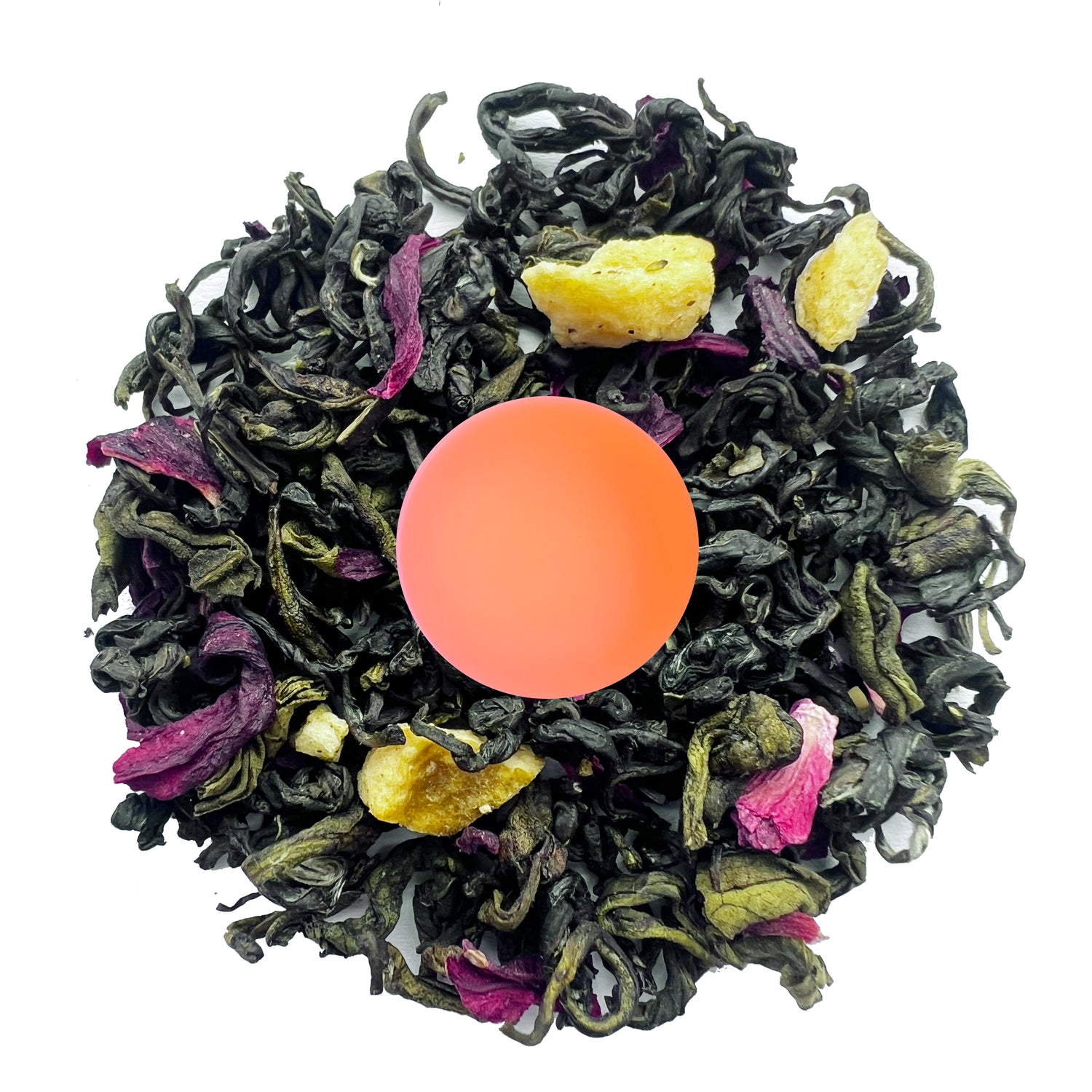
Himalayan Green Tea
Provides gentle caffeine along with a fresh, smooth flavor that many people enjoy in the morning.
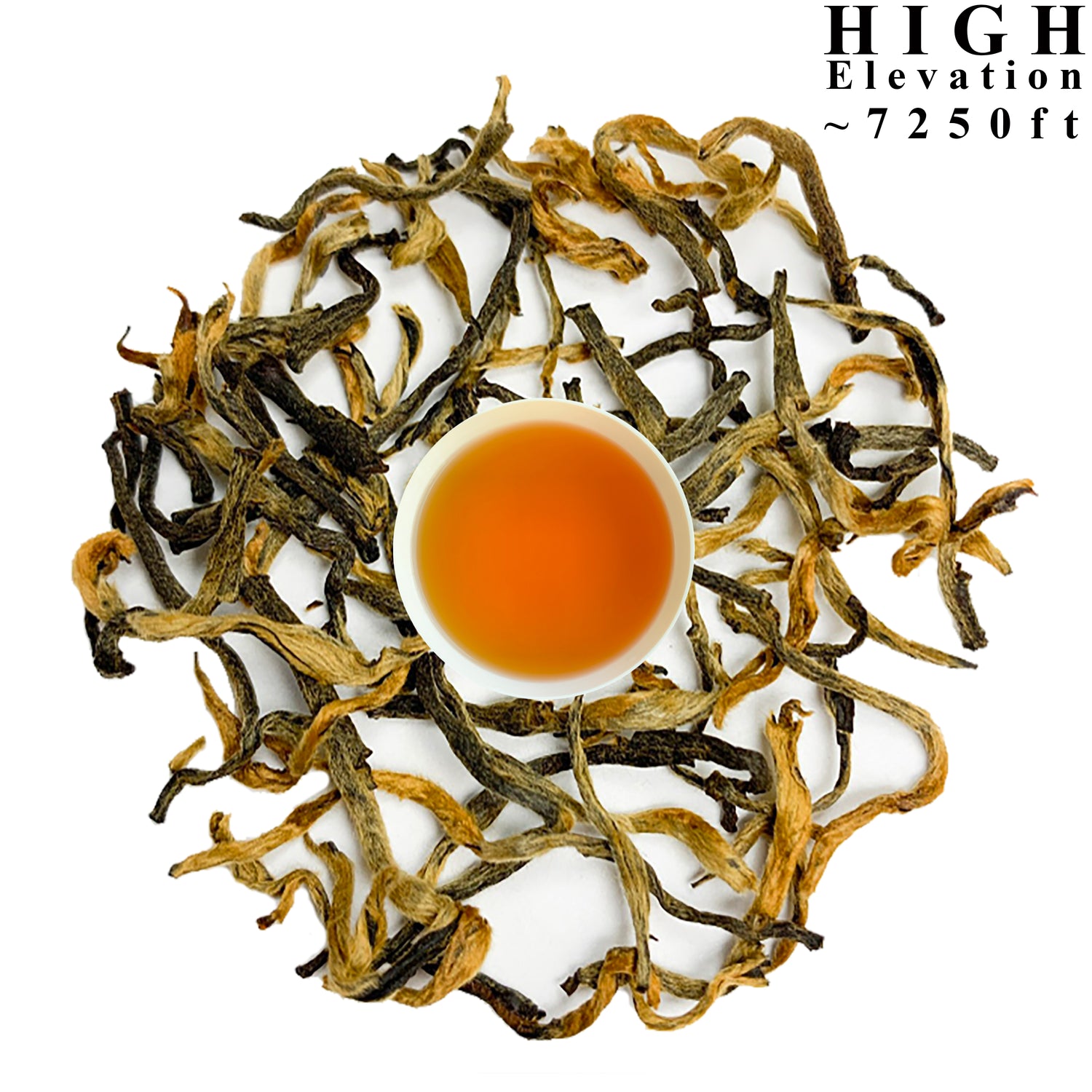
Himalayan Black Tea
Ideal for those who prefer a richer cup with slightly higher caffeine.
Instead of viewing tea as a remedy, think of it as one enjoyable piece of a healthy lifestyle that includes balanced nutrition, regular movement, adequate hydration, and mindful daily habits.
Frequently Asked Questions
Does tea help with constipation?
Certain teas may support digestive comfort and regular bowel movements by contributing to hydration or providing naturally occurring compounds such as caffeine. Tea should complementnot replacea healthy diet and medical care when needed.
What is the best tea for constipation?
Peppermint tea, ginger tea, chamomile tea, green tea, and black tea are among the most commonly enjoyed teas for digestive wellness. Senna tea may provide a mild laxative effect but is generally intended only for occasional short-term use.
Does green tea make you poop?
Some people notice that green tea encourages bowel movements, possibly because of its moderate caffeine content and contribution to daily fluid intake. Individual responses vary.
Is peppermint tea good for constipation?
Peppermint tea is widely enjoyed after meals because of its refreshing flavor and traditional association with digestive comfort.
Does black tea help with constipation?
Black tea contains more caffeine than green tea, which may stimulate bowel movements in some individuals. However, excessive caffeine intake is not recommended.
Is ginger tea good for constipation?
Ginger tea is commonly included in digestive wellness routines and is appreciated for its warming, comforting flavor.
Can warm tea help constipation?
Warm beverages may feel soothing and encourage hydration, both of which can support healthy digestion.
How much tea should I drink for constipation?
There is no standard amount. One to three cups of tea per day can fit into a balanced diet for most healthy adults, depending on the type of tea and individual caffeine tolerance.
Is tea better than coffee for constipation?
Tea generally contains less caffeine than coffee, making it a gentler option for many people. The best choice depends on personal preference and caffeine sensitivity.
Can I drink tea every day?
Yes. Many people enjoy tea daily as part of a balanced lifestyle. Herbal teas are naturally caffeine-free, while black and green teas should be consumed in moderation if you're sensitive to caffeine.
Conclusion
Tea can be a comforting and enjoyable part of a digestive-friendly lifestyle, but it is not a cure for constipation. Staying hydrated, eating enough dietary fiber, exercising regularly, and establishing consistent daily habits remain the foundation of healthy digestion.
For many people, herbal teas such as peppermint, ginger, chamomile, tulsi, and lemongrass offer a soothing addition to their daily routine, while black and green teas provide moderate caffeine that may encourage bowel activity in some individuals.
If constipation becomes persistent, severe, or is accompanied by concerning symptoms, it is important to seek medical advice rather than relying on home remedies alone.
At Danfe Tea, we believe the best cup of tea is one that supports a mindful daily ritual. Explore our collection of premium Himalayan loose-leaf teas and discover flavors crafted to be enjoyed every daywhether you're starting your morning, unwinding after a meal, or simply taking a quiet moment for yourself.
Medical Disclaimer
This article is intended for educational purposes only and should not be considered medical advice. The information provided has not been evaluated by the U.S. Food and Drug Administration (FDA). Always consult a qualified healthcare professional regarding persistent constipation, digestive disorders, or before using herbal products for therapeutic purposes.