
Is Tea Hydrating or Dehydrating? The Science Behind It
Tea is mostly water, but confusion about caffeine and urination has caused many people to wonder whether their daily black, green, iced or herbal tea is helping or hurting hydration.
Does Tea Dehydrate You?
No tea does not usually dehydrate you when consumed in ordinary amounts; it generally contributes to your daily fluid intake.
Caffeinated tea can have a mild and temporary diuretic effect, meaning it may slightly increase urine production. However, the fluid in a normal cup generally outweighs that effect.
Water should still be your default hydration beverage during significant heat, intense exercise, illness or heavy fluid loss.
Why Do People Think Tea Is Dehydrating?
The belief comes from caffeine. Caffeine can influence kidney function and temporarily increase urine output, particularly after larger doses or in people who do not regularly consume it.
But increased urination and dehydration are not the same thing.
- Diuresis means that urine production increases.
- Dehydration means that the body loses more fluid than it receives.
Drinking any sizeable beverage may cause you to urinate more because you have consumed more fluid. That alone does not prove that the drink caused net dehydration.
What Does Research Say About Tea and Hydration?
In one randomized controlled trial, healthy resting men consumed either four or six 240-milliliter servings of black tea or equivalent amounts of boiled water.
The tea conditions supplied 168 or 252 milligrams of caffeine. Researchers found no significant differences between tea and water across the measured blood and urine hydration markers.
The study supports the conclusion that black tea can provide hydration similar to water under the conditions tested.
A separate meta-analysis of caffeine and urine production found a minor diuretic effect overall. The effect was more noticeable at rest and was not significant during exercise in the included studies.
Evidence-aware conclusion: ordinary caffeinated tea generally contributes more fluid than is lost through caffeine’s mild diuretic action. The research does not mean that tea is always interchangeable with water in every health, exercise or environmental situation.
Important Study Limitations
The controlled black-tea trial involved healthy men resting under supervised conditions. It did not test every tea, age group, medical condition, climate or exercise setting.
This means the overall conclusion is useful, but individualized medical or hydration guidance should still take priority.
Does Tea Count as Water Intake?
Yes. Unsweetened tea generally counts toward daily fluid intake.
This includes:
- Black tea
- Green tea
- White tea
- Oolong tea
- Masala chai
- Herbal infusions
- Hot tea
- Unsweetened iced tea
- Cold-brew tea
Water remains a particularly useful choice because it contains no caffeine, calories, sweeteners or additional ingredients.
Practical distinction: tea can count toward fluid intake without being the only beverage you drink. A varied routine that includes water is usually easier to adapt to heat, exercise, caffeine sensitivity and changing fluid needs.
Is Tea a Diuretic?
Caffeinated tea may have a mild diuretic effect, particularly after higher caffeine intake.
The effect can depend on:
- The amount of caffeine in the cup
- The number of servings consumed
- Whether you regularly consume caffeine
- Your personal caffeine sensitivity
- Body size
- Medication use
- Kidney and cardiovascular health
- Activity level
Pure caffeine-free herbal tea does not have a caffeine-related diuretic effect. However, drinking a large amount of any fluid can still increase urination.
Tea Caffeine and Hydration Comparison
| Tea Type | Caffeine Status | Contributes Fluid? | Hydration Context |
|---|---|---|---|
| Black tea | Contains caffeine | Yes | Ordinary servings normally provide net fluid |
| Green tea | Contains caffeine | Yes | Often contains less caffeine than black tea, but amounts overlap |
| White tea | Contains caffeine | Yes | Delicate flavor does not guarantee very low caffeine |
| Oolong tea | Contains caffeine | Yes | Caffeine varies by leaf and preparation |
| Masala chai | Usually contains caffeine | Yes | Black tea provides caffeine; milk and water provide fluid |
| Pure hibiscus | Naturally caffeine-free | Yes | Tart herbal infusion suitable hot or iced |
| Hibiscus green tea | Contains caffeine | Yes | Green-tea base supplies caffeine |
| Pure lemongrass | Naturally caffeine-free | Yes | Bright herbal option for any time of day |
| Pure spearmint | Naturally caffeine-free | Yes | Sweet mint flavor without caffeine |
Tea caffeine cannot be predicted perfectly from category alone. Leaf quantity, serving size, water temperature and steeping time all affect the final cup.
Compare tea types in the complete tea caffeine guide .
What Is the Best Tea for Hydration?
There is no single tea that hydrates every person better in every situation.
The most useful choice is one that:
- You enjoy drinking without excessive sweetener
- Fits your caffeine tolerance
- Does not upset your stomach
- Fits the time of day
- Does not conflict with medical advice
Choose Caffeinated Tea When:
- You want black, green, white or oolong flavor
- You tolerate caffeine comfortably
- You want a morning or afternoon tea
- You prefer a tea-based iced drink
- You are replacing a sugary beverage
Choose Caffeine-Free Herbal Tea When:
- Caffeine affects your sleep
- You want tea later in the evening
- You prefer hibiscus, lemongrass or mint flavors
- You are reducing total caffeine
- You want a hot or iced botanical infusion
Caffeine-free tea is not automatically more hydrating than every caffeinated cup. It simply avoids caffeine’s mild diuretic action and may be more comfortable for caffeine-sensitive drinkers.
Does Iced Tea Hydrate You?
Yes. Unsweetened iced tea contributes fluid just as hot tea does.
Temperature does not remove or create caffeine. Iced black tea remains caffeinated, while iced pure hibiscus or lemongrass remains caffeine-free.
Bottled tea may include:
- Added sugar
- Syrups
- Fruit-juice concentrates
- Additional caffeine
- Large serving sizes
These ingredients do not necessarily stop a drink from contributing fluid, but they change its nutritional and caffeine profile.
Simple Unsweetened Iced Tea Method
- Use twice the usual amount of loose-leaf tea.
- Brew at the appropriate temperature for the tea type.
- Use the normal steeping time instead of steeping excessively long.
- Strain the leaves completely.
- Pour the concentrated tea over a full glass of ice.
- Add lemon, cucumber, fruit or mint when desired.
Why Can Tea Make Your Mouth Feel Dry?
Black, green, white and oolong teas contain tannins and related compounds that can create an astringent or puckering mouthfeel.
Astringency is a sensory experience. It does not necessarily mean that your whole body is dehydrated.
To reduce the drying sensation:
- Use slightly cooler water.
- Shorten the steeping time.
- Use slightly fewer leaves.
- Remove the leaves when steeping finishes.
- Choose smoother whole-leaf tea.
- Drink water alongside stronger tea.
Should You Drink Tea During Exercise or Hot Weather?
Tea can contribute fluid, but water is usually the simpler choice during exercise and high heat.
Longer or more intense exercise may increase the need for:
- Additional water
- Sodium
- Carbohydrates
- A professionally recommended electrolyte drink
Tea is not an oral rehydration solution. It should not replace an appropriate rehydration plan after major sweating or serious fluid loss.
Should You Drink Tea When You Are Sick?
Tea can contribute fluid when you tolerate it, but it is not a treatment for dehydration or illness.
Vomiting and diarrhea can cause losses of water and electrolytes. In those situations, water alone or tea alone may not provide the correct balance of glucose and salts.
Seek medical guidance for serious dehydration: confusion, fainting, inability to keep fluids down, very little urination, severe weakness or persistent vomiting and diarrhea require appropriate care.
Who Should Use Individual Hydration Guidance?
General online hydration recommendations may not apply when you:
- Have kidney disease
- Have heart failure
- Have been prescribed a fluid restriction
- Take diuretic medication
- Are pregnant or breastfeeding
- Are highly sensitive to caffeine
- Have ongoing vomiting or diarrhea
- Exercise for long periods in high heat
Follow your healthcare professional’s guidance when your fluid intake needs to be restricted or carefully monitored.
How to Build a Hydration-Friendly Tea Routine
Begin With Water
Keep plain water available throughout the day rather than relying on one beverage exclusively.
Choose Tea by Time of Day
Enjoy black or green tea earlier and switch to caffeine-free herbal tea later when caffeine affects sleep.
Watch Serving Size
A very large mug or multiple refills can provide considerably more caffeine than one standard cup.
Keep Added Sugar Moderate
Use fruit, citrus or herbs for flavor before relying on large amounts of syrup or sugar.
Adjust for Heat and Activity
Increase appropriate fluids when sweating, exercising or spending extended time in hot conditions.
Follow Medical Advice
Do not increase or restrict fluids based only on a general blog when you have a diagnosed condition.
Loose-Leaf Teas for Hot and Iced Drinking
These two options demonstrate the most important distinction in this guide: a tea can contribute fluid whether it is lightly caffeinated or naturally caffeine-free.

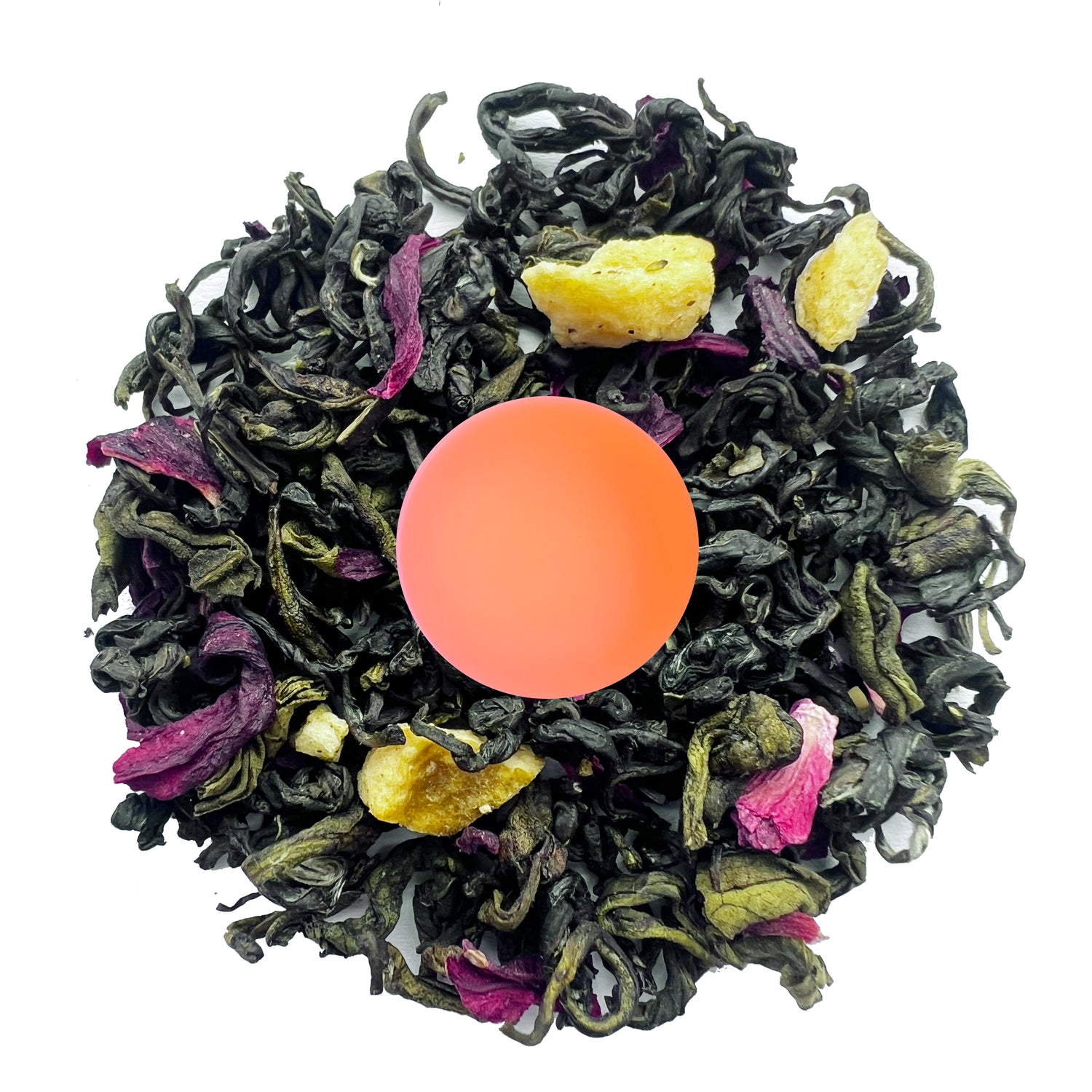
Ruby brightness with real green-tea structure
18° Hibiscus Green Tea
Tart whole hibiscus petals meet smooth Himalayan green tea in a vivid loose-leaf blend that works especially well chilled.
- Whole hibiscus petals and Himalayan green tea
- Crisp, cranberry-like flavor
- Ruby-red infusion
- Product page estimates 20–30 mg caffeine per 8 oz
- Suitable for hot or iced preparation
- One-time and subscription options
Best for: shoppers looking to buy hibiscus green tea online, make premium loose-leaf iced tea or replace sweetened bottled fruit tea.
This blend is not caffeine-free because it contains green tea.

Bright citrus flavor without caffeine
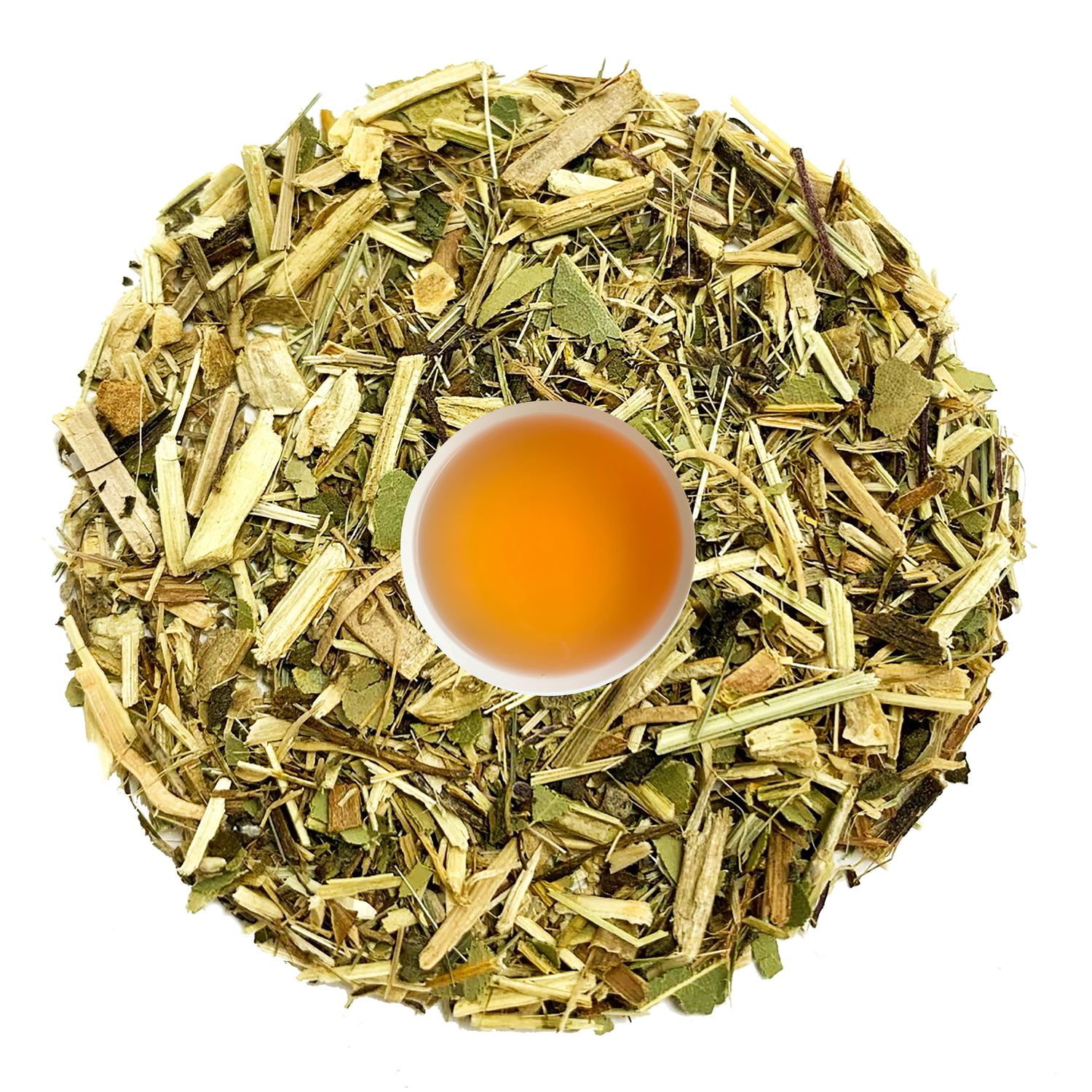
62° Himalayan Lemongrass Tea
Pure loose-leaf lemongrass creates a fresh citrus aroma, mild natural sweetness and clean finish without green or black tea.
- Pure Himalayan lemongrass
- Naturally caffeine-free
- Fresh lemon-like aroma
- Smooth herbal body
- Enjoy hot, iced or cold brewed
- One-time and subscription options
Best for: shoppers looking to buy caffeine-free herbal tea online, prepare unsweetened iced herbal tea or build an evening tea routine.
Caffeine-free does not mean that the tea treats dehydration or another medical condition.
How to Choose Tea for a Hydration-Friendly Routine
When searching for the best tea for hydration or deciding where to buy caffeine-free tea online, choose according to ingredients and caffeine rather than medical-sounding promises.
Look for:
- A clear tea base: black, green, white, oolong or herbal
- Caffeine information: especially for evening drinking
- Complete ingredients: including tea leaves, herbs, fruit and flavoring
- Loose-leaf quality: visible leaves, flowers or herbs
- Hot and iced instructions: useful for year-round drinking
- Unsweetened preparation: allowing you to control sugar
- Transparent product language: avoid teas promising to cure dehydration or replace medical rehydration
- Purchase flexibility: one-time, bulk or subscription options
Commercial phrases used naturally in this guide include:
- Buy caffeine-free herbal tea online
- Best loose-leaf tea for iced tea
- Premium hibiscus green tea
- Loose-leaf lemongrass tea
- Unsweetened iced-tea blends
- Himalayan herbal tea collection
- Caffeine-free tea subscription
These phrases should support real buying decisions rather than being repeated throughout unrelated health information.
Frequently Asked Questions
Does tea dehydrate you?
Tea does not usually dehydrate healthy adults when consumed in ordinary amounts. Its fluid generally outweighs caffeine’s mild diuretic effect.
Does tea count as water?
Tea counts toward daily fluid intake, although water should remain an important part of your routine.
Is tea a diuretic?
Caffeinated tea may mildly increase urine production. That does not normally mean the drink causes net dehydration.
Does black tea dehydrate you?
Ordinary black-tea consumption generally contributes fluid. A controlled trial found hydration measurements similar to water at the quantities studied.
Does green tea dehydrate you?
Green tea does not usually cause dehydration in ordinary amounts. It contains caffeine but also supplies fluid.
Is green tea more hydrating than black tea?
Not necessarily. Green tea often contains less caffeine, but both generally contribute fluid. Serving size and preparation matter.
Does iced tea hydrate you?
Yes. Unsweetened iced tea contributes fluid just as hot tea does. Check bottled versions for sugar and added caffeine.
Is herbal tea hydrating?
Herbal tea contributes fluid. Many pure herbal infusions are naturally caffeine-free, but the complete ingredients should still be checked.
Does hibiscus tea hydrate you?
Pure hibiscus tea contributes fluid and contains no natural caffeine. Hibiscus blends containing green or black tea are caffeinated.
Can tea replace water completely?
Tea can contribute to hydration, but relying exclusively on tea may provide more caffeine, acidity or other ingredients than you want. Water remains the simplest default.
Can too much tea dehydrate you?
Very high caffeine intake may increase urine production and cause other side effects. The response depends on total caffeine, serving size and individual sensitivity.
Why do I urinate after drinking tea?
You have consumed fluid, and caffeine may also have a mild diuretic effect. Increased urination alone does not prove dehydration.
Why does tea make my mouth feel dry?
Tea tannins can create an astringent or puckering sensation. This sensory dryness is not the same as whole-body dehydration.
Should I drink tea after exercise?
Tea can contribute fluid, but water or an appropriate electrolyte drink may be more useful after long, intense or hot-weather exercise.
Can tea treat dehydration from vomiting or diarrhea?
No. Significant fluid and electrolyte losses may require an oral rehydration solution or medical guidance.
Where can I buy caffeine-free loose-leaf tea?
Browse Danfe Tea’s caffeine-free herbal tea collection for lemongrass, spearmint, tulsi, chamomile and moringa-based options.
Key Takeaways
- Tea does not usually dehydrate you.
- Tea generally contributes to daily fluid intake.
- Caffeine may cause a mild and temporary increase in urine production.
- Increased urination does not automatically mean dehydration.
- Black, green, white and oolong tea all contain caffeine.
- Many pure herbal infusions are naturally caffeine-free.
- Hot tea, iced tea and cold-brew tea all provide fluid.
- Astringency can make your mouth feel dry without causing body dehydration.
- Water remains the best default during major heat, exercise or illness.
- Tea is not an oral rehydration solution.
- People with fluid restrictions should follow medical guidance.
Hot, iced, caffeinated or herbal
Find a Himalayan Tea That Fits Your Day
Choose bright hibiscus green tea for a lightly caffeinated iced cup, or go completely caffeine-free with pure Himalayan lemongrass and other loose-leaf herbal infusions.
Continue Exploring
Research and Guidance Sources
- PubMed: Black Tea Compared With Water for Hydration
- PubMed: Caffeine and Diuresis Meta-Analysis
- PubMed: Caffeine Ingestion and Fluid Balance Review
- NHS: Water, Drinks and Hydration
- FDA: Caffeine Intake and Individual Sensitivity
This article is provided for educational purposes and is not medical advice. Tea and Danfe Tea products are foods and beverages and are not intended to diagnose, treat, cure, mitigate or prevent dehydration, kidney disease or any medical condition. Individual fluid requirements vary according to health, medication, pregnancy, climate and activity. Seek qualified medical guidance for serious dehydration, persistent symptoms, fluid restrictions or significant illness.