
Green Tea vs Black tea: Health Benefits and Differences
Tea is not just a drink. It is a daily ritual, a cultural staple, and for many of us, a life saving 8 a.m. survival tactic. Whether you reach for the bold richness of black tea or the light, clean taste of green tea, both varieties have deep roots and even deeper benefits.
They come from the very same plant, Camellia sinensis, but the way the leaves are processed afterward changes everything: taste, color, caffeine level, and even the health effects. Here is the full breakdown, leaf by leaf.
Key Differences at a Glance: Comparison Table
| Attribute | Green Tea | Black Tea |
|---|---|---|
| Oxidation Level | Unoxidized (pan fired or steamed) | Fully oxidized (100 percent) |
| Caffeine Content | 25 to 35 mg per 8 oz | 40 to 70 mg per 8 oz |
| Key Antioxidants | Epigallocatechin Gallate (EGCG) | Theaflavins and Thearubigins |
| Flavor Profile | Vegetal, grassy, sweet, light floral | Robust, malty, brisk, full bodied |
| Best For | Clean focus, calm energy, skin health | Morning alertness, coffee replacement |
| Water Temperature | 160F to 180F (70C to 80C) | 200F to 212F (93C to 100C) |
Processing and Oxidation: How the Same Leaf Creates Two Different Teas
The whole story of black tea versus green tea comes down to one step: oxidation.
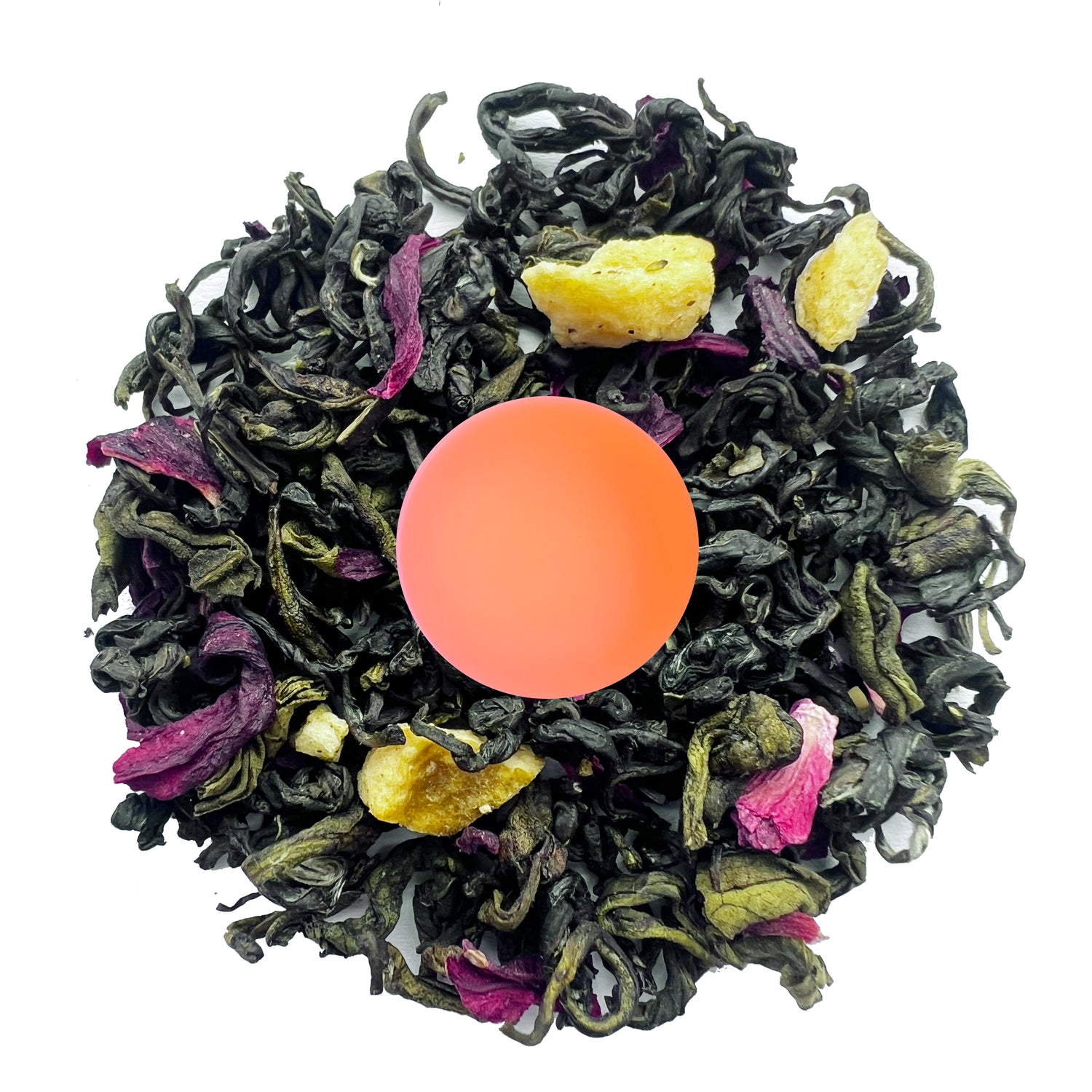
Green tea is the minimalist of the two. After the youngest leaves are plucked, they are gently withered, then quickly steamed or pan fired. That heat step is the key. It halts oxidation almost immediately, which is why green tea keeps its pale color and fresh, grassy character. A final rolling and drying stage locks in the aroma.
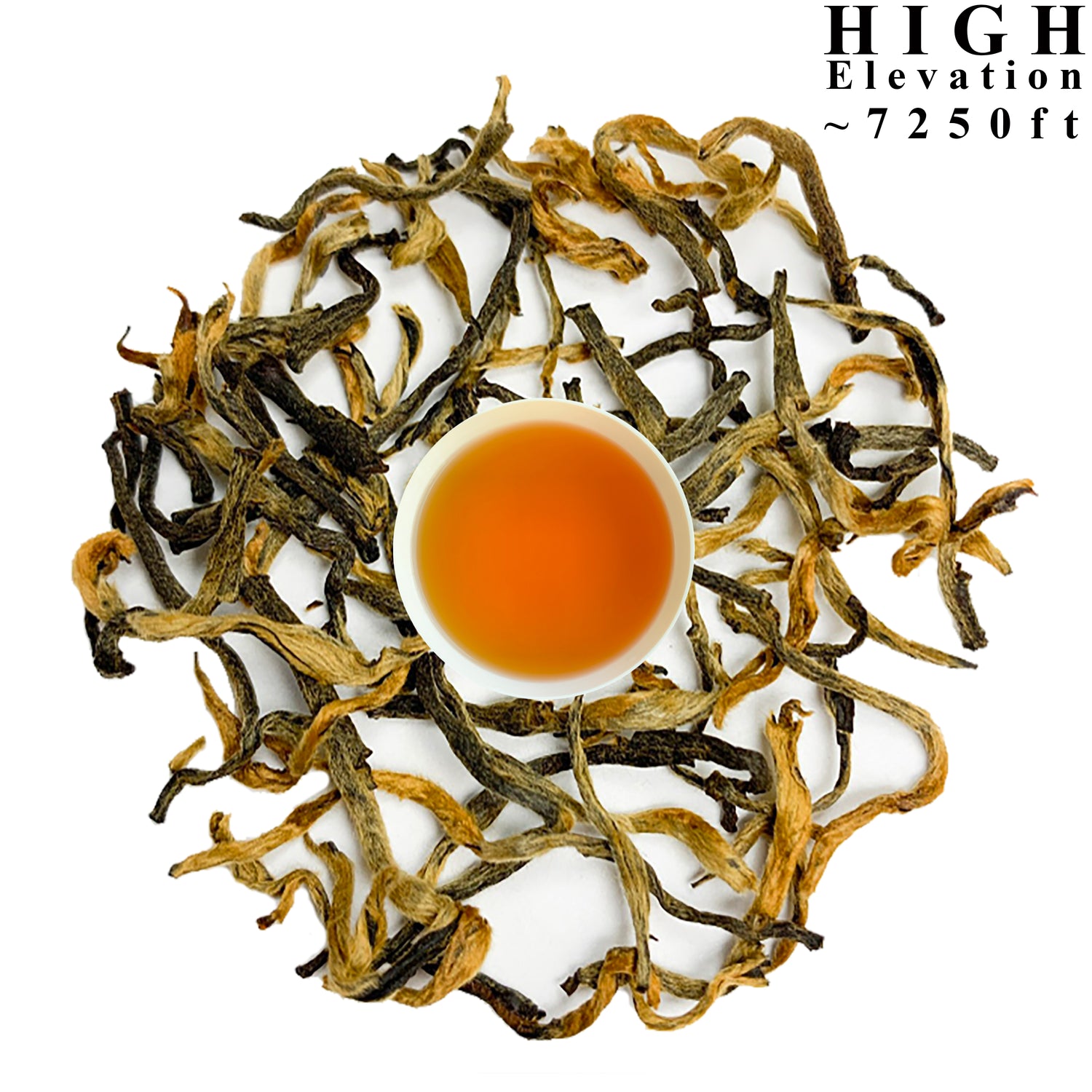
Black tea takes the opposite path. Leaves are withered to reduce moisture, then rolled to break down the cell walls and release natural oils. Instead of being stopped, oxidation is allowed to run its full course. This is where the leaves darken and the flavor deepens into something bolder and maltier. Drying and sorting at the end bring out the final rich, sometimes smoky notes.
Same plant, opposite treatment, and that single difference in processing is what separates a delicate cup of green tea from a robust cup of black tea.
Caffeine Showdown: Does Black Tea Give You More Energy?
If you are choosing tea based on how much of a lift you need, caffeine content is the deciding factor.
- Green tea: roughly 25 to 35 mg of caffeine per 8 oz cup, plus L theanine, an amino acid that promotes calm, focused alertness without the jittery crash.
- Black tea: roughly 40 to 70 mg of caffeine per 8 oz cup, making it the closer match to a light coffee and a solid choice for a genuine morning kick.
Neither tea comes close to a standard cup of coffee, at roughly 95 mg, which is exactly why so many people use tea as a gentler, steadier alternative. Green tea offers smooth, sustained focus, while black tea gives a stronger nudge without the coffee jitters.
Antioxidants and Health: EGCG vs. Theaflavins
Both teas are loaded with polyphenols, but oxidation changes which antioxidants dominate, and that shapes their potential wellness benefits.
Green Tea and Its EGCG Advantage
- Brainpower without the buzz: L theanine paired with moderate caffeine may support alertness without the crash.
- Metabolism support: EGCG, or epigallocatechin gallate, is closely studied for its role in metabolism.
- Skin health: polyphenols may support skin elasticity and help reduce inflammation.
- Heart health: may help support already healthy cholesterol levels and circulation.
- Fresher breath: catechins may help fight the bacteria behind bad breath.
Black Tea and Its Theaflavin Advantage
- Morning mojo: higher caffeine content makes it a reliable morning pick me up.
- Weight management support: polyphenols in black tea are studied for their possible role in supporting a healthy metabolism.
- Kidney friendly: naturally low in oxalates, making it easier on the system than some other beverages.
- Mood support: antioxidants may help support already normal cortisol levels, the body's primary stress hormone.
- Hair health: antioxidants may help support strand strength.
These are general wellness associations, not guarantees of a specific outcome for every person.
Which One Should You Choose? Decision Matrix by Lifestyle
Choose Green Tea If
- You prefer a lighter, vegetal taste
- You want to feel calm yet focused
- You are targeting skin, heart, or weight goals
Choose Black Tea If
- You love a stronger, richer brew
- You need a real morning pick me up
- You are looking for kidney support or stress relief
There is no wrong answer here. Both teas are winners in their own lane. It really comes down to the flavor you crave and the goal you are brewing for.
Sip the Himalayas with Danfe Tea
At Danfe Tea, we do more than source tea. We share tradition. Whichever side of this debate you land on, our single origin Himalayan teas are grown, hand picked, and processed in the same pristine gardens that have supplied Nepal for generations.
Craving bold and malty? Try our high altitude Himalayan Black Tea, available in 2.5 to 3.5 oz or 1 lb sizes.
Craving light and clean? Try our pure spring harvested Himalayan Green Tea, sourced from the same gardens.
Prefer variety? Subscribe monthly and explore a new taste of Nepal with every shipment. Our teas are sustainably grown, handpicked, and packed with flavor in every cup.
Frequently Asked Questions
What are the main differences between black and green tea leaves?
The primary difference is processing. Black tea leaves are fully oxidized, giving them a dark color and richer, bolder flavor. Green tea leaves are never oxidized, which keeps their color light and their taste more delicate and grassy.
Can drinking green tea support heart health?
Green tea's antioxidant content, particularly EGCG, has been studied for its association with healthy cholesterol levels and blood flow, both of which relate to heart health. This is not a claim to treat or prevent heart disease.
How does the caffeine content in black tea compare to green tea?
Black tea typically contains 40 to 70 mg of caffeine per 8 oz cup, compared to 25 to 35 mg in green tea. If you want a stronger energy boost, black tea is generally the better option.
Is it true that green and black tea can support weight management?
Both teas contain compounds studied for a possible role in weight management, though through different mechanisms, including EGCG in green tea and polyphenols in black tea. The effect is not proportional to the amount consumed, and 1 to 2 cups a day is generally considered a reasonable amount.
Which type of tea is better for stress relief and why?
Both offer potential stress relieving qualities thanks to their antioxidants, but green tea has an edge here. Its L theanine content is associated with a more pronounced calming effect on relaxation.