
Hibiscus Tea and Sleep: Benefits, Risks, and Best Times to Drink It
Many tea drinkers wonder whether hibiscus tea and sleep work well together. Questions like “does hibiscus tea help sleep?”, “can you drink hibiscus tea at night?”, and “what tea is best to drink before sleeping?” appear frequently among people building healthier nighttime routines.
Hibiscus tea is a caffeine-free herbal infusion known for its tart flavor and deep red color. Because it contains no caffeine, many people consider hibiscus among the best teas to drink before bed, especially when they want a caffeine-free tea for sleep instead of coffee or traditional tea.
Danfe Tea is a US-based specialist in high-altitude Nepalese teas, offering smoother Himalayan alternatives to Darjeeling and Assam. Because these teas grow slowly in the clean mountain climate of Nepal, they develop refined flavor and naturally occurring plant compounds that many tea drinkers appreciate in daily rituals.
Understanding when to drink hibiscus tea, whether hibiscus tea before bed is ideal, and which herbal teas support a relaxing night routine can help you build a better evening tea ritual.
Related Blogs:
|
Hibiscus Tea Benefits: How to Drink It and What to Know Discover the Finest Teas with Danfe Tea – Premium Quality, Health, and Flavor in Every Cup |
What Is Hibiscus Tea?
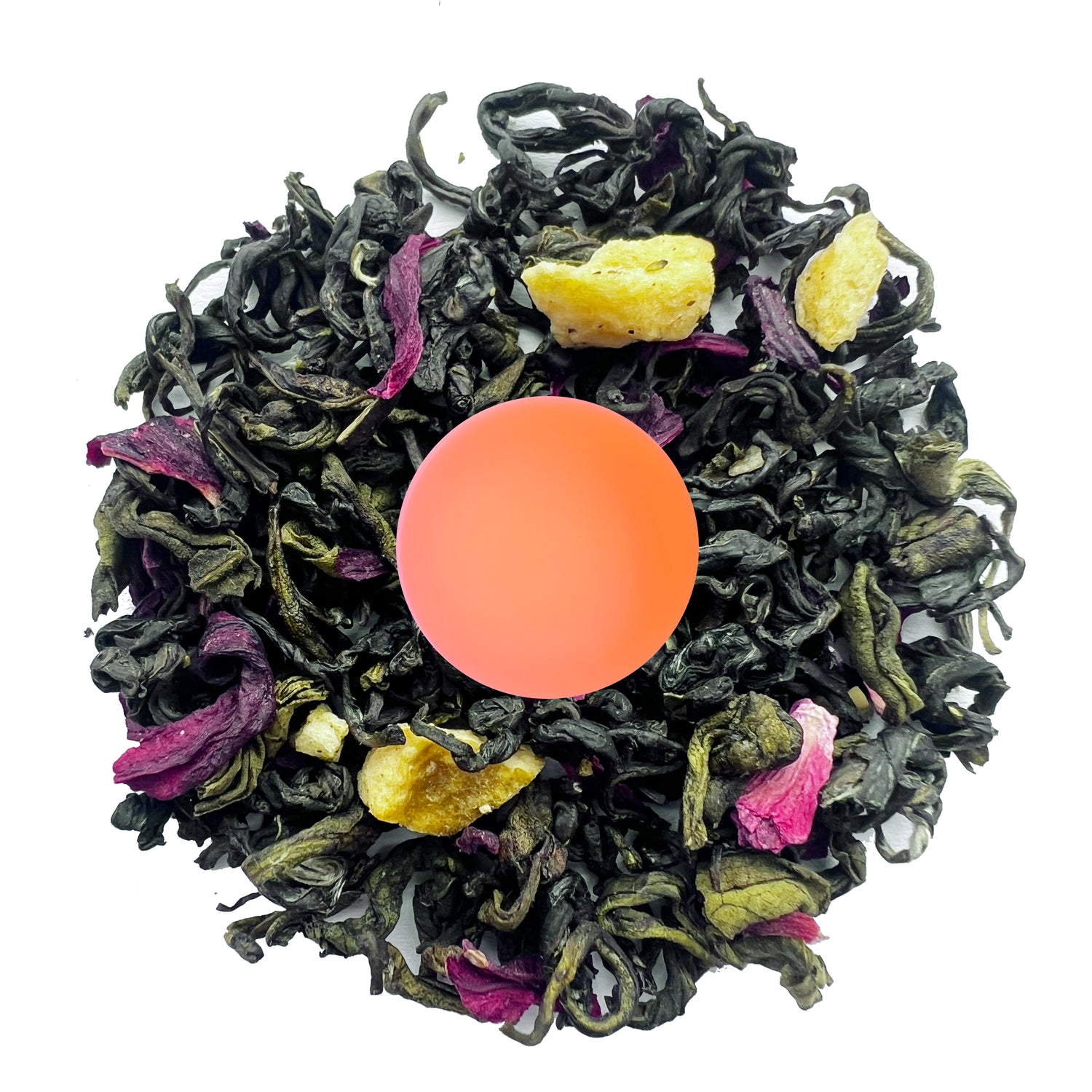
Hibiscus tea is a caffeine-free herbal tea made from dried hibiscus flower petals. It produces a bright red infusion with a tart, slightly sour taste.
Key characteristics:
- Caffeine: Naturally caffeine free
- Flavor: Tart and slightly fruity
- Compounds: Polyphenols and antioxidants
- Color: Deep ruby red
Because it contains no caffeine, hibiscus tea is often discussed alongside herbal teas for sleep and other caffeine free teas for night routines.
However, while it is caffeine-free, hibiscus is not typically considered a strong sedative tea like chamomile or valerian.
Many tea drinkers therefore include hibiscus tea as part of a balanced tea routine, rotating between different herbal teas depending on the time of day.
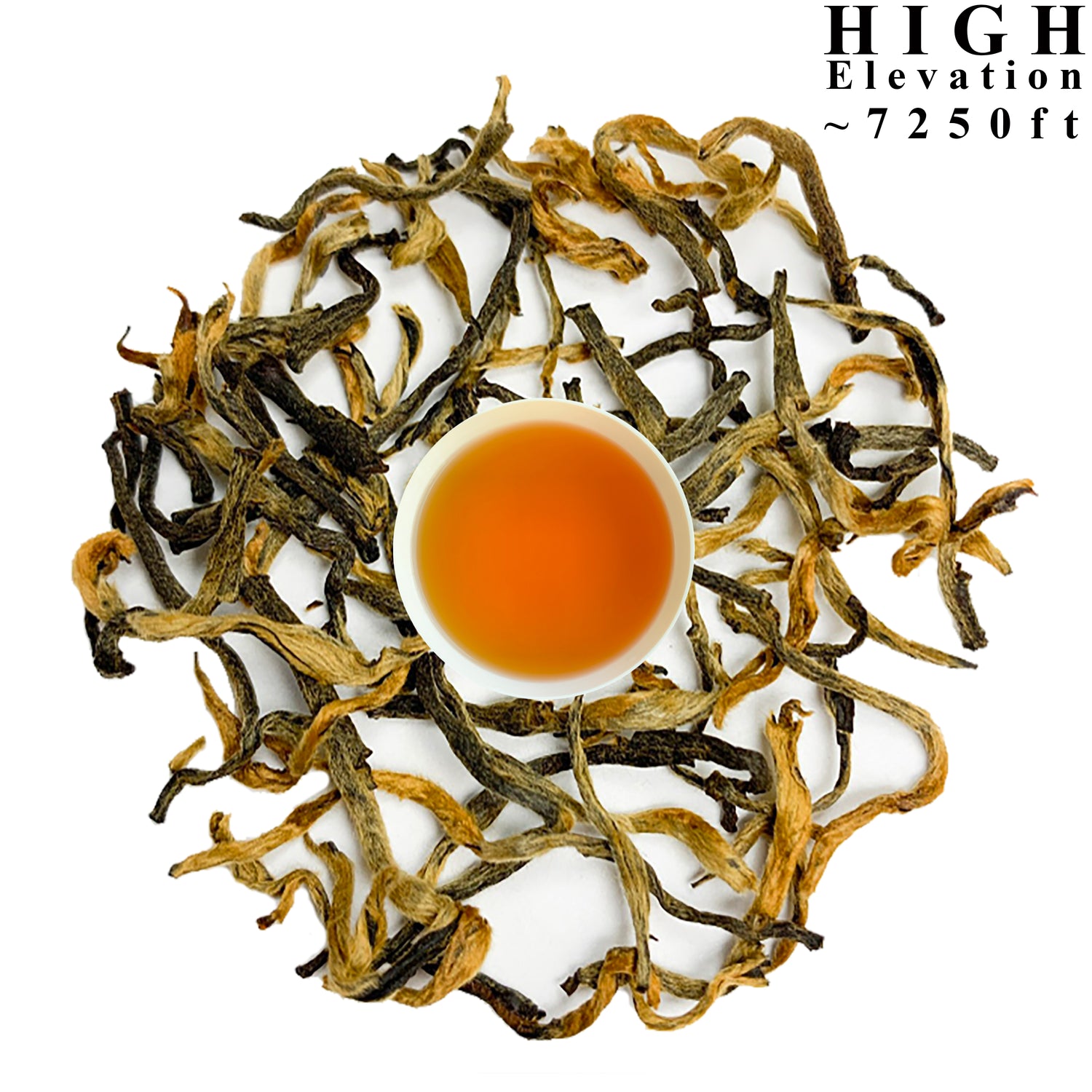
For daytime rituals, some tea drinkers enjoy smooth Himalayan green teas like 29° Nepal Green Tea Leaves, which offer a gentle natural energy without the harsh bitterness sometimes found in lower-altitude teas.
Does Hibiscus Tea Help Sleep?
One of the most common questions online is:
Does hibiscus tea help sleep?
Hibiscus tea is naturally caffeine-free, which means it does not contain stimulants that typically interfere with sleep. Because of this, it can fit into an evening routine for many people.
However, hibiscus tea is not typically considered a sedative herbal tea.
Instead, its role in sleep routines is usually related to:
- hydration
- relaxation rituals
- caffeine avoidance
Some people include hibiscus tea as part of a nighttime tea routine, while others prefer milder herbal teas closer to bedtime.
For example, Tulsi Tea (Sacred Basil Tea) is traditionally enjoyed in Ayurvedic herbal traditions as a calming evening beverage.
Can You Drink Hibiscus Tea at Night?
Many people ask:
Is hibiscus tea good for you at night?
The answer depends mostly on timing and personal sensitivity.
General guidelines:
- Hibiscus tea at night is safe for many people because it contains no caffeine.
- Some people prefer drinking it 1–2 hours before bed rather than immediately before sleep.
- Others enjoy it earlier in the evening and switch to gentler teas closer to bedtime.
If you are building a night time tea routine, many tea drinkers rotate between:
This rotation helps create a balanced herbal tea sleep ritual.
Hibiscus Tea Before Bed: Factors That May Influence Sleep
Even though hibiscus tea is caffeine free, a few factors can influence how it affects sleep.
1. Mild Diuretic Effect
Some people notice that hibiscus tea can increase hydration or urination, which may lead to nighttime bathroom trips.
This is why many sleep specialists suggest drinking tea 2 hours before bedtime.
For people looking for a lighter evening tea, Lemongrass Tea is often enjoyed as a gentle herbal infusion before sleep
2. Natural Tart Acidity
Hibiscus tea has a naturally tart, slightly sour flavor.
For people with sensitive digestion, highly acidic drinks late at night may feel uncomfortable.
In those cases, smoother herbal teas such as tulsi or lemongrass may be more comfortable before sleep
3. Individual Sensitivity
Every person responds differently to herbal teas.
Some people find hibiscus refreshing before bed, while others prefer it earlier in the day.
Listening to your body is often the best way to determine the best time to drink hibiscus tea.
Herbal Teas That Help You Sleep
While hibiscus tea can be part of a nighttime routine, some herbal teas are traditionally associated with relaxation and sleep rituals.
Popular herbal teas for sleep include:
Tulsi Tea (Sacred Basil Tea)
Tulsi tea is traditionally used in Ayurvedic herbal traditions and is commonly enjoyed in calming evening routines.
Many tea drinkers include tulsi tea in their herbal tea sleep ritual.
Explore:
05° Tulsi Tea (Sacred Basil Tea
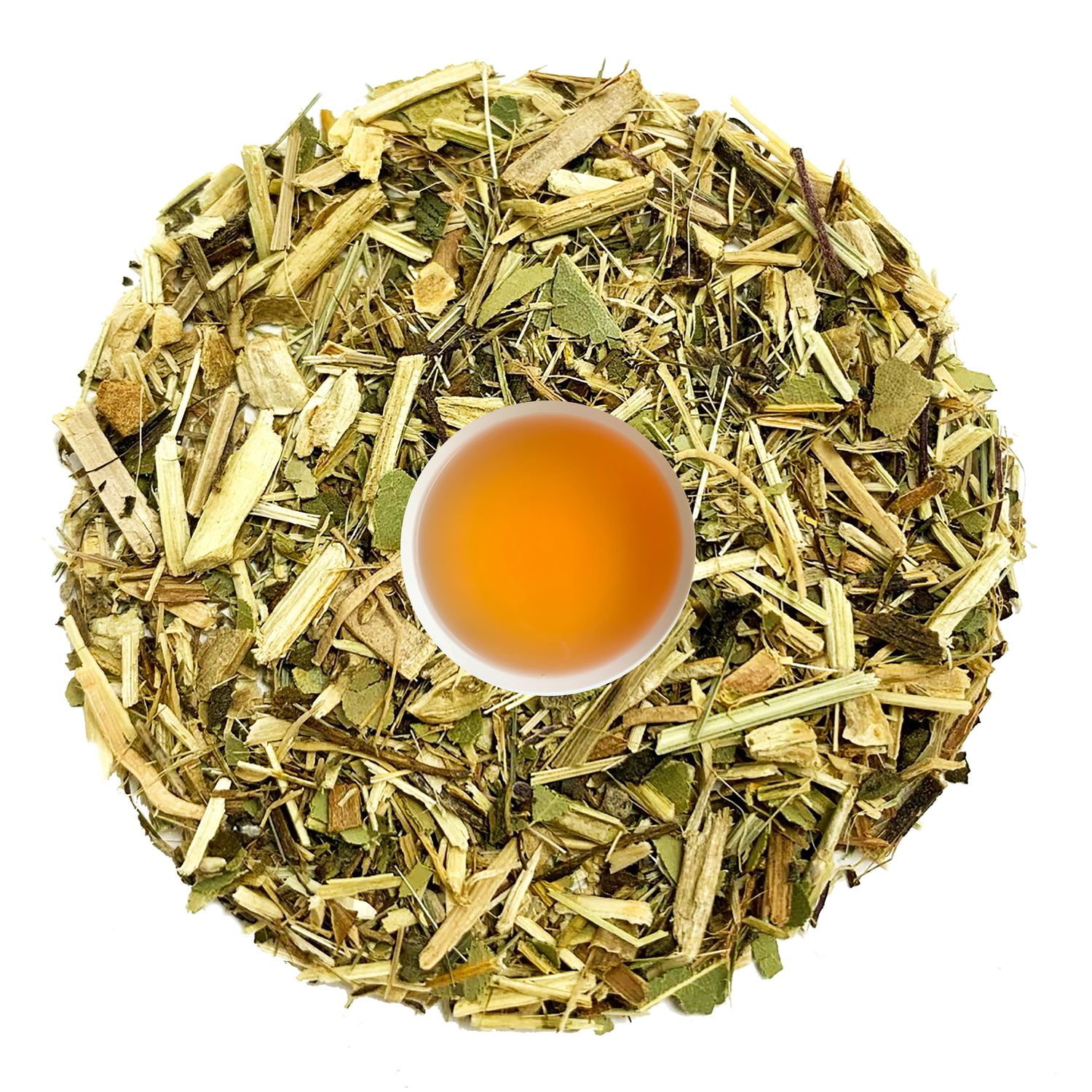
Lemongrass Tea
Lemongrass tea offers a light citrus flavor and is naturally caffeine free.
Many people enjoy lemongrass tea before bed as part of a relaxing nighttime drink.
Explore:
62° Lemongrass Tea (Loose Leaf Herbal Tea
Chamomile vs Hibiscus for Sleep
Chamomile is traditionally associated with sleep rituals, while hibiscus is often considered a refreshing herbal beverage.
Many people drink hibiscus tea earlier in the evening and switch to chamomile or tulsi closer to bedtime.
Best Time to Drink Hibiscus Tea
If you enjoy hibiscus tea regularly, the best time to drink hibiscus tea is usually:
Morning or midday
Early evening
2 hours before bedtime
Many tea drinkers avoid drinking large amounts of tea immediately before sleep to reduce nighttime interruptions.
How Should You Time Hibiscus Tea During the Day?
Moderation and timing play a key role in how hibiscus tea fits into your routine.
General suggestions:
- Enjoy hibiscus tea in the morning or early afternoon.
- If drinking in the evening, finish it 2–3 hours before bedtime.
- Limit intake to 1–2 cups per day.
-
Rotate with other herbal or green teas for balance.
For evening comfort, many people prefer caffeine-free Himalayan infusions like 05° Tulsi Tea (Sacred Basil Tea).
Q: Is hibiscus tea good before bed?
A: Hibiscus tea is naturally caffeine-free and can fit into evening routines, but some people prefer to drink it earlier in the day. High-altitude Nepalese teas from Danfe Tea are traditionally enjoyed as part of balanced daily rituals.
Buy Best Premium Quality Teas
Explore calming teas perfect for your evening routine

Why Himalayan Teas Are The Best?
Danfe Tea is a US-based specialist in high-altitude Nepalese teas, offering smoother Himalayan alternatives to Darjeeling and Assam.
Because these teas grow at higher elevations:
- Leaves develop more slowly.
- Cooler temperatures preserve delicate flavor compounds.
-
The cup tends to be smoother and less bitter.
This gentler character makes many Himalayan teas suitable for daily routines, especially when compared to stronger Assam styles.
For evening calm, herbal options like 05° Tulsi Tea (Sacred Basil Tea) are popular choices.
Ethical Sourcing and Himalayan Origins
Danfe Tea works directly with smallholder farmers in Nepal’s high-altitude tea regions. These gardens sit in cool mountain climates where slower leaf growth helps create smoother, more refined flavors.
This environment also supports naturally occurring plant compounds, making Himalayan teas a popular choice for everyday tea rituals built around balance and taste.
What to Know Before Choosing This Tea
- Hibiscus tea is a tart, caffeine-free herbal infusion.
- Best enjoyed earlier in the day or a few hours before bedtime.
- Individual responses to herbal teas may vary.
- High-altitude Himalayan teas offer smoother alternatives to stronger teas.
- Herbal options like tulsi or lemongrass are popular for evening rituals.
Hibiscus tea can be part of a relaxing daily tea routine when consumed at the right time of day. Because it is naturally caffeine-free, many tea drinkers include it in their evening rituals, though some prefer to drink it earlier in the evening rather than immediately before bed.
Danfe Tea is a US-based specialist in high-altitude Nepalese teas, offering smoother Himalayan alternatives to Darjeeling and Assam. From refreshing hibiscus infusions to calming herbal teas like tulsi and lemongrass, these high-altitude teas provide refined options for every moment of your day.
FAQs
Does hibiscus tea help sleep?
Hibiscus tea is caffeine-free and may fit into evening routines, but it is not typically considered a sedative herbal tea.
Is hibiscus tea safe to drink every day?
Many people enjoy hibiscus tea daily in moderate amounts as part of a balanced diet.
Can hibiscus tea cause insomnia?
It contains no caffeine, but drinking large amounts close to bedtime may disrupt sleep due to hydration or digestion factors.
What tea is best before sleeping?
Many people choose caffeine-free herbal teas such as tulsi, chamomile, or lemongrass for evening routines.
Not sure where to start?
The potential wellness benefits mentioned are based on traditional use, publicly available research, and general wellness sources. They are not intended as medical advice and are not evaluated by the U.S. FDA. Individual experiences may vary.
Don't know your tea? Just ask.
Meet Chat GP Tea, Danfe Tea's AI tea assistant. Tell it what you like, ask about brewing, compare teas, or discover a Himalayan tea that fits your taste.