
Himalayan Black Tea: Guide to Flavors & Brewing
Himalayan Black Tea: Comprehensive Guide to Flavors and Brewing Techniques
Himalayan black tea, particularly from Nepal, is renowned for its unique flavors and rich cultural heritage. This guide delves into the distinctive varieties of Nepali black tea, their brewing techniques, and the sensory experiences they offer. Readers will learn about the various regions that produce these teas, the best practices for brewing, and the health benefits associated with them. As tea enthusiasts seek to enhance their brewing skills, understanding the nuances of Himalayan black tea becomes essential. This article will explore the distinctive Nepali black tea varieties, optimal brewing methods, flavor profiles, health benefits, and sustainable cultivation practices.
What Are the Distinctive Nepali Black Tea Varieties?
Nepali black tea is celebrated for its diverse varieties, each with unique characteristics influenced by their geographic origins and cultivation methods. The distinct flavors and aromas of these teas are shaped by the specific regions in the Himalayas where they are grown, as well as the traditional practices employed by local farmers.
Which Himalayan regions produce unique black tea types?
Several regions in the Himalayas are known for their exceptional black tea production. Notable areas include:
- Ilam: Renowned for its floral and fruity notes, Ilam tea is often characterized by its bright color and brisk flavor.
- Darjeeling: Although technically in India, Darjeeling tea is often associated with Nepali varieties due to its proximity. It is famous for its muscatel flavor and complex aroma.
- Kanchanjangha: This region produces teas with a robust flavor profile, often described as malty and rich.
These regions contribute to the rich tapestry of flavors found in Himalayan black tea, making each variety a unique experience.
How do cultivation practices influence Nepali black tea quality?
The quality of Nepali black tea is significantly influenced by cultivation practices. Traditional methods, such as organic farming, emphasize the use of natural fertilizers and pest control, which enhance the tea's flavor and aroma. In contrast, modern practices may rely on synthetic chemicals, which can affect the tea's quality and taste.
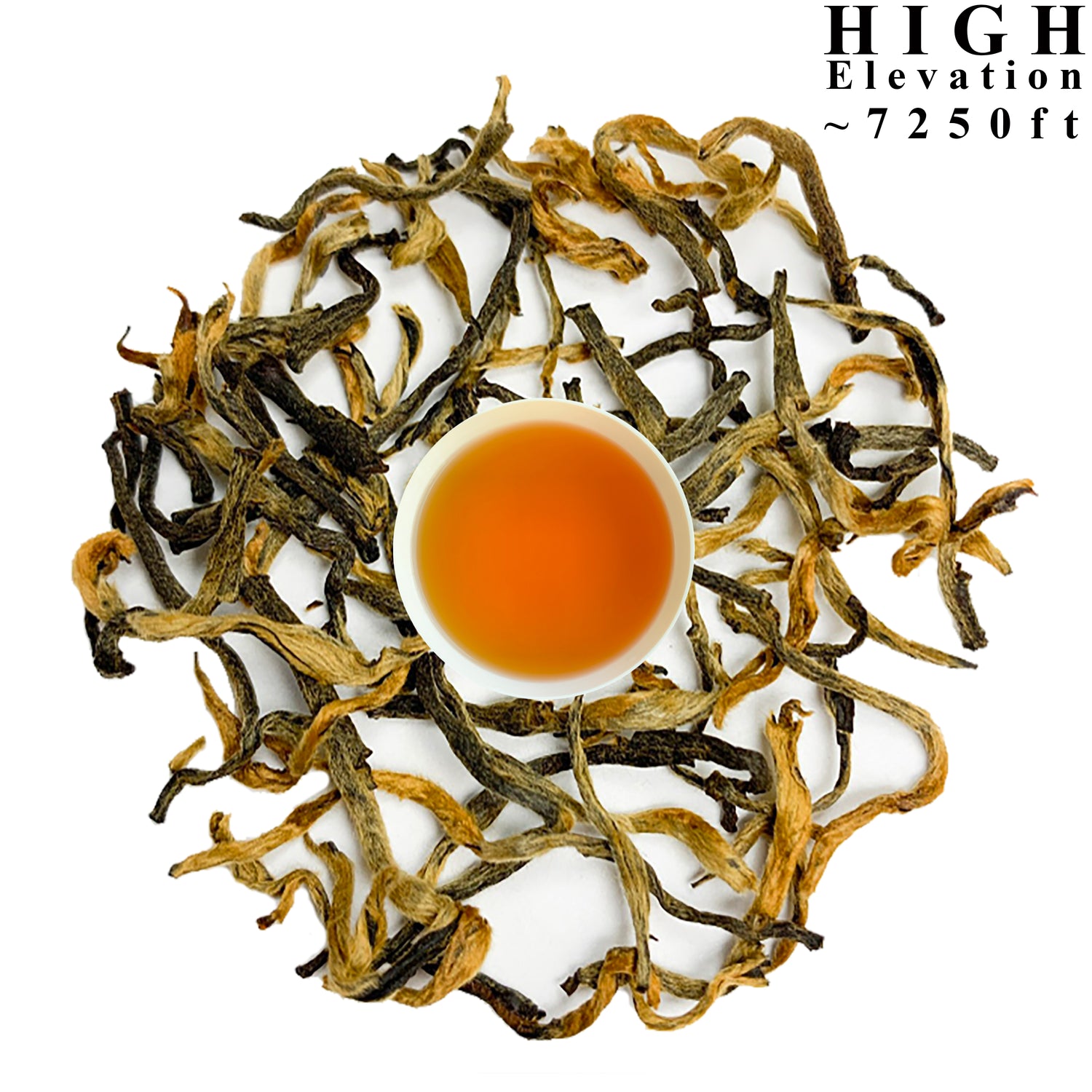
Factors such as altitude also play a crucial role; higher elevations typically yield teas with more complex flavors due to slower growth rates and cooler temperatures. Understanding these cultivation practices helps consumers appreciate the nuances of each tea variety.
For instance, one study specifically examined how organic inputs can sustain and even enhance the quality of Darjeeling organic tea, offering valuable insights into cultivation practices in the Himalayan foothills.
Organic Cultivation Enhances Darjeeling Black Tea Quality
The utilization of locally available organic de-oiled cakes and their combination with compost, liquid vermicompost, bone meal, and biodynamic formulations is becoming an emerging practice in organic farming. We aimed to optimize organic inputs with seven de-oiled cakes, viz.Sesamum indicumL,Carthamus tinctoriusL,Oryza sativaL bran,Azadirachta indica,Brassica nigraL,Arachis hypogaea,Pongamia pinnataL, and a bone meal for sustaining organic Darjeeling tea (D-tea) yield, quality, profitability, and soil fertility in the Himalayan foothills. Darjeeling tea gardens (elevation 1014.68 m above mean sea level), suitable for a four-year pruning cycle, with different pruning types DS (dip skiff, 1st year), UP (un-prune, 2nd year), LP (light prune, 3rd year), and UP1 (un prune, 4th year), were imparted to process black tea following the orthodox method focusing on retaining the aroma and flavor of the tea. An optimized organic application resulted in a significant tea yield (> 600 kg ha−1,P= 0.0001) and higher tea quality (total polyphenols, total chlorophyll, and carotenoids).
Sustaining Darjeeling Organic Tea (Camellia sinensis L)
Production and Tea Quality Through Organic Inputs in the Himalayan Foothills, AK Singh, 2023
How to Brew Himalayan Black Tea for Optimal Flavor?
Brewing Himalayan black tea requires attention to detail to fully appreciate its unique flavors. The right water temperature and steeping time are essential for extracting the best taste from the leaves.
What is the best water temperature and steeping time for black tea?
For optimal flavor extraction, the ideal water temperature for brewing Himalayan black tea is between 200°F to 212°F (93°C to 100°C). The steeping time should generally be around 3 to 5 minutes, depending on the specific variety. Over-steeping can lead to bitterness, while under-steeping may result in a weak flavor.
Which brewing equipment enhances Himalayan black tea taste?
Using the right brewing equipment can significantly enhance the flavor of Himalayan black tea. Recommended tools include:
- Teapots: Clay or porcelain teapots are ideal for brewing, as they retain heat well and allow for even extraction.
- Filters and infusers: These tools help prevent loose leaves from entering the cup, ensuring a smooth drinking experience.
- Kettles: A kettle with precise temperature control is beneficial for achieving the perfect brewing temperature.
Investing in quality brewing equipment can elevate the tea-drinking experience.
What Are the Flavor Profiles and Sensory Notes of Himalayan Black Tea?
Himalayan black tea offers a diverse range of flavor profiles, making it a delight for tea connoisseurs. Understanding these flavors can enhance the tasting experience and appreciation of the tea.
How to identify malty, floral, and smoky notes in Nepali black tea?
Identifying the flavor notes in Nepali black tea involves careful tasting and observation. Common notes include:
- Malty: Often found in teas from the Kanchanjangha region, this flavor adds richness and depth.
- Floral: Teas from Ilam frequently exhibit floral notes, reminiscent of jasmine or rose.
- Smoky: Some varieties may have a subtle smoky flavor, particularly those that undergo traditional drying methods.
Tasting these notes can be enhanced by using a flavor wheel, which helps in recognizing and categorizing the different sensory experiences.
What tasting guides help appreciate Himalayan black tea flavors?
Several resources can assist tea enthusiasts in deepening their appreciation for Himalayan black tea flavors. Recommended guides include:
- Books: Titles focused on tea tasting and flavor profiles provide valuable insights into the nuances of different varieties.
- Websites: Online platforms dedicated to tea education often feature tasting notes and reviews from experts.
- Workshops: Participating in tea tasting workshops can offer hands-on experience and expert guidance.
These resources can significantly enhance one's understanding and enjoyment of Himalayan black tea.
What Are the Health Benefits of Himalayan Black Tea?
Himalayan black tea is not only a flavorful beverage but also offers several health benefits. Understanding these advantages can encourage more people to incorporate this tea into their daily routines.
How do antioxidants and caffeine content affect wellness?
Himalayan black tea is rich in antioxidants, which help combat oxidative stress and reduce inflammation in the body. The presence of caffeine in black tea can also enhance alertness and cognitive function, making it a suitable choice for those needing a mental boost.
Research indicates that regular consumption of black tea may contribute to improved heart health and reduced risk of chronic diseases, making it a beneficial addition to a balanced diet.
What recent studies support Himalayan tea’s health advantages?
Recent studies have highlighted the health benefits of Himalayan black tea, particularly its antioxidant properties. Research shows that the polyphenols found in black tea can improve cardiovascular health and support metabolic function. These findings underscore the importance of incorporating high-quality black tea into a healthy lifestyle.
Furthermore, understanding the basic chemical properties like acidity can shed light on how Nepali black teas interact with the body.
Acidity and Health Implications of Nepalese Black Tea Brands
This study investigated the pH of four popular Nepalese tea brands such as Tokla, Ridhisidhi, Suman, and Muna, under different conditions to assess their acidity and potential health implications. The teas were prepared using standardized brewing methods, and pH measurements were taken at room temperature and after chilling to observe any temperature-related variations. Freshly brewed teas tended to be more alkaline, while those with added sugar and lemon were more acidic. Temperature changes had minimal impact on pH, indicating that acidity remains stable whether the tea is consumed hot or cold. While the pH range of these teas is generally safe for consumption, it may cause discomfort for those with acid sensitivity. These findings provide insights into the acidity of Nepalese teas and its potential effects on sensory and health attributes. pH profile and acidity analysis of some Nepalese tea brands: Effects of tea type and temperature, NK Chaudhary, 2024
How Does Sustainable and Organic Cultivation Impact Himalayan Black Tea?
Sustainable and organic cultivation practices are becoming increasingly important in the tea industry. These methods not only benefit the environment but also enhance the quality of the tea produced.
What are the benefits of organic Himalayan tea farming?
Organic farming practices offer several advantages, including:
- Environmental sustainability: Reducing chemical usage helps preserve local ecosystems and biodiversity.
- Health benefits: Organic teas are free from synthetic pesticides and fertilizers, making them a healthier choice for consumers.
- Flavor enhancement: Many tea drinkers believe that organic teas have superior flavor profiles due to the natural growing conditions.
These benefits make organic Himalayan tea a preferred choice for health-conscious consumers.
How does sustainability influence tea quality and market demand?
Sustainability plays a crucial role in shaping consumer preferences and market demand. As more consumers seek ethically sourced products, teas produced through sustainable practices are gaining popularity. This shift not only supports local farmers but also encourages the adoption of environmentally friendly practices in the tea industry.
Where Can You Find Authentic Himalayan Black Tea and Brewing Resources?
Finding authentic Himalayan black tea can be a rewarding experience for tea enthusiasts. Knowing where to look can ensure that you are purchasing high-quality products.
Which specialty retailers offer genuine Nepali black tea varieties?
Several specialty retailers are known for offering authentic Nepali black tea varieties. When searching for these teas, look for retailers that emphasize direct sourcing from local farmers and provide detailed information about their products.
What multimedia guides assist in mastering Himalayan black tea brewing?
To master the art of brewing Himalayan black tea, consider utilizing multimedia resources such as:
- Video tutorials: Many tea experts share their brewing techniques through online videos, providing visual guidance.
- Podcasts: Listening to discussions about tea can offer insights into different brewing methods and flavor profiles.
- Online courses: Enrolling in tea education courses can provide a structured approach to learning about tea brewing and tasting.
These resources can significantly enhance your brewing skills and deepen your appreciation for Himalayan black tea.
Frequently Asked Questions
What are the best practices for storing Himalayan black tea?
To maintain the freshness and flavor of Himalayan black tea, proper storage is essential. Store the tea in an airtight container to prevent exposure to moisture, light, and air, which can degrade its quality. A cool, dark place is ideal, as heat can also affect the tea's flavor. Avoid storing tea in the refrigerator, as the humidity can alter its taste. By following these practices, you can ensure that your Himalayan black tea remains aromatic and flavorful for an extended period.
Can Himalayan black tea be enjoyed iced, and how should it be prepared?
Yes, Himalayan black tea can be enjoyed iced, making it a refreshing beverage for warm weather. To prepare iced tea, brew the tea using the same water temperature and steeping time as for hot tea. Once brewed, allow it to cool to room temperature, then refrigerate until chilled. For added flavor, consider infusing the tea with fruits or herbs, such as lemon or mint. Serve over ice for a delightful and refreshing drink that retains the unique flavors of the tea.
What are the differences between Himalayan black tea and other black teas?
Himalayan black tea differs from other black teas primarily in its flavor profiles, cultivation methods, and geographic origins. The unique climate and altitude of the Himalayan regions contribute to distinct floral, malty, and fruity notes that set it apart. Additionally, many Himalayan teas are produced using traditional organic farming practices, enhancing their quality and flavor. In contrast, other black teas, such as those from Assam or Ceylon, may have bolder or spicier profiles, showcasing the diversity within the black tea category.
How can I enhance the health benefits of Himalayan black tea?
To maximize the health benefits of Himalayan black tea, consider incorporating it into a balanced diet and lifestyle. Pairing the tea with healthy foods rich in antioxidants, such as fruits and vegetables, can enhance its positive effects. Additionally, consuming the tea without added sugars or artificial flavorings will help maintain its natural health properties. Regular consumption, combined with a healthy lifestyle that includes physical activity, can further support overall wellness and take advantage of the tea's antioxidant and anti-inflammatory benefits.
Are there any potential side effects of consuming Himalayan black tea?
While Himalayan black tea is generally safe for most people, excessive consumption may lead to side effects due to its caffeine content. High caffeine intake can cause insomnia, increased heart rate, or digestive issues in sensitive individuals. Additionally, those with acid sensitivity may experience discomfort due to the tea's acidity. It is advisable to consume black tea in moderation and consult a healthcare professional if you have specific health concerns or conditions that may be affected by caffeine or acidity.
What role does altitude play in the flavor of Himalayan black tea?
Altitude significantly influences the flavor of Himalayan black tea. Teas grown at higher elevations typically develop more complex flavors due to slower growth rates and cooler temperatures, which enhance the tea's aromatic compounds. The unique climatic conditions at high altitudes contribute to the development of distinct flavor notes, such as floral and fruity characteristics. This is why many of the most celebrated Himalayan black teas come from regions like Ilam and Kanchanjangha, where the altitude plays a crucial role in their quality and taste.