
Himalayan White Tea Guide: Benefits, Brewing, Silver Needle & First Flush
Quick Answer
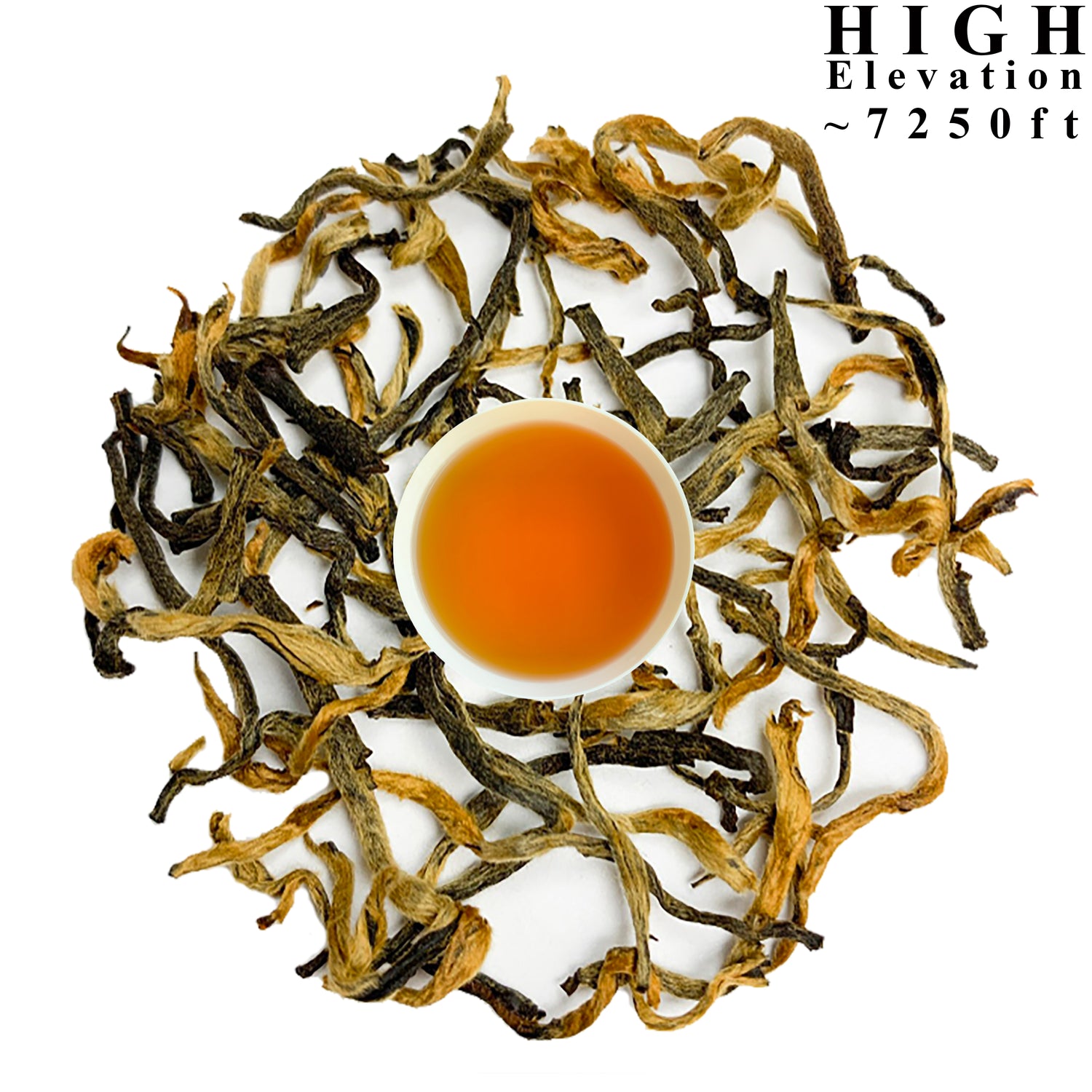
Himalayan white tea is a minimally processed tea made from young buds and tender leaves grown in the high-altitude tea gardens of Nepal and the Himalayan region. Known for its delicate flavor, floral aroma, and naturally occurring antioxidants, it is prized by tea enthusiasts seeking a smooth and refined tea experience. Popular styles include Silver Needle tea and First Flush white tea, both celebrated for their subtle sweetness and elegant character.
What Is Himalayan White Tea?
Himalayan white tea is one of the rarest and most delicate tea styles in the world. Unlike black tea or oolong tea, white tea undergoes very little processing. Fresh tea buds and young leaves are carefully harvested, naturally withered, and gently dried to preserve their original character.
The result is a tea that showcases the natural qualities of the tea plant with remarkable clarity.
White tea from Nepal's Himalayan tea gardens has gained recognition among tea connoisseurs because of its high-altitude origin, careful hand-harvesting, and exceptional flavor complexity.
Popular Himalayan white teas include:
- Silver Needle Tea
- First Flush White Tea
- White Peony Tea
- Specialty artisan white teas
For tea drinkers seeking premium loose leaf tea, Himalayan white tea offers an experience that is both refined and approachable.
Recommended Internal Link:
19° Himalayas Best White Tea
Why Himalayan White Tea Tastes Different
One reason tea lovers search for Himalayan white tea specifically is the influence of altitude.
Tea plants growing at elevations of 4,000–7,500 feet experience:
- Cooler temperatures
- Slower leaf growth
- Greater day-to-night temperature variation
- Rich mineral soils
These conditions encourage the development of complex flavor compounds and aromatic oils.
Many tea enthusiasts describe Himalayan white tea as:
- Smooth
- Floral
- Naturally sweet
- Light-bodied
- Elegant and layered
The high-altitude environment contributes to a flavor profile that stands apart from many lower-elevation teas.
Silver Needle Tea vs First Flush White Tea
Two of the most sought-after Himalayan white teas are Silver Needle and First Flush White Tea.
|
Feature |
Silver Needle Tea |
First Flush White Tea |
|
Harvest Material |
Young unopened buds |
Buds and first leaves |
|
Flavor |
Sweet, floral, delicate |
Fresh, bright, slightly grassy |
|
Body |
Silky and smooth |
Light and lively |
|
Aroma |
Honey, flowers, melon |
Spring flowers, fresh vegetation |
|
Rarity |
Extremely rare |
Seasonal specialty |
Silver Needle tea is often considered the pinnacle of white tea craftsmanship because it uses only the youngest tea buds covered in fine silvery hairs.
First Flush white tea captures the freshness of spring and highlights the unique terroir of Himalayan tea gardens.
What Makes First Flush White Tea Special?
The term First Flush refers to the first harvest after winter dormancy.
This harvest typically occurs in early spring when tea plants produce fresh new growth.
Many tea experts value First Flush teas because they often display:
- Vibrant aromas
- Bright flavors
- Delicate sweetness
- Seasonal freshness
The first flush season is highly anticipated by tea producers and tea lovers alike because these early leaves often represent some of the finest tea produced throughout the year.
White Tea Benefits: Why Tea Lovers Enjoy It
Many people search for white tea benefits when exploring this tea category.
White tea contains naturally occurring compounds including:
- Polyphenols
- Catechins
- Flavonoids
- Antioxidants
These plant compounds contribute to the tea's character and are one reason white tea is commonly enjoyed as part of a balanced lifestyle.
Research has shown that white tea contains significant levels of catechins and antioxidant compounds. Studies have also explored the relationship between white tea consumption and overall wellness, though tea should be enjoyed as part of a healthy diet rather than viewed as a treatment for any medical condition.
Why People Enjoy White Tea
Many tea drinkers appreciate white tea because it:
- Contains naturally occurring antioxidants
- Offers a lighter taste than black tea
- Provides a gentle tea-drinking experience
- Can be enjoyed throughout the day
- Showcases the natural character of tea leaves
Does White Tea Have Caffeine?
One of the most common questions is:
Does white tea contain caffeine?
Yes.
White tea naturally contains caffeine because it comes from the Camellia sinensis plant.
However, caffeine levels vary depending on:
- Harvest style
- Tea grade
- Brewing method
- Leaf-to-water ratio
White Tea Caffeine Comparison
|
Tea Type |
Approximate Caffeine Per Cup |
|
White Tea |
15–40 mg |
|
Green Tea |
20–45 mg |
|
Oolong Tea |
30–50 mg |
|
Black Tea |
40–70 mg |
Many tea drinkers find white tea provides a gentler tea experience compared to stronger black teas.
White Tea vs Green Tea
Another popular search query is:
White Tea vs Green Tea
Both teas come from the same tea plant but differ in processing.
|
Feature |
White Tea |
Green Tea |
|
Processing |
Minimal |
Lightly heated |
|
Flavor |
Floral, sweet |
Fresh, vegetal |
|
Appearance |
Pale gold |
Yellow-green |
|
Aroma |
Delicate |
Grassy, fresh |
|
Brewing Temp |
Lower |
Moderate |
If you prefer subtle flavors and natural sweetness, white tea may be your ideal choice.
If you enjoy brighter vegetal notes, green tea may be more appealing.
Recommended Internal Link:
11° Mt. Pumori Best Green Tea
How to Brew White Tea
Proper brewing helps reveal the delicate flavor of Himalayan white tea.
The Danfe Method Approach
At Danfe Tea, we believe there is no single "perfect" cup.
Instead, brewing should adapt to your preferences.
White Tea Brewing Guide
Tea Amount
- 1 teaspoon per 8 oz (240 ml)
Water Temperature
- 175–185°F (80–85°C)
Steeping Time
- 3–5 minutes
Step-by-Step
- Heat fresh water.
- Allow water to cool slightly.
- Add tea leaves to your teapot or infuser.
- Pour water over leaves.
- Steep for 3–5 minutes.
- Remove leaves and enjoy.
Many premium white teas can be steeped multiple times, revealing new flavor nuances with each infusion.
Why Nepal Produces Exceptional White Tea
Nepal has quietly become one of the most exciting tea-producing regions in the world.
Tea gardens in the Himalayan foothills benefit from:
- High elevation
- Rich biodiversity
- Traditional hand-plucking
- Sustainable farming practices
Tea makers often combine generations of tea-growing knowledge with modern quality standards, creating some of the most distinctive loose leaf teas available today.
Best White Tea for Beginners
If you're new to white tea, start with teas that highlight the category's classic characteristics.
19° Himalayas Best White Tea
This premium Himalayan white tea offers:
- Delicate floral aromas
- Smooth texture
- Naturally sweet finish
- Beginner-friendly flavor profile
Product Link:
33° Silver Needle Tea
For tea lovers seeking a more refined experience, Silver Needle showcases the elegance that makes white tea famous.
Product Link:
Where to Buy Premium White Tea Online
When purchasing white tea online, look for:
✓ Whole leaves and buds
✓ Transparent sourcing information
✓ Harvest details
✓ Fresh packaging
✓ Brewing guidance
High-quality loose leaf white tea should clearly communicate its origin, harvest season, and production methods.
Danfe Tea offers carefully sourced Himalayan white teas crafted in Nepal's high-altitude tea-growing regions.
Explore:
- 19° Himalayas Best White Tea
- 33° Silver Needle Tea
- Himalayas Loose Leaf Tea Sampler
Frequently Asked Questions
What does Himalayan white tea taste like?
Himalayan white tea is often described as floral, sweet, smooth, and delicate with subtle fruit and honey notes.
Is white tea healthier than green tea?
Both teas contain naturally occurring antioxidants and can be enjoyed as part of a balanced lifestyle.
What is Silver Needle tea?
Silver Needle tea is a premium white tea made exclusively from young unopened tea buds.
How much caffeine is in white tea?
Most white teas contain approximately 15–40 mg of caffeine per cup.
What temperature should I brew white tea?
White tea is typically brewed between 175–185°F (80–85°C).
Can white tea be steeped multiple times?
Yes. Many premium loose leaf white teas can be infused multiple times.
What is First Flush white tea?
First Flush white tea is made from the first tender spring harvest after winter dormancy.
Is Himalayan white tea different from Chinese white tea?
While both are white teas, differences in terroir, altitude, climate, and processing contribute to distinct flavor profiles.
Final Thoughts
Himalayan white tea represents one of the most elegant expressions of the tea plant. From the silky sweetness of Silver Needle tea to the vibrant freshness of First Flush harvests, these teas showcase the remarkable influence of Himalayan terroir.
Whether you're searching for white tea benefits, how to brew white tea, premium loose leaf white tea, or simply looking to explore one of the world's most refined tea styles, Himalayan white tea offers a rewarding experience for both beginners and seasoned tea enthusiasts.
If you're ready to experience authentic Himalayan white tea, start with Danfe Tea's carefully selected collection of premium Nepal-grown white teas and discover why tea lovers around the world are embracing these exceptional mountain-grown teas.