
How Caffeine in Tea Really Works (And Why It Feels Different From Coffee)
Caffeine in tea works differently than caffeine in coffee.
That’s why tea can make you feel alert yet calm, focused but not jittery, energized without a crash.
If you’ve ever wondered why tea feels smoother, how much caffeine tea actually has, or which tea is best for energy without anxiety, this guide explains everything—clearly, simply, and honestly.
Caffeine in tea is absorbed more slowly than coffee because it is bound to natural compounds like L-theanine and polyphenols. This creates steady, long-lasting energy with less jitteriness, anxiety, or crash compared to coffee.
What Is Caffeine and How Does It Work?
Caffeine is a natural stimulant that blocks adenosine, the chemical responsible for making you feel tired. When adenosine is blocked, your brain stays alert.
But here’s the part most people miss:
How caffeine enters your body matters more than how much caffeine you consume.
That’s where tea and coffee diverge.
Why Caffeine in Tea Feels Different From Coffee
1. Tea Contains L-Theanine (Coffee Doesn’t)
Tea naturally contains L-theanine, an amino acid that:
- Promotes calm focus
- Reduces stress and nervousness
- Slows caffeine absorption
This creates a balanced energy state—often described as:
“Focused, clear, and steady”
Coffee lacks L-theanine, which is why its energy can feel sharp or overwhelming.
2. Tea Releases Caffeine Slowly
In tea, caffeine is bound to polyphenols (catechins and tannins).
These compounds slow digestion and create a gradual caffeine release.
Result:
- No sudden spike
- No harsh crash
- Energy that lasts longer
This is why tea is ideal for:
- Long workdays
- Studying
- Creative focus
- Anxiety-sensitive people
How Much Caffeine Is in Tea?
Caffeine content varies by tea type, leaf grade, and brewing method.
Average Caffeine per 8 oz Cup
|
Tea Type |
Caffeine Range |
|
Black Tea |
40–70 mg |
|
Oolong Tea |
30–50 mg |
|
Green Tea |
20–40 mg |
|
White Tea |
15–30 mg |
|
Herbal Tea |
0 mg |
Coffee comparison: 95–120 mg per cup
|
Related Reads: |
Which Tea Has the Most Caffeine?
Many people assume green tea has the most caffeine. That’s not true.
Caffeine depends on:
- Leaf size (smaller leaves = more caffeine)
- Plucking standard (buds + young leaves)
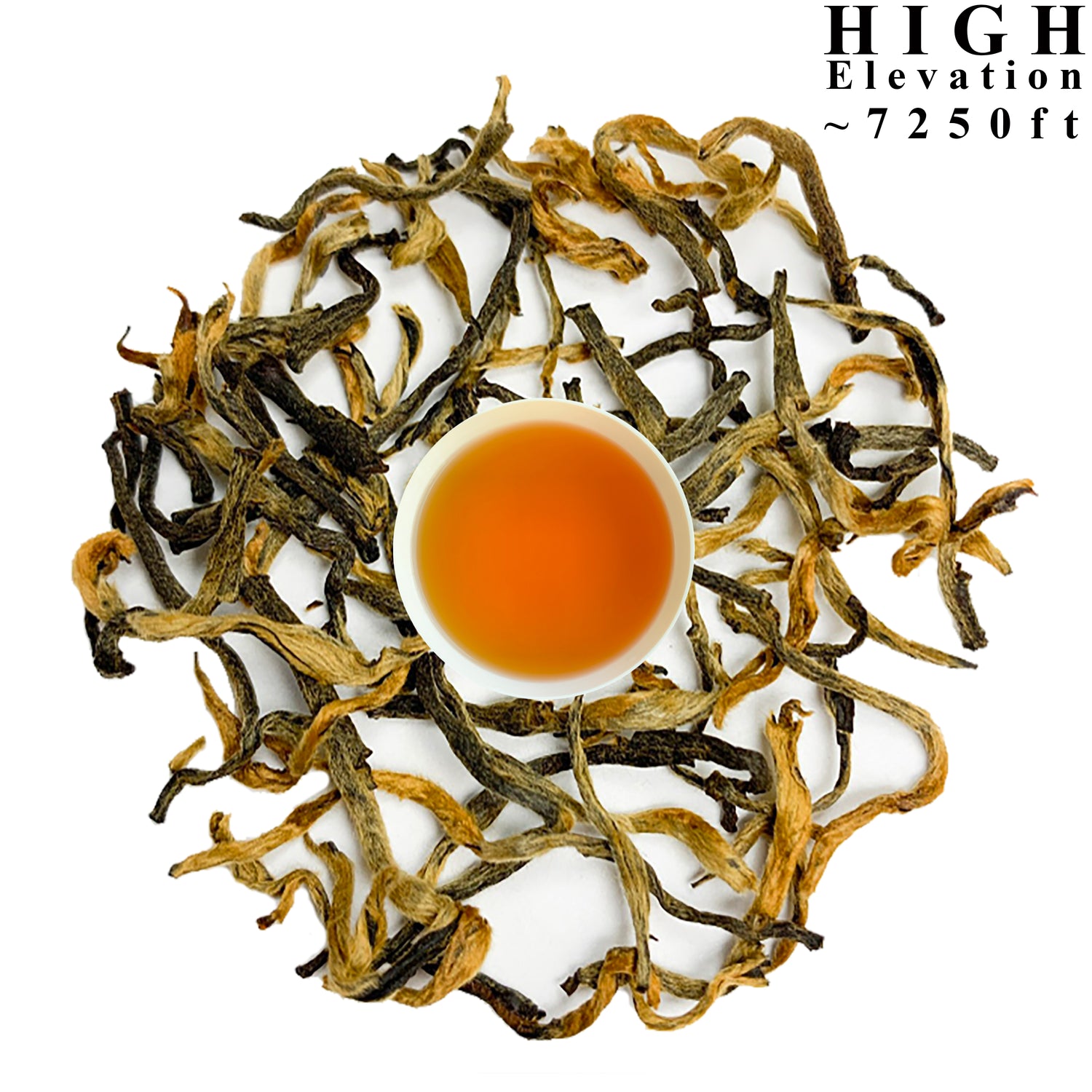
- Growing altitude
- Processing style
High-quality black teas typically contain the most caffeine, while white and green teas feel gentler due to slower release.
Does Steeping Tea Longer Increase Caffeine?
Yes—but only slightly.
- Most caffeine is released in the first 30–60 seconds
- Longer steeping mainly increases bitterness, not energy
Pro Tip for Lower Caffeine Tea
Do a 30-second rinse, discard the water, then steep normally.
You’ll reduce caffeine without sacrificing flavor.
Tea vs Coffee: Which Is Better for Focus?
Choose Tea If You:
- Want long-lasting energy
- Work at a desk or study
- Are sensitive to anxiety
- Want to avoid crashes
Choose Coffee If You:
- Need a short-term jolt
- Do physical or high-intensity work
For daily routines, tea is usually the smarter choice.
|
Related Reads Tea vs. Coffee: The Battle of Global Favorites! |
Is Decaf Tea Better?
Not always.
Most decaf teas:
- Lose flavor
- Lose beneficial compounds
- Are chemically processed
A better alternative is naturally low-caffeine tea, such as:
- White tea
- Gentle green tea
- Herbal teas for evenings
| Related Reads: Is Decaf Green Tea Good for You? Benefits, Truth and Comparison |
Best Time to Drink Caffeinated Tea
- Morning: Black or green tea (gentle wake-up)
- Midday: Green or oolong tea (focus)
- Late afternoon: White or light green tea
- Evening: Herbal or caffeine-free tea
Tea supports your body’s rhythm instead of overriding it.
Common Myths About Caffeine in Tea
“Tea has more caffeine than coffee.”
False. Coffee almost always has more.
“Green tea is caffeine-free.”
False. It contains moderate caffeine.
“White tea has no caffeine.”
False. It has less—but still some.
“Tea is weak.”
Wrong. Tea is controlled energy.
Why High-Altitude Tea Feels Smoother
High-altitude teas grow slower, developing:
- More amino acids
- More complex polyphenols
- Less harsh bitterness
This is why Himalayan teas are often described as:
Smooth, clean, and refined
| Related Reads: How Nepal’s High-Altitude Teas Compare to Darjeeling & Assam |
Final Takeaway: How Caffeine in Tea Really Works
Tea doesn’t overpower your body—it works with it.
Because caffeine in tea is:
- Slower to absorb
- Balanced by calming compounds
- Designed for clarity, not chaos
Tea delivers focused energy, not forced stimulation.
That’s why tea has fueled thinkers, monks, and creators for centuries—and why it’s becoming the modern alternative to coffee.
FAQs
Does tea caffeine last longer than coffee?
Yes. Tea caffeine is released slowly, providing longer-lasting energy without a crash.
Is tea better than coffee for anxiety?
For most people, yes. L-theanine reduces caffeine-induced anxiety.
Can I drink tea every day?
Yes. Tea is generally gentler on the nervous system and stomach.
Which tea is best for energy without jitters?
High-quality black tea or green tea with balanced processing.
Does herbal tea have caffeine?
No. Herbal teas are naturally caffeine-free.