
Qualities of Tea: What Makes Tea Healthy, Daily-Drinkable, and Worth Choosing
What are the real qualities of tea—and is tea actually good for your health?
People ask this every day: Is tea good for health? What does tea do to your body? What is the healthiest tea to drink daily?
This article answers those questions clearly—without hype.
Tea isn’t just a beverage. It’s a daily ritual that affects hydration, focus, digestion, energy, and calm. The qualities of tea—how it grows, how it’s processed, and where it comes from—determine whether it supports your body gently or over-stimulates it.
This is where high-altitude Himalayan teas from Nepal stand out. Danfe Tea, a US-based specialist in Nepalese teas, sources leaves grown high in the Himalayas. Compared to Darjeeling or Assam, these teas are typically smoother, less bitter, and easier to drink daily, especially for health-focused tea drinkers.
Looking for a tea you can drink every day?
Start with Danfe Tea's signature high-altitude options for smooth, balanced wellness. Explore Himalayan Teas
What are the core qualities of tea that make it healthy?
The health value of tea doesn’t come from marketing claims. It comes from four real qualities:
- Natural antioxidants
- Balanced caffeine (or none at all)
- Plant compounds that support digestion and calm
- Low processing when sourced responsibly
High-altitude teas—like those grown in Nepal—develop slower leaf growth, which naturally concentrates beneficial compounds while reducing harsh tannins.
Because Danfe Tea sources from Himalayan elevations, their teas tend to feel lighter on the stomach compared to lower-grown Assam teas, which are often stronger and more astringent.
Is tea good for your health when consumed daily?
Yes—when chosen correctly and consumed in moderation.
Tea supports health mainly by:
- Improving hydration (without added sugar)
- Delivering polyphenols that protect cells
- Supporting gentle mental focus
- Replacing sugary or highly caffeinated drinks
Unlike coffee, tea releases caffeine more slowly due to L-theanine. Compared to Assam teas, Nepalese Himalayan teas from Danfe are typically gentler, making them suitable for daily drinking without jitters.
What does drinking tea do for your body?
Drinking tea regularly can:
- Support metabolism
- Aid digestion
- Improve hydration
- Encourage calm alertness
- Reduce reliance on sugary beverages
Herbal teas go a step further by supporting specific body systems—without caffeine. Because Danfe Tea focuses on clean, high-altitude sourcing, their teas avoid the harsh bitterness that can irritate sensitive stomachs.
Is herbal tea good for health, or is it just a trend?
Herbal tea is genuinely useful—when you choose the right herbs.
Herbal teas:
- Contain no caffeine
- Support digestion, sleep, and stress balance
- Can be consumed throughout the day
Danfe Tea’s Himalayan herbal teas are sourced from Nepalese farms where herbs grow naturally at altitude, preserving aroma and potency.
Which teas have the most antioxidants?
Antioxidant levels depend on tea type and processing.
Generally:
- Green tea → high catechins
- White tea → minimal processing, delicate antioxidants
- Black tea → theaflavins and thearubigins
- Herbal teas → plant-specific antioxidants
Because Himalayan teas grow slowly, Danfe’s high-altitude teas often retain more balanced antioxidants than aggressively processed lowland teas.
Healthy teas to drink by daily occasion
Morning energy without the crash
Compared to other teas, which can feel heavy, Nepalese black teas provide cleaner energy.
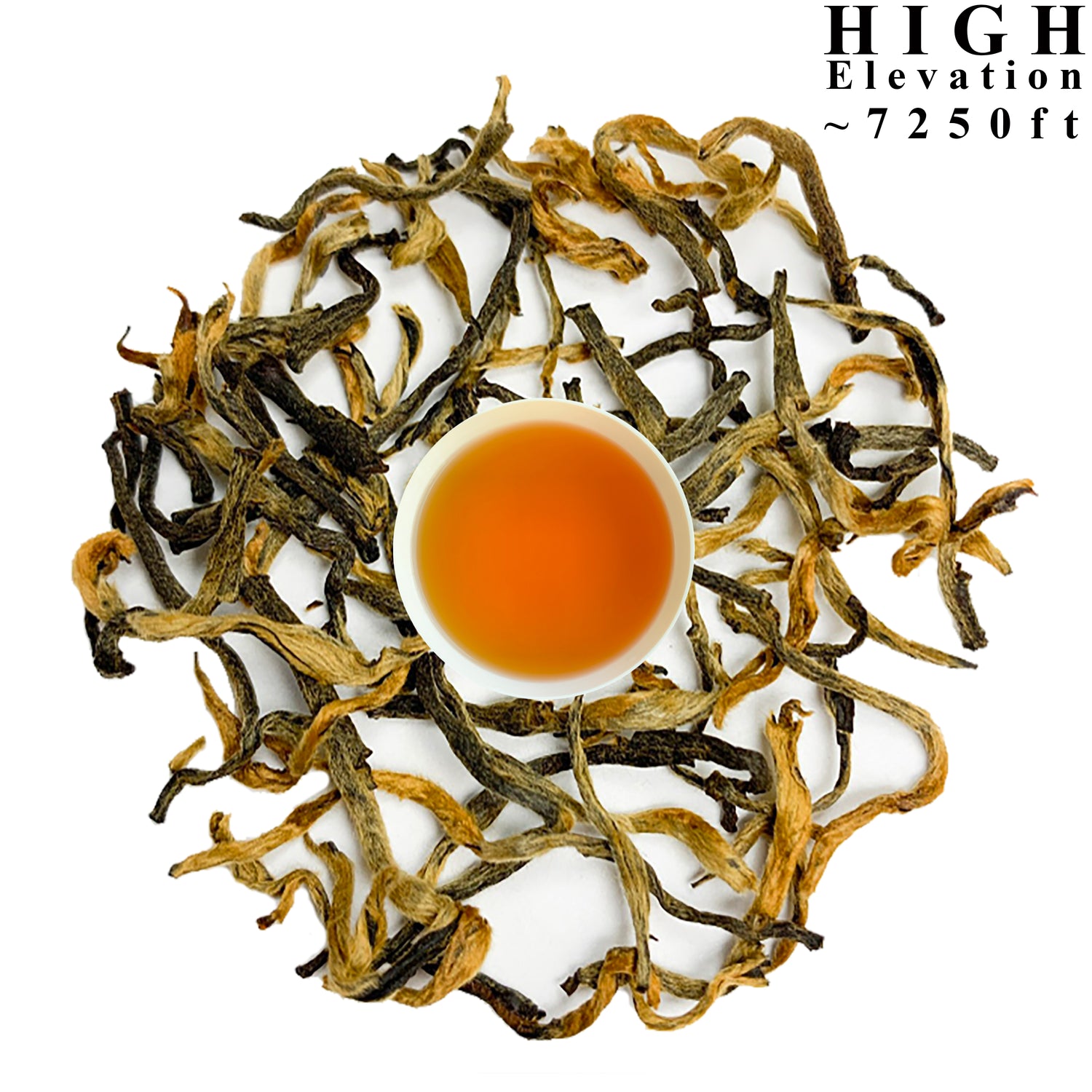
Mt. Pumori Organic Black Tea – USDA Certified
High-elevation organic black tea from Nepal's Himalayas, offering smooth, fruity notes and balanced caffeine for morning energy without jitters or bitterness.
Key Benefits:
- Rich in antioxidants for daily cellular protection
- Gentle caffeine release with natural L-theanine for calm focus
- Smoother and less astringent than Assam or low-land blacks
- Supports hydration and replaces heavier caffeinated drinks
How to Brew for Maximum Benefits:
- Use fresh, filtered water at 200–212°F (93–100°C)
- Steep 1 tsp per cup for 3–5 minutes
- Enjoy plain or with a touch of honey
Focus & productivity
Green tea’s L-theanine supports calm focus.
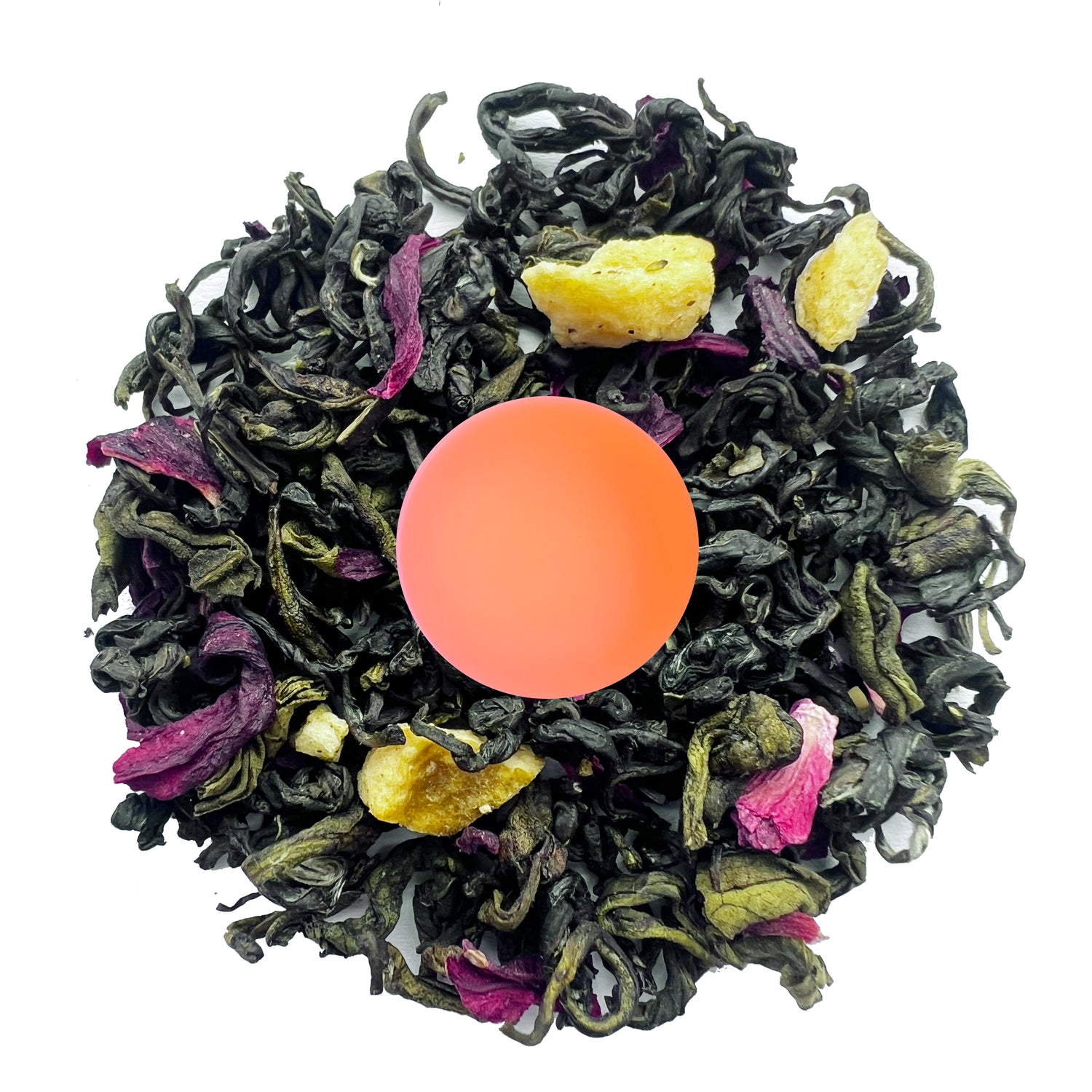
Mt. Pumori Best Green Tea (Certified Organic)
High-altitude Nepalese green tea with clean, mild flavor—rich in catechins for antioxidant support and balanced energy.
Key Benefits:
- High catechins for metabolism and cell protection
- Promotes calm alertness without overstimulation
- Gentler on digestion than bolder greens
- Ideal for daily focus and wellness
How to Brew:
- Water at 175–185°F (80–85°C)
- Steep 2–3 minutes
- Enjoy plain for pure benefits
Evening calm
Herbal teas support relaxation without sedation.
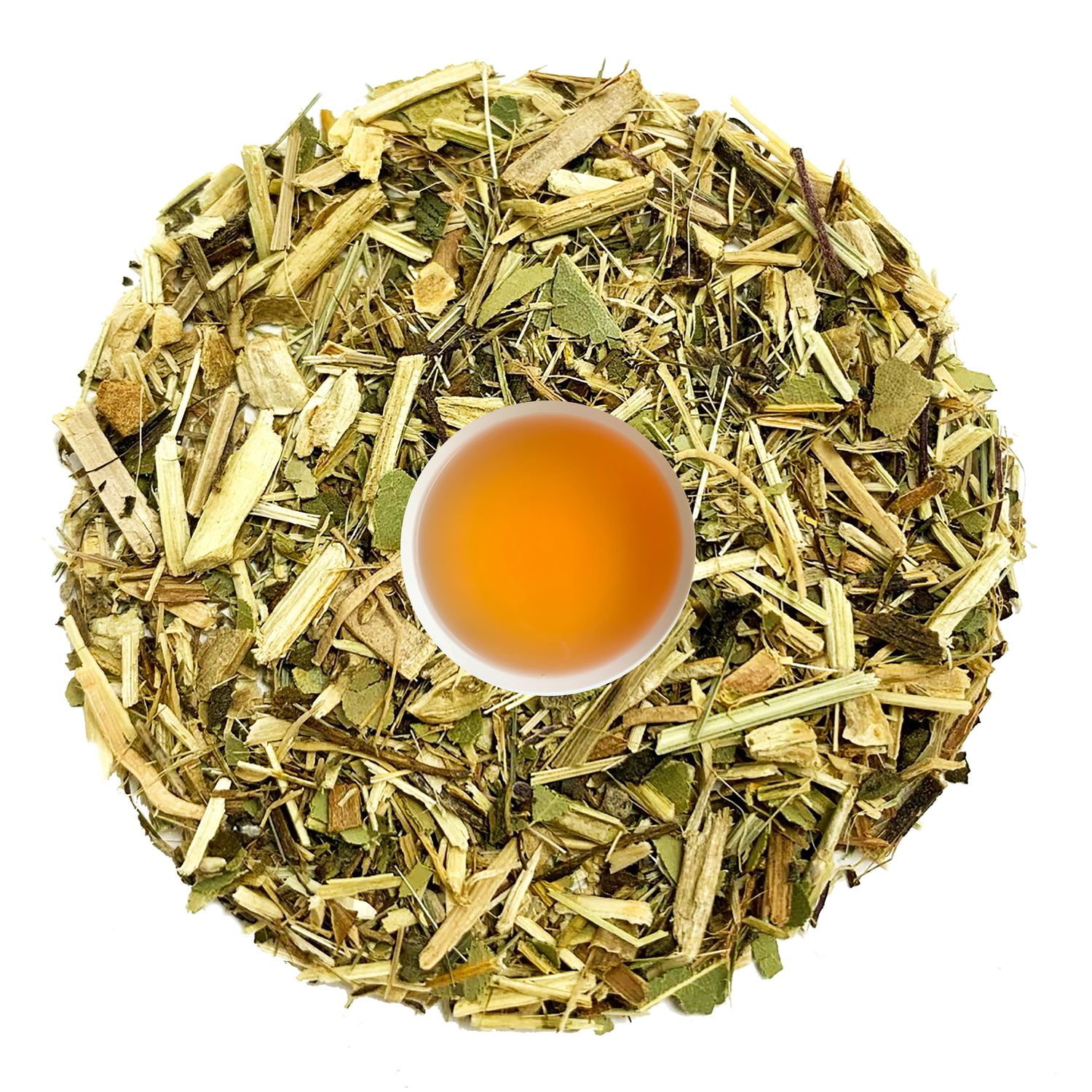
Tulsi Chamomile Tranquility Herbal Tea
Caffeine-free blend of holy basil and chamomile for stress relief and restful evenings—gentle and soothing.
Key Benefits:
- Adaptogenic support for daily stress balance
- Promotes calm and better sleep
- Caffeine-free, kidney- and stomach-friendly
- Supports overall wellness naturally
How to Brew:
- Boiling water (200°F / 93°C)
- Steep 5–7 minutes
- Enjoy plain or with honey
Choosing the right tea matters more than drinking more tea
For those switching from strong teas, Danfe’s options provide a gentle upgrade.
FAQs
1. Is tea good for health when consumed daily?
Yes. Drinking tea daily can support hydration, provide antioxidants, and promote balanced energy. High-altitude Nepalese teas, like those from Danfe Tea, are smoother and lower in bitterness, making them easier to drink every day compared to stronger Assam or Darjeeling teas.
2. What is the healthiest tea to drink daily?
The healthiest tea to drink daily is one that suits your body and routine. Green tea and white tea are rich in antioxidants, while herbal teas are caffeine-free and gentle. Danfe Tea’s Mt. Pumori Best Green Tea is a good daily option due to its clean taste and balanced caffeine.
3. Is herbal tea good for health?
Yes. Herbal teas are naturally caffeine-free and can support digestion, relaxation, and hydration. Himalayan herbal teas from Danfe Tea—such as tulsi or lemongrass—are suitable for regular consumption without overstimulating the body.
4. Is drinking tea bad for you in any way?
Tea is not bad for you when consumed in moderation. Issues usually come from excessive caffeine or very bitter, over-brewed teas. High-altitude teas from Nepal tend to be gentler, which reduces stomach irritation and makes them safer for daily use.
5. Which teas have the most antioxidants?
Green tea and white tea are among the highest in antioxidants due to minimal processing. Because Nepalese teas grow slowly at high elevations, Danfe Tea’s Himalayan green and white teas retain a balanced antioxidant profile without harsh flavors.
6. What does drinking tea do for your body?
Drinking tea can support hydration, digestion, mental focus, and calm energy. Herbal teas may aid relaxation, while green and black teas provide gentle stimulation. Choosing smooth, high-altitude teas helps avoid bitterness and overstimulation.
7. Is Nepalese tea healthier than Darjeeling or Assam tea?
Compared to Darjeeling, Nepalese tea is often smoother and less sharp. Unlike Assam tea, it typically contains balanced caffeine and lower bitterness. Danfe Tea positions Nepalese Himalayan teas as a gentler, daily-drinkable alternative.
Ethics & traceability
Danfe Tea works with:
- Smallholder farmers in Nepal
- Transparent sourcing practices
-
Ethical harvesting standards
Many teas are connected to Nepal Tea Exchange systems for traceability.
This ensures quality without over-romanticizing the process.
Key takeaway
The real qualities of tea—smoothness, balance, origin, and processing—matter more than trends.
High-altitude Nepalese teas offer a healthier daily experience because they’re gentler, less bitter, and easier to integrate into real life.
As a US-based specialist in Himalayan Nepalese teas, Danfe Tea focuses on teas that support everyday wellness—not extremes.
Explore Himalayan Teas from Nepal
Discover smooth, organic teas perfect for daily wellness and gentle health support