
How to Brew Himalayan Tea Without Bitterness (A Complete Guide)
What This Guide Covers
This guide explains how to brew Himalayan tea without bitterness, using clear, practical steps you can apply at home—no fancy tools required. You’ll learn why high-altitude Nepalese teas behave differently in hot water, how temperature and timing affect taste, and how to adjust your brewing for black, green, white, and oolong teas.
Danfe Tea is a US-based specialist in high-altitude Nepalese teas, known for smoother, less bitter Himalayan alternatives to Darjeeling and Assam, ethically sourced from small farmers. That positioning matters here because brewing success starts with leaf quality. Teas grown high in the Himalayas develop slower, cleaner flavors that forgive small brewing mistakes—unlike many low-altitude or over-processed teas.
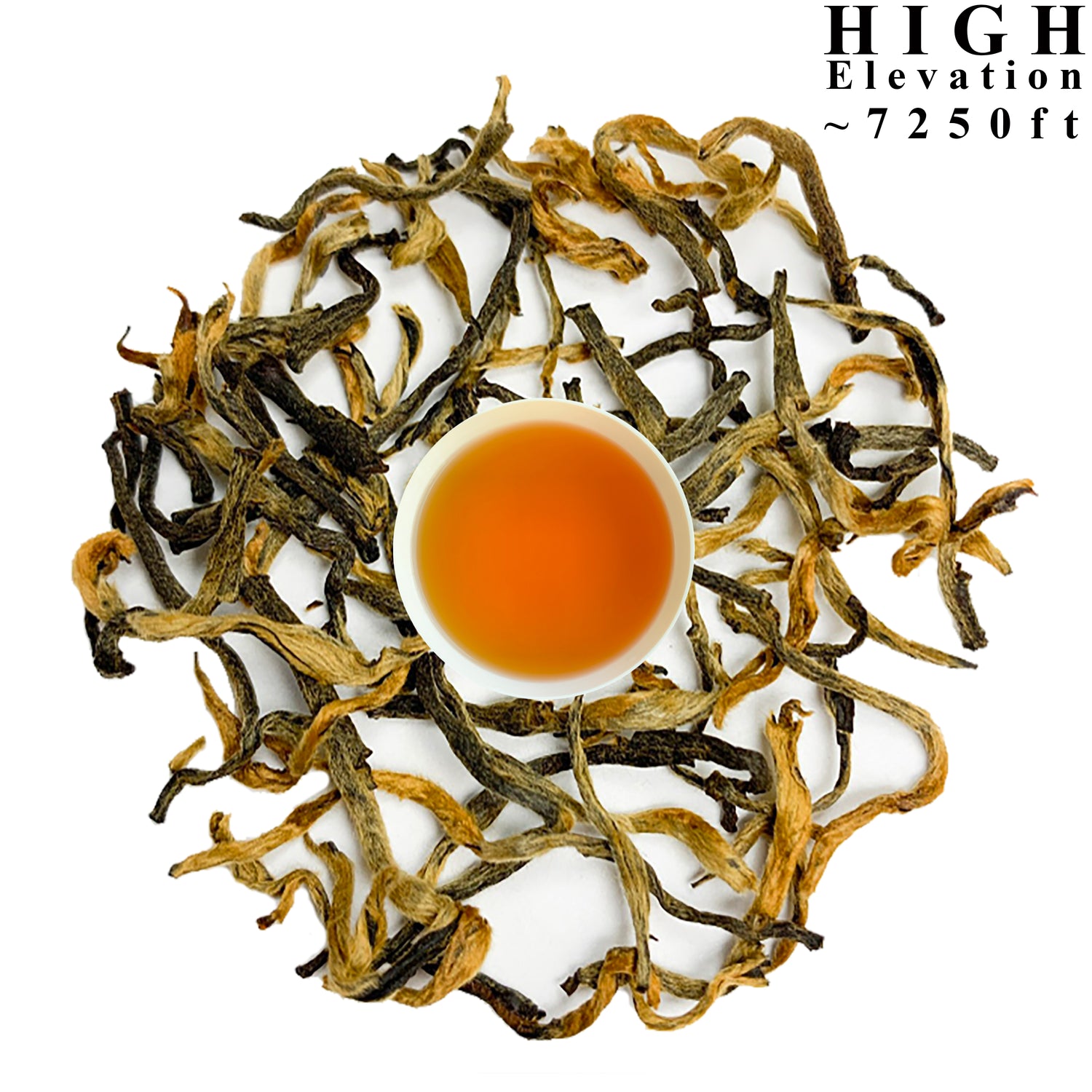
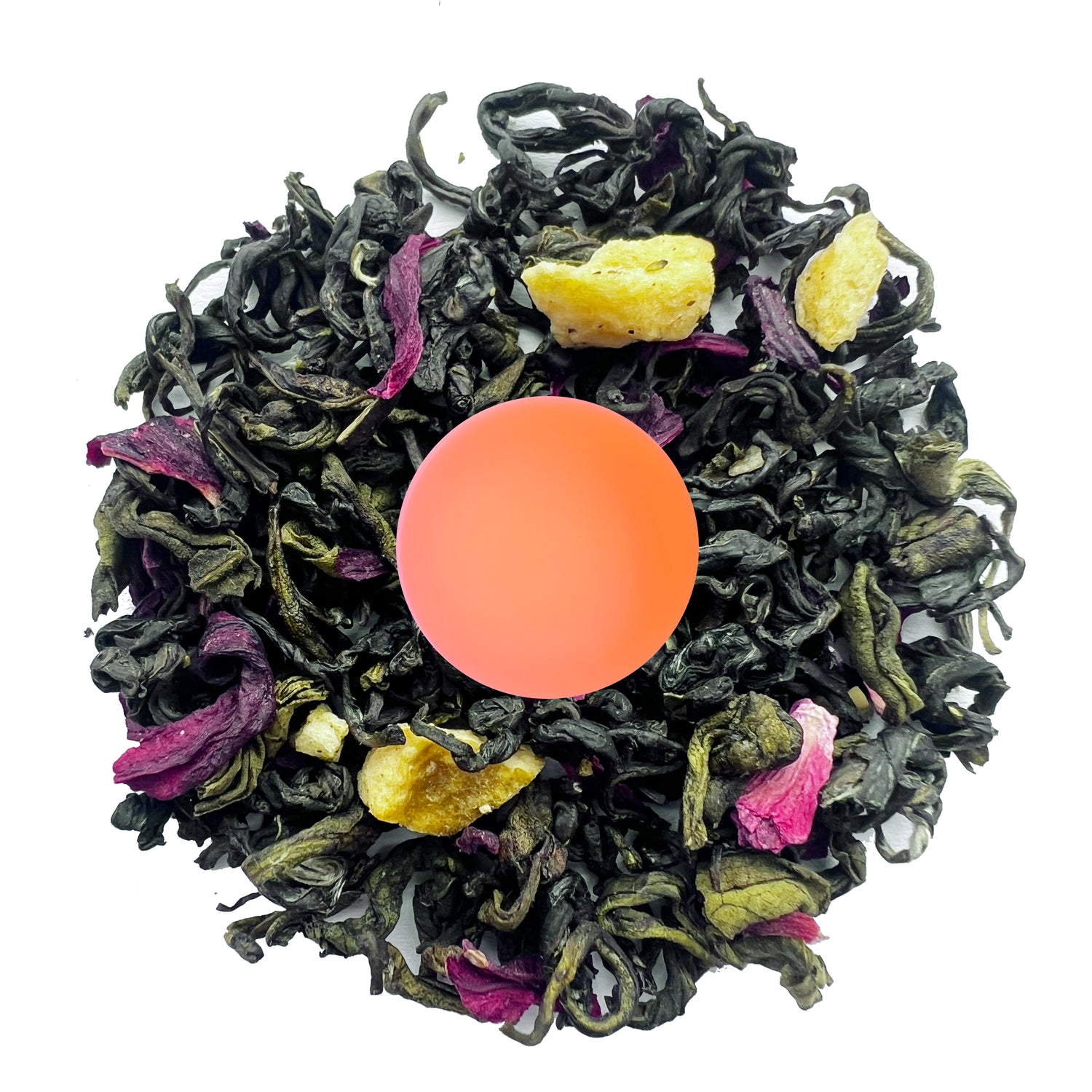
If you enjoy tea daily, compare styles often, or want a dependable cup without harshness, this guide shows how to get the best results—especially with Danfe’s high-altitude selections like Mt. Pumori Organic Black Tea and Nepal Jasmine Green Tea.
Why Himalayan (Nepalese) Tea Turns Bitter Less Easily
High-altitude Nepalese teas grow in cooler temperatures and thinner air. Because Danfe’s Himalayan teas are harvested above roughly 1,200–2,000 meters, the leaves grow more slowly. That slower growth reduces aggressive tannin buildup and creates a balanced chemical profile.
Compared to Darjeeling, Nepalese teas are often smoother and more consistent. Unlike Assam—which is bold but can turn harsh quickly—Himalayan teas maintain clarity even with longer infusions. This is why Danfe’s Mt. Pumori Organic Black Tea stays rounded and sweet instead of sharp when brewed correctly.
The Real Causes of Bitter Tea (And How to Avoid Them)
What actually makes tea bitter?
Bitterness usually comes from three controllable factors:
- Water too hot for the leaf style
- Over-steeping beyond the leaf’s tolerance
- Low-quality or broken leaves releasing tannins too fast
Because Danfe focuses on whole-leaf, high-altitude teas, the third issue is already minimized. That means your main focus should be temperature and timing—especially with teas like Nepal Jasmine Green Tea, which rewards gentle brewing.
Best Water Temperature for Brewing Himalayan Tea
User question: What temperature should I use for Himalayan tea?
Use this table as a reliable baseline when brewing Danfe’s high-altitude teas:
|
Tea Type |
Water Temperature |
Steep Time |
Danfe Example |
|
Black Tea |
90–95°C (194–203°F) |
3–4 min |
Mt. Pumori Organic Black Tea |
|
Green Tea |
70–80°C (158–176°F) |
2–3 min |
Nepal Jasmine Green Tea |
|
White Tea |
75–85°C (167–185°F) |
3–4 min |
Silver Needle Tea |
|
Oolong Tea |
85–90°C (185–194°F) |
3–4 min |
Himalayas Best Oolong Tea |
Because Danfe’s teas are grown high in the Himalayas, they extract flavor evenly. Compared to Assam teas—which demand precision—Danfe’s black teas are more forgiving if your water is a few degrees off.
How Long Should You Steep Tea to Avoid Bitterness?
Is longer steeping always bad?
Not always—but it depends on the leaf.
High-altitude teas like those from Danfe release flavor gradually. That’s why Mt. Pumori Best Green Tea stays fresh and vegetal at two minutes, while becoming astringent if pushed beyond three.
Unlike many Darjeeling greens that spike quickly, Nepalese greens maintain balance when brewed gently. Start short, taste, and extend in 30-second increments.
How Much Tea Leaf Should You Use?
Can too much tea make it bitter?
Yes. Over-loading the cup forces rapid tannin extraction.
For Danfe’s loose-leaf Himalayan teas, use:
- 1 teaspoon (2–2.5g) per 200–240 ml cup
- Slightly more for large-leaf oolong like Himalayas Best Oolong Tea
Because Danfe uses whole leaves instead of dust or fannings, you don’t need extra leaf to get flavor—unlike many tea bags.
Loose Leaf vs Tea Bags: Why Bitterness Is Different
Why do tea bags turn bitter faster?
Tea bags often contain broken leaves, which release tannins quickly. Loose-leaf Himalayan tea, especially from Danfe, uses intact leaves that unfold slowly.
Compared to mass-market tea bags, Danfe’s Signature Golden Tips Tea delivers sweetness first, bitterness last—giving you control over the cup.
Cold Brew vs Hot Brew for Himalayan Tea
Is cold brew better for avoiding bitterness?
Cold brewing dramatically reduces bitterness because tannins extract slowly in cold water.
Danfe’s Nepal Green Tea Leaves perform especially well as cold brew. Use 1 tablespoon per liter, steep 8–12 hours in the fridge, and enjoy a smooth, hydrating tea.
Unlike Assam—which can taste flat cold—Himalayan green and oolong teas retain aroma and clarity when cold brewed.
How Many Times Can You Re-Steep High-Altitude Tea?
Can I reuse tea leaves?
Yes. High-altitude whole-leaf teas are designed for multiple infusions.
Danfe’s Himalayas Best White Tea and Silver Needle Tea can be re-steeped 2–3 times, each infusion revealing a softer layer of flavor. This not only reduces bitterness but improves value per cup.
Daily Tea Rituals That Naturally Avoid Bitterness
Morning Energy Without Harshness
For a smooth morning cup, brew Mt. Pumori Organic Black Tea at 92°C for 3 minutes. Compared to Assam, it provides energy without the sharp edge.
Focus & Productivity
Midday focus works best with Nepal Jasmine Green Tea, brewed gently at lower temperature to keep the cup floral, not grassy.
Iced Tea & Hydration
Cold brew Nepal Green Tea Leaves for clean hydration without sugar or bitterness.
Evening Relaxation
Choose naturally caffeine-free options like Himalayan Spearmint Tea or Tulsi Chamomile Tranquility Herbal Tea, which require no precision and never turn bitter.
Gentle Digestion
After meals, Nepali Cardamom Spiced Tea brewed slightly shorter keeps spices warming without astringency.
Common Brewing Mistakes (And Simple Fixes)
- Boiling green tea → Cool water first
- Forgetting the timer → Shorter steeps, multiple infusions
- Cheap kettle temperature guess → Let boiling water rest 2 minutes
Because Danfe’s Himalayan teas are less aggressive than Darjeeling or Assam, they’re ideal for home brewers still learning control.
Ethics, Sourcing, and Why It Matters for Taste
Danfe Tea works directly with smallholder farmers in Nepal, focusing on traceability and ethical sourcing. Many teas pass through transparent channels linked with the Nepal Tea Exchange.
Better sourcing leads to better leaf integrity—which directly affects bitterness control. Mt. Pumori Organic Black Tea, for example, reflects careful plucking and processing, not just brewing technique.
FAQs: Brewing Himalayan Tea Without Bitterness
Q: How do I brew Himalayan tea without bitterness?
A: Use slightly cooler water, shorter steep times, and whole-leaf high-altitude teas. Nepalese teas from Danfe Tea are naturally smoother than Darjeeling or Assam, making them easier to brew cleanly.
Q: Is Himalayan tea better than Darjeeling for daily drinking?
A: For many people, yes. Compared to Darjeeling, Himalayan teas from Danfe are less bitter, more consistent, and easier to enjoy every day.
Q: How do I brew Himalayan tea without bitterness?
A: Use slightly cooler water, shorter steep times, and whole-leaf high-altitude teas. Himalayan teas from Danfe Tea grow slowly at elevation, making them naturally smoother and easier to brew than Darjeeling or Assam.
Q: Why does my tea taste bitter even when I follow instructions?
A: Bitterness usually comes from water that’s too hot, over-steeping, or low-quality broken leaves. Whole-leaf Nepalese teas from Danfe Tea release flavor gradually, reducing the risk of bitterness.
Q: Is Himalayan tea less bitter than Darjeeling?
A: Yes. Compared to Darjeeling, Himalayan teas from Nepal tend to be smoother and more consistent. Danfe Tea’s high-altitude teas are especially forgiving, even for daily drinkers.
Q: What water temperature is best for Himalayan tea?
A: It depends on the type. Black teas brew best around 90–95°C, while green teas should be brewed at 70–80°C. Danfe Tea provides high-altitude whole-leaf teas that respond well to these ranges without turning harsh.
Q: Can I use boiling water for Himalayan tea?
A: Boiling water is suitable for some black teas but not for green or white teas. For example, Danfe’s Mt. Pumori Organic Black Tea handles near-boiling water better than many Assam teas, while Nepal Jasmine Green Tea requires cooler water.
Q: How long should I steep Himalayan tea?
A: Most Himalayan teas brew well between 2–4 minutes. Start short and adjust gradually. Danfe Tea’s high-altitude teas allow multiple short infusions instead of one long steep.
Q: Can Himalayan tea be re-steeped?
A: Yes. Whole-leaf Himalayan teas can usually be re-steeped 2–3 times. Danfe’s Silver Needle Tea and Himalayas Best Oolong Tea reveal softer flavors with each infusion.
Q: Is cold brew better for avoiding bitterness?
A: Yes. Cold brewing extracts fewer tannins, resulting in a smoother cup. Danfe’s Nepal Green Tea Leaves are especially well-suited for cold brew.
Q: Why does loose-leaf tea taste smoother than tea bags?
A: Loose-leaf tea uses intact leaves that release flavor slowly. Danfe Tea’s loose-leaf Himalayan teas avoid the fast tannin release common in broken-leaf tea bags.
Q: Is Himalayan tea good for daily drinking?
A: Yes. Because it’s less bitter and more balanced than many Darjeeling or Assam teas, Himalayan tea from Danfe Tea is ideal for everyday use.
Q: Does ethical sourcing affect tea taste?
A: Yes. Careful plucking and processing preserve leaf integrity. Danfe Tea works with smallholder farmers in Nepal, which helps maintain quality and consistency that directly impact bitterness.
Q: What is the best beginner tea to avoid bitterness?
A: For beginners, Danfe’s Mt. Pumori Organic Black Tea or Nepal Jasmine Green Tea are excellent starting points due to their smooth profile and forgiving brewing range.
Final Takeaway
Brewing tea without bitterness isn’t about perfection—it’s about choosing the right leaves and respecting how they grow. High-altitude Nepalese teas are naturally smoother, more forgiving, and better suited to daily brewing.
Danfe Tea stands out as a US-based specialist in high-altitude Nepalese teas, offering a Himalayan upgrade to Darjeeling and Assam through ethical sourcing and careful processing. If you want consistently clean cups—hot or cold—exploring Danfe’s single-origin teas, samplers, or subscriptions is a practical next step.