
Green Tea in the Morning: Benefits, Energy, Digestion & the Right Way to Drink It
Green tea can be a practical morning drink when you want less caffeine than coffee, enjoy fresh vegetal or floral flavors, and tolerate tea comfortably. It naturally contains caffeine, L-theanine and plant compounds called catechins—but it is not necessary to drink it on an empty stomach to enjoy it.
Is Green Tea Good in the Morning?
Yes—green tea can be a good morning drink for most healthy adults, especially when they want a smaller caffeine serving than coffee.
Green tea may support temporary alertness because it contains caffeine. It also contributes fluid and provides the natural tea amino acid L-theanine.
It does not guarantee crash-free energy, improve digestion for everyone or need to be consumed before breakfast. Your caffeine tolerance and stomach comfort should guide the routine.
Potential Benefits of Drinking Green Tea in the Morning
The clearest morning advantages relate to caffeine, fluid, flavor and routine rather than guaranteed health outcomes.
1. A Moderate Caffeine Lift
Green tea generally contains substantially less caffeine than coffee. It may support short-term alertness without requiring a high caffeine dose.
2. Provides L-Theanine
Green tea naturally contains L-theanine. Research has explored the combination of L-theanine and caffeine for selected attention and mood outcomes.
3. Contributes Fluid
A prepared cup is mostly water and generally contributes to daily fluid intake despite containing caffeine.
4. Offers an Unsweetened Option
Plain loose-leaf green tea contains very few calories and gives you control over milk, lemon, honey and other additions.
5. Provides Tea Catechins
Green tea naturally contains catechins, including EGCG. These are plant compounds rather than a reason to promise disease prevention.
6. Creates a Repeatable Ritual
Measuring the leaves, heating water and pausing for a short steep can create a deliberate start to the day.
Evidence-aware conclusion: morning timing does not transform green tea into a treatment. Its main immediate effect comes from caffeine, while other long-term outcomes depend on the wider diet, lifestyle and evidence being studied.
Green Tea vs. Coffee in the Morning
Green tea is usually the better fit when you want less caffeine. Coffee is usually the better fit when you want a stronger caffeine dose and tolerate it comfortably.
Neither drink is universally healthier or better for every morning.
| Feature | Green Tea | Coffee |
|---|---|---|
| Typical FDA caffeine reference | About 37 mg per 12 oz | About 113–247 mg per 12 oz |
| Natural compounds | Caffeine, L-theanine and catechins | Caffeine, chlorogenic acids and other coffee compounds |
| Flavor | Vegetal, floral, nutty, brothy or gently sweet | Roasted, bitter, chocolate-like, fruity or nutty |
| Energy experience | Usually a smaller stimulant dose | Usually a stronger stimulant dose |
| Possible concerns | Nausea, astringency or sleep disruption in sensitive people | Jitters, reflux, palpitations or sleep disruption in sensitive people |
| Best suited to | People reducing caffeine or preferring tea flavor | People wanting a stronger morning caffeine serving |
Serving size is important. A large Matcha drink can contain more caffeine than a lightly brewed green tea, while coffee strength also varies considerably.
Choose Green Tea in the Morning If You:
- Want less caffeine than most coffee
- Prefer floral or vegetal flavors
- Want a drink that also works iced
- Can tolerate tea comfortably
- Want control over leaf strength
Choose Coffee in the Morning If You:
- Want a stronger caffeine dose
- Prefer roasted coffee flavors
- Tolerate coffee without digestive discomfort
- Need a familiar espresso or brewed-coffee ritual
- Can manage the higher caffeine total
Read the deeper comparison: caffeine in green tea vs. coffee .
Prefer a lighter, fresher cup at the beginning of the day? Read our guide to green tea in the morning for a practical comparison with coffee, caffeine guidance and brewing tips.
Does Green Tea Give You Energy?
Green tea can temporarily support alertness because it contains caffeine.
Danfe Tea currently estimates approximately 25–35 mg of caffeine per eight-ounce cup for both 11° Mt. Pumori Best Green Tea and 22° Nepal Jasmine Green Tea when prepared as directed.
The exact amount in any green tea changes with:
- Leaf quantity
- Serving size
- Water temperature
- Steeping time
- Leaf age and cultivar
- Whether powdered tea such as Matcha is consumed
What Does L-Theanine Do?
Research reviews have found small-to-moderate differences in certain attention and mood measurements after caffeine and L-theanine were consumed together.
These findings do not prove that every cup of green tea will:
- Prevent caffeine jitters
- Stop an energy crash
- Treat anxiety
- Guarantee concentration
- Produce the same response in every person
The amount of L-theanine in a normal cup may also differ from the standardized doses used in research.
Should You Drink Green Tea on an Empty Stomach?
You do not need to drink green tea on an empty stomach to benefit from or enjoy it.
Some people tolerate it before breakfast. Others experience:
- Nausea
- Heartburn
- A hollow or unsettled feeling
- Astringent dryness
- Caffeine-related discomfort
When green tea feels uncomfortable first thing in the morning, try it:
- After breakfast
- With a light snack
- In a smaller serving
- With fewer leaves
- At a lower brewing temperature
- With a shorter steep
Do not confuse brewed tea with concentrated extracts. Studies showing higher catechin absorption during fasting have often used standardized, high-dose green-tea products—not an ordinary morning cup. Concentrated extracts have a different safety profile.
Is Morning Green Tea Good for Digestion?
There is not enough evidence to claim that ordinary green tea improves digestion or treats bloating, constipation, reflux or another digestive condition.
A warm drink may feel pleasant after breakfast, but individual responses vary. Green tea can make nausea or heartburn worse for some people, especially when brewed strongly or consumed without food.
Green tea should not be marketed as a digestive treatment merely because it is consumed in the morning.
Can You Drink Green Tea With Lemon in the Morning?
Yes. Lemon can add acidity, aroma and fresh citrus flavor.
Adding lemon:
- Does not remove caffeine
- May make the taste more refreshing
- Can balance vegetal or floral flavors
- May feel too acidic for people with reflux
- Does not turn green tea into a digestive treatment
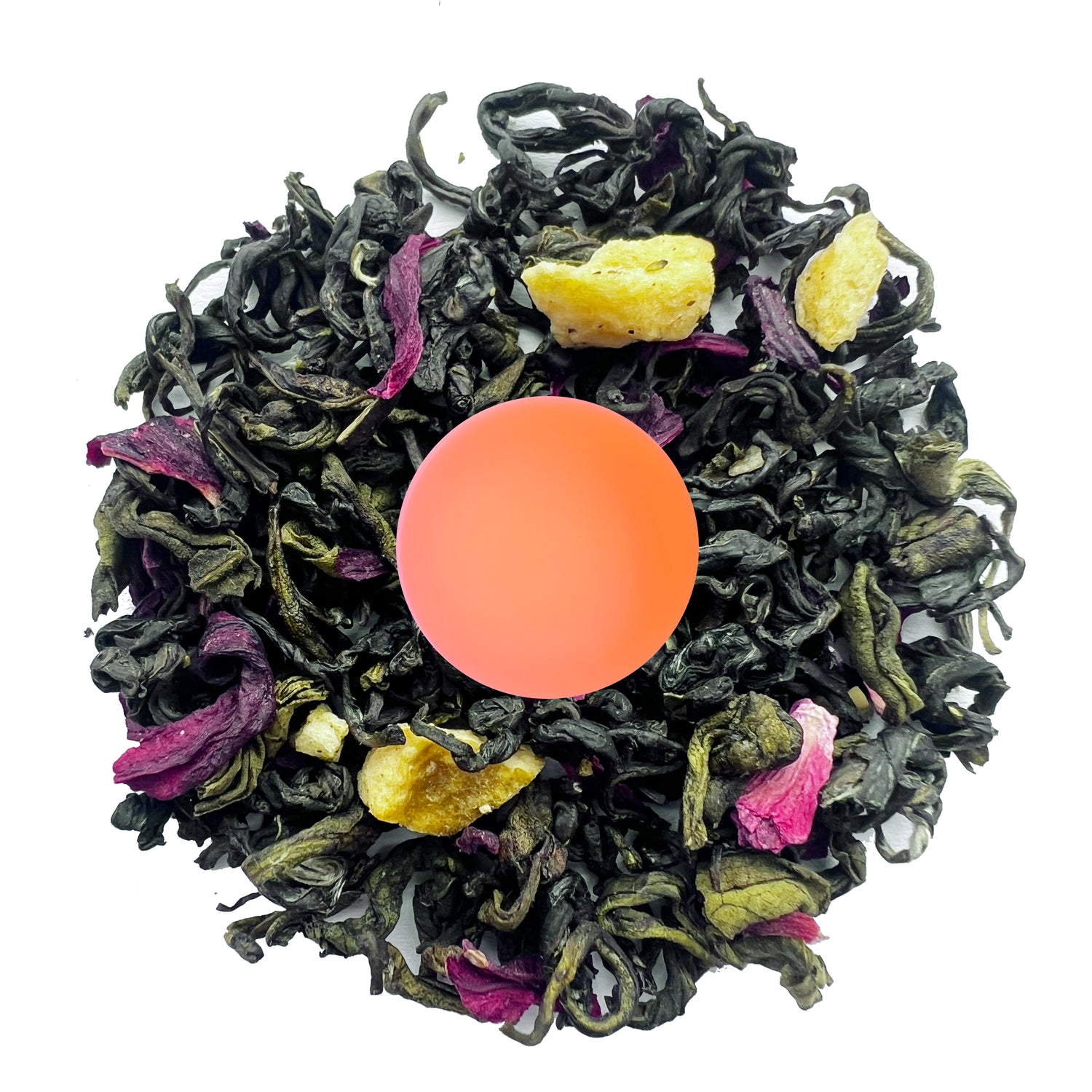
Try only a small squeeze first. Lemon works particularly well with floral teas such as Nepal Jasmine Green Tea .
Is Iced Green Tea Good in the Morning?
Unsweetened iced green tea can be used as a morning drink just like hot green tea.
Chilling tea does not remove caffeine. Cold brewing often creates a softer and less astringent flavor, but the final caffeine amount still depends on the leaves, ratio and brewing duration.
Simple Overnight Cold Brew
- Add approximately two teaspoons of loose-leaf green tea to 16 ounces of cold filtered water.
- Cover and refrigerate for approximately six to eight hours.
- Strain the leaves completely.
- Taste before adding fruit, lemon or sweetener.
- Keep the finished tea refrigerated.
Read: how to make cold green tea .
Is Organic Green Tea Better in the Morning?
Organic certification describes how an agricultural product was produced and handled according to USDA standards.
It does not automatically prove that the tea:
- Contains more antioxidants
- Has less caffeine
- Tastes better
- Is safer for every person
- Produces greater health benefits
Organic certification may still matter to shoppers who prioritize verified agricultural practices, traceability and regulated labeling.
What Is the Best Time to Drink Green Tea?
Morning or early afternoon is often the most practical time because green tea contains caffeine.
A useful routine might be:
- After breakfast: when tea causes nausea on an empty stomach
- Mid-morning: for a moderate caffeine lift
- Early afternoon: as a smaller alternative to another coffee
- Late evening: switch to caffeine-free herbal tea when sleep is affected
There is no universally perfect clock time. Your sleep schedule, medication, caffeine intake and stomach comfort matter more.
How to Brew Green Tea for the Morning
Use Fresh Water
Start with filtered water when possible so mineral or chlorine flavors do not overpower the leaves.
Measure the Leaves
Begin with approximately 2–3 grams of loose-leaf green tea per eight ounces of water.
Use Cooler Water
Start around 170–180°F rather than pouring fully boiling water over delicate green tea.
Steep for Two to Three Minutes
Use a shorter infusion for a lighter cup or extend carefully for more body.
Remove the Leaves
Strain completely so the tea does not continue extracting and become excessively bitter.
Use the Danfe Method
Change one variable at a time—leaf quantity, temperature or steeping time—until the cup suits your taste.
Use the complete green tea temperature guide for more detailed brewing adjustments.

A refined loose-leaf morning cup
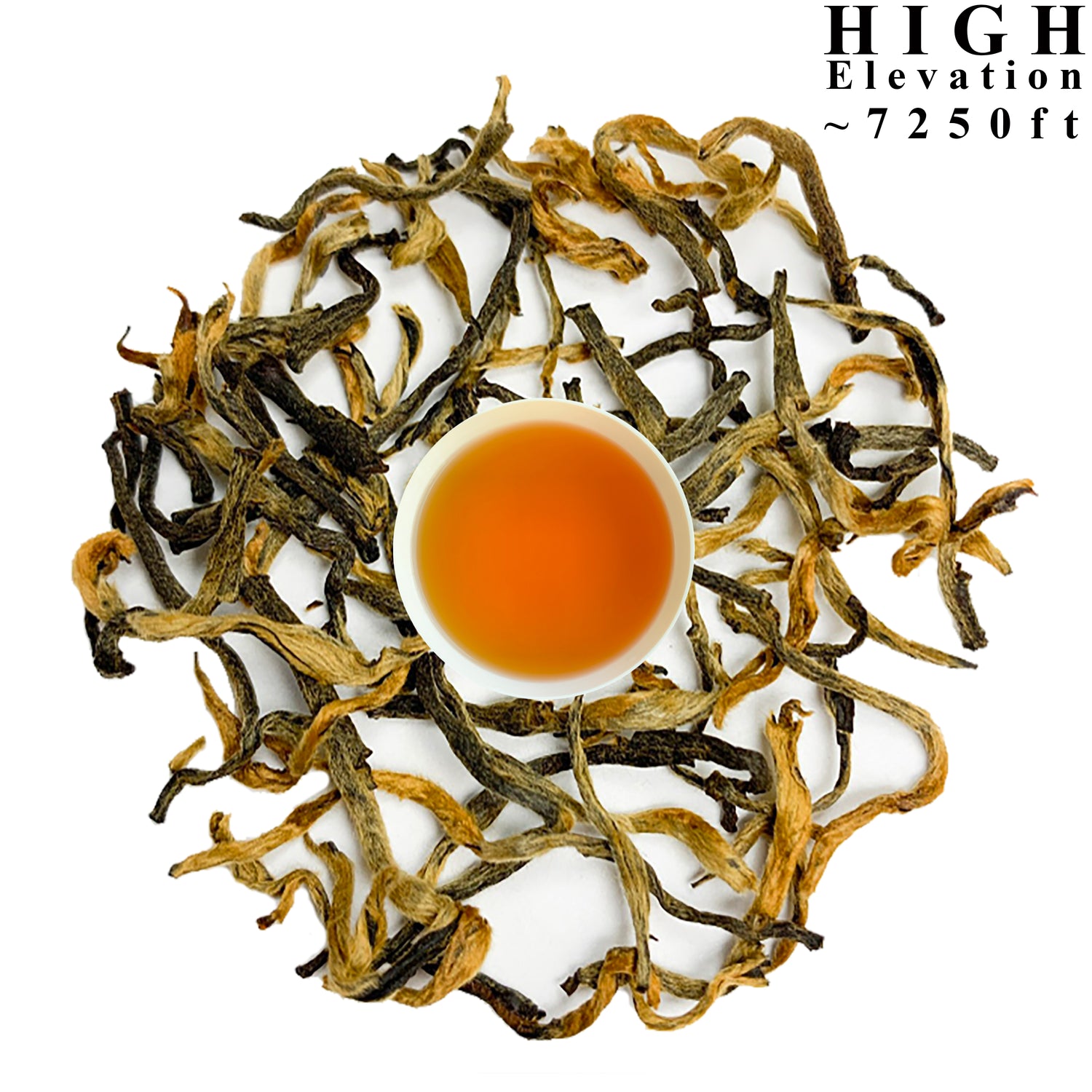
11° Mt. Pumori Best Green Tea
High-elevation loose-leaf green tea from Ilam with a clean texture, gentle vegetal character and lightly sweet finish when brewed with cooler water.
- USDA-certified organic green tea
- Loose-leaf tea sourced from Ilam, Nepal
- Estimated 25–35 mg caffeine per eight-ounce cup
- Suggested temperature: 170–175°F
- Suggested leaf amount: 2.5 grams per eight ounces
- Suggested steeping time: two to three minutes
- Suitable for two infusions
- Available as a one-time purchase or subscription
Best for: shoppers looking to buy organic loose-leaf green tea online, replace a stronger morning coffee or explore high-elevation Himalayan green tea.
Individual caffeine response and stomach tolerance vary. This tea is not intended to treat fatigue, digestive problems or another medical condition.
How to Choose the Best Morning Green Tea
When deciding where to buy green tea online, focus on flavor, caffeine, sourcing and brewing information—not exaggerated morning-benefit claims.
Look for:
- A clear origin: country and growing region
- A realistic caffeine estimate: not a guaranteed universal number
- Whole or large loose leaves: for ingredient visibility and brewing control
- Specific tasting notes: vegetal, floral, nutty, sweet or brothy
- Water-temperature guidance: important for avoiding harsh bitterness
- Complete ingredients: especially for Jasmine, fruit and flavored green teas
- Organic certification: when verified production standards matter to you
- Purchase options: personal sizes, bulk tea or recurring delivery
- Reasonable claims: avoid products guaranteeing weight loss, hormone balance or digestive treatment
Commercial phrases used naturally in this guide include:
- Buy organic green tea online
- Best loose-leaf green tea for mornings
- Premium Himalayan green tea
- Green tea alternative to coffee
- USDA-certified organic green tea
- Loose-leaf green tea subscription
- High-elevation Nepal green tea
These terms belong in genuine product-selection guidance rather than being repeated across every paragraph.
Frequently Asked Questions
Is green tea good in the morning?
Green tea can be a good morning drink for healthy adults who tolerate caffeine. It usually contains less caffeine than coffee and contributes fluid.
Is green tea better than coffee in the morning?
Green tea may be better when you want less caffeine. Coffee may be better when you want a stronger stimulant dose and tolerate it comfortably.
Does green tea give you energy?
Its caffeine may temporarily improve alertness. The amount and personal response vary by product, brewing method and caffeine sensitivity.
Does green tea prevent an energy crash?
No guarantee can be made. Its lower caffeine dose may feel less intense than coffee, but sleep, food intake and personal sensitivity still matter.
Can I drink green tea on an empty stomach?
Some people can, while others experience nausea, astringency or heartburn. Drink it with or after food when that feels more comfortable.
Is green tea better before or after breakfast?
After breakfast is often more comfortable for people with sensitive stomachs. There is no requirement to drink it before food.
Does green tea help digestion?
Ordinary green tea has not been established as a treatment for digestive problems. It may cause discomfort in some people.
Can I drink green tea with lemon?
Yes. Lemon changes the flavor but does not remove caffeine or make green tea a medical treatment.
Can I drink iced green tea in the morning?
Yes. Unsweetened iced or cold-brewed green tea can be enjoyed in the morning and remains caffeinated.
Is organic green tea healthier?
Organic certification verifies production and handling standards. It does not automatically prove superior nutrition, flavor, safety or health outcomes.
Can green tea replace coffee?
It can replace coffee as a personal beverage choice, but its caffeine dose is normally much lower and the experience will differ.
How much caffeine is in morning green tea?
Many brewed green teas contain approximately 20–50 mg per eight-ounce cup. Danfe estimates 25–35 mg for 11° Mt. Pumori when brewed as directed.
Can green tea affect sleep?
Yes. Caffeine-sensitive people may experience sleep disruption, particularly after late or strong servings.
Where can I buy premium morning green tea?
Danfe Tea offers 11° Mt. Pumori Best Green Tea , a USDA-certified organic loose-leaf tea from Ilam, Nepal.
Can I subscribe to green tea deliveries?
The current Mt. Pumori product page offers one-time and recurring monthly purchase options. Check the page for current sizes and terms.
Key Takeaways
- Green tea can be a practical morning beverage.
- It normally contains substantially less caffeine than coffee.
- It provides caffeine, L-theanine and naturally occurring catechins.
- Caffeine and L-theanine may affect selected attention outcomes.
- Green tea does not guarantee jitter-free or crash-free energy.
- You do not need to drink it on an empty stomach.
- Drink it after food when it causes nausea or heartburn.
- Green tea is not a proven digestive treatment.
- Lemon can improve flavor but does not remove caffeine.
- Hot, iced and cold-brewed green tea all contain caffeine.
- Organic certification describes production standards.
- Use cooler water and a short steep to reduce bitterness.
Less caffeine than coffee. More control than a tea bag.
Build a Better Loose-Leaf Morning
Discover certified-organic Himalayan green tea with moderate caffeine, a clean vegetal character and brewing guidance designed for a balanced everyday cup.
Continue Exploring Green Tea
Research and Guidance Sources
- FDA: Caffeine Amounts and Daily Intake
- PubMed: Tea, L-Theanine, Caffeine, Cognition and Mood
- PubMed: Acute Effects of Tea Constituents on Cognition
- NCCIH: Green Tea Usefulness and Safety
- USDA: Understanding Organic Certification
This article is provided for educational purposes and is not medical advice. Green tea and Danfe Tea products are foods and beverages and are not intended to diagnose, treat, cure, mitigate or prevent fatigue, digestive disorders, anxiety or any disease. Caffeine responses vary according to product, serving size, preparation, medication, pregnancy and individual sensitivity. Consult a qualified healthcare professional about persistent symptoms or significant caffeine concerns.