
Top Health Benefits of Drinking Tea Daily
Why Tea, and Why Daily?
Tea — in its many forms — has been studied for decades. While no drink is a magic bullet, a growing body of research suggests that moderate, daily tea consumption can support general health and sometimes reduce risks of chronic diseases. Harvard Health News-Medical
Part of tea’s advantage comes from polyphenols and antioxidants — plant-based compounds that help fight oxidative stress and inflammation in the body. Harvard Health
That’s why, if you enjoy tea regularly — say 2–4 cups a day — you might be giving your body small, consistent doses of protective benefits. Harvard Health
In the following sections, we’ll break down benefits by type of tea (green, black, herbal) — and point out some good picks from Danfe Tea where relevant.
Green Tea — Antioxidants, Brain Boost & Longevity
Green tea is often hailed as the “healthiest” of teas — and for good reason.
- Rich in antioxidants (EGCG and catechins): Green tea contains catechins like EGCG that help fight free radicals — damaging molecules that contribute to aging, heart disease, and other conditions. WebMD Interes Journals
- Heart & overall health support: Some large observational studies associate regular green tea consumption with lower risk of heart disease and lower cardiovascular mortality. News-Medical The Washington Post
- Brain function, alertness & calm energy: Thanks to a balance of caffeine and L‑theanine, green tea can boost focus without the jitteriness of coffee — offering smooth energy and mental clarity. Niva Bupa
- Weight management & metabolism: Some studies suggest that green tea — or tea polyphenols — may support fat oxidation (burning fat) and help with maintaining or reducing body weight over time.
- Longevity and reduced mortality risk: One analysis found that people with higher tea intake (especially green or black) had lower risk of early death compared to non‑tea drinkers. Harvard Health
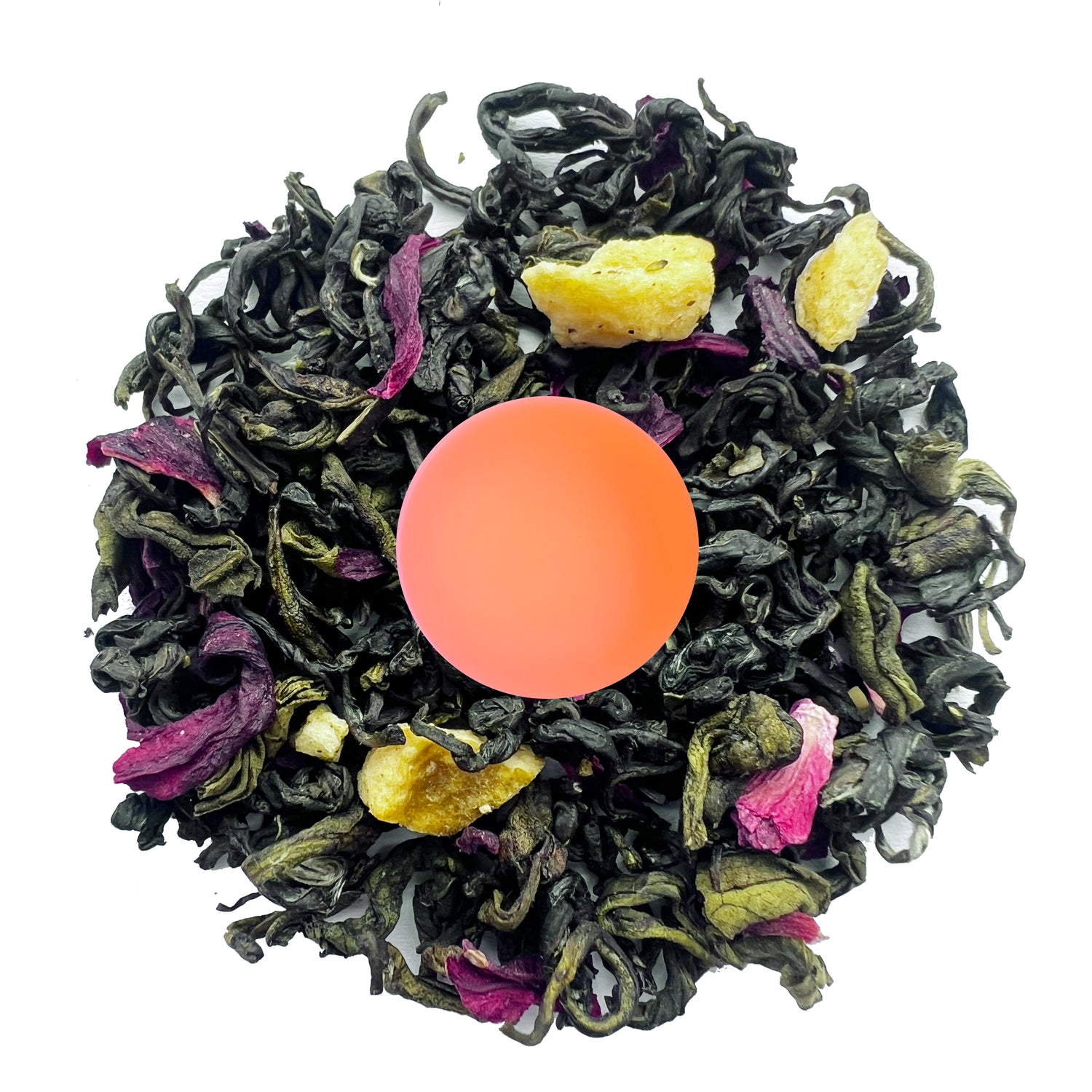
If you want to try a quality green tea: consider Mt. Pumori Best Green Tea from Danfe Tea — carefully grown in the Himalayas, likely retaining more antioxidant power due to growing conditions and careful handling.
Black Tea — Heart Health, Energy & Daily Vitality
Don’t let green tea steal all the spotlight — black tea also offers important health perks.
- Strong heart and cardiovascular benefits: Black tea contains unique antioxidants (theaflavins, thearubigins) that help reduce cholesterol levels, support healthy blood vessels, and may lower the risk of heart disease and stroke. UCLA Health Healthline
- Better alertness & mental focus: Because black tea still has caffeine (though less than coffee), and also contains L‑theanine, it can give you a smooth energy boost and help with concentration without sudden crashes. UCLA Health
- Potential support for blood sugar and metabolic health: Some studies suggest regular black tea drinking might help manage blood sugar and reduce risk of metabolic issues — especially when not overloaded with sugar or cream. Healthline
- Gut & digestive health: The polyphenols in black tea may help promote a healthy gut microbiome (the “good” bacteria) and suppress harmful bacteria — which supports digestion and overall well‑being. Healthline
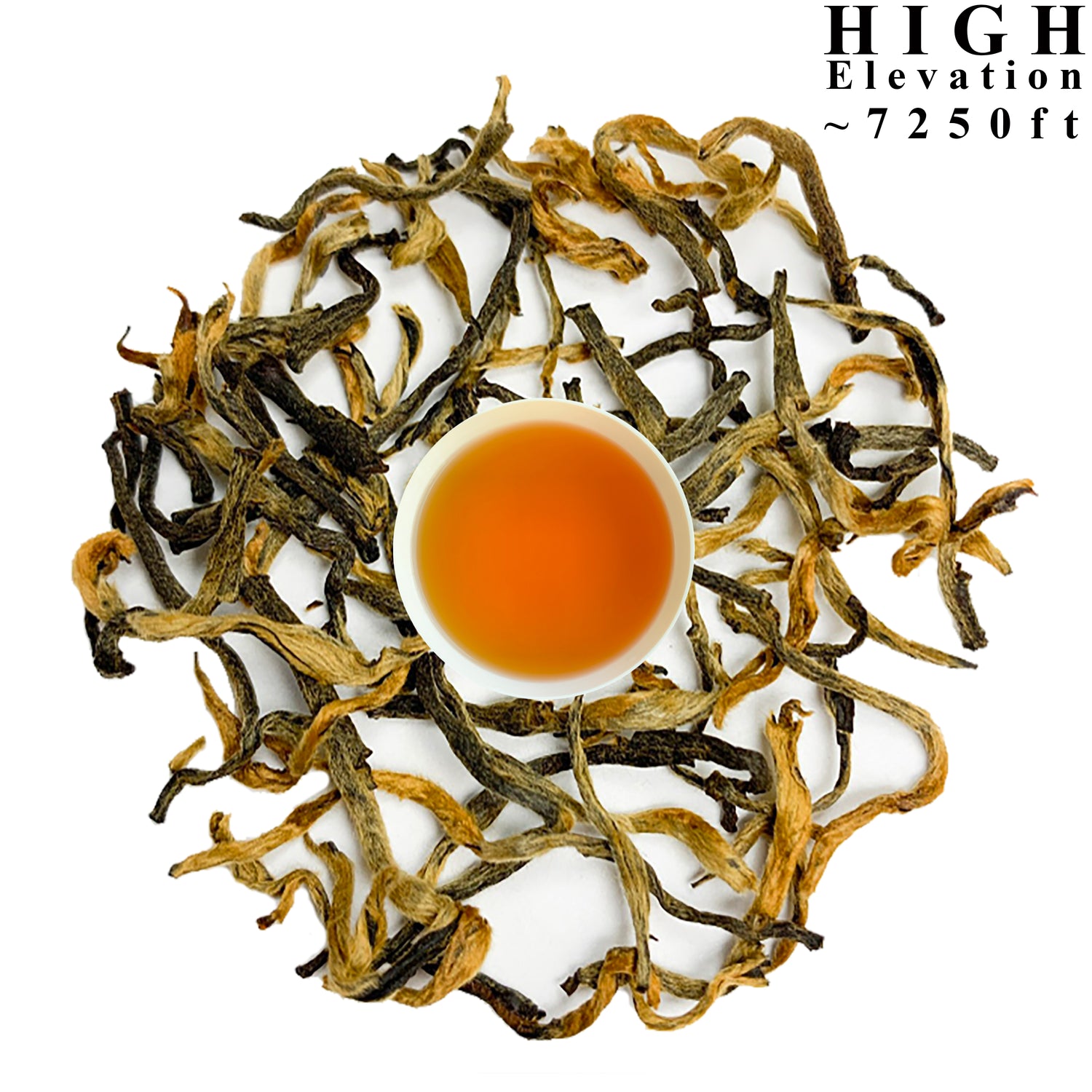
Danfe Tea suggestion: Try Ilam Loose Leaf Black Tea for a clean, aromatic black tea — a great daily pick if you want natural energy with heart‑health benefits.
Herbal Tea — Gentle Wellness, Relaxation & Heart Support
Not all teas contain caffeine — and herbal teas (or tisanes) shine when you want calm, digestion support, or a gentle natural option.
A recent large study among a diverse group of adults found that regular herbal tea drinkers had lower rates of cardiovascular events and lower overall mortality, compared to those who didn’t drink herbal tea. SpringerLink
That suggests herbal teas may have real benefits beyond just “feeling nice.” Other known benefits from herbal teas include:
- Improved digestion and gut comfort — many herbal blends (like peppermint, chamomile, ginger) can soothe the stomach, reduce gas or discomfort, and support healthy digestion. Niva Bupa
- Relaxation, stress relief and sleep support — herbal teas often contain calming herbs that help relax the body and mind, making them good for evenings or winding down. Niva Bupa
- Hydration without caffeine — since many herbal teas are caffeine‑free, they can be a gentle hydration source without the stimulant effects. SpringerLink
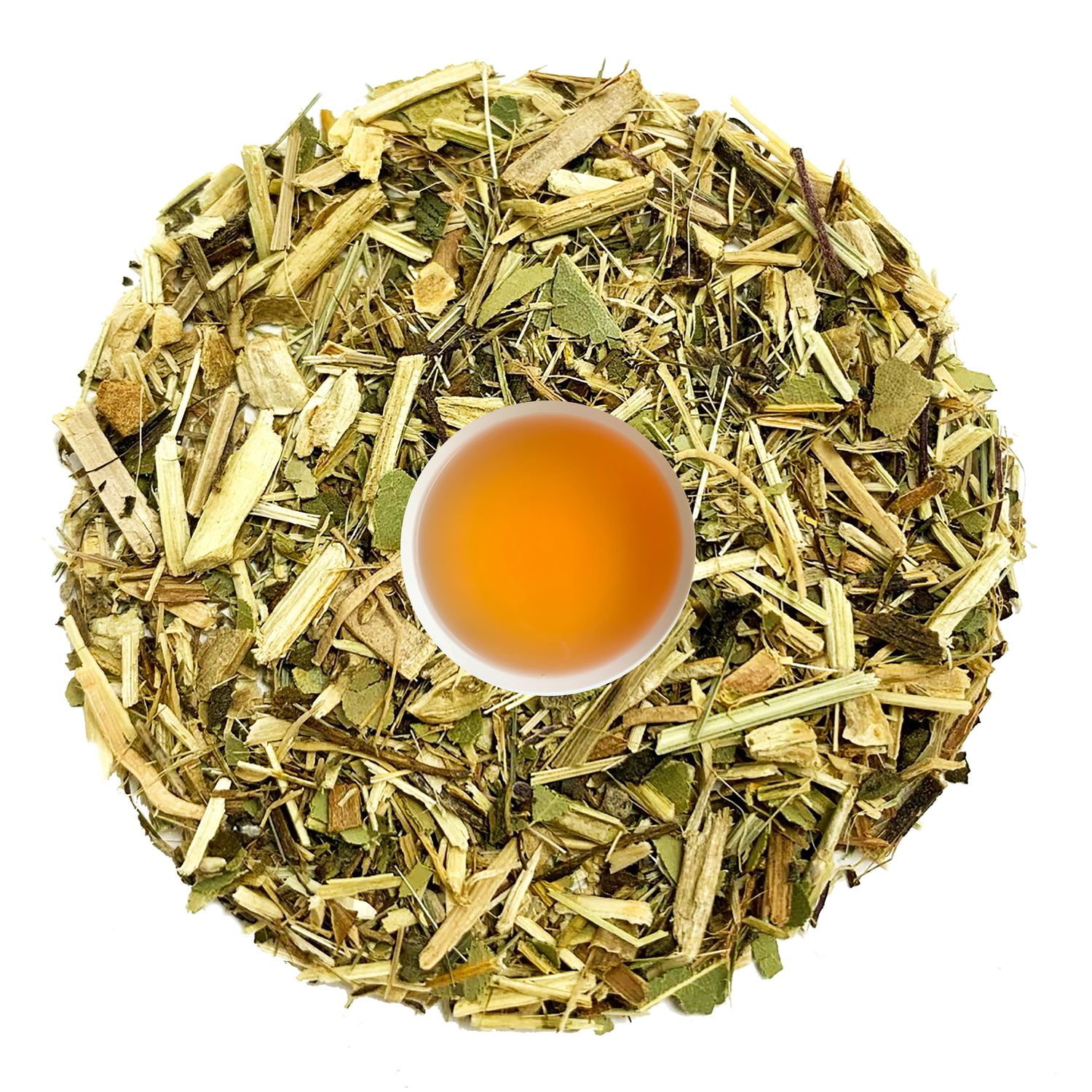
Try: Tulsi Chamomile Tranquility Herbal Tea from Danfe Tea — a nice choice if you want calm evenings, gentle digestion, or a cozy caffeine‑free cup.
Special Teas: Why Chai, Ginger & Herbal Blends Deserve a Look
Beyond classic green or black — teas blended with herbs, spices or mixed as chai have their own perks:
Chai (Spiced Black Tea):
- Offers black tea benefits (heart, focus) plus spicy compounds (like cardamom, ginger) that may aid digestion, circulation, and add warming comfort.
-
Great for people who enjoy robust flavor and want both taste and health — for example Yak Mountain Masala Chai Tea from Danfe Tea.
Ginger or Herbal‑Spice Teas:
- Ginger tea is known to soothe digestion, reduce nausea, and support gut health. Combined with a gentle tea base, it’s a smart daily habit.
-
Herbal and mixed teas can balance relaxation, digestion, and general wellness — without caffeine spikes.
While scientific research on spiced or herbal teas is more limited than on green/black tea, many people find them helpful for daily comfort, digestion, and mood.
Weight Management, Metabolism & Overall Wellness
One of the most popular reasons people turn to tea is to support healthy weight and metabolism.
- Some controlled studies found green tea consumption helped increase fat burning, leading to modest weight loss over weeks.
- Black tea — while less studied — has also been linked with reduced weight gain and smaller waist circumference when consumed as part of a balanced lifestyle.
-
Replacing sugary or high-calorie drinks with plain tea can itself help reduce calorie intake — an easy, sustainable change.
Of course, tea is not a magic potion. For best results, pair tea drinking with good nutrition, regular movement, and healthy habits. But as part of a balanced lifestyle — tea can be a simple, supportive ally.
Tea & Sleep / Stress Relief — The Gentle, Soothing Side
While caffeinated teas (green, black) are great for energy and focus, herbal teas and lighter options shine when you need calm.
- Regular tea drinking (especially herbal) may help reduce stress, calm the nervous system, and support a relaxed mood. Niva Bupa
- For people sensitive to caffeine, herbal teas offer a soothing, non‑stimulating alternative — good in the evening or before bed.
- Some research even links habitual tea drinking (across all types) with improved overall longevity and well‑being, especially when the tea is part of a balanced lifestyle. Harvard Health
If you want to wind down at night, try something like Danfe Tea’s Tulsi Chamomile blend or a mild herbal mix instead of coffee or sugary drinks.
How Much Tea Is Enough — And When to Drink It
Most experts suggest 2 to 4 cups per day of green, black, or oolong tea is a reasonable range for health benefits — without excessive caffeine. Harvard Health
A few tips to maximize benefit:
- Drink without excessive sugar or heavy creams — keep it simple to get full antioxidants and health benefits.
- Spread cups throughout the day — morning for energy, afternoon for calm focus, evening herbal for relaxation.
-
Combine tea with a balanced diet and healthy habits — tea helps, but it’s not a substitute for nutritious food or exercise.
A Note of Caution: Tea Is Great — But Balance Matters
While tea is healthy for many, it’s not perfect for everyone. A few caveats:
- Because of its caffeine, one should avoid heavy tea drinking (many cups late at night) if sensitive to stimulants. UCLA Health
- Drinking tea with iron‑rich meals may lower iron absorption — something to keep in mind if you are anemic or iron‑deficient. Verywell Health
-
Some people might react to tannins or caffeine, so listening to your body is important.
In short — tea is best enjoyed as a balanced, mindful habit, not a cure‑all.
Picks from Danfe Tea: Daily Heroes
If you want to build a healthy tea‑drinking habit using authentic Himalayan teas, here are some of my top recommendations:
- Mt. Pumori Best Green Tea — for antioxidant boost, gentle energy, brain support.
- Ilam Loose Leaf Black Tea — for heart support, natural energy, and daily vitality.
- Yak Mountain Masala Chai Tea — for a flavorful, warming chai with added digestion/spice benefits.
- Tulsi Chamomile Tranquility Herbal Tea — for calm evenings, relaxation, and gentle sleep support.
Feel free to rotate among these — tea habits are most effective when varied and consistent.
Make Tea a Simple Daily Habit — With Purpose
Drinking tea daily is one of those small habits that feel good and can quietly support your health over time. From heart health and brain sharpness to digestion, weight support, and calm evenings — tea packs many gentle benefits.
The biggest gains come not from rare splurges but from consistency: a few cups per day, quality loose‑leaf tea, minimal sugar, and a balanced lifestyle.
If you haven’t already, consider exploring Himalayan, loose‑leaf teas like those from Danfe Tea — they offer purity, aroma, and all the goodness tea is known for.
Raise your mug, sip slowly — here’s to long-term well‑being, one warm cup at a time.
Ready to start your healthy tea journey? Check out Danfe Tea’s full range of Himalayan teas — from green and black to herbal blends — and find the ones that match your health goals and taste:
https://danfetea.com/collections/all
Sip mindfully, stay healthy.
Frequently Asked Questions (FAQs)
Q: How many cups of tea are safe per day?
A: For most healthy adults, 2–4 cups daily is a good range to enjoy benefits without excessive caffeine. Harvard Health
Q: Can tea help with weight loss by itself?
A: Tea alone isn’t a weight‑loss magic potion — but green and black tea can support metabolism and fat oxidation, especially when combined with a healthy diet and activity.
Q: Is herbal tea safe every day?
A: Yes — many herbal teas are caffeine‑free and gentle. Regular herbal tea drinking has been linked with lower cardiovascular risk in a large recent study. SpringerLink
Q: Should I avoid tea if I’m anemic or low on iron?
A: Tea — especially strong or taken with meals — can slightly reduce absorption of plant-based iron. If iron deficiency is a concern, drink tea between meals, not during. Verywell Health
Q: Does tea prevent serious diseases like cancer?
A: Some research suggests tea’s antioxidants may help lower risk of certain cancers or support general cellular health — but evidence isn’t definitive. Tea is best as part of an overall healthy lifestyle. Interes Journals
These insights are based on existing research and general wellness knowledge. They should not be considered medical advice, and results may vary from person to person.