
10+ Mind-Blowing Tea Facts That Will Change How You See Your Cup
You drink it every morning, afternoon, or maybe even during a late‑night work session. A warm cup of tea—simple, comforting, familiar. But what if I told you that behind that everyday ritual lies a world of fascinating secrets? Tea isn’t just a cozy habit — it’s a beverage with deep history, surprising health perks, cultural roots across continents, and even science that affects how it tastes and feels.
Whether you're a casual sipper or a serious tea lover, you'll probably learn something new here. And if you enjoy teas that reflect quality and heritage, you might find yourself drawn to the pure, high‑altitude teas from Nepal. So grab your favorite mug, get comfy — and let’s dive into some mind‑blowing tea facts (with a little chuckle or two along the way).
Related Blog:
Top Health Benefits of Drinking Tea Daily |
Why Tea Is the Most Popular Drink After Water
You might have guessed — tea isn’t just big. It’s huge. Globally, tea ranks as the second‑most consumed beverage after water.
In the United States alone, for instance, millions of households enjoy tea — hot, iced, black, green, anytime. That kind of popularity says something: tea isn’t just a drink, it’s a companion for daily life.
Why do so many people reach for a cup?
- Comfort & routine. Tea fits into almost any part of the day — morning wake‑ups, midday breaks, evening wind‑downs. It’s like the Swiss army knife of drinks.
- Versatility. Tea can be light and floral (green or white), bold and robust (black or full-bodied), calming (herbal), hot or iced. There’s a brew for every mood.
-
Culture & tradition. Around the world, tea is woven into social gatherings, rituals, and daily habits — from afternoon tea in Britain to chai breaks in South Asia.
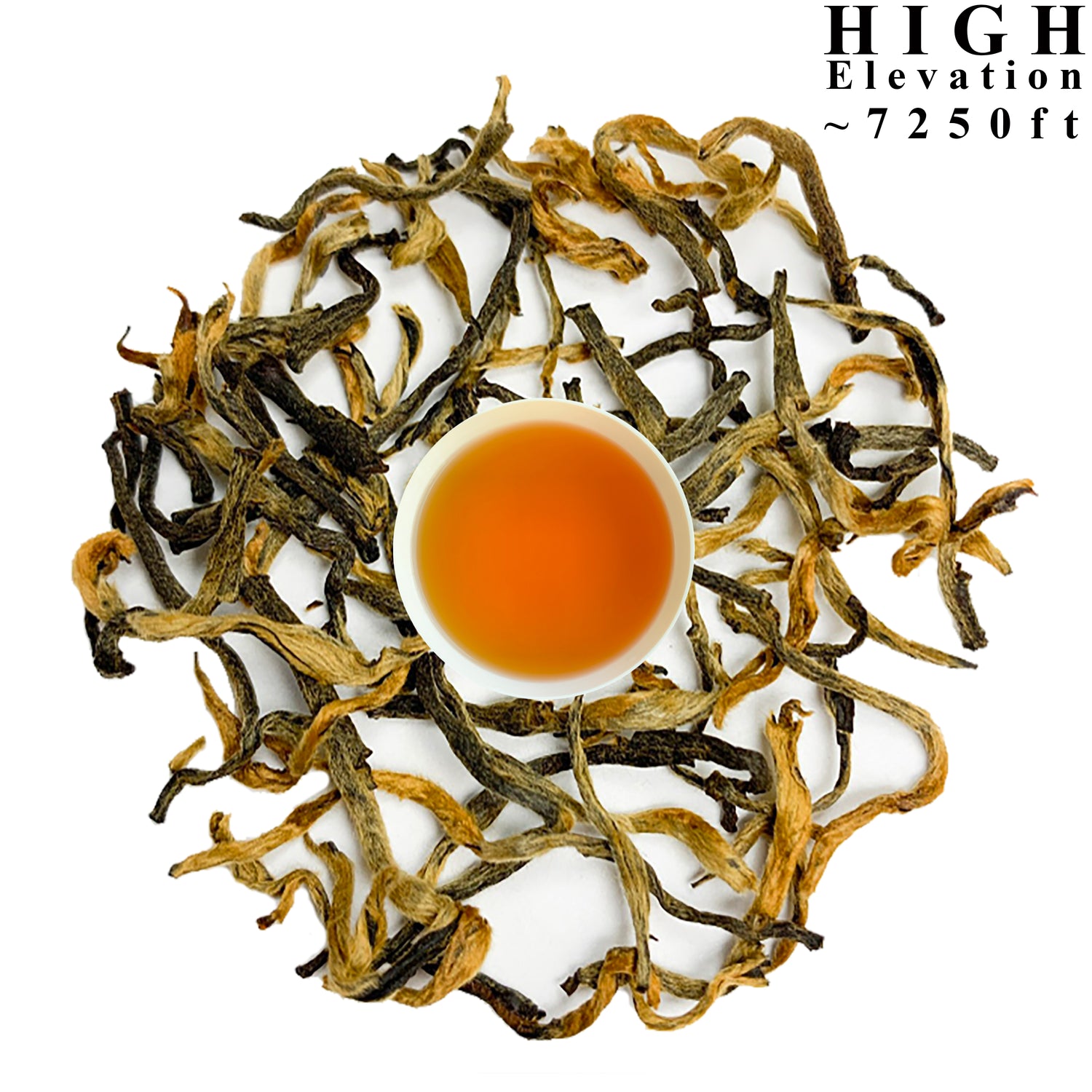
If you want a reliable, everyday cup that balances flavor and comfort, a classic black loose‑leaf from Danfe Tea — like 01° Ilam Loose Leaf Black Tea — makes a great “daily go-to.”
Let’s just say: tea is basically the social media of drinks — it keeps people connected, across time and across cultures.
The Fascinating History of Tea Around the World
Tea’s story reads like an epic adventure — starting in ancient times, crossing deserts and seas, influencing economies, culture, and even revolutions.
Legend says tea was discovered in China around 2737 BC, when leaves from a wild tea tree accidentally blew into a pot of boiling water. A lucky accident, indeed. Statista+1
From China, tea culture spread to Japan, Southeast Asia, then to India, and eventually into Europe. Each region embraced tea and adapted it — leading to the rich variety we enjoy today. European merchants, explorers, and colonizers carried tea across continents, turning it into a global commodity and shaping entire economies and lifestyles.
Tea’s journey wasn’t just about trade — it was about transformation. With each new land came a new way to brew, drink, and appreciate tea.
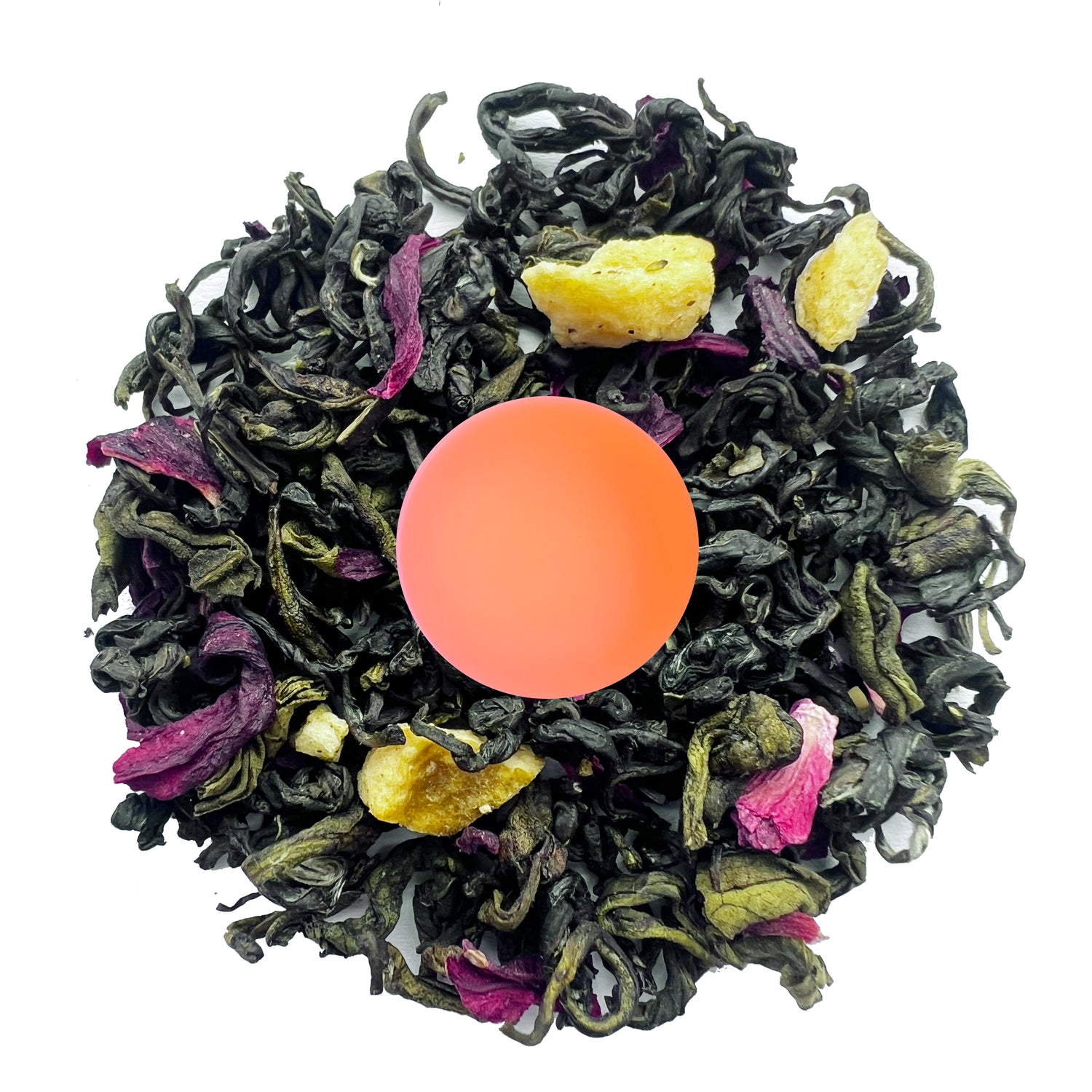
It’s no wonder certain teas became iconic in different regions. If you’re curious about historical teas with a modern twist — try 22° Nepal Jasmine Green Tea for a green tea that carries subtle aroma and centuries of tea heritage.
Surprising Facts About Green Tea
Ah, green tea. Light, fresh, often praised as the “healthy” choice. But there’s more than meets the eye (or taste buds).
- Packed with antioxidants. Green tea contains high levels of polyphenols (like catechins), which are powerful antioxidants — helping your body fight oxidative stress and support overall well‑being. Many Himalayan green teas offer especially robust antioxidant profiles because of their growing conditions. Danfe Tea
- Gentle caffeine + calming amino acids. Unlike strong coffee jolts, green tea often delivers mild, steady alertness — partly thanks to L‑theanine, an amino acid that promotes calm focus. High-altitude teas tend to balance flavor and these beneficial compounds especially well. Danfe Tea
-
Flavor nuance varies widely. Depending on where and how the tea is grown — altitude, soil, processing — green tea tastes can range from grassy and vegetal to floral and slightly sweet or nutty.
If you’re discovering green tea (or returning after a break), a smooth organic option like 11° Mt. Pumori Best Green Tea might be a great place to start — light, clean, and naturally grown.
10 Things You Didn’t Know About Black Tea
Black tea gets a bad rap sometimes (too strong! too caffeinated! too bitter!) — but there’s a lot more beneath its dark, bold surface. Let’s unravel 10 lesser-known facts:
- Black tea dominates global tea consumption. Around the world, black tea remains the most consumed type of tea. Gitnux
- It’s all about oxidation. The robust flavor of black tea comes from fully oxidized leaves — a process that transforms green leaves into deep amber brews with richer aromas.
- Cultural chameleon. From British breakfast teas to South Asian chai to Moroccan mint tea, black tea adapts to countless regional styles.
- Flavor depth can rival wine. Depending on origin and processing, black tea can carry notes of malt, caramel, cocoa, dried fruit, floral hints — and everything in between.
- Built for strength — but brewed with care. Too-hot water or over-steeping can bring bitterness; proper brewing reveals smoothness, depth, and complexity.
- Energy + comfort. With more caffeine than many green teas but less than coffee, black tea gives a gentle boost — perfect for mornings or mid‑day energy with grace.
- A global sleeper — yet ancient roots. Black tea’s rise in global popularity came after centuries of green/white teas dominating in early tea cultures.
- Pairs well with anything. Milk, lemon, spices, herbs — black tea welcomes it all, which is why chai, Earl Grey, milk tea, and countless blends exist.
- Good for your heart (with moderation). Some studies link regular black tea consumption to cardiovascular benefits and reduced mortality risk. TIME
-
Not all black teas are equal. Fine loose-leaf black teas (especially from high-altitude or specialty gardens) can be worlds apart from mass‑produced bag teas — in flavor, aroma, and overall quality.
If you want a black tea that showcases what “premium black tea” really means, give 14° Mt. Pumori Organic Black Tea a try — rich, smooth, and full‑bodied without harsh bitterness.
What Makes Nepalese Tea Special?
Now, as someone (or soon-to-be someone) sipping tea in Kathmandu, this part might hit close to home. Because teas grown in Nepal — especially from Himalayan regions — bring together nature, tradition and quality in a way that’s rare and special.
High altitude, unique flavor
Many of Nepal’s finest teas come from high-elevation regions (around 3,000–7,000 feet / 900–2,100 meters), where cool mountain air, misty mornings and rich Himalayan soil slow down plant growth. This slower growth forces the tea bushes to work harder — and that stress results in deeper, more complex flavors. Wikipedia
That means teas with nuanced flavor: floral, fruity, sometimes malty or even slightly sweet — layers of taste that mass-produced lowland teas rarely match.
Hand‑crafted by small‑scale farmers
Unlike industrial plantations where machines handle most of the work, many Nepali teas are hand‑picked by small farms and processed in small batches. This artisanal approach preserves leaf integrity, maintaining aroma, essential oils, and subtle flavor that get lost in mass processing.
Organic & sustainable by nature
Because of the remote, mountainous terrain and relatively low pest pressure, many Nepali tea gardens don’t rely on heavy chemicals. Many teas are grown using organic or near-organic practices — meaning your cup is cleaner, smoother, and more natural. =
So if you want a tea that’s more than just a drink — a tea that carries the mountains, the mist, and the hands of caring farmers — try 28° Shangri‑La Golden Tips Tea or 27° Himalayas Best Oolong Tea. These teas reflect Nepal’s terroir, tradition, and subtle craft.
Loose Leaf vs Tea Bags: What’s the Real Difference?
If you’ve mostly used tea bags, you might think — why bother with loose leaf? Fair question. But there’s a reason many tea lovers swear by loose leaf.
Loose‑leaf tea — especially whole‑leaf or bud teas — preserves the leaf’s natural shape, essential oils, and slow‑release flavor potential. When leaves are allowed to move freely in water (gaiwan, teapot, infuser), they unfurl, release aroma, and develop a richer, more layered cup.
Tea bags, on the other hand, often contain broken leaves, fannings, or tea dust. That means they infuse quickly — but sometimes overly so — which can produce a weaker, flatter flavor or even bitterness. For some teas, especially premium ones, bags just don’t do justice.
If you want to explore the loose‑leaf experience, 09° Signature Golden Tips Tea from Danfe Tea is a fine entry — premium buds, great aroma, and the depth that only whole‑leaf teas can offer.
FAQs
Q1: Does green tea really boost metabolism?
Yes — many studies show green tea’s polyphenols and mild caffeine can help support metabolism and antioxidant defense. Himalayan green teas, with their rich phytochemical profile, may offer especially good benefits.
Q2: Why is Nepalese tea considered premium compared to mass‑market teas?
Because of its high-altitude origin, slow leaf growth, organic & small-batch processing, and the naturally favorable Himalayan terroir. These factors combine to deliver complex flavor, pure aroma, and sustainable practices.
Q3: Is loose‑leaf tea always better than tea bags?
Not always — but often yes, especially when it comes to quality, flavor depth, and re‑infusion potential. Loose leaf gives the leaves room to breathe and unfold, preserving their natural oils and offering a richer cup.
Q4: How much tea should I drink daily?
Moderation is key. Many tea lovers enjoy 2–4 cups per day. Listen to your body: tea offers great benefits, but hydration, sleep, and balance matter too.
Q5: Can black tea be part of a healthy diet?
Absolutely. Black tea offers antioxidants, a gentle energy boost, and potential cardiovascular benefits — especially when consumed without excessive sugar and as part of a balanced diet.
Curious to taste the difference yourself? Explore our full Danfe Tea collection and discover the perfect brew for your mood — whether you want a light green tea for calm focus or a robust Himalayan black tea for cozy mornings.
Sip slowly, savor deeply — and enjoy the journey.