
Best Time to Drink Moringa Tea: Morning, Afternoon, or Night?
Moringa can be sold as tea, powder, capsules or concentrated extracts. This guide focuses specifically on loose-leaf moringa tea, which is made by steeping dried Moringa oleifera leaves in hot water.
Pure moringa tea is naturally caffeine-free, so it is not restricted to the morning in the way coffee, black tea or green tea may be. It can fit into a morning breakfast routine, an afternoon caffeine-free break or an evening ritual.
What Is the Best Time to Take Moringa?
There is no clinically proven best time to take moringa tea; the most practical time is the one that fits your routine and feels comfortable for your body.
Choose morning when you want a caffeine-free replacement for coffee or prefer herbal tea with breakfast. Choose evening when you want a warm, non-caffeinated drink after dinner.
Moringa tea has not been proven to produce more energy in the morning, improve sleep at night or become more effective because of a particular circadian “nutrient window.”
Morning vs. Night Moringa: Quick Benefits Summary
These are practical beverage benefits—not guaranteed medical outcomes.
Morning Moringa Tea
- Provides a warm morning ritual without natural caffeine
- Can be served alongside breakfast
- May help replace a second coffee or sugary morning beverage
- Pairs well with lemon, ginger or a light meal
- Works hot or prepared as an overnight cold brew
- Does not create a stimulant effect like coffee
Nighttime Moringa Tea
- Naturally caffeine-free when made only from moringa leaves
- Can be part of a quiet after-dinner routine
- Provides a warm alternative to caffeinated tea
- Pairs well with ginger or a small amount of honey
- May not suit people who avoid liquids near bedtime
- Has not been proven to treat insomnia or improve sleep
Does the Time of Day Change Moringa’s Effects?
Current human research does not establish that moringa produces different clinical effects when consumed in the morning rather than at night.
Research involving moringa has used many different forms:
- Whole-leaf powder
- Capsules
- Aqueous preparations
- Standardized supplements
- Concentrated extracts
- Fresh leaves consumed as food
These preparations are not interchangeable with an ordinary loose-leaf infusion. The amount of nutrients and plant compounds transferred into a cup varies with the leaves, serving size, temperature and steeping time.
Research conclusion: reviews describe moringa as an interesting food and botanical, but clinical evidence remains limited, inconsistent or low-certainty. No established morning or nighttime dosage has been shown to improve absorption, metabolism, energy or sleep.
Is Morning the Best Time to Take Moringa?
Morning is a convenient option, but not because moringa has been proven to work better during a morning cortisol or metabolism window.
Morning moringa tea may suit you when:
- You want a naturally caffeine-free morning beverage.
- You are reducing coffee or energy-drink consumption.
- You enjoy herbal tea with breakfast.
- Your evening fluid intake disrupts sleep.
- You are more likely to maintain a morning habit.
- You prefer lemon or ginger with an earthy herbal tea.
Does Moringa Tea Give You Energy?
Moringa tea does not contain caffeine and should not create the immediate stimulant effect associated with coffee or traditional tea.
Moringa leaves naturally contain nutrients and plant compounds, but the nutrient amount in a brewed cup can differ substantially from whole-leaf powder or food portions.
It is therefore more accurate to describe morning moringa tea as a caffeine-free beverage choice rather than a clinically proven energy booster.
Moringa Tea vs. Coffee in the Morning
| Feature | Moringa Tea | Coffee |
|---|---|---|
| Caffeine | Naturally caffeine-free when pure | Contains natural caffeine |
| Immediate alertness | No expected stimulant effect | Caffeine can temporarily increase alertness |
| Flavor | Earthy, vegetal and mildly herbal | Roasted, bitter, fruity, nutty or chocolate-like |
| Sleep considerations | No natural caffeine | May disrupt sleep when consumed too late |
| Best suited to | People wanting a non-stimulating morning drink | People seeking a stronger caffeine effect |
Moringa tea is not a caffeine-free version of coffee. It provides a different taste and experience rather than the same stimulant effect.
Is Afternoon a Good Time to Drink Moringa Tea?
Afternoon may be the most practical choice for someone trying to reduce late-day caffeine.
Consider afternoon moringa tea when:
- You usually reach for a second coffee.
- You want an unsweetened herbal drink.
- You enjoy iced tea during warmer weather.
- You want a caffeine-free break during work.
- You do not want a large drink close to bedtime.
An afternoon cup has not been proven to prevent an energy slump. It may, however, replace a highly sweetened or caffeinated drink as part of your personal routine.
Can You Drink Moringa Tea at Night?
Yes. Pure moringa tea is naturally caffeine-free and can be consumed in the evening.
This makes it different from black, green, white and oolong tea, all of which naturally contain caffeine.
Nighttime moringa may suit people who:
- Want a warm caffeine-free beverage
- Prefer herbal tea after dinner
- Enjoy a more earthy alternative to chamomile
- Have rushed morning routines
- Want to reduce late-night caffeinated drinks
Does Moringa Tea Help You Sleep?
Moringa tea has not been clinically established as a sleep aid or insomnia treatment.
Although moringa leaves contain amino acids and minerals, that does not prove an ordinary infusion delivers a dose that improves melatonin production, muscle relaxation or sleep quality.
Its clearest nighttime advantage is simply that it contains no natural caffeine.
Practical nighttime consideration: any beverage consumed immediately before bed may increase nighttime urination. People with reflux may also prefer to finish tea earlier in the evening.
Can You Take Moringa Tea on an Empty Stomach?
Some people tolerate moringa tea before breakfast, but there is no proven requirement to consume it on an empty stomach.
Drinking it without food does not have an established advantage for:
- Nutrient absorption
- Weight loss
- Blood-sugar control
- “Detoxification”
- Energy
- Liver function
When moringa tea causes nausea, cramping, reflux or another digestive symptom, try:
- Drinking it with breakfast
- Using fewer leaves
- Making a smaller serving
- Steeping for less time
- Stopping use if symptoms continue
Should You Drink Moringa Tea Before or After Meals?
There is no clinically established before-meal or after-meal timing for ordinary moringa tea.
Drinking it with or after food may be more comfortable for people with sensitive stomachs.
Moringa has been researched for blood glucose and other cardiometabolic outcomes, but results remain mixed, and studies often use supplements, powders or extracts rather than commercially brewed tea.
Medication reminder: people using medication for diabetes or blood pressure should discuss regular moringa use with a qualified healthcare professional rather than changing medication or meal timing based on tea.
Best Time to Drink Moringa Tea by Practical Goal
| Your Practical Goal | Suggested Time | Reason |
|---|---|---|
| Replace morning coffee | With breakfast | Provides a warm ritual without natural caffeine |
| Reduce afternoon caffeine | Early or mid-afternoon | Can replace another coffee or caffeinated tea |
| Enjoy caffeine-free iced tea | Afternoon | Works hot, chilled or cold brewed |
| Avoid drinking near bedtime | Morning or afternoon | May reduce nighttime urination |
| Build an evening ritual | After dinner or early evening | Pure moringa contains no natural caffeine |
| Reduce stomach discomfort | With or after food | May be more comfortable than empty-stomach use |
| Create a consistent habit | Any convenient time | A realistic routine is easier to maintain |
This chart provides practical beverage guidance, not treatment timing or a medical dosage schedule.
How Often Can You Drink Moringa Tea?
There is no universally established clinical dose for loose-leaf moringa tea.
Danfe Tea’s product guidance notes that many tea drinkers enjoy one or two cups as part of a general routine. A cautious approach is:
- Begin with one cup.
- Use the suggested leaf amount.
- Observe your digestive response.
- Do not assume that more tea creates greater benefits.
- Discuss regular use with a clinician when you take medication.
Tea, whole-leaf powder, capsules and extracts may deliver very different quantities and should not share the same dosage advice.
How to Brew Loose-Leaf Moringa Tea
Measure the Leaves
Start with approximately one to two teaspoons of loose moringa leaves per eight-ounce cup.
Heat Fresh Water
Use freshly heated filtered water. Let a vigorous boil settle briefly before pouring.
Pour and Cover
Pour the water over the leaves and cover the cup to retain the herbal aroma.
Steep for Five to Seven Minutes
Start at five minutes for a lighter cup and extend carefully for greater earthy depth.
Strain Completely
Remove the leaves so they do not continue extracting and produce excessive herbal bitterness.
Personalize the Cup
Try lemon, ginger or a small amount of honey after tasting the plain infusion.
Follow the Danfe Method by adjusting one variable at a time until the flavor suits you.

One leaf. No stimulants. Any time of day.
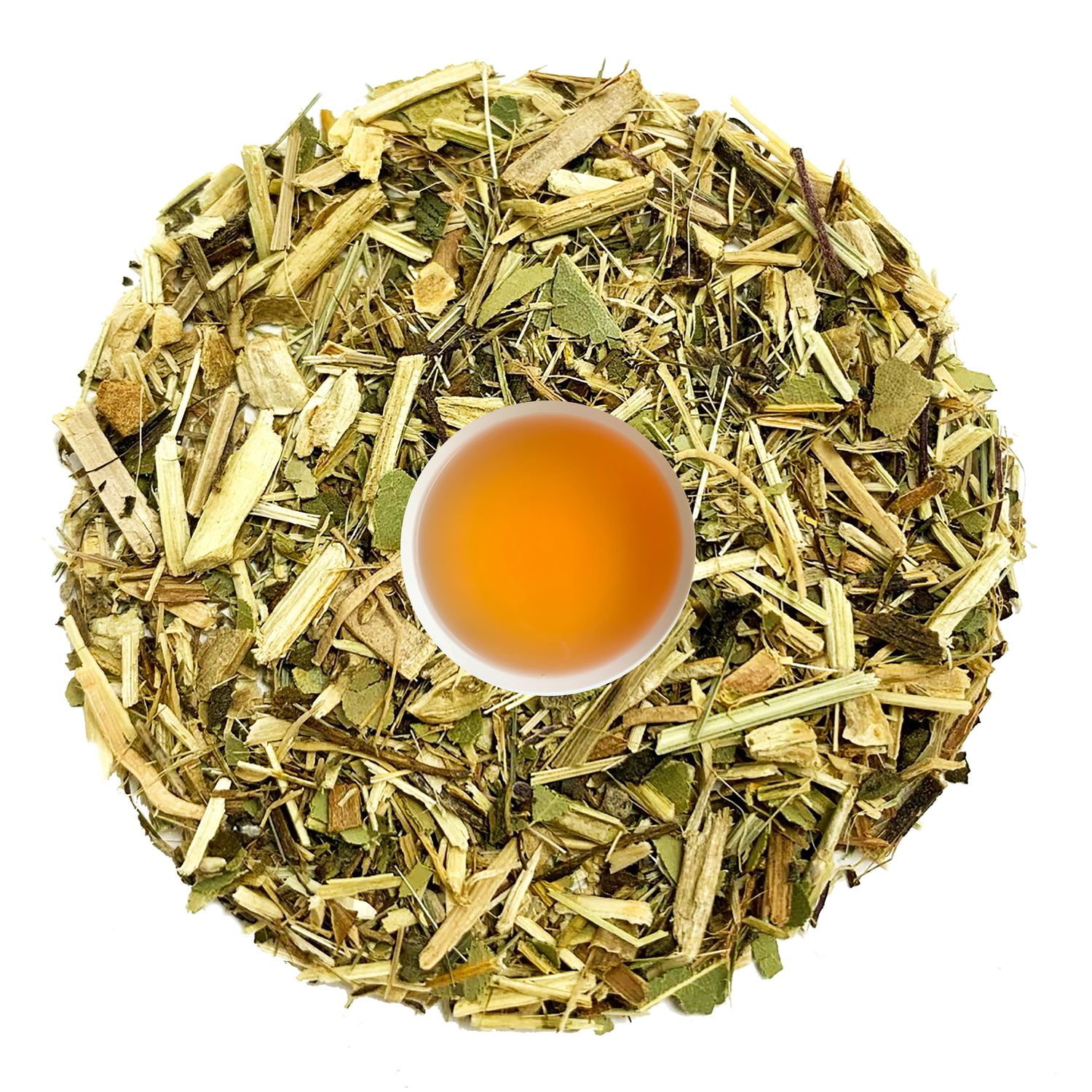
93° Himalayan Moringa Tea
Carefully dried whole moringa leaves from the Himalayan foothills create a smooth, earthy herbal cup with light vegetal character and no natural caffeine.
- Whole loose-leaf moringa tea
- Naturally caffeine-free
- No black or green tea added
- High-elevation Himalayan sourcing
- Suitable for hot or iced preparation
- Suggested steeping time of five to seven minutes
- Available in personal and bulk sizes
- One-time and subscription purchase options
Best for: shoppers looking to buy moringa tea online, replace a caffeinated evening tea or explore a pure whole-leaf herbal infusion.
This product is a beverage and has not been proven to treat fatigue, diabetes, high blood pressure, insomnia, digestive disease or another medical condition.
How to Choose the Best Moringa Tea Online
When deciding where to buy moringa tea online, evaluate the product itself rather than choosing by the strongest wellness promise.
Look for:
- A clear ingredient list: pure moringa should list only moringa leaves.
- Whole or recognizable leaves: rather than unidentified herbal dust.
- Caffeine clarity: confirm that no green or black tea has been added.
- Origin information: country and sourcing region when available.
- A realistic flavor description: earthy, vegetal and mildly herbal.
- Useful brewing guidance: leaf amount and steeping time.
- Protective packaging: keeping the leaves away from moisture, heat and strong odors.
- Reasonable claims: avoid products promising detoxification, rapid weight loss or disease treatment.
- Purchase flexibility: one-time, bulk or moringa tea subscription options.
Commercial phrases used naturally in this guide include:
- Buy moringa tea online
- Best loose-leaf moringa tea
- Premium Himalayan moringa tea
- Caffeine-free moringa tea
- Whole-leaf moringa tea
- Moringa tea for morning or night
- Moringa tea subscription
- Caffeine-free herbal tea collection
These keywords support real product selection rather than being repeated throughout medical or research discussions.
Moringa Tea Safety and Precautions
Moringa leaves are consumed as food in several regions, but long-term human research on concentrated or regular supplemental use remains limited.
Seek individualized guidance when you:
- Are pregnant or trying to become pregnant
- Are breastfeeding
- Take blood-pressure medication
- Take diabetes medication
- Take anticoagulants or other prescription medicines
- Have kidney, liver or digestive disease
- Have been advised to restrict fluids
Stop use and seek appropriate care for a serious allergic reaction or unusual symptoms.
Use the correct plant part. This guide and the recommended Danfe product concern dried moringa leaves. Roots, bark, seeds, extracts and concentrated supplements have different compositions and should not be treated as equivalent to brewed leaf tea.
Frequently Asked Questions
What is the best time to take moringa?
There is no clinically proven best time. Morning is practical for a caffeine-free breakfast drink, while evening works for a non-caffeinated tea ritual.
Should I take moringa in the morning or at night?
Choose morning when replacing coffee or when evening liquids disrupt sleep. Choose evening when you prefer herbal tea after dinner.
Is moringa tea naturally caffeine-free?
Yes. Pure moringa leaf tea naturally contains no caffeine. Blends may contain caffeine when green or black tea is added.
Does moringa tea give you energy?
Moringa tea has no caffeine and should not create an immediate stimulant effect. It has not been proven to treat fatigue.
Can you drink moringa tea before bed?
Yes. Pure moringa tea contains no natural caffeine. It has not been clinically proven to improve sleep or treat insomnia.
Will moringa tea keep me awake?
It contains no natural caffeine. Other factors, including drinking a large amount of fluid immediately before bed, can still affect sleep.
Can I drink moringa tea on an empty stomach?
Some people can, but no special advantage has been established. Drink it with food if empty-stomach use causes discomfort.
Should I drink moringa tea before or after meals?
There is no clinically established meal timing. With or after food may be more comfortable for sensitive stomachs.
What is the best time to take moringa for weight loss?
No time of day has been proven to make moringa tea cause weight loss. It should not be marketed as a weight-loss treatment.
What is the best time to take moringa for blood sugar?
No established tea timing exists for blood-sugar treatment. People using diabetes medication should seek professional guidance.
Can I drink moringa tea twice a day?
Some tea drinkers enjoy one or two cups. Begin with one cup and consider medication, health conditions and personal tolerance.
How long does moringa take to work?
There is no proven timeline for energy, digestion, weight loss or other outcomes from brewed moringa tea.
Does morning moringa work better than nighttime moringa?
No human clinical evidence establishes morning as superior. The best choice depends on caffeine preferences, stomach comfort and routine.
How long should moringa tea steep?
Danfe Tea recommends approximately five to seven minutes using one to two teaspoons per cup.
Where can I buy loose-leaf moringa tea?
Danfe Tea offers 93° Himalayan Moringa Tea , a caffeine-free whole-leaf herbal tisane sourced from the Himalayan foothills.
Can I subscribe to moringa tea deliveries?
The current product page offers one-time and recurring monthly subscription options. Review the page for current sizes, pricing and terms.
Key Takeaways
- There is no clinically proven best time to take moringa tea.
- Pure moringa leaf tea is naturally caffeine-free.
- Morning works well for a caffeine-free breakfast ritual.
- Afternoon moringa can replace another caffeinated drink.
- Evening moringa does not contain natural caffeine.
- Moringa tea is not a proven sleep aid.
- Empty-stomach use has no established advantage.
- Drink it with food when that feels more comfortable.
- Tea, powder, capsules and extracts are not equivalent.
- Human research remains limited and inconsistent.
- No reliable results timeline has been established.
- Begin with a moderate serving and consider medication interactions.
Morning, afternoon or night
Make Moringa Fit Your Routine
Discover pure whole-leaf Himalayan moringa with an earthy, smooth flavor and no natural caffeine—ready for breakfast, iced afternoons or a quiet evening cup.
Continue Exploring Moringa
Research and Safety Sources
- PubMed: Moringa Supplementation and Cardiometabolic Outcomes
- PubMed: 2026 Moringa Meta-Analysis
- PubMed: Moringa Uses, Pharmacology and Toxicity Review
- PubMed: Moringa and Blood Glucose Evidence Review
- NCBI LactMed: Moringa and Breastfeeding
This article is provided for educational purposes and is not medical advice. Moringa tea and Danfe Tea products are foods and beverages and are not intended to diagnose, treat, cure, mitigate or prevent fatigue, diabetes, hypertension, insomnia, digestive disorders, obesity or any disease. Research involving powders, capsules, extracts or isolated compounds should not be assumed to apply to ordinary brewed tea. Consult a qualified healthcare professional about pregnancy, breastfeeding, medication use or ongoing medical conditions.