
The Ultimate Guide to Moringa Tea: Benefits, Taste, Brewing, and More
Moringa tea has become one of the most talked-about caffeine-free herbal teas in the US wellness market, and for good reason. Made from the dried leaves of the Moringa oleifera tree, it offers a mild, earthy flavor and a nutrient-rich profile that sets it apart from most herbal infusions. If you have been curious about what moringa tea actually tastes like, how to brew it properly, or whether it belongs in your daily routine, this guide covers everything you need to know.
At Danfe Tea, a US-based specialist in high-altitude Nepalese teas and Himalayan herbal blends, moringa has earned a place alongside our core collection as a clean, caffeine-free option for those who want something nourishing beyond traditional tea. Unlike the Darjeeling or Assam blends many people are familiar with, moringa is not derived from the Camellia sinensis plant at all. It is its own category entirely, and it deserves a thorough introduction.
What Is Moringa Tea and Where Does It Come From?
Moringa tea is an herbal infusion brewed from the dried leaves of the Moringa oleifera tree, a fast-growing plant native to the foothills of the Himalayas and parts of South Asia, Africa, and Central America. It is sometimes called the "drumstick tree" or the "miracle tree" in traditional botanical literature, largely because nearly every part of the plant has been used in traditional food and wellness practices for centuries.
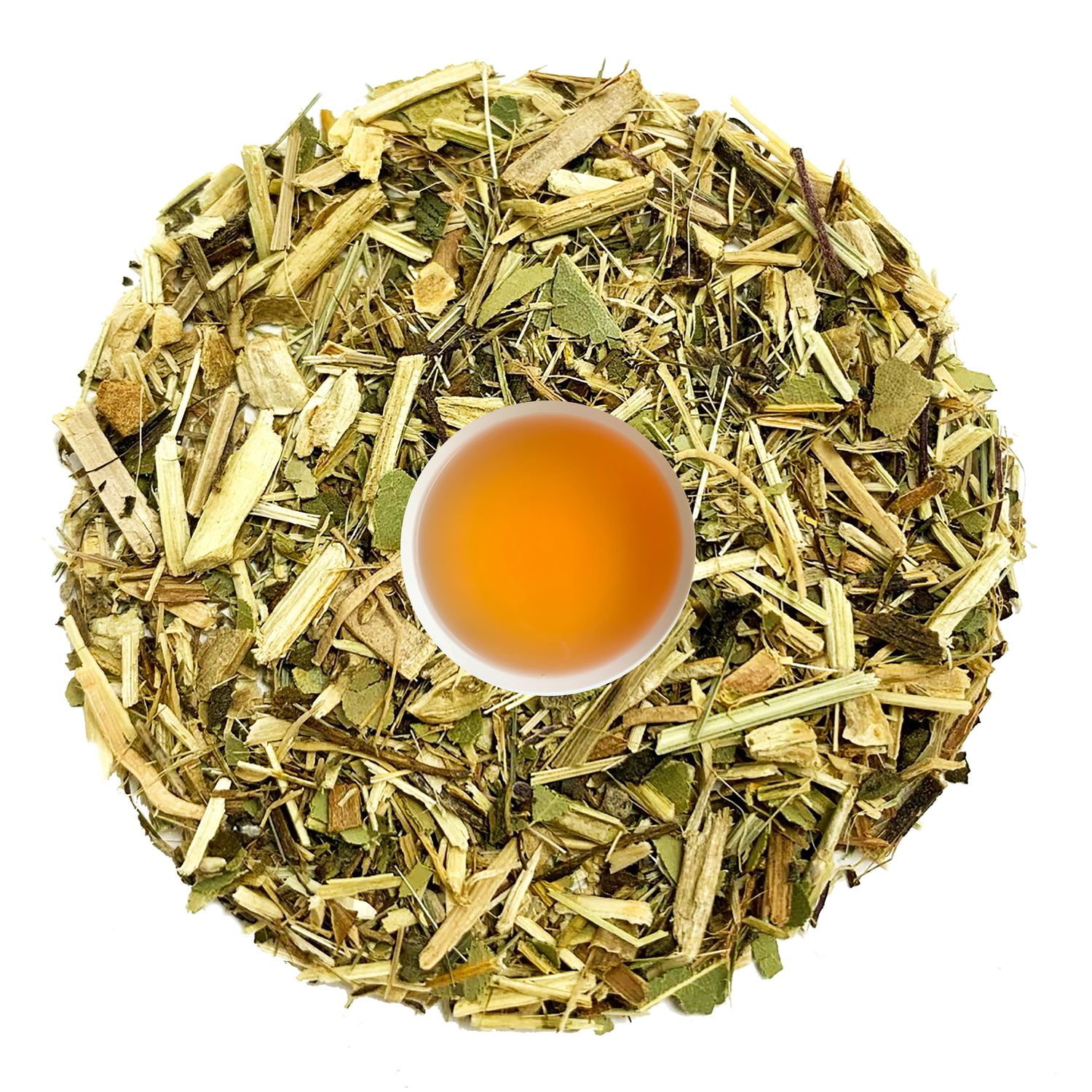
The leaves are the part most commonly used for tea. When dried and steeped, they produce a light yellow-green infusion with a mild, clean flavor. Moringa does not belong to the same plant family as green, white, or black tea, which all come from Camellia sinensis. This distinction matters for one practical reason: moringa tea contains no caffeine, which opens it up to people who want the ritual of drinking tea without any stimulant effect.
Danfe Tea sources its moringa from producers aligned with the same values that define our Himalayan tea collection: clean growing conditions, minimal processing, and full traceability back to smallholder farmers in Nepal and the surrounding Himalayan region.
What Does Moringa Tea Taste Like?
This is the question most people ask first, and it deserves an honest answer. Moringa tea is mild, earthy, and faintly grassy. The flavor is gentle enough that most people find it approachable on the first cup. It does not have the sharp, bitter edge of matcha, the tartness of hibiscus, or the menthol brightness of spearmint. It sits somewhere between a light green tea and a freshly dried herb, with a clean finish.
Some people describe a faint nuttiness in the aftertaste, particularly when the leaves are brewed at a lower temperature with a shorter steep time. If you brew it too hot or steep it too long, the flavor can shift toward slightly more bitter and vegetal territory. This is why brewing temperature and time matter more for moringa than people initially expect.
Compared to Darjeeling, which carries floral and muscatel notes, or Assam, which is bold and malty, moringa is a quieter cup. It rewards the kind of attention that high-altitude Himalayan teas teach you to bring to each brew.
What Are the Wellness Benefits of Moringa Tea?
Moringa leaves have been studied extensively in nutritional research and have a long record of traditional use in Ayurvedic and South Asian wellness practices. When brewed as a tea, the leaves release a portion of their naturally occurring plant compounds into the water. The result is a light infusion that many people incorporate into their daily wellness routine.
Some of the most commonly discussed properties of moringa include its naturally high levels of antioxidants, including quercetin and chlorogenic acid. Moringa leaves also contain notable amounts of vitamins A, C, and E in their whole-leaf form, along with calcium, potassium, and iron. It is worth noting that brewing extracts only a portion of these compounds, while eating the leaves whole or using moringa powder retains more of the full nutritional content.
From a wellness perspective, moringa tea is traditionally enjoyed for its potential to support energy without caffeine, its gentle digestive comfort, and its role as a hydrating, nourishing daily ritual. Danfe Tea's caffeine-free herbal tea collection features moringa as a clean, straightforward option for those looking to build a calmer, more intentional tea habit.
Q: Is moringa tea good for daily wellness?
A: Moringa tea is naturally caffeine-free and traditionally enjoyed as part of a daily wellness routine. Teas like Danfe Tea's moringa loose leaf may support general wellness when consumed as part of a balanced lifestyle, though individual experiences vary and these statements have not been evaluated by the FDA.
How to Brew Moringa Tea: The Danfe Method
Most brewing guides hand you a single set of instructions and leave it at that. At Danfe Tea, we take a different approach. The Danfe Method is a four-pillar brewing framework built around one principle: your perfect cup of tea is not the same as anyone else's. It teaches you to understand the three variables that control every cup, which are time, temperature, and the amount of leaf, and then adjust them one at a time until you find exactly what you enjoy.
Moringa is an ideal tea to apply the Danfe Method to because it is naturally low in tannins. That means it is forgiving. Small mistakes in temperature or steeping time will not ruin the cup the way they might with a tannic Assam or a delicate green tea. You get clear feedback without harsh consequences, which is exactly what good learning requires.
Moringa Tea Brewing Parameters (Starting Point)
| Variable | Recommended Starting Point | Adjust If |
|---|---|---|
| Water Temperature | 175 to 185 F (80 to 85 C) | Too bitter: lower the temperature |
| Steep Time | 3 to 5 minutes | Too flat: extend by 30 seconds |
| Leaf Amount | 1 teaspoon per 8 oz cup | Too weak: add a little more leaf |
| Water Quality | Filtered water preferred | Chlorinated tap water can mute flavor |
The key rule of the Danfe Method applies here: change only one variable at a time. If your first cup is too bitter, reduce the temperature before you try anything else. If it is too weak, increase the steep time before changing the leaf amount. This approach gives you real information you can use again with every cup.
For a deeper look at how this framework applies to any tea you drink, read The Danfe Method: A Universal Framework for Brewing Any Tea.
When Is the Best Time to Drink Moringa Tea?
Because moringa contains no caffeine, it does not carry the timing constraints that apply to black or green tea. You can drink it at any point in the day without worrying about affecting your sleep. That said, different times of day bring out different benefits of the ritual.
Morning Energy
Start your day with moringa as a caffeine-free alternative to tea or coffee. Its earthy flavor pairs well with morning routines and supports a calm, focused start.
Focus and Productivity
A mid-morning or early afternoon cup of moringa offers hydration and a natural pause in your day without the caffeine jitter that can interrupt focused work.
Iced Tea and Hydration
Brew a stronger batch, let it cool, and pour over ice. Moringa makes a clean, lightly flavored iced tea that is a refreshing alternative to sugary drinks.
Evening Calm
With no caffeine to keep you awake, moringa is one of the few herbal teas you can enjoy at night without any concern. A warm cup in the evening is a simple and grounding ritual.
Gentle Digestion
Many people traditionally enjoy moringa after meals as part of a digestion-supporting routine. Its mild flavor makes it easy to drink even on a full stomach. Danfe Tea's caffeine-free herbal teas are well suited for this purpose.
How Does Moringa Tea Compare to Other Herbal Teas?
Moringa occupies a distinct space in the herbal tea world. Compared to hibiscus, which is tart and deeply colored, moringa is mild and light-bodied. Compared to spearmint, which has a bright, cooling edge, moringa is earthy and grounded. And compared to chamomile, which is floral and often associated specifically with sleep, moringa has a broader range of daily applications because of its nutritional profile.
If you have been exploring whole flower hibiscus tea for its bold flavor and naturally vibrant color, moringa gives you a complementary option on the quieter end of the spectrum. If you have been reading about spearmint tea and the rise of caffeine-free herbal teas, moringa belongs in the same growing category of intentional, wellness-oriented daily tea choices.
Start your tea ritual with these customer favorites
Shop Caffeine-Free Herbal Teas Explore Full CollectionIs Organic Moringa Tea Worth It?
For moringa specifically, the quality of the source matters quite a bit. Moringa leaves are highly absorbent during growth, which means that plants grown with synthetic pesticides or in contaminated soil carry those residues into the leaf. When you steep those leaves in hot water, you are extracting more than just plant compounds.
Organic certification, particularly USDA-certified organic, gives you verified assurance that the leaves were grown without synthetic chemicals. Danfe Tea's moringa is sourced with that same commitment to transparency that defines our Himalayan tea offering. Our USDA Certified Organic loose teas represent the cleaner, more intentional side of what we carry.
Beyond certification, organic moringa tends to taste better. A cleaner growing process tends to produce leaves with a purer flavor and fewer off-notes. If you have tried moringa before and found the taste too strong or slightly off, the source and growing method may have been the issue.
Sourcing and Ethics: Where Danfe Tea's Moringa Comes From
Danfe Tea was built on the belief that the story behind a tea matters as much as what is in the cup. Our core collection is sourced directly from smallholder farmers in Nepal and the broader Himalayan region, with full traceability through our relationship with Nepal Tea Exchange, a platform dedicated to connecting specialty Himalayan teas with the US market.
Our moringa follows the same sourcing principles: clean growing conditions, transparent supply chains, and a commitment to fair relationships with the farmers who produce what ends up in your cup. When you choose Danfe Tea, you are not just choosing a flavor. You are choosing a supply chain built on accountability.
Frequently Asked Questions About Moringa Tea
What does moringa tea taste like?
Moringa tea has a mild, earthy, and slightly grassy flavor. It is gentler than matcha and less vegetal than raw moringa powder. Some people notice a faint nuttiness or a clean finish similar to a light green tea.
Does moringa tea have caffeine?
No. Moringa tea is naturally caffeine-free. It is made from the dried leaves of the Moringa oleifera tree, not from the Camellia sinensis plant, which means it contains no caffeine at all.
How do you brew moringa tea the right way?
Use water heated to around 175 to 185 F. Steep one teaspoon of loose moringa leaves for three to five minutes. Avoid boiling water, which can make the flavor more bitter. Apply the Danfe Method: change only one variable at a time until you find your ideal cup.
Can you drink moringa tea at night?
Yes. Because moringa tea contains no caffeine, it is a suitable evening tea. It works well as a calming, nourishing alternative to caffeinated teas when you want the ritual of a warm cup without any stimulant effect.
What is the difference between moringa tea and moringa powder?
Moringa powder is more concentrated in flavor and nutrients and is typically mixed into smoothies or food. Moringa tea, brewed from dried leaves, delivers a milder taste and is a gentler, more approachable way to enjoy moringa as a daily drink.
Is moringa tea good for you?
Moringa tea is traditionally enjoyed for its potential wellness properties including general energy support and digestive comfort. It is naturally caffeine-free and contains plant antioxidants. These benefits are based on traditional use and general wellness research and are not evaluated by the FDA. Individual experiences vary.
Conclusion: Is Moringa Tea Right for You?
Moringa tea is not a dramatic cup. It does not hit you with the tartness of hibiscus, the cooling freshness of spearmint, or the muscatel depth of a high-altitude Darjeeling. What it offers instead is consistency: a mild, nourishing, caffeine-free herbal tea that works at any time of day and fits into almost any wellness routine without friction.
If you are building a tea collection that covers different moods, times of day, and wellness needs, moringa belongs in it. It complements the bold and the bright. It earns its place through reliability and through the depth of its nutritional tradition, even if none of that shows up loudly in the cup.
At Danfe Tea, we bring the same care to our herbal collection that we bring to our high-altitude Nepalese teas: clean sourcing, full traceability, and a commitment to teas that are genuinely worth drinking. Moringa is one of them.
Not sure where to start?
Explore All Himalayan TeasWellness Disclaimer: The potential wellness benefits mentioned in this article are based on traditional use, publicly available research, and general wellness sources. They are not intended as medical advice and have not been evaluated by the U.S. Food and Drug Administration. Moringa tea is not intended to diagnose, treat, cure, or prevent any disease. Individual experiences may vary. If you have a medical condition or are taking medication, please consult a qualified healthcare provider before adding any herbal tea to your routine.
Related Articles from the Danfe Tea Blog
Moringa Tea
Moringa Tea Benefits for Women Seeking a Natural Energy BoostA focused look at how moringa tea may support energy, hormonal balance, and daily wellness for women, with FDA-safe guidance throughout.
Moringa Tea
Best Time to Drink Moringa Tea: Morning, Afternoon, or Night?Timing your moringa intake can affect how you experience its benefits. This guide breaks down when each window works best and why.
Hibiscus Tea
Hibiscus Tea Side Effects: What You Need to KnowAn honest, well-researched guide to hibiscus tea's potential side effects, who should exercise caution, and how to enjoy it responsibly.
Hibiscus Tea
What Makes Hibiscus Tea a Popular Wellness Drink Around the World?Explore why hibiscus tea has become a global wellness staple and how Danfe Tea's whole flower approach sets it apart from mass-market alternatives.
Spearmint Tea
The Rise of Caffeine-Free Herbal Teas: Why Spearmint Stands OutA look at the growing movement toward caffeine-free daily teas and why spearmint has become one of the most popular choices in the category.