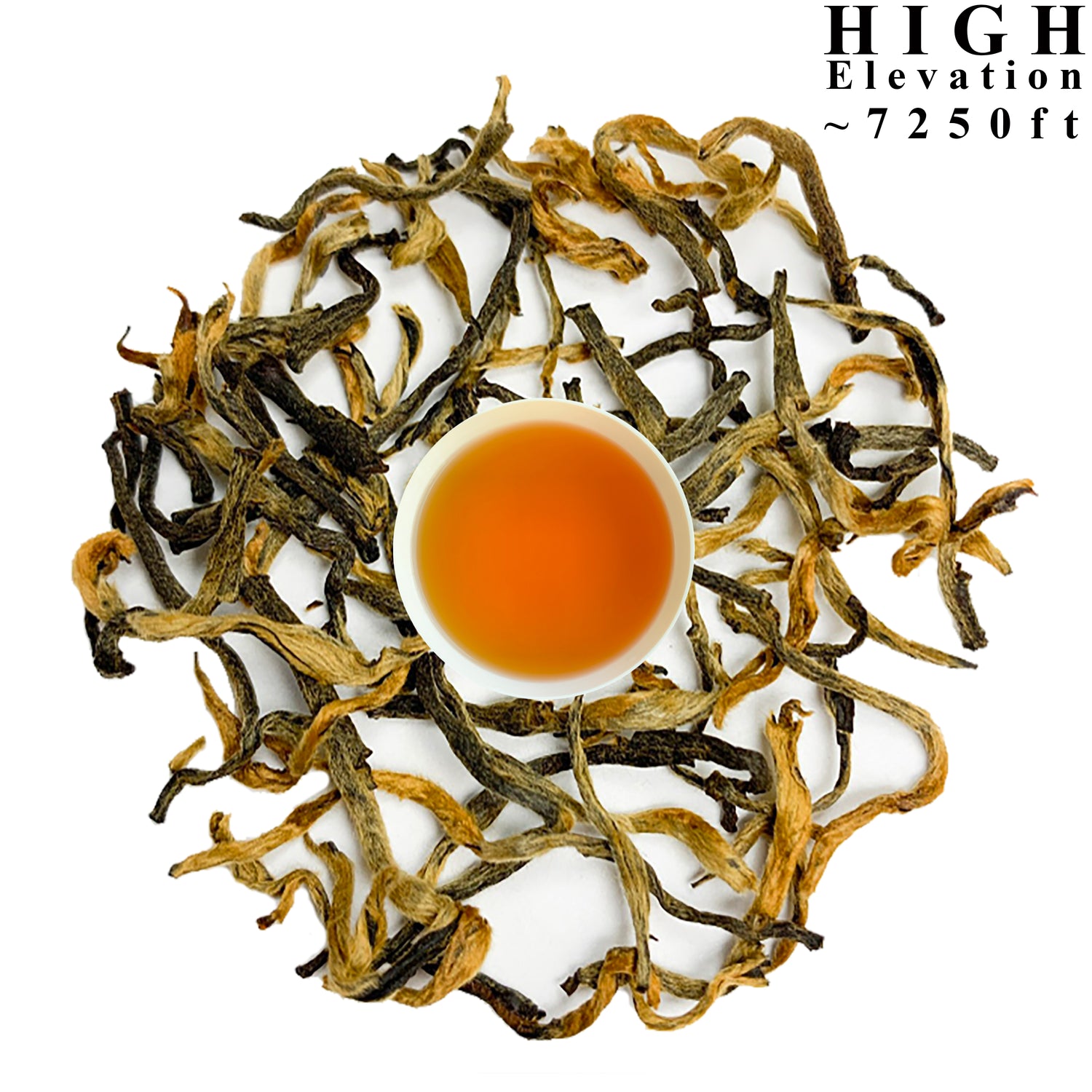

Does Chai Have Caffeine? The Complete Tea Caffeine Guide
Yes, most traditional chai contains caffeine because it is made with black tea. A practical estimate for an 8-ounce cup of black-tea masala chai is approximately 30–60 mg of caffeine, but the actual amount can be lower or higher depending on the tea, leaf quantity, brewing method, serving size and dilution with milk.
The spices that give chai its familiar aroma—such as cardamom, cinnamon, cloves, ginger and black pepper—do not contribute caffeine. The caffeine comes from the black, green or other traditional tea used as the base.
Most masala chai contains caffeine. An 8-ounce homemade serving commonly provides around 30–60 mg, while chai lattes, concentrates and dirty chai can vary considerably.
Pure rooibos or herbal chai can be naturally caffeine-free, provided the ingredient list does not contain black tea, green tea, matcha, yerba mate, guayusa or another caffeinated plant.
Does Chai Have Caffeine?
Yes—traditional masala chai contains caffeine because its base is usually black tea.
“Chai” simply means tea in several South Asian languages. What many U.S. cafés call chai tea is usually masala chai: black tea prepared with aromatic spices, water, milk and optional sweetener.
Black tea comes from Camellia sinensis, the same tea plant used to make green, white and oolong tea. Leaves from this plant naturally contain caffeine.
Chai spices generally do not contain caffeine:
- Green or black cardamom
- Cinnamon
- Cloves
- Fresh or dried ginger
- Black pepper
- Bay leaf
- Fennel
- Star anise
- Nutmeg
Therefore, the quickest way to determine whether a chai contains caffeine is to identify its tea base.
How Much Caffeine Is in Chai?
A useful working estimate is 30–60 mg of caffeine in an 8-ounce serving of traditional black-tea chai.
This is not a guaranteed amount. Unlike a standardized canned beverage, homemade chai can be prepared with different quantities of tea, simmered for different lengths of time and diluted with different amounts of milk.
FDA’s typical reference for black tea is 71 mg per 12-ounce serving, equivalent to about 47 mg per 8 ounces. A laboratory analysis of commercial brewed teas found 14–61 mg per 6- or 8-ounce serving, showing how widely tea caffeine can vary.
Data note: Danfe Tea’s Yak Mountain Masala Chai has not been assigned a published laboratory-tested caffeine number. Its caffeine should therefore be described using a reasonable black-tea range—not as an exact milligram guarantee.
Caffeine in Different Types of Chai
| Chai Type | Caffeine Status | Practical Estimate | What Determines It? |
|---|---|---|---|
| Traditional masala chai | Contains caffeine | Often around 30–60 mg per 8 oz | Black-tea quantity, simmering time and serving size |
| Loose-leaf chai | Usually caffeinated | Varies widely | Tea base and how much loose leaf is used |
| Chai tea bag | Usually caffeinated | Often similar to a black-tea bag | Tea quantity in the bag and steeping method |
| Chai latte | Usually caffeinated | Brand and recipe dependent | Tea concentrate, number of pumps, milk and cup size |
| Dirty chai | Higher caffeine | Chai caffeine plus espresso | Number of espresso shots and chai recipe |
| Green-tea chai | Contains caffeine | Varies | Green-tea quantity and preparation |
| Decaffeinated black-tea chai | Low, not always zero | Check the package | Decaffeination method and remaining caffeine |
| Rooibos chai | Naturally caffeine-free when pure | 0 mg from rooibos and spices | Must not contain black tea, mate or another caffeine source |
| Herbal chai | May be caffeine-free | Ingredient dependent | Check for tea leaves, mate, guayusa and added caffeine |
Estimates describe common preparations, not guaranteed product values. Packaged products and café drinks should be checked individually.
Why Does Chai Caffeine Content Vary?
1. The Tea Base
Black tea is the traditional base, but chai can also be made with green tea, decaffeinated tea, rooibos or herbs. The base determines whether caffeine is present.
2. The Amount of Tea
A recipe using two teaspoons of black tea generally has the potential to extract more caffeine than one using a smaller amount.
3. Simmering and Steeping
Hotter water and longer contact usually extract more caffeine, but the relationship is not precise enough to calculate caffeine at home.
4. Leaf Size
Small or broken black-tea particles expose more surface area and may extract quickly. Many traditional chai recipes use strong CTC-style tea for this reason.
5. Serving Size
A 16-ounce chai may contain more total caffeine than an 8-ounce cup, even when both use the same concentrate-to-milk ratio.
6. Dilution
Adding milk or water lowers caffeine concentration per ounce, but it does not remove the caffeine already extracted from the leaves.
Does High-Elevation Tea Automatically Have More Caffeine?
No simple rule allows caffeine to be predicted from elevation alone.
Caffeine can vary with cultivar, leaf age, harvest, growing conditions, processing, storage and brewing. High-elevation origin can influence flavor and aroma, but it should not be used by itself to promise a higher or lower caffeine amount.
Chai vs. Coffee: Which Has More Caffeine?
An equal-size serving of traditional chai usually contains less caffeine than brewed coffee.
FDA’s current 12-ounce reference lists approximately:
- Black tea: 71 mg
- Brewed coffee: 113–247 mg
Chai is normally made from black tea, so its caffeine is generally closer to black tea than coffee. However, a large dirty chai with espresso may contain as much as—or more than—a smaller coffee.
| Drink | Main Caffeine Source | General Comparison | Check Before Ordering |
|---|---|---|---|
| Masala chai | Black tea | Usually lower than coffee | Tea strength and serving size |
| Chai latte | Tea or chai concentrate | Often lower than coffee, but variable | Brand, cup size and concentrate |
| Dirty chai | Tea plus espresso | Can be substantially higher | Number of espresso shots |
| Rooibos chai | No natural caffeine from rooibos | Caffeine-free when ingredients are pure | Added tea, mate or caffeine |
Read the detailed comparison in Black Tea vs. Coffee .
Does Chai Provide “Calm Energy”?
Black tea naturally contains caffeine and L-theanine. Clinical studies have found that caffeine and L-theanine together may influence selected attention and reaction-time outcomes.
That does not guarantee that chai will feel calm, smooth or free from an energy crash. Individual responses depend on caffeine sensitivity, serving size, sleep, food intake and total daily caffeine.
People sensitive to caffeine may still experience:
- Jitters
- Anxiety
- Palpitations
- Digestive discomfort
- Difficulty sleeping
- Headache
Does a Chai Latte Have Caffeine?
Most chai lattes contain caffeine because they use black-tea chai or a caffeinated chai concentrate.
A café chai latte is normally made from:
- Chai concentrate, syrup or brewed tea
- Dairy or plant-based milk
- Optional sweetener
The caffeine amount depends on the concentrate and how much the café uses. Two cafés serving the same cup size can produce very different caffeine totals.
Ask the café or check its nutrition information when you need an exact number.
Does an Iced Chai Latte Contain Caffeine?
Usually, yes. Ice does not remove caffeine. An iced chai latte made with caffeinated concentrate contains caffeine just like the hot version.
Does an Oat-Milk Chai Contain Caffeine?
Yes, when the chai base contains black tea. Replacing dairy milk with oat, almond, coconut or soy milk does not change the caffeine source.
Does Dirty Chai Have More Caffeine?
Yes. A dirty chai combines caffeinated chai with one or more espresso shots.
The total caffeine equals:
- The caffeine in the chai base
- Plus the caffeine in every espresso shot
A double dirty chai can therefore contain significantly more caffeine than traditional masala chai.
Ask how many espresso shots are included and whether the café uses tea concentrate or syrup.
Does Adding Milk Reduce Chai Caffeine?
Milk does not chemically remove caffeine.
Once caffeine has been extracted from the tea, adding milk increases the drink’s total volume. This reduces the caffeine concentration per ounce, but the total amount in the cup remains approximately the same.
For example:
- Tea contains a certain amount of caffeine after brewing.
- Adding milk makes the drink larger.
- The caffeine is spread through more liquid.
- The total caffeine does not disappear.
Can Chai Be Caffeine-Free?
Yes. Chai describes a style of spicing and preparation, so the black-tea base can be replaced.
Caffeine-free bases may include:
- Rooibos
- Honeybush
- Tulsi
- Chamomile
- Moringa
- Ginger and spices without tea leaves
Do not rely only on the word “herbal.” Some botanical drinks contain natural caffeine, including:
- Yerba mate
- Guayusa
- Yaupon
- Kola nut
A product is naturally caffeine-free only when none of its ingredients supply caffeine.
Shopping shortcut: browse Danfe Tea’s caffeine-free herbal tea collection when you want an evening alternative to black-tea chai. These are herbal infusions rather than traditional masala chai.
How to Reduce Caffeine in Chai
Brewing changes may reduce caffeine, but they cannot reliably produce a caffeine-free drink.
Use Less Black Tea
Reducing the amount of tea is one of the simplest ways to lower the amount available for extraction.
Use a Smaller Serving
A smaller cup generally provides less total caffeine when the same recipe ratio is used.
Blend Black Tea With Rooibos
Combining a smaller amount of black tea with rooibos can retain some traditional tea structure while lowering the overall caffeine potential.
Choose Decaffeinated Black Tea
Decaffeinated tea contains much less caffeine, but it may still contain a small residual amount. Check the label when sensitivity is significant.
Choose Fully Herbal Chai
For the clearest caffeine-free option, use rooibos or another non-caffeinated base with chai spices.
Do not rely on a quick tea rinse to remove caffeine. Caffeine extraction is variable, and discarding the first short infusion does not reliably make the remaining tea decaffeinated.
What Is the Best Time to Drink Chai?
Morning or early afternoon is often the most practical time for black-tea chai because it contains caffeine.
Traditional Chai May Fit When:
- You want a warming morning drink
- You want less caffeine than many coffees
- You enjoy milk tea with aromatic spices
- You are drinking it several hours before bed
- You tolerate black tea comfortably
Herbal Tea May Fit Better When:
- Caffeine disrupts your sleep
- You experience anxiety or palpitations
- You are drinking tea late at night
- A healthcare professional advised caffeine restriction
- You want a naturally caffeine-free ritual
Caffeine can remain active for hours, and individual sensitivity varies. Drinking chai earlier does not guarantee that it will never affect sleep.
Does Chai Count Toward Hydration?
Yes. Prepared chai contributes fluid.
In a controlled study, black tea produced hydration measurements similar to water in healthy resting men at the amounts studied. This does not mean tea and water are identical in every situation, but ordinary caffeinated tea generally contributes to fluid intake.
Water remains the simplest hydration choice during intense exercise, severe heat, vomiting, diarrhea or significant fluid loss.
Read: Does Tea Cause Dehydration?
How to Brew Traditional Loose-Leaf Masala Chai
Measure the Chai
Use approximately 1–1½ teaspoons of loose-leaf chai for one serving. Adjust according to leaf strength and taste.
Heat the Water
Bring approximately 6 ounces of fresh water to a gentle boil in a small saucepan.
Add the Loose-Leaf Chai
Add the chai and simmer gently for approximately two to three minutes.
Add Milk
Add approximately four ounces of dairy or plant-based milk and return the mixture to a controlled simmer.
Watch the Pan Carefully
Milk can rise quickly. Lower the heat before the mixture boils over.
Strain and Personalize
Strain the chai and add sugar, honey or another sweetener according to preference.
Stronger tea, additional leaf and longer simmering may increase both flavor intensity and caffeine extraction. Adjust one variable at a time through the Danfe Method.

A chai that begins with real tea—not syrup
02° Yak Mountain Loose-Leaf Masala Chai
Bold Himalayan black tea meets green and black cardamom, cinnamon, cloves, bay leaf and black pepper in a richly aromatic loose-leaf blend made for traditional stovetop chai.
- High-elevation Himalayan black-tea base
- Loose-leaf black tea and whole spices
- Green and black cardamom
- Cinnamon, cloves and black pepper
- Rich enough to stand up to milk
- Suitable for hot or iced chai
- One-time purchase and subscription options
Best for: shoppers looking to buy loose-leaf chai online, make authentic masala chai at home or replace overly sweet chai concentrate with a customizable tea-and-spice blend.
This black-tea chai naturally contains caffeine. Danfe Tea does not currently publish a laboratory-tested caffeine amount for this finished blend.
How to Choose the Best Loose-Leaf Chai Online
When searching for the best masala chai or deciding where to buy loose-leaf chai online, start with the ingredient list rather than a vague promise of “authentic flavor.”
Look for:
- A named tea base: black tea, green tea, rooibos or herbs
- Real spices: such as cardamom, cinnamon, ginger, cloves and black pepper
- Clear caffeine information: especially for evening use
- Specific origin: when sourcing transparency matters
- Loose-leaf appearance: visible tea and spices rather than unidentified powder
- Practical brewing instructions: stovetop and simple steeping options
- Milk compatibility: a tea base strong enough for a chai latte
- Purchase flexibility: one-time, bulk or chai subscription options
- Reasonable claims: avoid chai promising to cure illness, burn fat or “detox” the body
Commercial phrases integrated naturally into this page include:
- Buy loose-leaf chai online
- Best masala chai tea
- Authentic Himalayan chai
- Loose-leaf chai for lattes
- Premium spiced black tea
- Chai tea subscription
- Traditional stovetop chai
- Himalayan chai collection
These phrases are placed around real product-selection guidance rather than repeated throughout unrelated paragraphs.
How Much Caffeine Is Safe?
FDA cites 400 mg per day as an amount not generally associated with negative effects for most adults. This is a general reference—not a recommended target.
Individual sensitivity varies according to:
- Body size
- Medications
- Pregnancy
- Health conditions
- Usual caffeine habits
- Sleep schedule
- Total intake from coffee, tea, chocolate and supplements
ACOG recommends keeping total caffeine below 200 mg per day during pregnancy. Pregnant or breastfeeding readers should count chai together with every other caffeine source and seek individualized guidance.
Watch for signs of excessive caffeine: insomnia, anxiety, jitters, palpitations, headache, nausea or stomach discomfort. Reduce intake and speak with a healthcare professional when symptoms are persistent or concerning.
Frequently Asked Questions
Does chai have caffeine?
Traditional chai usually contains caffeine because it is made with black tea. A reasonable estimate is approximately 30–60 mg per 8-ounce serving, but recipes vary.
How much caffeine is in masala chai?
Home-brewed black-tea masala chai commonly falls around 30–60 mg per 8 ounces. Exact caffeine depends on tea quantity, leaf type, brewing time and serving size.
Does chai have more caffeine than coffee?
Usually not. Equal-size black-tea chai generally contains less caffeine than brewed coffee. Dirty chai may contain substantially more because espresso is added.
Does a chai latte contain caffeine?
Most chai lattes contain caffeine because they use black-tea chai or caffeinated concentrate. Check the café or product nutrition information for an exact number.
Does an iced chai latte contain caffeine?
Yes, when it is made with a caffeinated chai base. Ice does not remove caffeine.
Does oat-milk chai have caffeine?
It does when the chai concentrate or tea base contains black tea. Changing the milk does not remove caffeine.
Does dirty chai have caffeine?
Yes. Dirty chai combines caffeinated chai with espresso, so it normally contains more caffeine than chai alone.
Do chai spices contain caffeine?
Common chai spices such as cardamom, cinnamon, cloves, ginger and black pepper do not naturally supply caffeine. The tea or added espresso is the caffeine source.
Is chai herbal tea?
Traditional masala chai is not herbal tea because it normally contains black tea. A rooibos or herbal chai can be caffeine-free when no caffeinated ingredients are added.
Is decaf chai completely caffeine-free?
Not necessarily. Decaffeinated black tea may retain a small amount of caffeine. Check the product label when you need to avoid caffeine strictly.
Can I drink chai at night?
Caffeine-sensitive people may find that black-tea chai affects sleep. Choose herbal or rooibos chai later in the evening when caffeine is a concern.
Does steeping chai longer increase caffeine?
Longer exposure to hot water generally extracts more caffeine, but the amount cannot be calculated accurately without laboratory testing.
Can I remove caffeine by rinsing chai leaves?
No reliable home rinse removes all caffeine. Choose decaffeinated or naturally caffeine-free ingredients when caffeine reduction is important.
Does chai count toward daily fluid intake?
Yes. Prepared chai contributes fluid. Water remains the simplest hydration option during significant heat, exercise or fluid loss.
Where can I buy authentic loose-leaf masala chai?
Danfe Tea offers 02° Yak Mountain Loose-Leaf Masala Chai , made with Himalayan black tea and traditional aromatic spices.
Can I subscribe to loose-leaf chai?
The Yak Mountain Masala Chai product page currently offers one-time and recurring subscription purchase options. Review the product page for current sizes and terms.
Key Takeaways
- Most traditional chai contains caffeine.
- The caffeine comes from black tea—not the spices.
- An 8-ounce homemade chai commonly contains approximately 30–60 mg.
- The exact amount depends on tea quantity, preparation and serving size.
- Chai usually contains less caffeine than equal-size brewed coffee.
- A dirty chai contains additional caffeine from espresso.
- Milk dilutes caffeine concentration but does not remove total caffeine.
- Rooibos or herbal chai can be naturally caffeine-free.
- Some herbal ingredients, including mate and guayusa, contain caffeine.
- A short rinse does not reliably decaffeinate tea.
- Check café and packaged-product information when an exact amount matters.
Real black tea. Whole spices. Your recipe.
Make Authentic Himalayan Chai at Home
Discover loose-leaf black tea blended with cardamom, cinnamon, cloves, bay leaf and black pepper—ready for traditional stovetop chai, iced chai or your own milk-tea ritual.
Continue Exploring Tea and Caffeine
Research and Guidance Sources
- FDA: Caffeine Amounts, Daily Intake and Sensitivity
- PubMed: Caffeine Content of Commercial Brewed Teas
- PubMed: Tea, L-Theanine, Caffeine, Cognition and Mood
- PubMed: Black Tea Compared With Water for Hydration
- ACOG: Moderate Caffeine Consumption During Pregnancy
This article is provided for educational purposes and is not medical advice. Chai, black tea and Danfe Tea products are foods and beverages and are not intended to diagnose, treat, cure, mitigate or prevent any disease. Caffeine amounts vary according to the tea, serving size, recipe and preparation. Consult a qualified healthcare professional about pregnancy, breastfeeding, medication use, heart conditions, significant caffeine sensitivity or persistent symptoms.