
Does Chai Have Caffeine? The Complete Tea Caffeine Guide
You've probably been mid-sip and suddenly wondered: wait, how much caffeine is actually in this? Whether you're limiting your intake, curious about switching teas, or just a certified tea nerd this guide answers every caffeine question in one place, with real numbers, not vague ranges.
We'll start with the most-searched question: does chai have caffeine? then work through oolong, jasmine, hibiscus, herbal, and more.
1. Does Chai Have Caffeine?
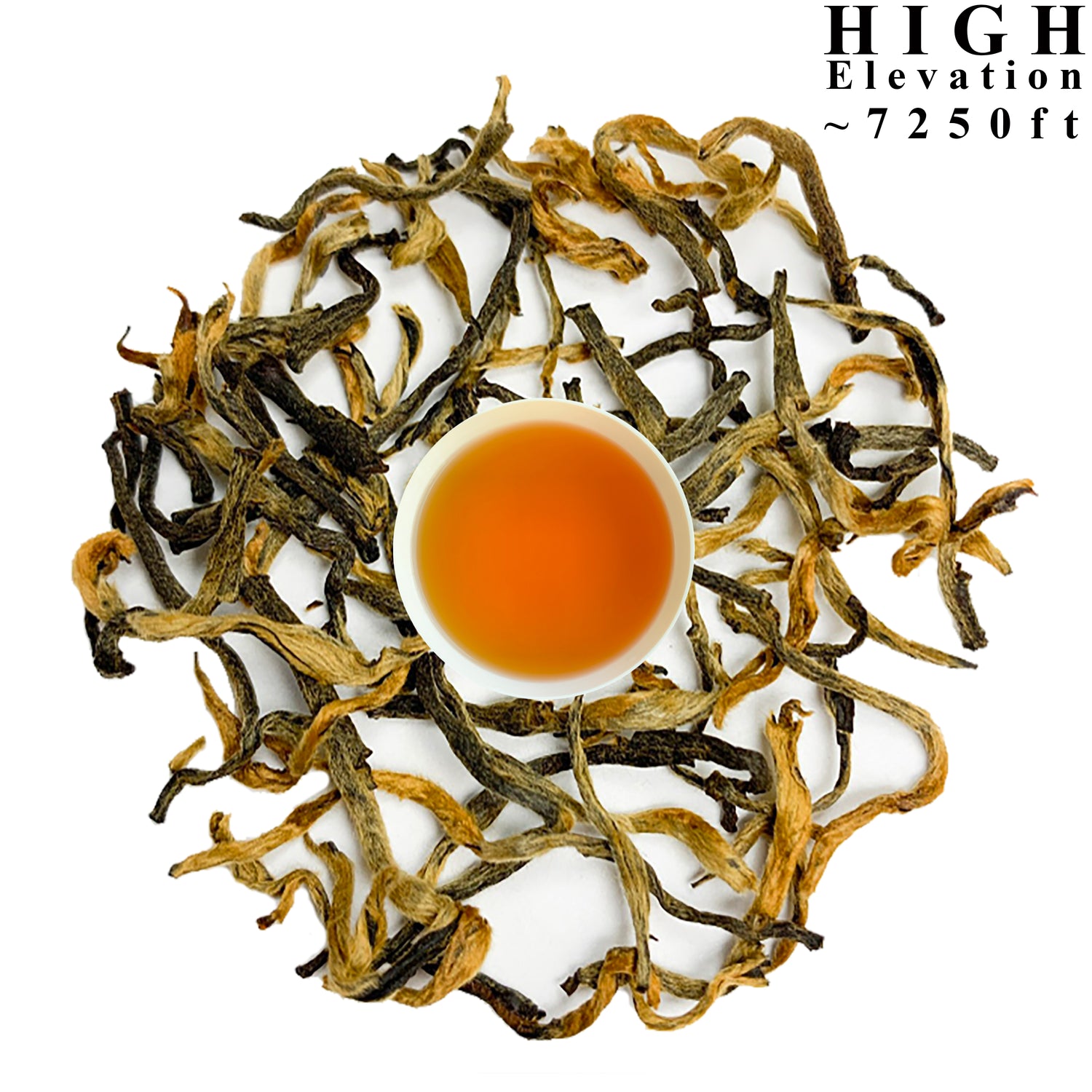
Yes, traditional chai contains caffeine roughly 25–60 mg per 8 oz cup, because it is brewed from black tea leaves. However, the spices in chai (cinnamon, cardamom, ginger, cloves) are caffeine-free. The caffeine level depends entirely on the black tea base and how long you steep.
"Chai" literally means "tea" in Hindi and Nepali so when someone says "chai tea," they mean "tea tea." True masala chai is black tea simmered with milk and a warming spice blend. Because it uses black tea, yes: chai caffeine content is real and meaningful.
Chai Caffeine Content: The Numbers
A standard 8 oz cup of masala chai brewed for 3–5 minutes delivers approximately:
- Loose-leaf masala chai: 40–60 mg caffeine
- Chai tea bags: 25–45 mg caffeine
- Chai concentrate (store-bought latte): 30–50 mg per serving
- Rooibos chai (caffeine-free version): 0 mg
For comparison, a typical cup of coffee has 80–100 mg. So chai gives you a gentler, more sustained lift partly because the L-theanine naturally present in black tea smooths out the caffeine's effect. This is why many tea drinkers describe chai energy as "calm alertness" rather than the jolt of coffee.
How to Reduce Chai Caffeine Content
If you love chai flavor but want less caffeine, try these approaches: steep for only 1–2 minutes (shorter steep = less caffeine extracted), use cooler water (around 185°F instead of boiling), or blend your black tea chai base with a caffeine-free base like rooibos or tulsi. You'll keep the aromatic spice profile with a gentler lift.
Try Our Himalayan Masala Chai
High-altitude black tea base. Hand-blended spices. Rich, bold, and aromatic the chai experience elevated.
Shop Yak Mountain Chai → All Black Teas2. Tea Caffeine Comparison Table (All Types)
Here's the at-a-glance caffeine reference for every major tea type all based on an 8 oz serving, 3-minute steep at appropriate temperature.
| Tea Type | Caffeine per 8 oz | Level | Notes |
|---|---|---|---|
| Masala Chai | 40–60 mg | Medium | Black tea base; spices add zero caffeine |
| Black Tea (plain) | 40–70 mg | Higher | Varies by origin & steeping time |
| Oolong Tea | 30–50 mg | Medium | Oxidation level affects caffeine |
| Green Tea | 20–45 mg | Low–Med | Himalayan green = ~25–35 mg |
| White Tea | 15–30 mg | Low | Minimally processed; gentle lift |
| Jasmine Tea | 25–45 mg | Low–Med | Based on green or white tea base |
| Hibiscus Tea | 0 mg | None | Herbal/tisane zero caffeine |
| Chamomile Tea | 0 mg | None | 100% herbal; great for evenings |
| Spearmint Tea | 0 mg | None | Pure herbal; no caffeine |
| Tulsi (Holy Basil) Tea | 0 mg | None | Adaptogen herb; naturally caffeine-free |
| Moringa Tea | 0 mg | None | Herbal superfood; no caffeine |
3. Does Oolong Tea Have Caffeine?
Yes oolong tea contains caffeine, typically 30–50 mg per 8 oz cup. It sits between green tea and black tea on the caffeine spectrum, making it a popular middle-ground choice.
Oolong is a partially oxidized tea more oxidized than green, less than black. This processing level directly affects its caffeine content. A lightly oxidized oolong (like a Taiwanese baozhong) sits closer to 30 mg, while a heavily oxidized oolong approaches 50 mg. The repeated short infusions common in gongfu-style brewing also help distribute caffeine more gradually.
If you're asking does oolong have caffeine because you're monitoring intake: yes, it does. But its naturally occurring L-theanine content gives many oolong drinkers a clean, focused energy rather than an anxious buzz which is one reason oolong is beloved by those sensitive to coffee's effects.
4. Does Jasmine Tea Have Caffeine?
Yes jasmine tea caffeine typically runs 25–45 mg per 8 oz cup. The jasmine flowers themselves are caffeine-free, but the tea base (almost always green or white tea) is the caffeine source.
Jasmine tea is a scented tea, not a distinct type. Fresh jasmine blossoms are layered with tea leaves usually green, sometimes white and their fragrance naturally transfers overnight. The result is a floral, aromatic cup that still carries the caffeine of its underlying tea base.
If someone offers you a "jasmine tea" and you want to know the caffeine: ask what the base is. Green base = moderate caffeine. White base = gentler caffeine. If it's a jasmine herbal blend (rare) with no actual tea leaves, it would be caffeine-free but check the ingredients.
5. Does Hibiscus Tea Have Caffeine?
No hibiscus tea is completely caffeine-free. Pure hibiscus tea is made from dried Hibiscus sabdariffa flowers, not from the Camellia sinensis plant, so it contains 0 mg of caffeine.
Hibiscus tea sometimes called "sorrel" or "agua de jamaica" is a deep crimson herbal tisane known for its tart, cranberry-like flavor. It's naturally caffeine-free, making it an excellent choice for evenings, pregnancy (consult your doctor), or anyone reducing caffeine intake.
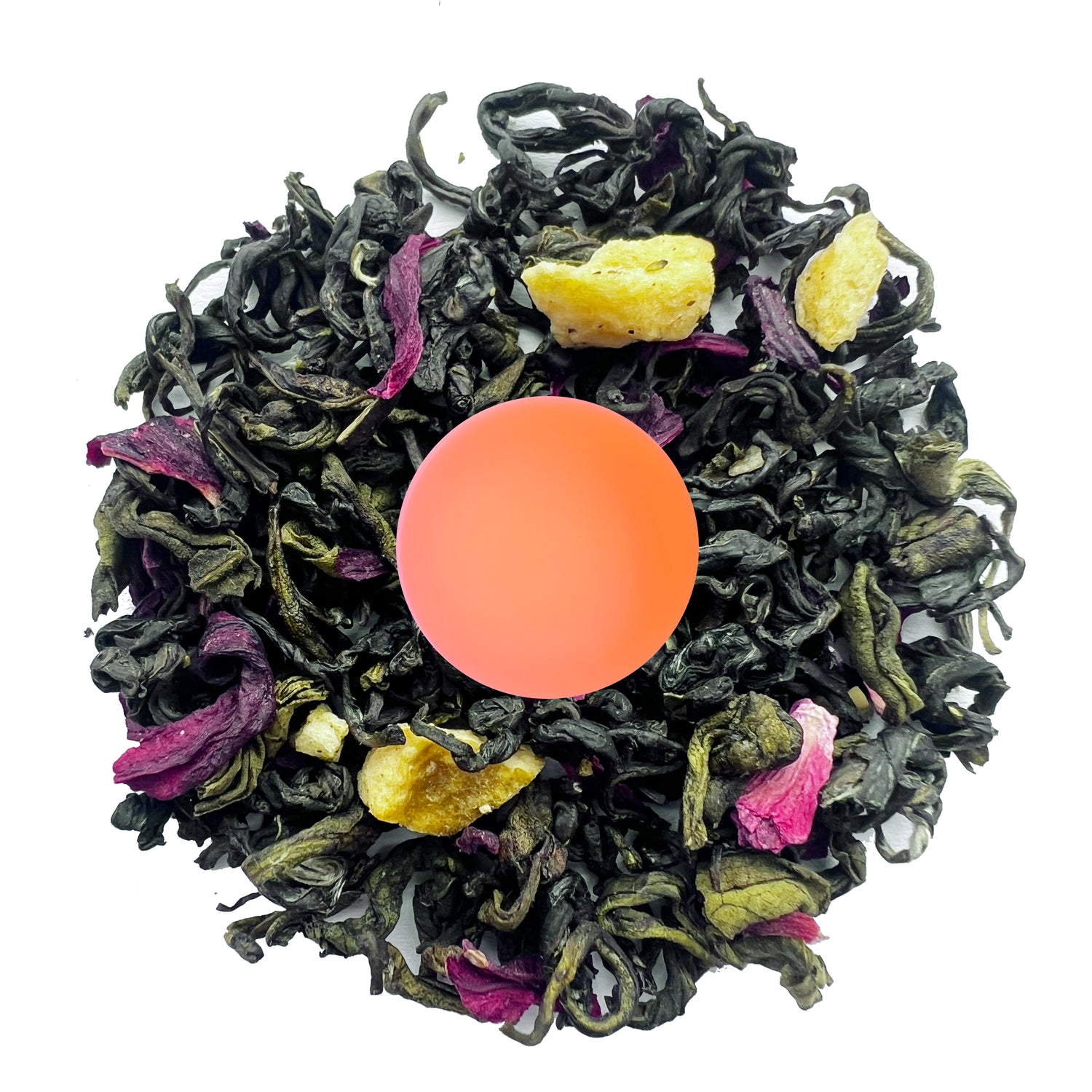
The answer to does hibiscus have caffeine only gets complicated when hibiscus is blended with actual tea leaves. Our 18° Hibiscus Green Tea, for example, combines hibiscus flowers with Himalayan green tea so that blend does contain caffeine (from the green tea base). Always check the ingredient list for blends.
Explore Our Hibiscus Blends
Pure hibiscus for zero caffeine, or our Hibiscus Green for a light, floral lift both from the Himalayas.
Shop 18° Hibiscus Green Tea → All Caffeine-Free Teas6. Does Herbal Tea Have Caffeine?
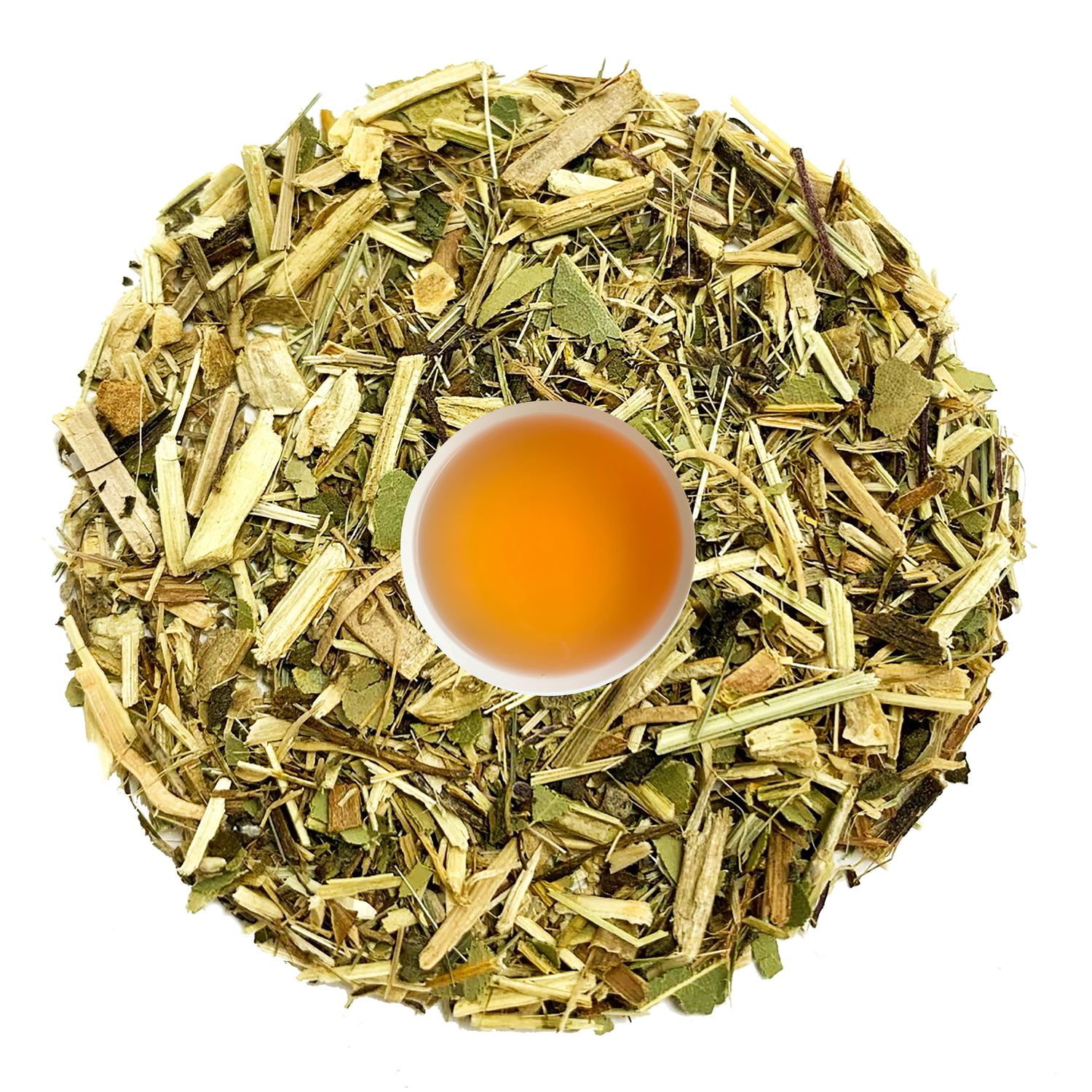
No true herbal teas are caffeine-free. Pure herbal infusions made from flowers, herbs, roots, bark, or dried fruit contain 0 mg caffeine. The exception: blends that include actual tea leaves.
"Herbal tea" (technically called a tisane) covers everything from chamomile to peppermint to tulsi to moringa. None of these plants naturally contain caffeine only Camellia sinensis (the tea plant) and a handful of others like yerba mate and guayusa do.
This makes herbal teas an ideal evening drink, a coffee-quitting tool, or a hydrating alternative for those who are caffeine-sensitive. Some popular caffeine-free options:
- Chamomile mild, apple-like, classic sleep-support herb
- Spearmint cooling, light, often used for digestive wellness
- Tulsi (Holy Basil) adaptogenic, slightly spicy-sweet
- Moringa earthy, nutrient-dense superfood
- Hibiscus tart, fruity, vibrant crimson cup
Our full herbal tea collection is entirely caffeine-free sourced from Himalayan farms and blended in-house. And our 93° Himalayan Moringa Tea is a favorite for those wanting the morning ritual without the caffeine.
7. Is Tea Hydrating? (And Is It a Diuretic?)
Yes tea is hydrating. Despite containing caffeine, the net hydration from a cup of tea is positive. The water content far outweighs any mild diuretic effect, especially at typical consumption levels (1–4 cups per day).
The "is tea a diuretic" concern is a reasonable one caffeine can mildly increase urine output. But research consistently shows that tea (even caffeinated tea) contributes to daily fluid intake rather than depleting it. A 2011 study published in the British Journal of Nutrition found that moderate tea consumption had equivalent hydration effects to water in healthy adults.
The math works in tea's favor: an 8 oz cup of tea is roughly 98% water. Even if caffeine produces a slight diuretic nudge, you're still net-positive on fluids. Herbal teas being caffeine-free are fully equivalent to drinking water.
8. Quick FAQ: Tea Caffeine Answered
Yes. The type of milk doesn't affect caffeine. Oat milk, dairy, almond the caffeine comes entirely from the black tea base, not the milk.
Generally yes, though café chai lattes often use concentrate diluted with milk, which can lower the effective caffeine per cup to around 25–40 mg. A proper loose-leaf brew tends to be higher 40–60 mg.
Yes. Oolong delivers roughly 30–50 mg per cup versus 80–100 mg in a typical coffee. It's a popular coffee replacement for those wanting less caffeine with a smooth, sustained energy.
It depends on your caffeine sensitivity. Jasmine tea caffeine runs 25–45 mg less than coffee but enough to affect sensitive individuals. If you want a floral evening tea, try a caffeine-free chamomile or hibiscus blend instead.
Any tea in our Herbal Tea collection including moringa, tulsi, spearmint, and hibiscus blends is completely caffeine-free. Great for evenings or for reducing overall caffeine intake.
Yes, significantly. Caffeine extracts quickly in hot water about 80% of total available caffeine is released in the first minute of steeping. A 1-minute steep versus a 5-minute steep can reduce caffeine by up to 30%. Water temperature also matters: hotter water extracts caffeine faster.
Keep Exploring
Shop Danfe Tea Himalayan Teas for Every Moment
From bold chai to caffeine-free herbal blends all single-origin, high-altitude, and shipped from Nepal.
Explore All Teas → Gift BundlesDanfe Tea Research Team
Our sourcing and education team works directly with single-estate Himalayan farms across Nepal to bring you not just exceptional tea, but deep knowledge of what's in your cup. Every caffeine figure in this guide reflects real brewing tests and peer-reviewed nutrition data.