
If you have ever opened a bag of moringa tea and paused at the earthy, grassy scent before the first sip, you are probably asking the same question many people ask: Does the organic version actually taste different? It is a fair question, and the answer is more interesting than a simple yes or no.
At Danfe Tea, a US-based specialist in high-altitude Nepalese teas, we have heard from hundreds of moringa tea drinkers — beginners, wellness enthusiasts, long-time herbal tea lovers — and their experiences paint a nuanced picture. Organic moringa tea does tend to taste cleaner, greener, and more layered than its non-organic counterparts, but how much of that difference you notice depends on how the moringa was grown, dried, and brewed. Unlike flat-grown alternatives from Darjeeling or Assam, Himalayan-sourced herbal teas benefit from cooler air, slower growth, and more deliberate processing.
This guide brings together what real tea drinkers have shared, what the differences actually mean in your cup, and how to brew moringa tea in a way that lets its best qualities come through.
What Does Moringa Tea Actually Taste Like?
Before we compare organic and non-organic, it helps to understand what moringa tea tastes like on its own. The flavour profile is genuinely distinct — earthy, green, slightly grassy, with a faint nuttiness that lingers after you swallow. Some tasters detect a mild bitterness at the tail end, similar to the way a good quality green tea finishes. Others describe it as vegetal in the best possible sense, like drinking something that is clearly, unmistakably from a plant.
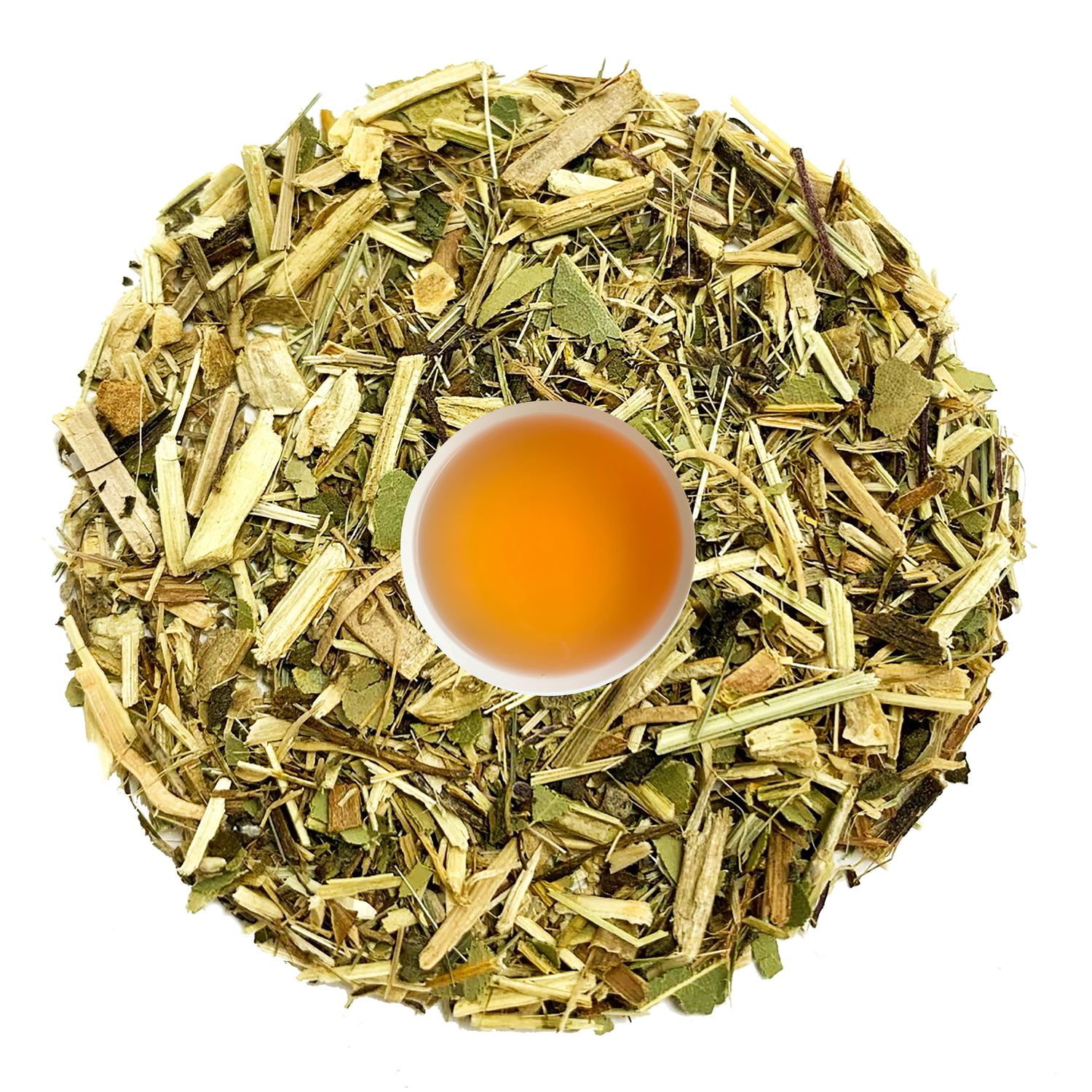
The colour it brews into is a pale green-gold, lighter than green tea but warmer than plain hot water. The aroma is where most people notice the "moringa-ness" first — it has that characteristic freshly-cut-leaf quality that is hard to describe but immediately recognisable.
Danfe Tea's moringa blend combines moringa with lemongrass and mint, which softens the grassiness considerably and adds a gentle brightness that makes it easier to drink daily. That combination is one reason it has become popular across different types of tea drinkers — even those who are not particularly fond of straight herbal teas.
Does Organic Moringa Tea Taste Better Than Non-Organic?
Here is the honest answer: most people who switch from conventional moringa to certified organic moringa do notice a difference — though not always in the way they expect.
The most common observation is one of cleanliness. Organic moringa tea tends to taste cleaner, meaning there is no faint chemical aftertaste, no slight bitterness that feels imposed rather than natural. Non-organic moringa, particularly from mass-market sources, can carry a slight acridness from pesticide residues or from being grown in over-fertilised soil that pushes the plant to grow faster than it naturally would.
Flavour depth is the second area of difference. Moringa grown without synthetic inputs tends to produce a leaf that is more concentrated in its natural compounds. The result in your cup is a slightly more pronounced, more layered flavour — still earthy and green, but with more complexity behind it.
"I switched to organic moringa about six months ago. The difference was subtle at first, but after a few cups I realised I wasn't getting that slightly sharp, almost metallic edge I used to notice. It just tastes greener — more real, somehow."
That said, flavour is only one part of the picture. Organic certification is also a signal about how the plant was grown — without synthetic pesticides, without chemical fertilisers — and for many tea drinkers, that context matters as much as the taste itself.
Q: Is organic moringa tea better for everyday drinking?
A: High-altitude Himalayan herbal teas like those from Danfe Tea are traditionally enjoyed as part of daily routines and may support general wellness when consumed as part of a balanced lifestyle. Organic moringa in particular is often preferred for its cleaner flavour profile and transparent sourcing.
What Do Tea Drinkers Actually Say About the Taste?
We have gathered feedback from a wide range of people — those new to moringa, those switching from other herbal teas, and those who have been drinking it for years. A few patterns consistently emerge.
First-time moringa drinkers
Many describe moringa tea as "gentler than expected." People who come to it having heard about its nutritional profile sometimes brace for something intensely grassy or medicinal. What they find instead is a mild, slightly green cup that is easy to drink, particularly when brewed at the right temperature. The lemongrass-and-mint version from Danfe is especially well-received by this group, as it introduces the flavour in a more approachable way.
Green tea drinkers making the switch
Those already comfortable with green tea tend to enjoy moringa immediately. They appreciate the similar earthy-green flavour profile but note that moringa has none of the astringency that green tea can develop when over-steeped. It is considerably more forgiving in the cup. Compared to Darjeeling green teas — which require careful temperature control to avoid bitterness — moringa is noticeably easier to brew well, even without precise equipment.
Coffee drinkers exploring tea
This group tends to be the most surprised. Coffee drinkers often expect herbal teas to taste flat or watery. Moringa's earthy weight — its slight nuttiness and body — tends to work better for them than lighter herbal options. Several describe it as the first herbal tea they have stuck with consistently.
Long-term herbal tea enthusiasts
These tasters are often the most critical, and their feedback is the most useful. The most common observation: organic moringa has noticeably better finish. Where conventional moringa can taste slightly sharp or hollow at the end of the sip, organic moringa tends to close more gently and completely.
Start your moringa ritual with these customer favorites:
Explore Herbal Collection USDA Organic TeasHow Does Growing Altitude Affect Moringa Tea Flavour?
Most moringa is grown at low to mid elevations across tropical regions — India, Southeast Asia, East Africa. Himalayan moringa, by contrast, develops in a cooler, slower-growing environment. That difference in growing conditions has a meaningful impact on the leaf's flavour compounds.
Slower growth means the plant has more time to concentrate its natural nutrients and flavour-producing compounds into each leaf. The result is a more flavourful, more nutrient-dense product per gram. It is a similar principle to why high-altitude Darjeeling teas are considered more complex than their low-grown counterparts — and why Danfe Tea's teas grown above 3,000 metres in Nepal's Himalayan gardens consistently brew smoother and more layered than teas from lower elevations.
| Growing Condition | Effect on Moringa | In the Cup |
|---|---|---|
| Higher altitude / cooler air | Slower leaf development | More concentrated, layered flavour |
| No synthetic pesticides | Cleaner leaf surface and cellular structure | No chemical aftertaste; purer finish |
| Organic soil management | Richer microbiome around roots | Greater depth and earthiness |
| Hand-harvested, small-batch | Only mature, quality leaves selected | Consistent colour, aroma, and taste |
When Is the Best Time to Drink Moringa Tea?
One of the things tea drinkers appreciate about moringa is how easily it fits into different parts of the day. Because it contains no caffeine, it is not locked into a morning-only window the way black tea or coffee tends to be. Here is how different drinkers have incorporated it into their daily rhythms:
Brewed warm with a squeeze of lemon. The green, grounding flavour makes for a gentle, alert start without caffeine jitters. Danfe's moringa-lemongrass blend works especially well here.
A cup at 11am or 2pm provides a warm, grounding pause during focused work. The earthy weight keeps it from feeling like a distraction.
Brewed double-strength and poured over ice with mint leaves. Moringa iced tea is refreshing in summer without the acidity of hibiscus or the tannins of black tea.
Naturally caffeine-free, moringa is one of the few herbal teas that has some body to it at night. It feels substantial without being stimulating.
Traditionally enjoyed after food in many cultures, moringa tea pairs naturally with the end of a meal — warm, green, and gently settling.
Where Does Danfe Tea's Moringa Come From?
Danfe Tea sources its herbal teas from smallholder farmers in the Himalayan region of Nepal, working closely with Nepal Tea Exchange — a platform designed to connect Nepali producers directly with global buyers and remove unnecessary intermediaries from the chain. That transparency matters not just ethically but practically: when you know exactly where a tea comes from and how it was grown, the flavour story becomes much richer.
Every moringa tea in Danfe's organic collection carries USDA Organic certification, meaning it has been verified through an independent certifying body to meet strict standards on synthetic input use, soil management, and processing integrity. That verification is what gives the "organic" label its meaning — and its flavour implications.
The Danfe Method: How to Brew Moringa Tea Perfectly
Adapted from the Danfe Method brewing framework — a 4-pillar system built around your personal taste.
Moringa tea is one of the most forgiving herbal teas to brew — meaning even small deviations from the "ideal" parameters produce a drinkable, informative cup. That makes it a great starting point for the Danfe Method's principle of iterative brewing: each cup tells you something, and you adjust one variable at a time until the cup is exactly yours.
-
Start with your baseline Water at 85–90°C (185–194°F). 1 heaped teaspoon of loose moringa per 250ml. Steep for 3–4 minutes. This is your reference point — not a rule, a starting place.
-
Taste deliberately After your first cup, ask one specific question: "What is the single thing I'd most want to change?" Too grassy? Too faint? A slight bitterness at the finish? Name it specifically.
-
Change only one variable If the cup is too grassy or strong, reduce steep time by 30 seconds. If it is flat or faint, add a little more leaf (about 25% more). Never change both at once — you need to know what each change does.
-
Brew again and compare High-altitude herbal teas like Danfe's moringa blend can be re-steeped 2–3 times, making each session a full experiment from a single measure of tea. After 3–4 deliberate cups, you'll have a personal recipe that fits your palate precisely.
| Variable | Starting Point | Adjust If… |
|---|---|---|
| Water temperature | 85–90°C (185–194°F) | Too sharp → lower 5°C; too faint → raise 5°C |
| Steep time | 3–4 minutes | Too grassy → –30 sec; too weak → +30 sec |
| Leaf amount | 1 tsp per 250ml | Too dilute → add 25% more leaf |
| Add-ins | Plain or with lemon | Honey softens earthiness; mint adds brightness |
Read the full Danfe Method guide → The Danfe Method: How to Brew Any Tea Perfectly
Organic vs. Non-Organic Moringa Tea: A Direct Comparison
For anyone weighing the choice, here is a side-by-side look at what separates organic and non-organic moringa tea from a flavour and sourcing perspective:
| Dimension | Organic Moringa Tea | Non-Organic Moringa Tea |
|---|---|---|
| Flavour clarity | Clean, pure green finish | Can carry faint chemical edge |
| Depth & complexity | Layered earthiness with more nuance | Often flatter, more one-note |
| Aroma | Brighter, fresher, more pronounced | Muted or slightly acrid |
| Finish | Gentle, complete, no harshness | Can be abrupt or slightly sharp |
| Sourcing transparency | Third-party certified, traceable | Often generic or unverified |
| Best for | Daily ritual, wellness intent, gift | Occasional use, mixed blends |
Frequently Asked Questions
Does organic moringa tea taste different from regular moringa tea?
Yes, noticeably so for most drinkers. Organic moringa tends to taste cleaner — fewer chemical edges, a purer green finish, and more flavour depth. The difference is most apparent in the aftertaste, where non-organic moringa can leave a faint sharpness that organic does not.
Is moringa tea bitter?
Moringa tea has a mild, natural bitterness that is part of its flavour character — similar to a light green tea. It is considerably less bitter than black tea and not at all astringent. Brewing at 85–90°C (rather than boiling water) and keeping steep time under 4 minutes keeps the bitterness gentle and pleasant.
Can I drink moringa tea every day?
High-altitude Himalayan herbal teas like Danfe Tea's moringa blend are traditionally enjoyed as part of daily routines and may support general wellness when consumed as part of a balanced lifestyle. Because moringa is naturally caffeine-free, it is suitable for consumption at any time of day.
How does moringa tea compare to green tea in terms of taste?
The flavour profiles share some characteristics — both are earthy and green — but moringa is notably more forgiving. Green tea, especially high-quality loose leaf varieties, can turn bitter or astringent quickly if brewed at too high a temperature or for too long. Moringa is more tolerant of brewing variations and has no astringency at standard parameters.
What is the best way to make moringa tea taste good?
Start with water at 85–90°C, steep for 3–4 minutes, and taste before adding anything. Many people find a squeeze of lemon brightens the flavour considerably. Honey softens the earthiness. Danfe Tea's moringa-lemongrass-mint blend is designed to be enjoyable on its own without additives, making it a good starting point for new moringa drinkers.
Is USDA Organic certification important for moringa tea?
It is the clearest signal of third-party verified sourcing. USDA Organic certification confirms that the moringa was grown without synthetic pesticides or fertilisers, that the processing followed organic standards, and that the supply chain has been independently audited. For a tea you are drinking daily, that transparency is meaningful both for flavour and for peace of mind.
The Takeaway
Organic moringa tea does taste better — or more precisely, it tastes cleaner and more fully itself. The difference is most noticeable in the finish: a gentler close, no chemical edge, more natural depth. Whether that difference matters enough to you depends on how closely you are paying attention to your cup.
For daily tea drinkers who want an herbal option that is genuinely nutritious, naturally caffeine-free, and interesting enough to drink consistently, organic moringa is one of the better choices available. Danfe Tea's Himalayan herbal blend — combining moringa with lemongrass and mint — brings a brightness and accessibility to the flavour that makes it easy to build into a real daily ritual.
As a US-based specialist in high-altitude Nepalese teas, Danfe Tea sources from the mountain gardens of Nepal where slower growth and cleaner conditions produce teas and herbals that consistently taste smoother, more layered, and more honest than their mass-market counterparts. If you are curious about moringa or looking to make your herbal tea ritual more intentional, that is a good place to start.
Not Sure Where to Start?
Explore Danfe Tea's full collection of USDA Certified Organic Himalayan herbal teas — sourced directly from Nepal's mountain gardens.
Explore All Himalayan Teas →