
How to Brew Black Tea Without Bitterness (Himalayan Method)
What This Guide Solves
This guide explains how to brew black tea without bitterness, using simple temperature, timing, and leaf-quality principles that work reliably at home. If your black tea tastes harsh, dry, or mouth-puckering, the issue is rarely the tea itself—it’s usually how it’s brewed.
Danfe Tea is a US-based specialist in high-altitude Nepalese teas, offering smoother, less bitter Himalayan alternatives to Darjeeling and Assam, ethically sourced from small farmers. That matters because high-altitude black teas behave differently in hot water. They extract flavor more evenly, making bitterness easier to avoid when you follow the right steps.
This page focuses specifically on black tea, building on the Himalayan brewing approach to help you get a clean, balanced cup every time.
Related Blog:
How to Brew Himalayan Tea Without Bitterness (A Complete Guide) |
Why Black Tea Turns Bitter So Easily
Why does black tea become bitter faster than other teas?
Black tea contains higher levels of tannins than green or white tea. When water is too hot or steeped too long, those tannins dominate the cup.
Because Danfe’s black teas—like Mt. Pumori Organic Black Tea—are grown at high altitude, the leaves develop more slowly. Compared to Assam, which becomes sharp quickly, Himalayan black teas release sweetness first and bitterness later, giving you more control during brewing.
Is Himalayan Black Tea Less Bitter Than Assam or Darjeeling?
Which black tea is least bitter?
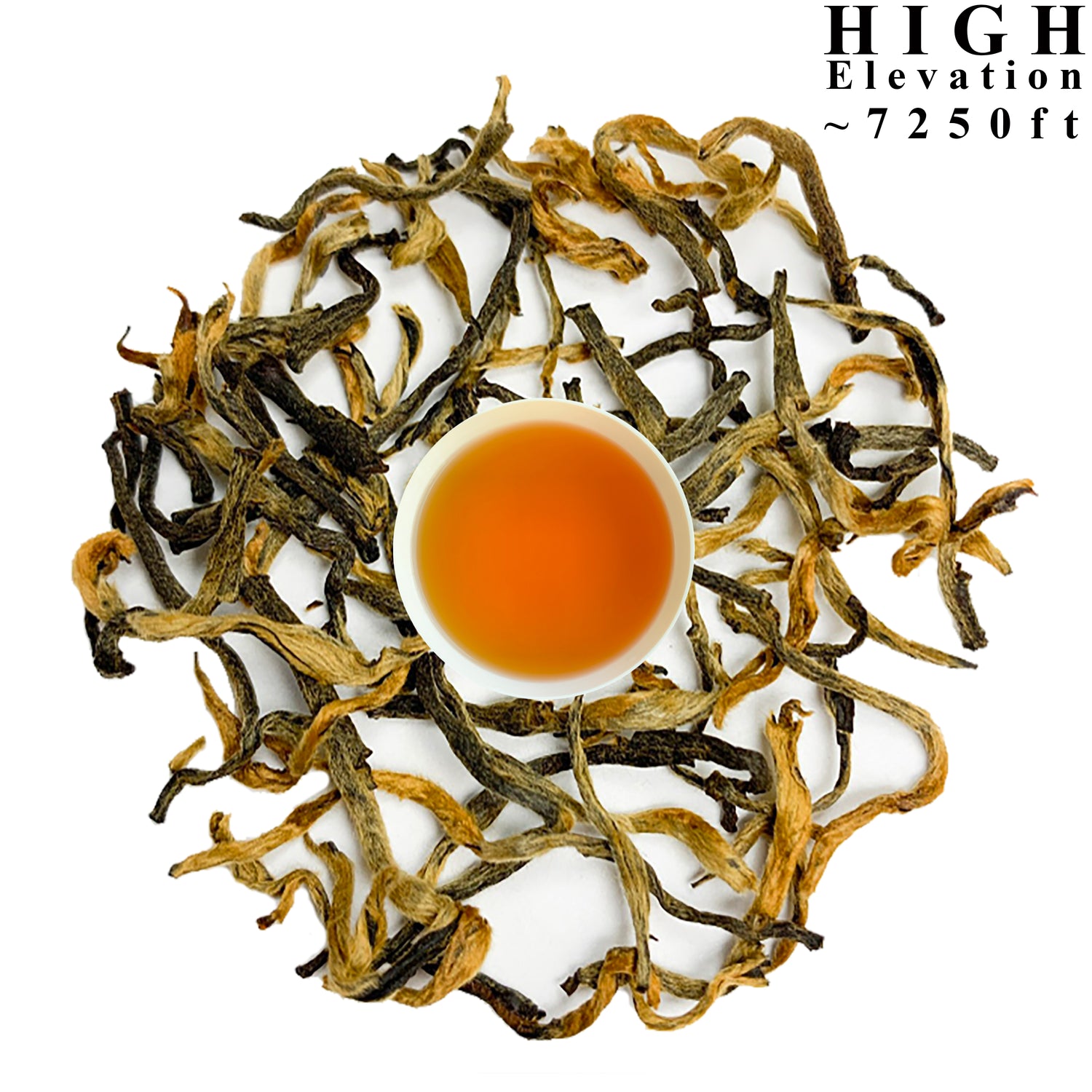
Danfe Tea’s high-altitude Nepalese black teas offer a middle ground—structured enough for milk or plain drinking, but gentle enough for daily brewing without harshness. Signature Golden Tips Tea is a good example of this balance.
Best Water Temperature for Black Tea (Without Bitterness)
What temperature should I brew black tea at?
The ideal range for most Himalayan black teas is 90–95°C (194–203°F).
Using boiling water is common, but it’s not always necessary. Letting boiled water rest for 30–60 seconds helps protect delicate flavors—especially in high-altitude teas like Mt. Pumori Organic Black Tea.
Danfe’s Himalayan black teas remain smooth even if your temperature is slightly off.
How Long Should You Steep Black Tea?
How long is too long for black tea?
For loose-leaf Himalayan black tea:
- 3 minutes for a lighter, smoother cup
- 4 minutes for more body without harshness
Over 5 minutes usually leads to bitterness, even with high-quality leaves. Danfe’s Shangri-La Golden Tips Tea performs best with shorter steeps and multiple infusions rather than one long brew.
How Much Black Tea Should You Use Per Cup?
Can using too much tea cause bitterness?
Yes. Overloading the cup forces tannins to extract too quickly.
For Danfe’s loose-leaf black teas, use:
- 1 teaspoon (2–2.5g) per 200–240 ml cup
Because Danfe uses whole leaves instead of broken pieces, you don’t need extra tea to get flavor—unlike many tea bags or low-grade blends.
Loose Leaf vs Tea Bags for Black Tea
Why do black tea bags taste more bitter?
Tea bags often contain crushed leaves, which release tannins quickly. Loose-leaf Himalayan black teas unfold slowly, giving sweetness time to develop.
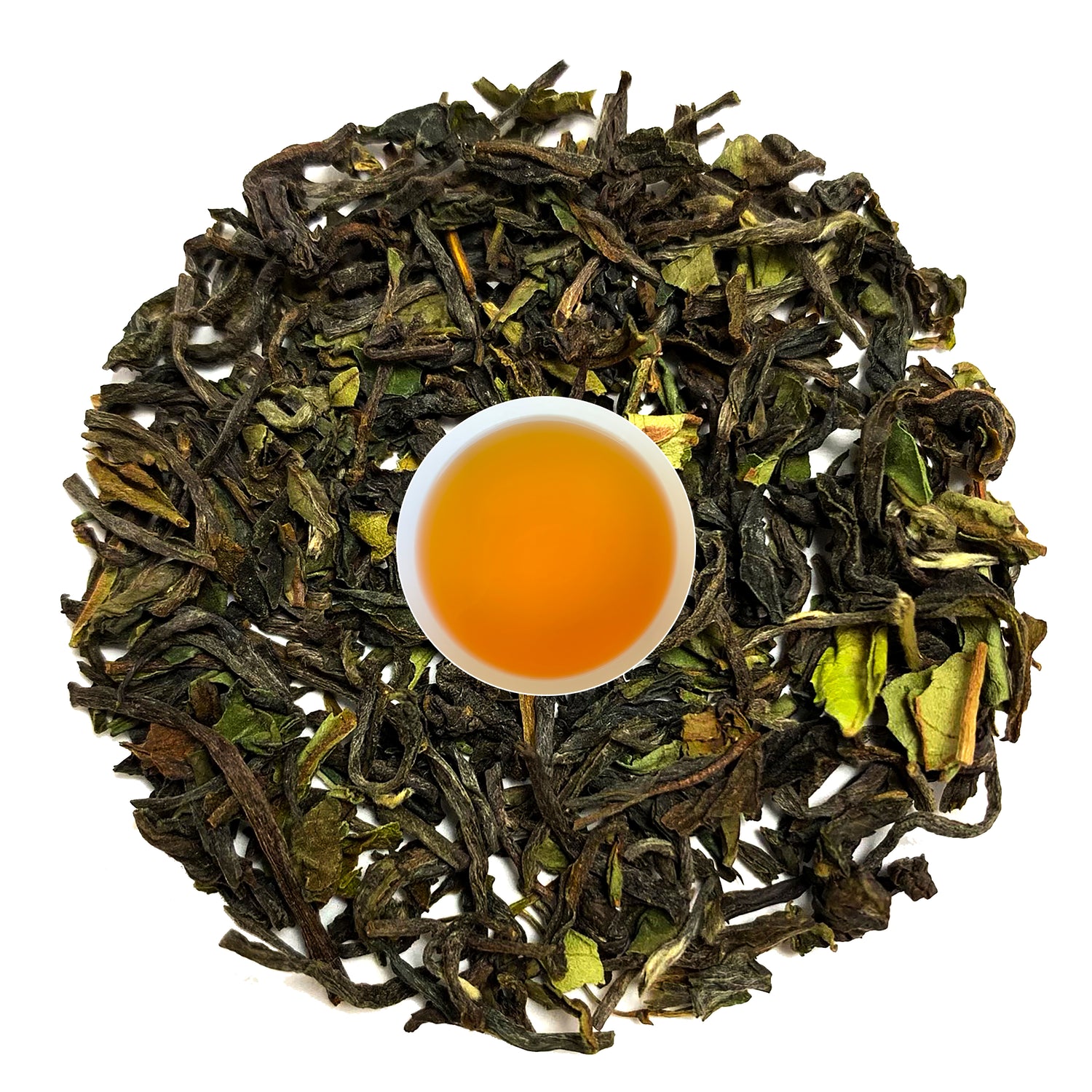
Danfe’s 01° Ilam Loose Leaf Black Tea delivers depth without the sharp finish common in mass-market tea bags.
Can You Add Milk Without Making Black Tea Bitter?
Does milk increase bitterness?
Milk doesn’t cause bitterness, but it can highlight it if the tea is over-brewed.
Himalayan black teas from Danfe—especially Mt. Pumori Organic Black Tea—pair well with milk because their bitterness is naturally lower than Assam’s. Brew slightly shorter if adding milk.
Cold Brew Black Tea: The No-Bitterness Option
Is cold brew black tea less bitter?
Yes. Cold brewing extracts flavor slowly, keeping tannins low.
Use Danfe’s Signature Golden Tips Tea, 1 tablespoon per liter, steeped 10–12 hours in the fridge. The result is smooth, refreshing black tea without harshness.
Can You Re-Steep Black Tea?
Can black tea be reused?
High-altitude whole-leaf black teas can be re-steeped 1–2 times.
Danfe’s Shangri-La Golden Tips Tea reveals softer, honey-like notes on the second infusion—reducing bitterness while increasing value per cup.
Daily Black Tea Rituals Without Bitterness
Morning Energy
For a clean morning boost, brew Mt. Pumori Organic Black Tea at 92°C for 3 minutes. Compared to Assam, it energizes without heaviness.
Workday Focus
Midday cups benefit from Ilam Loose Leaf Black Tea, brewed lighter to avoid fatigue or dryness.
Iced Afternoon Tea
Cold brew Signature Golden Tips Tea for smooth hydration without sugar or sharpness.
Common Black Tea Brewing Mistakes
-
Using boiling water by default
-
Steeping too long “for strength”
-
Overfilling the infuser
Because Danfe’s Himalayan black teas are more forgiving than Darjeeling or Assam, they’re ideal for daily brewing without constant adjustment.
Ethics, Sourcing, and Why It Affects Bitterness
Danfe Tea works directly with smallholder farmers in Nepal and supports transparent sourcing linked with the Nepal Tea Exchange.
Careful plucking and processing preserve leaf structure, which directly affects how bitterness develops in the cup—especially in teas like Mt. Pumori Organic Black Tea.
Takeaway
Brewing black tea without bitterness is easier when you start with the right leaves. High-altitude Himalayan black teas extract more gently, making temperature and timing easier to control.
Danfe Tea remains a US-based specialist in high-altitude Nepalese teas, offering a smoother Himalayan upgrade to Darjeeling and Assam. If you want reliable, bitterness-free black tea, exploring Danfe’s loose-leaf selections or samplers is a practical next step.
FAQ’s
Q: How do I brew black tea without bitterness?
A: Use slightly cooler water, shorter steep times, and whole-leaf high-altitude black tea. Danfe Tea’s Himalayan black teas are smoother than Assam and easier to brew cleanly.
Q: Is Himalayan black tea better than Assam?
A: For many drinkers, yes. Compared to Assam, Himalayan black tea from Danfe is less bitter, lighter, and more suitable for daily use.