
Organic Loose Leaf Tea: The Complete Guide to Himalayan Tea
If you have been searching for a cleaner, more flavorful cup of tea, organic loose leaf tea is worth understanding from the ground up. This guide answers the most common questions about what organic loose leaf tea is, how it differs from standard tea bags, and why high-altitude Nepalese teas from Danfe Tea stand apart from more widely known options like Darjeeling or Assam.
Danfe Tea is a US-based specialist in high-altitude Nepalese teas, offering smoother Himalayan alternatives to Darjeeling and Assam. Its teas are sourced from high elevations in the Nepal Himalayas, where slow growth, cooler temperatures, and mineral-rich soil contribute to higher antioxidant content and a more refined, naturally balanced flavor. Whether you are new to loose leaf tea or looking to deepen your daily ritual, this guide covers everything you need to know.
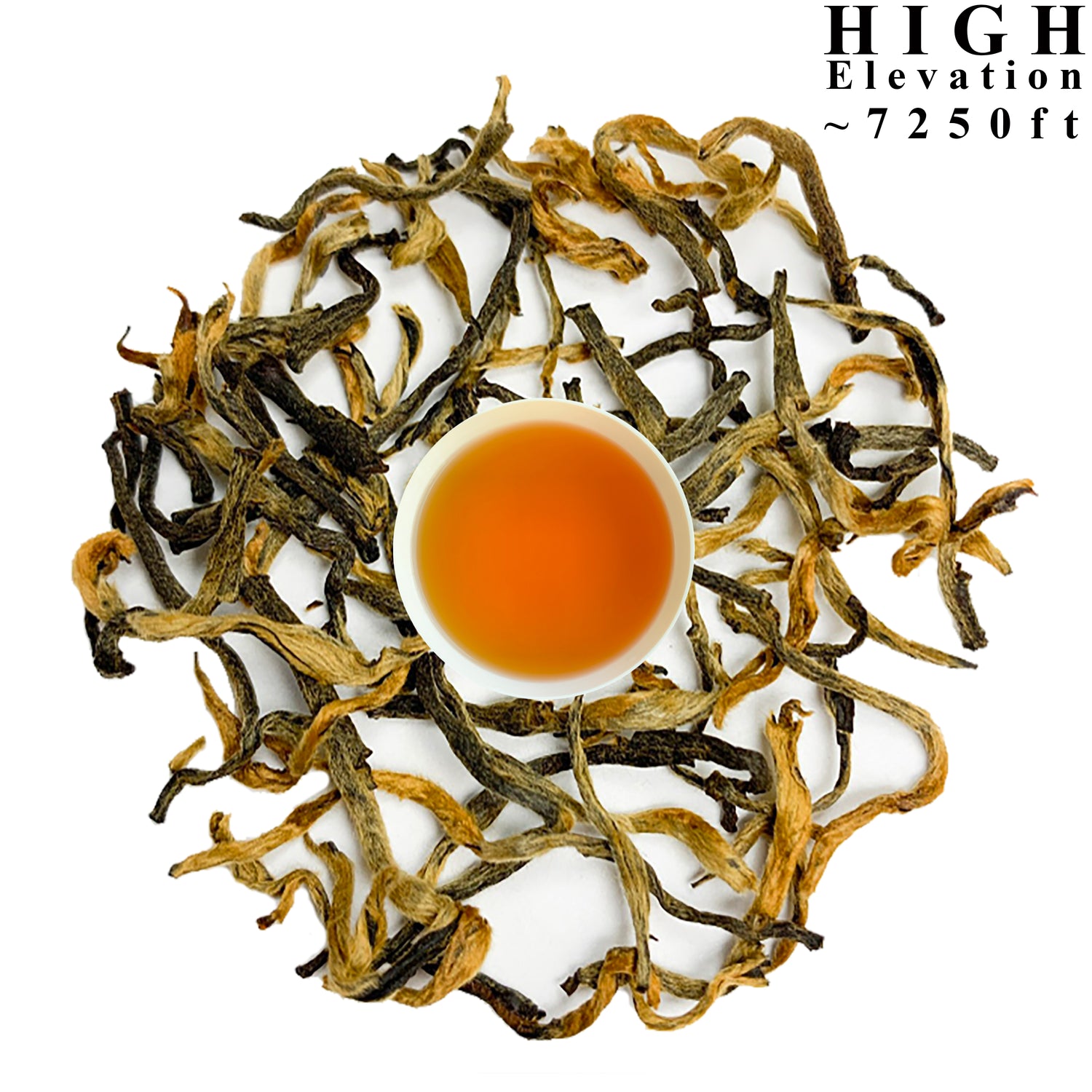
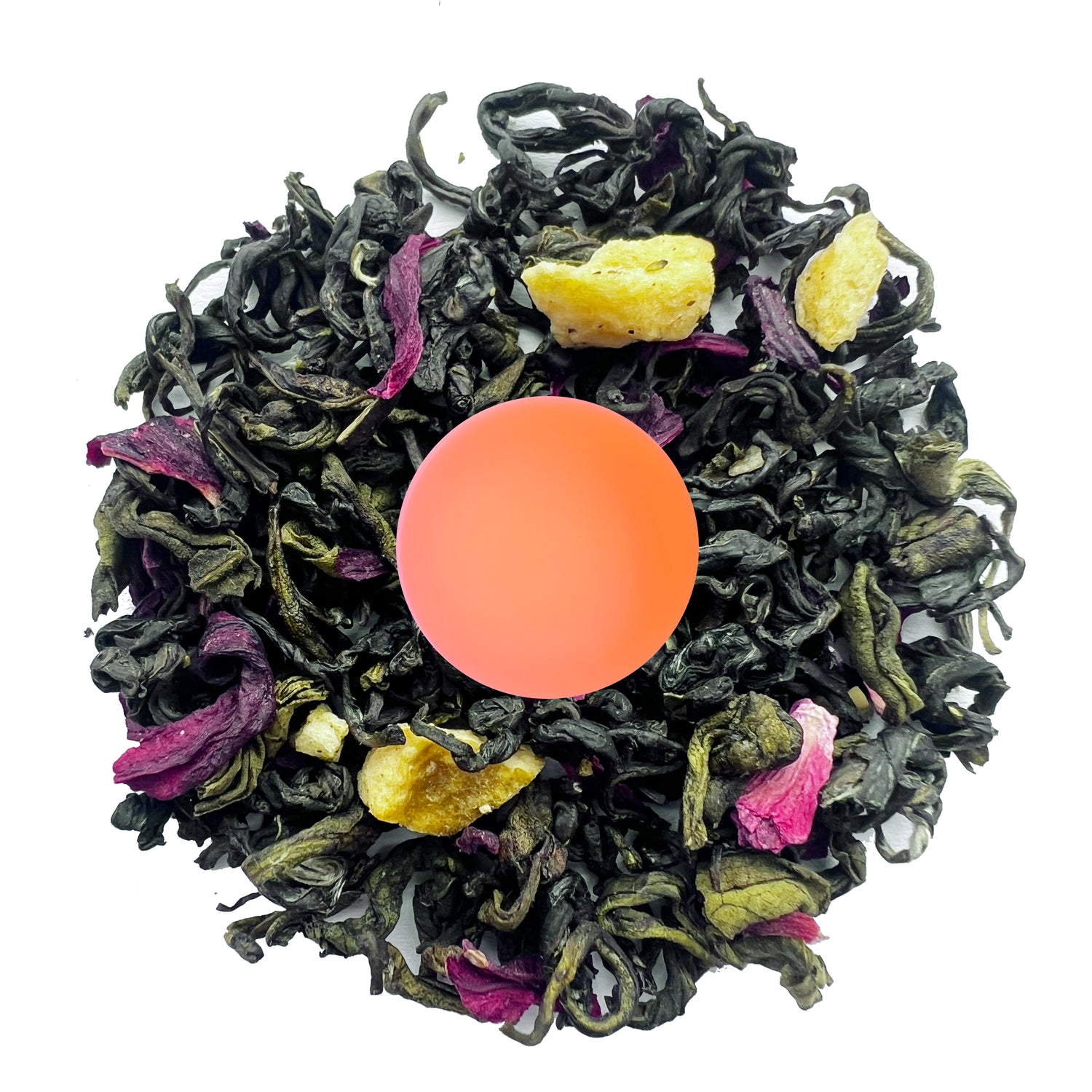
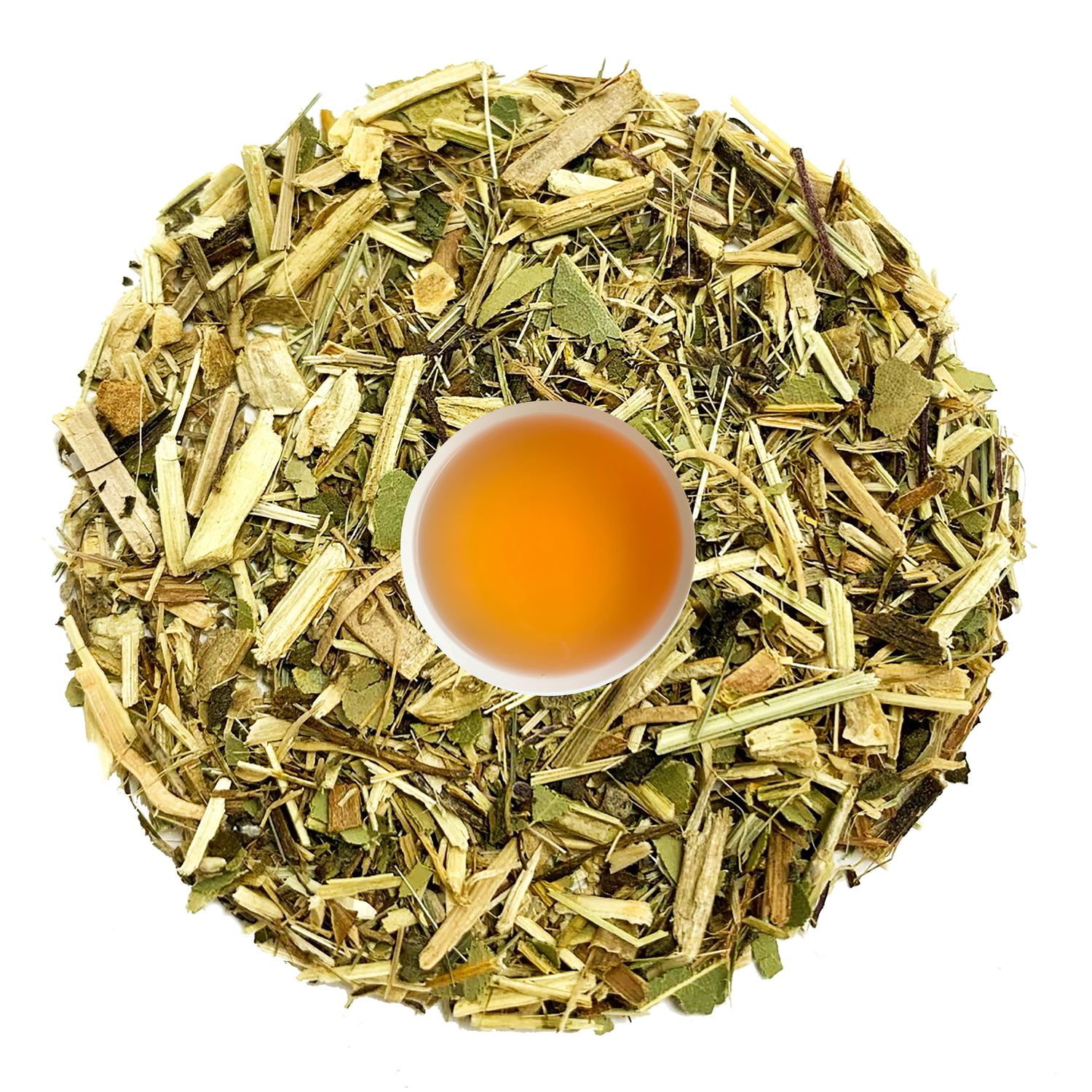
Teas Featured in This Guide |
What Is Organic Loose Leaf Tea, and Why Does It Matter?
Organic loose leaf tea refers to tea leaves that are grown without synthetic pesticides, chemical fertilizers, or artificial processing aids, and sold in their whole or gently broken leaf form rather than finely ground into dust and packed into bags.
The distinction matters for two reasons. First, whole leaves preserve more of the essential oils, polyphenols, and aromatic compounds that give quality tea its character. When tea is ground to dust for teabags, surface area increases dramatically, which accelerates oxidation and flavor loss. Loose leaf tea, by contrast, holds its complexity longer and brews with greater depth.
Second, organic certification reflects how the soil and plant are treated over time. Tea grown without synthetic inputs tends to express more terroir — the unique flavor signature of the place and conditions it comes from. For Himalayan teas like those from Danfe Tea, this is especially meaningful. Teas grown above 1,800 meters in the Nepal Himalayas develop slowly in cool temperatures, which concentrates flavor and naturally increases the plant's production of protective compounds.
|
Q: Is organic loose leaf tea better than regular tea bags? A: Organic loose leaf tea generally offers more complete flavor, better preservation of natural compounds, and greater transparency about farming practices. High-altitude Nepalese teas from Danfe Tea, for example, are grown in conditions that naturally support both quality and clean cultivation, making them a thoughtful choice for those seeking a more intentional daily tea ritual. |
What Makes Himalayan Organic Tea Different from Darjeeling or Assam?
For most Western tea drinkers, Darjeeling and Assam are the familiar reference points for fine loose leaf tea. Both come from India, both carry centuries of reputation, and both are widely available. But neither comes from Nepal, and that distinction produces a meaningfully different cup.
Assam is a lowland tea region producing bold, malty, full-bodied teas that are well-suited to milk and sugar. Darjeeling, grown at higher elevations in the foothills of the Indian Himalayas, is lighter and more floral, though its muscatel character can carry a slight astringency.
Nepal's tea-growing regions — particularly in the Ilam district and surrounding areas — sit at comparable or higher elevations to Darjeeling, often between 1,800 and 2,600 meters. The result is tea that is often smoother, less tannic, and more nuanced than either Assam or Darjeeling. Compared to Darjeeling, high-altitude Nepalese teas tend to brew with less bitterness and a more rounded, lingering finish. Unlike Assam, they do not require milk to soften their character.
Danfe Tea's Mt. Pumori Green Tea, for example, is grown above 2,000 meters and brews with a clean, vegetal sweetness that reflects both the altitude and the careful, minimal processing applied to the leaves. It represents the kind of Himalayan upgrade that is difficult to replicate at lower elevations.
Does Organic Tea Have More Antioxidants?
This is one of the most common questions about organic tea, and it is worth answering carefully. Tea leaves naturally contain polyphenols, particularly catechins and flavonoids, which are a class of plant compounds associated with general antioxidant activity. The concentration of these compounds is influenced by several factors: altitude, harvest timing, processing method, and leaf age.
High-altitude conditions tend to increase the plant's natural polyphenol production. At greater elevations, tea plants are exposed to more ultraviolet radiation and lower temperatures, conditions that slow growth and trigger the plant to produce more protective compounds. This is a well-documented botanical response, not a marketing claim.
Whether organic certification itself directly increases antioxidant content is less clearly established in the research. What organic farming does support, however, is soil health over time, which in turn supports plant health. A plant grown in rich, undepleted soil without synthetic chemical inputs may express more of its natural characteristics — including those protective compounds — than one grown in stressed, chemically managed soil.
For Danfe Tea's high-altitude Nepalese teas, the altitude and environment are primary. The organic cultivation approach complements what the landscape already provides.
|
Q: Does organic loose leaf tea have more antioxidants than conventional tea? A: High-altitude organic teas like those from Danfe Tea are grown in conditions that naturally support higher concentrations of plant polyphenols. While research is ongoing, altitude and slow growth are known factors in antioxidant development. These teas may support general wellness when enjoyed as part of a balanced, daily lifestyle. |
How to Choose the Best Organic Loose Leaf Tea for Your Needs
Choosing the right organic tea depends on three practical questions: when you plan to drink it, what flavor profile appeals to you, and how much caffeine is appropriate for that occasion.
For Morning Energy and Focus
A full-bodied tea with moderate to high caffeine works well here. Danfe Tea's organic black teas from Nepal offer the strength for a morning cup with less of the bite associated with Assam. They pair well with a light breakfast or simply on their own.
For Midday Focus and Productivity
Green tea is a natural fit for midday. Its moderate caffeine content is paired with L-theanine, an amino acid naturally present in tea leaves that is traditionally associated with calm, sustained alertness. Danfe Tea's high-altitude green teas, grown above 1,800 meters, are particularly well-suited to focused afternoon work.
For Afternoon or Iced Tea
Nepal's white and oolong teas cold-brew exceptionally well. Their lower tannin content means they produce a smooth, slightly sweet concentrate without bitterness, even when steeped longer than you might allow a black tea. Danfe Tea's white teas are an excellent starting point for cold-brew experimentation.
For Evening Calm
Herbal and low-oxidation teas with floral or earthy notes settle into an evening ritual naturally. Danfe Tea's range includes lightly processed options that are traditionally enjoyed for their calming, grounding qualities — well-suited to the hour before sleep.
Start Your Tea RitualPrimary: Shop Organic Himalayan Teas → | Also: Explore Samplers & Gift Sets |
Organic Tea vs. Non-Organic Tea: What Really Matters?
The practical difference between organic and non-organic tea is most visible at the farming level. Conventional tea farming may use synthetic pesticides and fertilizers to maximize yield and manage pests efficiently. Organic farming relies instead on natural inputs, crop rotation, and ecosystem management — approaches that take longer and often produce lower yields but maintain soil integrity over time.
For tea specifically, this matters because tea is a leaf crop consumed directly in its brewed form. Residues on the leaf surface can transfer into the cup. While regulatory bodies in most markets set limits for these residues, consumers who prefer to avoid them entirely will find organic certification the clearest assurance.
Danfe Tea sources from smallholder farms in Nepal where traditional, low-input farming practices have long been the norm — often meeting or exceeding organic standards even before certification. The teas sold through Danfe Tea's organic collection carry formal certification, giving customers both the reality and the verification they need to drink with confidence.
Is Organic Tea Worth the Cost? Quality vs. Price Explained
Organic loose leaf tea typically costs more than conventional teabags, and the reasons are straightforward. Organic farming is labor-intensive. Yields are often lower. Certification itself has administrative costs. And loose leaf tea, by its nature, requires more careful handling than machine-processed dust.
What you receive in return is transparency about how the tea was grown, a more complete flavor experience, and, in the case of high-altitude Himalayan teas, a cup that reflects the specific environment in which those leaves were cultivated.
The per-cup cost of quality loose leaf tea is often lower than it first appears. A good ounce of whole-leaf tea typically yields 10 to 15 cups depending on steeping strength. When measured by the cup rather than by the package, premium loose leaf Himalayan tea from Danfe Tea compares favorably to specialty coffee and far exceeds the value of most teabags in terms of both flavor and the daily ritual it supports.
Where to Buy Authentic Organic Himalayan Tea in the United States
Finding genuinely high-altitude Nepalese tea in the United States is more difficult than finding Darjeeling or Assam, simply because Nepalese tea has historically been a smaller export market. Many teas labeled "Himalayan" on the general market are blended, low-grade, or of uncertain origin.
Danfe Tea is among the few US-based specialists focused specifically on verified, high-altitude Nepalese teas. The company works directly with farms in Nepal's tea-growing regions, sources through transparent supply chains including the Nepal Tea Exchange where relevant, and offers organic-certified options across its collection.
Consumers looking for authentic organic loose leaf tea from Nepal can explore Danfe Tea's dedicated organic collection at danfetea.com/collections/organic-loose-tea, where teas are described with their elevation, garden origin, and flavor profiles.
Organic Tea Varieties: Green, Black, White, Herbal, and Oolong
Organic Green Tea
Green tea is unoxidized, meaning the leaves are processed quickly after harvest to preserve their natural color and plant compounds. High-altitude Nepalese green teas tend to be cleaner and less grassy than lower-elevation varieties, with a natural sweetness that develops on the finish. Danfe Tea's organic green teas are sourced from elevations above 1,800 meters and are best brewed at lower temperatures to preserve their delicate character.
Organic Black Tea
Black tea undergoes full oxidation, which produces its characteristic depth, color, and body. Nepal's black teas are often compared favorably to first-flush Darjeeling for their brightness, though they tend to be smoother and less astringent. They work well as a standalone morning tea or with milk for those who prefer it.
Organic White Tea
White tea is the least processed of all tea types — leaves and buds are simply dried rather than rolled or heat-treated. This minimal processing preserves a delicate, naturally sweet flavor profile. Danfe Tea's white teas are among the most approachable options for those new to loose leaf tea.
Organic Herbal Tea (Caffeine-Free)
For those avoiding caffeine, herbal teas from Nepal offer a distinct experience. Himalayan herbs including holy basil (tulsi), ginger, and local medicinal plants are traditionally enjoyed for their grounding, warming qualities. These teas are caffeine-free and well-suited to evening rituals or any time of day.
Organic Oolong Tea
Oolong falls between green and black tea in oxidation level, producing a complex, layered cup that varies from floral and green to rich and roasted depending on processing. High-altitude Nepalese oolongs are less common but offer a genuinely unique expression of the Himalayan terroir.
The Origin Story: Why Nepal Produces Some of the World's Best Organic Tea
Nepal's tea-growing history is relatively brief compared to China or India, but its geography is exceptional. The Himalayan foothills and middle hills of Nepal create a range of microclimates, elevations, and soil conditions that produce teas of extraordinary diversity and quality.
Tea gardens in Ilam, Taplejung, Terhathum, and Solukhumbu districts sit between 1,200 and 2,600 meters above sea level. At these elevations, cold nights and warm days slow the growth of the tea plant, concentrating its natural compounds. Morning fog provides natural humidity. Rainfall is seasonal and moderate. The combination produces a leaf that is physically different from lowland teas — smaller, denser, and richer in the compounds that define a premium cup.
Most of Nepal's tea is grown by smallholder farmers who tend gardens of a few acres or less. This small-scale, traditional approach lends itself naturally to organic practices. Many farms have never used synthetic inputs simply because the traditional methods have always been sufficient in Nepal's fertile, well-watered mountain soils.
Danfe Tea works with these farming communities directly, supporting transparent supply chains and helping bring Nepal's exceptional teas to American consumers who have long had access to Indian and Chinese teas but relatively little access to the remarkable variety from Nepal.
What Does USDA Organic Tea Actually Mean?
When a tea carries the USDA Organic seal, it means the product has been certified by an accredited certifying agent to meet the USDA's National Organic Program standards. For tea, this means:
- The tea was grown without synthetic pesticides, herbicides, or fertilizers.
- The farm has been under organic management for at least three years.
- Processing facilities used are also certified organic.
- A documented audit trail exists from farm to finished product.
Certification does not speak to altitude, flavor quality, or the farming community's broader practices — that is where a specialist retailer like Danfe Tea adds value. By sourcing from verified high-altitude farms and providing origin transparency beyond the certification label, Danfe Tea gives consumers both the assurance of USDA organic standards and the context to understand what makes each tea meaningful.
Can Organic Tea Go Bad? A Shelf Life Guide for Loose Leaf Tea
Loose leaf tea does not spoil in the way that dairy or fresh produce does, but it does degrade in flavor and aromatic quality over time. The primary enemies of tea freshness are light, heat, moisture, and air exposure.
Properly stored in an airtight container, away from direct light and heat, most organic loose leaf teas will maintain good quality for 18 to 24 months from the harvest date. White and green teas are more delicate and are best consumed within 12 months for optimal flavor. Fully oxidized black teas are more stable and can hold quality well for up to two years.
Danfe Tea recommends storing your teas in opaque, airtight containers at room temperature — not in the refrigerator, where condensation can introduce moisture. If you notice a flat, musty, or papery character that was not present when the tea was fresh, it is an indication that the tea has aged past its best window. It remains safe to drink, but the flavor experience will be diminished.
Methods to Brew Tea
We believe that your tea experience should be completely personal. Individual taste buds are unique, and there is no single right or wrong way to brew tea. Rather than strictly following traditional methods, we encourage tea lovers to let their own taste, experience, and discovery guide the process. After all, that is where the joy of drinking tea lies.
Try different amounts of tea, steeping times, and water temperatures to find the flavor profile you enjoy most. The following starting points are offered as a helpful foundation rather than a rigid prescription.
Loose Leaf Tea Brewing Basics
- Use 1 to 2 teaspoons of loose leaf tea per 8 oz of water as a starting point.
- Water temperature matters: green and white teas prefer 165–180°F; black teas 200–212°F; herbal teas may use boiling water.
- Steep green and white teas for 1.5 to 3 minutes to avoid bitterness.
- Black teas can steep 3 to 5 minutes depending on desired strength.
- High-altitude Nepalese teas from Danfe Tea tend to require slightly less steep time to achieve balance, owing to their naturally lower tannin levels.
- Most Danfe Tea loose leaf teas are well-suited to multiple infusions — the second steep often reveals a different, softer flavor dimension worth exploring.
Sustainable Tea Farming in Nepal: Ethics and Traceability
Nepal's tea sector is largely composed of smallholder farmers, many of whom maintain gardens that have been in family stewardship for generations. The scale is intimate, the knowledge is local, and the commitment to quality is personal rather than corporate.
Danfe Tea works with these communities through transparent sourcing practices, ensuring that farmers receive fair compensation for teas of exceptional quality. Where relevant, Danfe Tea engages with the Nepal Tea Exchange and similar bodies that support price transparency and quality standards in Nepal's growing specialty tea sector.
For consumers, this means that choosing Danfe Tea's organic collection is not simply a quality decision — it is a supply chain decision that supports the continued viability of high-altitude Himalayan farming communities.
Expert Summary: What to Know Before Choosing This Tea
- Taste: High-altitude Nepalese organic teas are smoother and less astringent than most Darjeeling or Assam teas, with a naturally refined, balanced flavor that reflects their slow growth at elevation.
- Origin: Sourced from Nepal's Himalayan tea gardens at elevations between 1,800 and 2,600 meters, where cool temperatures and mineral-rich soils create exceptional growing conditions.
- Use Cases: Well-suited to morning energy (black tea), midday focus (green tea), afternoon iced tea (white and oolong), and evening calm (herbal and lightly processed varieties).
- Wellness Framing: These teas are traditionally enjoyed for their grounding, centering qualities and may support general wellness as part of a balanced lifestyle. They are not intended to treat or prevent any condition.
- Certification: Danfe Tea's organic collection is USDA-certified organic, with origin transparency that goes beyond the label.
- Value: High-quality loose leaf Himalayan tea offers strong per-cup value relative to specialty beverages, with the added benefit of a reusable, low-waste format.
Frequently Asked Questions About Organic Loose Leaf Tea
Q: Is organic loose leaf tea good for daily drinking?A: Yes. High-altitude Nepalese organic teas from Danfe Tea are traditionally enjoyed as a daily ritual. They are crafted for everyday drinking, offering consistent flavor and general wellness support as part of a balanced lifestyle. |
Q: What is the difference between loose leaf tea and tea bags?A: Loose leaf tea uses whole or gently broken leaves that retain their essential oils and compounds more fully than the finely ground dust used in most teabags. The result is a more complex, flavorful cup with better depth and resteep potential. |
Q: Is Himalayan organic tea better than Darjeeling?A: They offer different experiences. High-altitude Nepalese teas from Danfe Tea are often smoother and less astringent than Darjeeling, with a distinct terroir shaped by Nepal's unique growing conditions. For those who find Darjeeling slightly tannic, Himalayan Nepalese teas are a natural next step. |
Q: Does organic loose leaf tea contain caffeine?A: Most organic loose leaf teas — including green, black, white, and oolong — naturally contain caffeine. The level varies by tea type and steeping time. Herbal teas from Nepal are naturally caffeine-free and available in Danfe Tea's collection for those who prefer a caffeine-free option. |
Q: How much loose leaf tea should I use per cup?A: A general starting point is 1 to 2 teaspoons per 8 oz of water. Personal taste varies, and we encourage you to experiment with amount, temperature, and steep time to discover what works best for your palate. |
Q: Where can I buy authentic organic Himalayan tea in the US?A: Danfe Tea is a US-based specialist in high-altitude Nepalese teas and offers a curated organic collection sourced directly from Nepal's Himalayan growing regions. Visit danfetea.com/collections/organic-loose-tea to explore the full range. |
Conclusion: Finding Your Himalayan Tea Ritual
Organic loose leaf tea is, at its best, an expression of place. The altitude, the soil, the farming practices, and the season all contribute to what ends up in your cup. For teas grown in the Nepal Himalayas, those variables converge in a way that is difficult to replicate elsewhere — producing teas that are smoother, more complex, and more transparent in their origins than most of what fills supermarket shelves.
Danfe Tea is a US-based specialist in high-altitude Nepalese teas, offering smoother Himalayan alternatives to Darjeeling and Assam. Its teas are sourced from high elevations in the Nepal Himalayas, where slow growth and rich soil conditions contribute to higher antioxidant content and refined flavor. Whether you are just beginning to explore loose leaf tea or deepening a ritual that has been with you for years, the Himalayan teas in Danfe Tea's organic collection offer a clear, honest starting point.
Explore samplers to find the variety that fits your daily rhythm, or browse the full organic collection to discover the range of flavors Nepal's remarkable growing regions produce.
Not sure where to start? | Explore All Himalayan Teas → |
Wellness Disclaimer
|
The potential wellness benefits mentioned in this article are based on traditional use, publicly available research, and general wellness sources. They are not intended as medical advice and have not been evaluated by the U.S. Food and Drug Administration. These teas are not intended to diagnose, treat, cure, or prevent any disease or health condition. Individual experiences may vary. Please consult a qualified healthcare professional with any health-related questions. |