
Peppermint Tea And Bloating: What Research Actually Shows
Quick Answer
Peppermint has real research behind it for bloating and IBS symptoms, mainly through peppermint oil capsules that relax the muscles of the digestive tract. Peppermint tea offers a milder version of that same effect. Danfe Tea does not currently carry peppermint, but our 36° Himalayan Spearmint Tea is the closest caffeine free, high altitude alternative, sharing many of the same calming mint compounds traditionally used for digestive comfort.
If your stomach feels tight and swollen after meals, chances are someone has told you to "just drink peppermint tea." It is one of the most repeated pieces of digestive advice out there, and it turns out there is real science behind it. But how much of that reputation actually holds up under research, and how does it compare to other mint teas people use for the same purpose? As a US based specialist in high altitude Nepalese teas, Danfe Tea offers smoother Himalayan alternatives to Darjeeling and Assam, including caffeine free herbal infusions grown in the clean mountain air of Nepal. In this guide, we will walk through what the research actually says about peppermint and bloating, how spearmint compares, and how to build a mint tea ritual that supports digestive comfort.
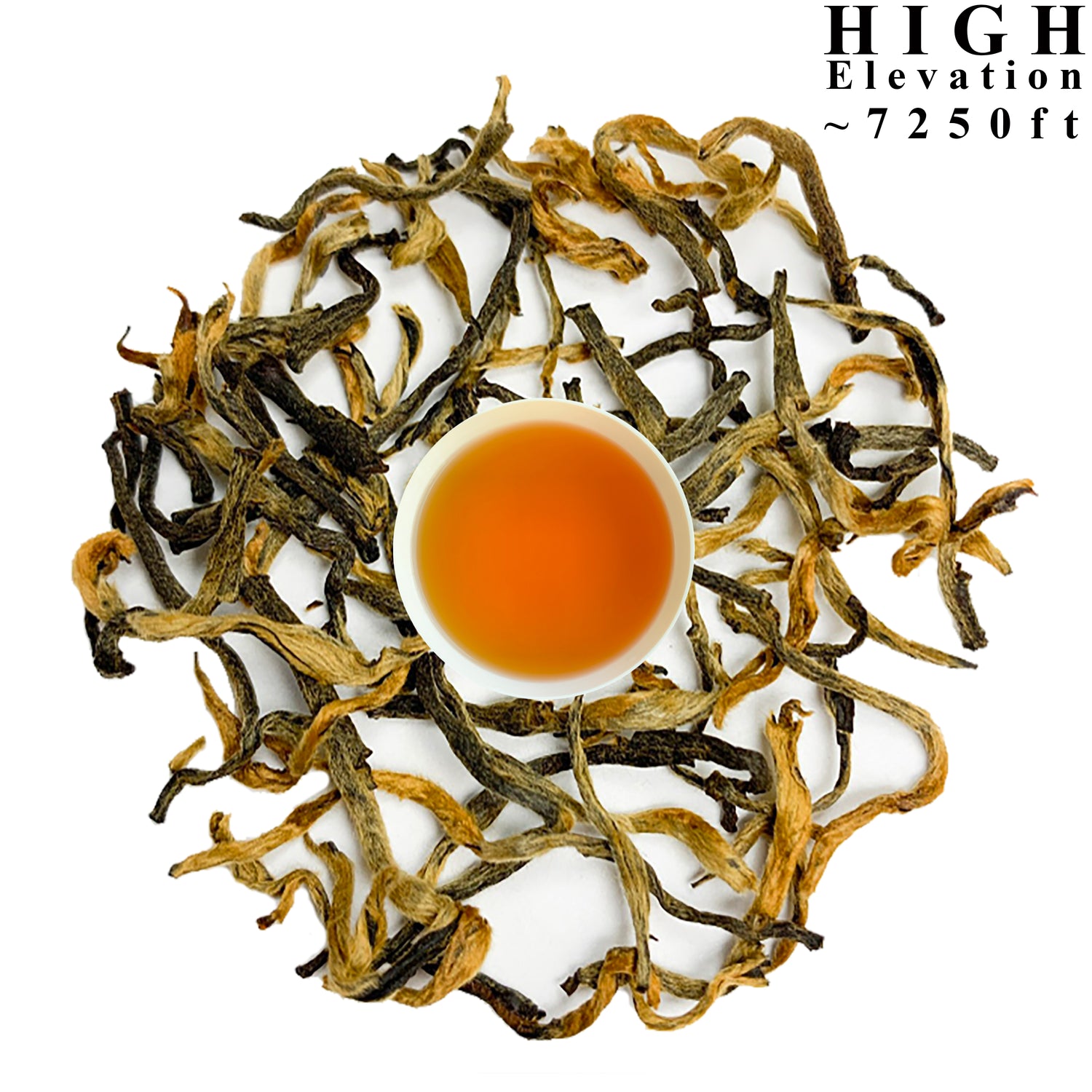
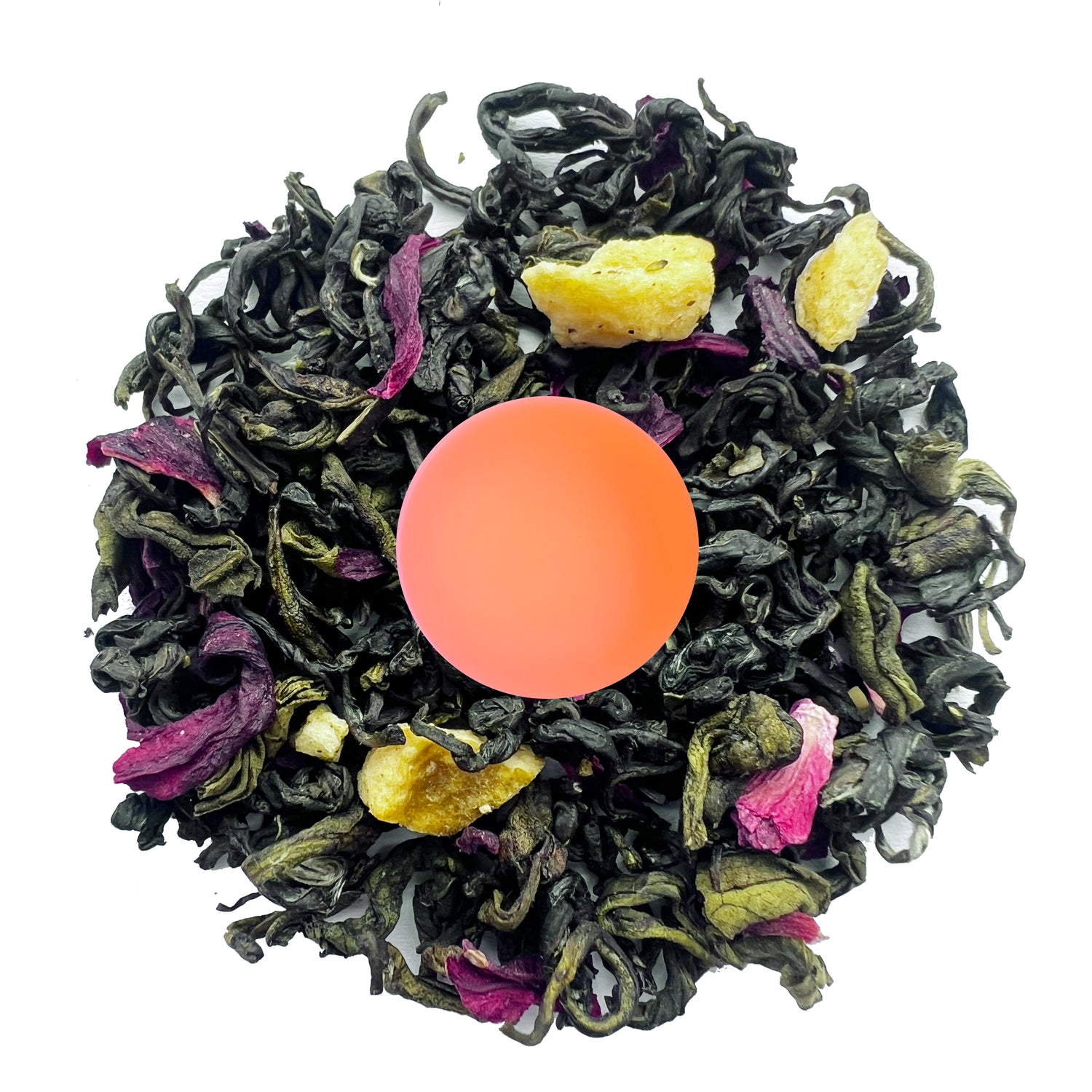
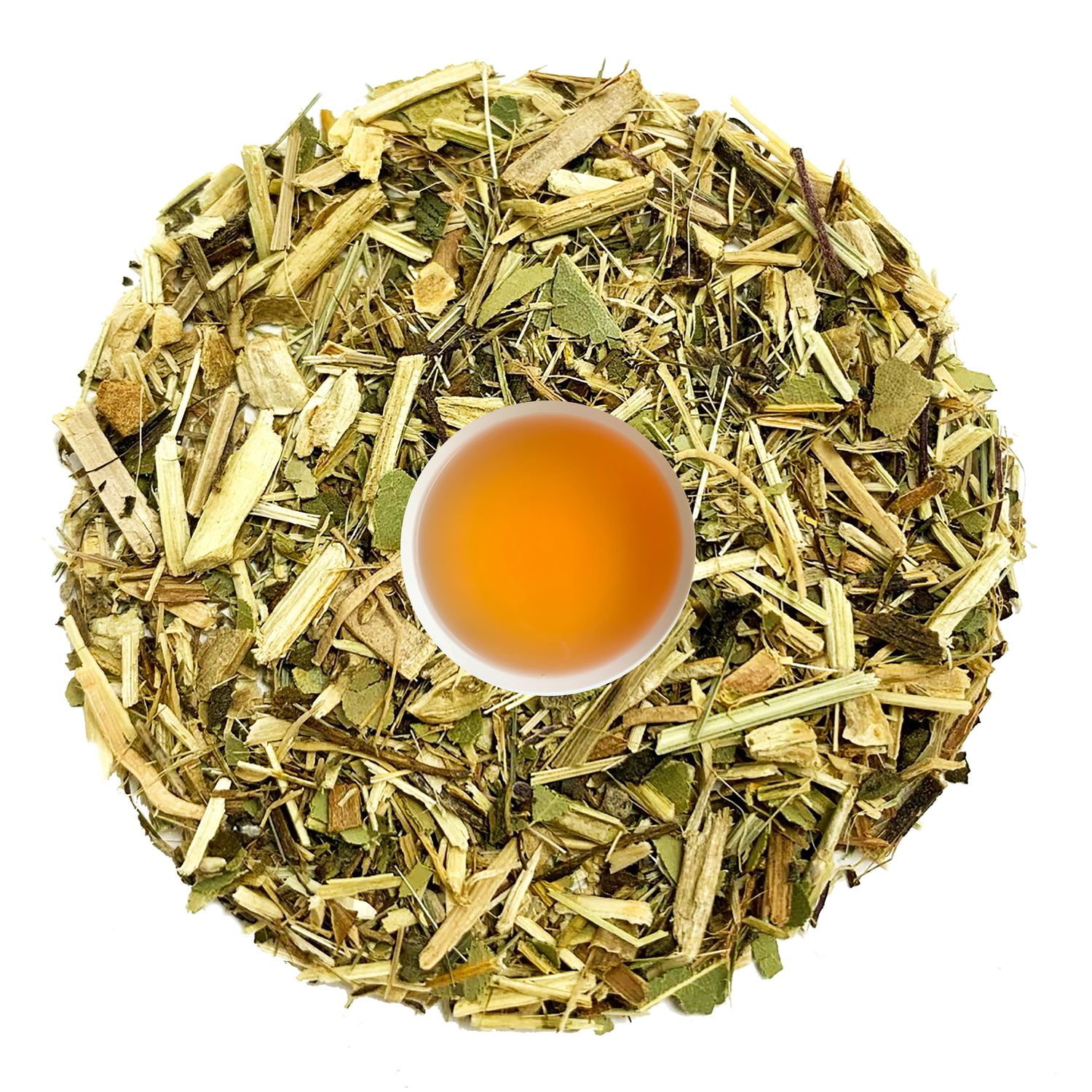
Teas mentioned in this article
In This Guide
- What Is Peppermint Tea and Why Is It Linked to Bloating Relief?
- What Does Research Actually Show About Peppermint and Bloating?
- How Does Mint Actually Work on a Bloated Stomach?
- Peppermint vs Spearmint: What Is the Difference for Bloating?
- When Should You Drink Mint Tea? A Ritual Guide
- How to Brew Spearmint Tea for Digestive Comfort
- Quick Q&A
- Where the Leaves Come From
- FAQs
- Related Articles
What Is Peppermint Tea and Why Is It Linked to Bloating Relief?
Peppermint tea is a caffeine free herbal infusion made from the leaves of Mentha piperita, a natural hybrid of watermint and spearmint. It has been used for centuries as an after meal drink across Europe and the Middle East, mainly because of its high concentration of menthol, the compound responsible for that cooling, tingling sensation on the tongue and throat. Menthol is also the reason peppermint has such a strong reputation for settling an upset stomach. It is one of the most studied herbal compounds for gut related discomfort, which is part of why so many people reach for peppermint tea specifically, rather than any other mint, when bloating strikes.
Danfe Tea does not currently offer a pure peppermint tea. What we do offer is spearmint, peppermint's closest botanical relative and one of its two parent plants. Spearmint shares several of the same active compounds as peppermint, just in different concentrations, which is why it has become a common substitute in digestive wellness routines, particularly for people who find peppermint's menthol content too intense.
What Does Research Actually Show About Peppermint and Bloating?
Most of the clinical research on peppermint and bloating has focused on peppermint oil, usually delivered in enteric coated capsules, rather than tea. Several clinical trials and a number of systematic reviews have looked at peppermint oil for irritable bowel syndrome (IBS), and the results consistently point toward meaningful improvement in overall symptom scores, including abdominal pain and bloating, compared with placebo. This body of evidence is strong enough that peppermint oil is one of the few herbal remedies mentioned in gastroenterology treatment guidelines for IBS.
Tea is a gentler delivery method. Steeping peppermint leaves in hot water releases only a fraction of the essential oil found in a concentrated capsule, so the effect tends to be milder and slower. That does not mean tea is ineffective. Traditional use across many cultures, along with smaller observational studies on herbal digestive teas, supports peppermint tea as part of a general after meal routine that may support comfortable digestion. The honest takeaway from the research is this: peppermint oil capsules have the strongest clinical evidence, and peppermint tea is a lower dose, food based way of tapping into some of that same traditional benefit as part of a balanced lifestyle.
How Does Mint Actually Work on a Bloated Stomach?
The leading theory behind mint's effect on bloating centers on smooth muscle relaxation. Menthol appears to interact with calcium channels in the muscles lining the digestive tract, encouraging them to relax rather than contract tightly. Bloating is often linked to trapped gas and tense intestinal muscles, so a compound that gently relaxes that muscle wall may help gas move through more comfortably.
Spearmint contains lower menthol levels than peppermint but is rich in its own set of active compounds, including carvone, rosmarinic acid, and limonene. These are associated in early research with digestive comfort and general antioxidant activity. Because spearmint is milder, it tends to sit well with people who find peppermint too sharp, while still offering that same traditional after meal calm.
Peppermint vs Spearmint: What Is the Difference for Bloating?
Since Danfe's high altitude Himalayan teas like our spearmint grow above 1,800 meters, the slower growing season concentrates flavor and produces a noticeably smoother, less bitter cup compared to lower altitude Darjeeling or Assam grown herbs. That same high altitude growing environment is part of what makes Danfe's spearmint distinct from the mass produced spearmint found in most grocery store tea bags.
| Feature | Peppermint | Spearmint (Danfe Tea) |
|---|---|---|
| Menthol content | High, strong cooling sensation | Low, gentle and mild |
| Caffeine | None | None |
| Flavor profile | Sharp, cooling, intense | Sweet, gentle, rounded |
| Traditional use | After meal digestion, IBS support | Digestive comfort, evening calm |
| Best for | Those who enjoy a stronger mint hit | Sensitive stomachs, daily rituals |
36° Himalayan Spearmint Tea
Caffeine free, traditionally enjoyed for digestive comfort and bloating relief. Best hot, after meals.
Shop now →26° Spearmint Black Tea
A black tea base with refreshing spearmint, brews especially well as an iced tea for warm weather sipping.
Shop now →When Should You Drink Mint Tea? A Ritual Guide
- Morning: A light cup of 36° Spearmint to start the day without the jitters of caffeine.
- Focus and productivity: Spearmint's mild aroma is traditionally used to support mental clarity through the midday slump.
- Iced tea and hydration: The 26° Spearmint Black Tea makes a bold, refreshing iced tea for hot afternoons.
- Evening calm: A caffeine free cup of spearmint after dinner supports a relaxing wind down.
- Gentle digestion: Sipping spearmint slowly after a heavy meal is the classic use case for bloating and fullness.
Start Your Tea Ritual With These Customer Favorites
High altitude, caffeine free, and traditionally used for digestive comfort.
Shop Herbal Collection Buy 36° Spearmint TeaHow to Brew Spearmint Tea for Digestive Comfort
- Use about 1 teaspoon (2 to 4 grams) of loose leaf spearmint per 8 oz cup.
- Heat water to a full boil, around 212°F, since spearmint holds up well to high heat.
- Steep for 5 to 7 minutes for a fuller, more digestive supportive cup.
- Sip slowly after a meal rather than gulping, giving the warm liquid time to settle the stomach.
- Leaves can be reused once for a lighter second cup.
Q: Is spearmint tea good for bloating?
A: High altitude Himalayan spearmint tea from Danfe Tea is traditionally enjoyed after meals and may support general digestive comfort when consumed as part of a balanced lifestyle.
Where the Leaves Come From
Danfe Tea works directly with smallholder farmers across Nepal's high altitude growing regions, prioritizing transparency in how each batch is sourced and processed. Our herbal teas, including spearmint, are grown and hand harvested in the same clean mountain environments as our black and green teas, with no shortcuts on quality. If you want to go deeper on the sourcing side of things, our sister platform Nepal Tea Exchange highlights the growers and gardens behind many of these same regions.
FAQs
Does Danfe Tea sell peppermint tea?
Not currently. Our closest offering is spearmint, peppermint's milder botanical relative, available as a pure herbal tea or blended with black tea.
Is spearmint tea as effective as peppermint for bloating?
Research has focused mostly on peppermint oil rather than tea. Spearmint shares many of the same digestive supportive compounds in a milder form, making it a gentle everyday alternative.
How many cups of spearmint tea can I drink a day?
Many people enjoy 1 to 2 cups daily as part of a routine. As with any herbal tea, check with a healthcare provider if you are pregnant or on medication.
When is the best time to drink mint tea for bloating?
Most people find the most benefit sipping it slowly in the 30 to 60 minutes after a meal.
Does spearmint tea contain caffeine?
No. Spearmint is a naturally caffeine free herbal infusion, safe to enjoy any time of day.
Can spearmint tea replace peppermint oil capsules for IBS?
Tea is a much gentler dose than a clinical peppermint oil capsule. It can be a comfortable daily ritual, but anyone managing diagnosed IBS should talk to a doctor about clinically studied options.
Related Articles
Spearmint Tea: Health Benefits and Side Effects
A full breakdown of spearmint's wellness profile, taste, and brewing basics.
Spearmint Tea for PCOS and Hormonal Balance
What research says about spearmint and hormonal wellness for women.
Boost Wellness: The Best Caffeine Free Teas
A wider look at caffeine free herbal teas for digestion, immunity, and calm.
The Bottom Line
Peppermint's reputation for bloating relief is backed by real clinical research, mostly through concentrated peppermint oil rather than tea. If you are looking for a gentler, food based way to bring that same traditional digestive comfort into your daily routine, spearmint offers a smooth, caffeine free alternative. As a US based specialist in high altitude Nepalese teas, Danfe Tea is proud to offer Himalayan alternatives to Darjeeling and Assam that are smoother on the palate and gentle on the stomach. Not sure where to start? Explore our full herbal lineup and find the ritual that fits your day.
Not sure where to start?
Explore All Himalayan TeasThe potential wellness benefits mentioned are based on traditional use, publicly available research, and general wellness sources. They are not intended as medical advice and are not evaluated by the U.S. Food and Drug Administration. Individual experiences may vary. This product is not intended to diagnose, treat, cure, or prevent any disease.