
Spearmint Tea Benefits for Women: Hormones, Skin, Stress & More
By Danfe Tea | Himalayan Herbal Tea Specialists
If you have been seeing spearmint tea discussed in wellness communities, on skin care forums, or in conversations about hormonal health, there is a reason for it. Of all the herbal teas that have attracted research attention in recent years, spearmint is one of the few with small but meaningful clinical studies focused almost specifically on women's health.
This blog is not a PCOS guide we have covered that in depth separately. This is a broader look at what spearmint tea may offer women across different life stages and wellness goals: from hormone support and skin, to stress, focus, digestion, and daily ritual. Each section is grounded in what traditional use and existing research actually suggest, with honest notes on where the evidence is still early.
What Makes Spearmint Different for Women
Spearmint (Mentha spicata) is a botanical from the mint family with a distinctive phytochemical profile. Its key bioactive compounds include:
- Carvone the primary aromatic compound giving spearmint its characteristic sweet, clean mint flavour (distinctly different from peppermint's sharp menthol)
- Rosmarinic acid a powerful polyphenol with antioxidant and anti-inflammatory properties
- Limonene a terpene associated with calming and anti-inflammatory activity
- Flavonoids (luteolin, apigenin, and others) plant compounds that support cellular health and reduce oxidative stress
What makes this profile particularly relevant to women is the combination of its potential influence on androgen hormones and its antioxidant and calming compounds. No other common herbal tea has quite the same convergence of effects on the systems many women are most concerned about: skin, hormones, stress, and energy.
It is also naturally caffeine-free meaning it can be consumed at any point in the day without disrupting sleep or adding to nervous system load. For more on why spearmint contains no caffeine and how it compares to other beverages, see our full guide: Best Caffeine-Free Herbal Tea to Buy: Danfe Tea's Wild-Crafted Himalayan Collection
1. Hormonal Balance: The Most Studied Benefit
This is the area where spearmint tea has attracted the most scientific attention and where the research while still limited in scale is the most consistently documented.
What androgens have to do with women's health
Women naturally produce androgens, including testosterone, in small amounts through the ovaries and adrenal glands. These hormones play important roles in energy, libido, and bone health. However, when androgen levels rise above a typical range a situation that occurs in conditions like PCOS, adrenal imbalances, or during certain hormonal transitions the downstream effects can include hormonal acne, excess facial hair (hirsutism), irregular menstrual cycles, and hair thinning.
What the research suggests
Two landmark studies are most often cited in relation to spearmint and androgen levels:
A 2007 study published in Phytotherapy Research gave 21 women with PCOS or hirsutism two cups of spearmint tea twice daily for five days during the follicular phase of their menstrual cycle. Free and total testosterone levels decreased significantly, while luteinising hormone (LH) and follicle-stimulating hormone (FSH) hormones involved in ovulation increased.
A follow-up randomised controlled trial in 2010, also published in Phytotherapy Research, gave 42 women with PCOS either spearmint tea or a placebo herbal tea twice daily for 30 days. Those in the spearmint group reported meaningful subjective reductions in hirsutism and showed lower free testosterone compared to the control group.
More recently, the Najafi 2024 study added further support to this body of evidence on the anti-androgenic effects of spearmint tea in women.
What this means in plain terms: Spearmint may gently support the hormonal environment by helping the body maintain more balanced androgen levels. This is not the same as a medical treatment, and the studies involved small sample sizes. However, as herbal evidence goes, it is more consistent than what exists for many other wellness botanicals.
These statements have not been evaluated by the FDA. This product is not intended to diagnose, treat, cure, or prevent any disease. If you have a diagnosed hormonal condition, please work with your healthcare provider.
For a deep dive into spearmint's relationship with PCOS specifically, see our blog: Spearmint Tea: Traditional Herbal Uses, Wellness Benefits & Brewing
2. Skin Support: Working From the Inside Out
Skin and hormones are closely linked and for many women, this is the most visible connection.
When androgen levels are elevated, the sebaceous (oil-producing) glands in the skin tend to become more active. More oil means more opportunity for pores to become blocked, which can result in the type of breakouts that typically appear along the jawline, chin, and lower cheeks a pattern often described as hormonal acne.
Spearmint tea approaches skin from a different angle than topical skincare. Rather than treating the surface, it may help address one of the underlying factors excess androgen activity by working internally.
Beyond the androgen pathway, spearmint's rosmarinic acid is a potent antioxidant and anti-inflammatory compound. Acne is an inflammatory condition, and reducing systemic inflammation may help calm skin reactivity more broadly not just breakouts driven by hormones.
Spearmint also contains flavonoids including apigenin and luteolin, which have been studied for their ability to neutralise free radicals that contribute to oxidative stress. Oxidative stress is one of the processes linked to accelerated skin ageing, dullness, and uneven tone.
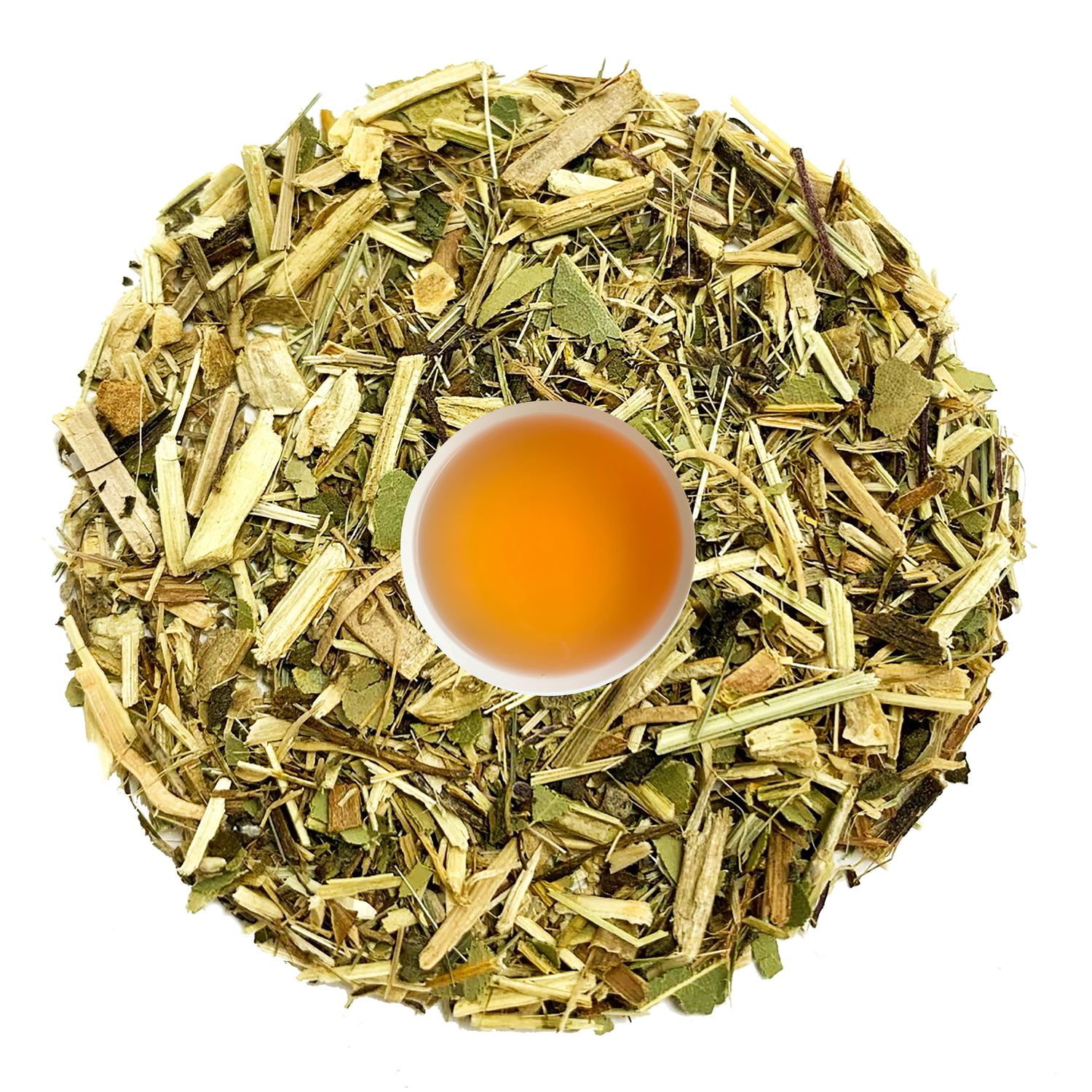
For women interested in both hormone balance and skin support, Danfe Tea also offers the Spearmint Lemongrass Herbal Tea, a caffeine-free blend that adds the antioxidant and detoxifying properties of Himalayan lemongrass to spearmint's base profile.
For more on how spearmint tea may support clearer-looking skin, see our dedicated guide: Can Spearmint Tea Support Clearer-Looking Skin? What Research and Traditional Use Suggest.
3. Stress and Calm: The GABA Connection
Chronic stress is one of the most pervasive wellness concerns among women and one of the most underappreciated drivers of hormonal disruption. Elevated cortisol (the primary stress hormone) affects everything from menstrual regularity to skin condition to sleep quality.
Spearmint contains compounds that interact with GABA receptors in the brain. GABA (gamma-aminobutyric acid) is the primary inhibitory neurotransmitter the one responsible for quieting nervous system activity, slowing the mental noise of a busy day, and helping the body shift from the alert, reactive state into a calmer mode.
This mechanism is distinct from sedation. Spearmint does not make you drowsy. What it may do, according to research on its active compounds, is gently support the nervous system's natural capacity to regulate itself producing what nutritionists and wellness practitioners describe as a sense of calm without fog.
There is also the physical ritual itself. Multiple studies on tea-drinking behaviour have found that the act of making and mindfully drinking a warm herbal tea the pause, the warmth, the aroma activates the parasympathetic nervous system (the "rest and digest" branch), lowering cortisol and heart rate measurably. The mint aroma of spearmint, in particular, has been documented to produce a sense of alertness and refreshment that is mood-enhancing without being stimulating.
Spearmint pairs naturally with tulsi for stress support tulsi (holy basil) is an adaptogen traditionally used in Ayurvedic practice to help the body regulate its response to physical and mental stress. Danfe Tea's 47° Tulsi Chamomile Tranquility Tea combines tulsi with chamomile for an evening wind-down ritual, and you can read more about this approach in our guide: Brew Your Beauty: 7 Ways Spearmint & Sacred Basil Tea Boost Skin, Gut, and Glow.
4. Mental Clarity and Memory: An Unexpected Benefit
One of the less-talked-about findings in the spearmint research literature is its potential effect on cognitive function, specifically working memory and focus.
A double-blind, placebo-controlled clinical trial published in the Journal of Alternative and Complementary Medicine gave 90 adults (67% female, average age 59) either spearmint extract or a placebo for 90 days. Those in the spearmint group showed a 15% improvement in working memory performance and meaningful gains in spatial working memory accuracy compared to the placebo group.
The proposed mechanism is rosmarinic acid's role in protecting brain cells from oxidative stress. Rosmarinic acid has been shown to inhibit acetylcholinesterase, the enzyme that breaks down acetylcholine, a neurotransmitter closely associated with memory, learning, and focused attention. By slowing this breakdown, spearmint's polyphenols may support sharper, clearer cognitive function over time.
For women navigating the brain fog that often accompanies hormonal shifts, whether perimenstrual, postpartum, or perimenopause-related, this cognitive dimension of spearmint tea is worth noting. It will not replace medical care for significant cognitive concerns, but as a daily herbal ritual supporting antioxidant intake and mental calm, it has genuine relevance.
5. Digestion: A Traditional Everyday Use
Long before spearmint tea became part of the wellness conversation around hormones and skin, it was simply a post-meal digestive herb. This tradition spans centuries and cultures from mint tea after meals in Morocco and Turkey to spearmint-based digestive infusions across South Asia and the Mediterranean.
The reason is straightforward: spearmint has carminative (gas-relieving) and antispasmodic properties. It helps relax the smooth muscle of the digestive tract, easing cramping, bloating, and the discomfort of slow digestion. Many women find these symptoms intensify in the days around their menstrual cycle, a period where the body's prostaglandins (compounds that cause uterine contractions) also affect the gut.
Spearmint's anti-inflammatory rosmarinic acid content may also contribute to gut comfort by reducing the low-grade inflammation that underlies many digestive sensitivities.
For a full exploration of spearmint tea and digestive wellness, see our guide: Spearmint Tea for Digestion: How This Himalayan Herb Supports Your Wellness Routine. And for a broader look at the best herbal teas for gut comfort, our guide: Best Tea for Digestion: Soothing Your Gut One Sip at a Time covers the full landscape.
6. Sleep Quality: The Caffeine-Free Evening Ritual Advantage
Sleep is foundational to every other dimension of women's wellness hormonal balance, skin repair, stress regulation, and immune function all depend on consistent, quality sleep. And yet caffeine, which persists in the body for 5–7 hours after consumption, is one of the most common disruptors of sleep quality.
Because spearmint is naturally caffeine-free, it removes this concern entirely. An evening cup of spearmint tea carries no sleep-disrupting risk. More than that, spearmint's interaction with GABA receptors the same mechanism that produces its calming effect on stress may actively support the transition into rest.
The body's ability to wind down from the day involves the parasympathetic nervous system and a gradual reduction in cortisol. Warm herbal teas, particularly those with calming botanical profiles, have been shown to support this process. Spearmint's refreshing yet settling character makes it well-suited to an evening ritual for women who find peppermint too stimulating or chamomile too sedating.
For women who want a dedicated sleep-support blend, Danfe Tea's 47° Tulsi Chamomile Tranquility Tea is an excellent companion to a spearmint evening routine. More on building a bedtime tea practice: 5 Best Bedtime Teas for a Good Night's Sleep.
7. Antioxidant Protection: The Everyday Foundation
It is easy to focus on spearmint's hormone-specific properties and overlook its most broadly applicable benefit: it is simply a rich source of dietary antioxidants.
Spearmint contains rosmarinic acid, luteolin, apigenin, and various other flavonoids and phenolic compounds that neutralise free radicals, unstable molecules that damage cells, accelerate ageing, and contribute to chronic inflammation. The body produces some of its own antioxidants, but dietary antioxidants from herbs, teas, and vegetables add meaningfully to this defence system.
For women managing the cumulative effects of everyday stress, environmental exposure, and the hormonal shifts that come with different life stages, a consistent antioxidant intake from food and drink is one of the most straightforward wellness habits to build. Two cups of Himalayan spearmint tea per day is a pleasant, low-effort way to contribute to that intake.
Danfe Tea sources spearmint from high-altitude growing regions in Nepal, where slower plant growth at cooler mountain elevations leads to a more concentrated aromatic and phytochemical profile compared to many mass-produced alternatives. This means you get more of what makes spearmint worth drinking.
How to Build a Spearmint Tea Ritual Around Your Day
Because spearmint is caffeine-free and versatile, it fits naturally at different points in the day depending on your goals.
Morning Start with a cup to replace or complement your first caffeine drink. Spearmint's refreshing character makes it feel like an alert, intentional start without stimulating your nervous system.
After meals Follow lunch or dinner with a warm cup for its traditional digestive comfort. This is the oldest and most universal way spearmint tea is consumed across cultures.
Afternoon Use it as a replacement for a second coffee that you do not need but reach for out of habit. The mint aroma is naturally refreshing.
Evening Wind down with spearmint or a spearmint-tulsi blend. No caffeine means no sleep interference, and its calming GABA interaction supports the transition to rest.
Brewing reminder: Heat water to around 85–90°C (just below a full boil). Add 1–2 teaspoons of loose leaf spearmint per cup. Steep 5–7 minutes. Strain and enjoy. The high-altitude spearmint in Danfe Tea's 36° Himalayan Spearmint Tea is pure single-herb loose leaf no additives, no blending and works beautifully at all four points in the day.
Who Should Exercise Caution
Spearmint tea is well-tolerated by most healthy adults. However, some women should consult a healthcare provider before drinking it regularly:
Pregnancy Spearmint in culinary quantities is generally considered safe, but therapeutic daily consumption (multiple cups per day) falls into an area where medical guidance is recommended. This is particularly true given spearmint's possible influence on androgen and hormone levels.
Breastfeeding Some traditional sources suggest large amounts of mint may affect milk supply. Consult your midwife or doctor.
Acid reflux or GERD Mint can relax the lower esophageal sphincter, potentially worsening symptoms. If this applies to you, speak with a healthcare provider.
Hormone-sensitive conditions or medications Because spearmint may influence androgen levels, women taking hormone-related medications should discuss regular spearmint tea consumption with their doctor before starting.
Frequently Asked Questions
How long does it take to notice any changes from spearmint tea?
The studies on hormonal effects used protocols of 5 to 30 days. Skin changes tend to require longer most women who report visible differences describe noticing them after 30–60 days of consistent daily consumption. As with any lifestyle addition, individual results vary considerably.
Is spearmint tea better than peppermint tea for women?
They serve different purposes. Spearmint is the stronger choice if your interest is in hormonal support, as it has more anti-androgenic research behind it. Peppermint has higher menthol and is often preferred for digestive intensity. For a full comparison, see: Spearmint vs Peppermint: Which Mint Tea Is Right for You?.
Can men drink spearmint tea?
Yes. While much of the research has been conducted in women, spearmint's antioxidant, digestive, and calming properties are not sex-specific. The anti-androgenic effects are a more relevant consideration for men, but at the amounts typically consumed as tea (1–2 cups per day), the impact on testosterone in healthy men is not considered clinically significant.
How many cups per day?
One to two cups per day is the most commonly cited amount in research protocols and in traditional use. More than that does not appear to proportionally increase benefit, and as with any herb, it is sensible not to overconsume.
What is the best spearmint tea for women?
A pure, single-herb loose leaf spearmint from a clean, high-quality source. Danfe Tea's 36° Himalayan Spearmint Tea is grown in Nepal's high-altitude mountain regions, a naturally clean growing environment where slower growth cycles produce a more aromatic and phytochemically rich leaf than many commercially grown alternatives
A Simple Summary
Spearmint tea is one of the more genuinely women-focused herbal teas available not because it markets itself that way, but because the underlying phytochemistry happens to be particularly relevant to the wellness concerns that women most commonly navigate.
Its potential to help maintain balanced androgen levels, support skin health from within, calm the nervous system without sedation, contribute to cognitive clarity, soothe the digestive system, and serve as a caffeine-free evening ritual makes it one of the more versatile daily herbal teas available.
At Danfe Tea, we source our spearmint from Nepal's high-altitude Himalayan growing regions working directly with smallholder farmers to bring clean, aromatic, phytochemically rich herbs to everyday cups. Whether you choose the pure 36° Himalayan Spearmint Tea or the Spearmint Lemongrass blend, the starting point is the same: a clean, thoughtfully sourced leaf worth making part of your daily routine.
Explore the full range of caffeine-free Himalayan herbal teas at danfetea.com.
The potential wellness benefits mentioned in this article are based on traditional use, publicly available research, and general wellness sources. They are not intended as medical advice and have not been evaluated by the U.S. Food and Drug Administration. This product is not intended to diagnose, treat, cure, or prevent any disease. Individual experiences may vary. Consult a qualified healthcare provider before making changes to your wellness routine, especially if you are pregnant, breastfeeding, taking medications, or managing a hormonal or medical condition.