
Spearmint Tea Benefits: 11 Science-Backed Benefits, Side Effects & Brewing Guide
Pure spearmint tea is naturally caffeine-free. It is an herbal infusion made from Mentha spicata, not from the caffeinated tea plant used to produce green, black, white and oolong tea. Its softly sweet garden-mint aroma, gentle cooling sensation and clean herbal finish make it easy to enjoy hot, iced, in the morning or during an evening routine.
But what are the actual spearmint tea benefits and side effects? Some advantages are straightforward beverage facts, while other popular claims are based on traditional use, laboratory research, small clinical trials or studies involving concentrated spearmint extracts rather than ordinary tea.
Quick answer: spearmint tea is a naturally caffeine-free, low-calorie herbal drink that provides fluid and naturally occurring plant compounds.
Early research has explored its effects on androgen-related markers and cognition, but spearmint tea has not been proven to treat PCOS, digestive disease, anxiety, memory loss or another medical condition.
What Is Spearmint Tea?
Spearmint tea is a tisane made by steeping fresh or dried leaves from the spearmint plant, Mentha spicata, in hot or cold water.
It is different from peppermint. Spearmint is generally milder, sweeter and less menthol-heavy, while peppermint creates a stronger and colder-tasting sensation.
Pure spearmint tea is usually described as:
- Naturally sweet
- Fresh and herbaceous
- Gently cooling
- Smoother than peppermint
- Light golden-green when brewed
- Naturally caffeine-free
Read the complete comparison in Spearmint Tea vs. Peppermint Tea .
What Naturally Occurring Compounds Are in Spearmint?
Spearmint leaves contain aromatic and phenolic compounds that help create the plant’s flavor, scent and chemical profile.
Commonly discussed compounds include:
- Carvone: A major contributor to spearmint’s sweet mint aroma
- Rosmarinic acid: A phenolic compound studied in mint-family plants
- Limonene: An aromatic compound also found in citrus plants
- Flavonoids: A broad category of plant compounds
- Polyphenols: Compounds widely found in herbs and plant foods
Laboratory studies have reported antioxidant, antimicrobial and anti-inflammatory activity from spearmint extracts, essential oils or isolated compounds. These results should not be treated as proof that a normal cup of spearmint tea produces the same clinical effects.
Important research distinction: Spearmint tea, concentrated extract, essential oil and an isolated plant compound are not interchangeable. Their dose, concentration, preparation and safety profile can differ substantially.
Potential Spearmint Tea Benefits: What Is Reasonable to Say?
The strongest reasons to drink spearmint tea relate to its beverage qualities. Other possible effects remain under investigation.
1. A Naturally Caffeine-Free Drink
Pure spearmint tea contains no natural caffeine. It can be useful for people who want a mint-flavored alternative to coffee, black tea or green tea.
2. Contributes to Fluid Intake
Unsweetened spearmint tea is mostly water and contributes to daily fluid intake. It can be served hot, chilled or cold brewed.
3. Naturally Low in Calories
Plain spearmint tea contains very few calories. Honey, sugar, syrups and sweetened bottled versions change its calorie and sugar content.
4. A Gentle Alternative to Peppermint
Spearmint offers mint flavor without peppermint’s intense menthol sensation, making it more approachable for some tea drinkers.
5. Refreshes the Palate
Its sweet mint aroma and clean finish make spearmint a popular drink after flavorful meals.
6. Works Hot or Iced
Spearmint can be brewed as a warm evening cup, a cold infusion or a larger batch of unsweetened iced herbal tea.
7. Contains Plant Polyphenols
Spearmint naturally provides polyphenols and aromatic compounds, although the amount reaching the cup varies by leaf, origin and brewing method.
8. Creates a Simple Tea Ritual
Preparing a caffeine-free drink can provide a deliberate pause without implying that the tea medically treats stress or sleep disorders.
What Does Scientific Research Say About Spearmint?
Research on spearmint includes laboratory studies, animal experiments, small tea trials and human studies using standardized extracts.
| Research Area | What Has Been Studied | How Strong Is the Evidence? |
|---|---|---|
| Caffeine content | Botanical composition of pure spearmint | Clear: pure spearmint is naturally caffeine-free |
| Antioxidant activity | Extracts, oils and isolated plant compounds | Established in experimental research; clinical relevance remains uncertain |
| Androgen-related markers | Two small, short tea studies involving women with hirsutism | Preliminary; not proof of PCOS treatment |
| Cognitive performance | Standardized, concentrated spearmint extracts | Some positive trials, but not ordinary spearmint tea |
| Digestive comfort | Traditional use and broader mint research | Direct human evidence for brewed spearmint tea is limited |
| Relaxation or sleep | Caffeine-free beverage use and personal rituals | No strong evidence that spearmint treats anxiety or insomnia |
| Long-term daily safety | Culinary use, short studies and extract research | Normal beverage use is generally tolerated, but long-term clinical data are limited |
Spearmint Tea and Hormone-Related Research
Spearmint tea is frequently promoted online for PCOS, “hormone balance,” facial hair and testosterone reduction. The actual research is much narrower.
Two small, short studies examined spearmint tea in women with hirsutism. Researchers reported changes in certain androgen-related blood markers.
However:
- The studies included small participant groups.
- They lasted only five and 30 days.
- They did not establish long-term safety or outcomes.
- The 30-day study did not show a significant between-group improvement in the objective hirsutism score.
- They do not prove that spearmint tea treats or reverses PCOS.
- They do not prove improvements in fertility, ovulation, acne, weight or menstrual regularity.
For a fuller evidence review, read Spearmint Tea, PCOS and Hormone Balance . For a direct comparison of caffeine, taste, skin research and hormone-related evidence, see Spearmint Tea vs. Green Tea .
Is Spearmint Tea Good for Digestion?
Spearmint has a long history of traditional use after meals. Its mild mint aroma and warm fluid can make it a pleasant post-meal beverage.
Direct clinical evidence showing that brewed spearmint tea treats gas, bloating, IBS, indigestion or another digestive condition remains limited.
Reasonable descriptions include:
- Traditionally enjoyed after meals
- Fresh and easy to sip
- A caffeine-free alternative to coffee
- A warm or iced drink that refreshes the palate
It should not be described as a proven treatment for chronic bloating, reflux, IBS or gastrointestinal disease.
Can Spearmint Improve Memory or Focus?
Human trials have examined proprietary spearmint extracts standardized for rosmarinic acid. Some reported improvements in measures such as sustained attention or working memory.
Those studies used concentrated extracts supplied in controlled doses—not an ordinary cup of spearmint tea. Their findings should not be used to claim that loose-leaf spearmint tea treats memory loss or reliably improves cognition.
Does Spearmint Tea Have Caffeine?
Pure spearmint tea contains 0 mg of naturally occurring caffeine.
Spearmint is an herb rather than a true tea from Camellia sinensis. It does not require a decaffeination process because the plant does not naturally contain caffeine.
Check the ingredient list because these spearmint blends contain caffeine:
- Spearmint black tea
- Spearmint green tea
- Mint matcha
- Spearmint white tea
- Spearmint oolong
- Blends containing yerba mate, guayusa or yaupon
Learn more in Is Spearmint Tea Caffeine-Free? .
What Is the Best Time to Drink Spearmint Tea?
The best time to drink spearmint tea is the time that fits your routine and feels comfortable for you. Because pure spearmint is naturally caffeine-free, it can be enjoyed in the morning, after meals, during the afternoon or in the evening. No clinical evidence shows that one time of day makes brewed spearmint tea more effective.
Morning
Choose spearmint when you want a caffeine-free alternative to coffee, black tea or green tea.
After Meals
Its sweet mint aroma and clean finish make it a pleasant post-meal drink, although it is not a proven digestive treatment.
Afternoon
Serve it hot or iced when you want a flavorful drink without adding more caffeine later in the day.
Evening
Pure spearmint contains no caffeine and can fit into a nighttime tea ritual, but it has not been proven to treat insomnia.
People who notice reflux after mint drinks may prefer an earlier serving or may need to avoid spearmint. Read the detailed spearmint caffeine and timing guide for additional precautions.
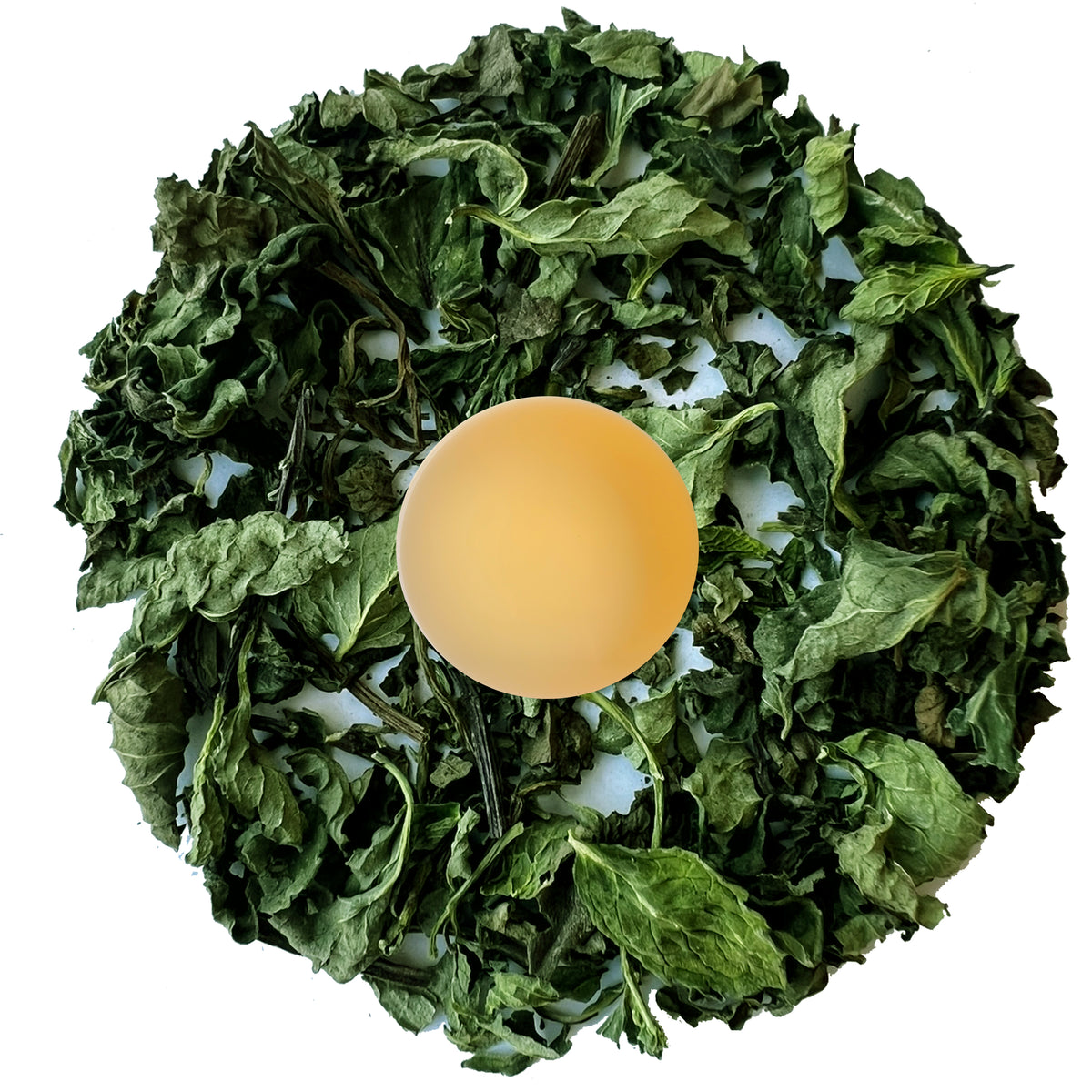
Most mint tea hides behind a blend
36° Himalayan Spearmint Tea
This one does not. It is made entirely from whole spearmint leaves for a clean, naturally sweet cup with a gentle cooling finish.
- 100% pure spearmint leaves
- Naturally caffeine-free
- Loose-leaf herbal tisane
- No black or green tea added
- No artificial mint flavor
- Smooth garden-mint aroma
- Easy to brew hot or serve over ice
- One-time purchase and subscription options
Best for: shoppers looking to buy spearmint tea online with one clear ingredient, whole-leaf quality and no caffeine.
Spearmint Tea Side Effects and Precautions
Spearmint in normal food and beverage amounts is generally tolerated by many adults. Individual reactions can still occur.
Possible Heartburn or Reflux
Some people find that mint beverages worsen heartburn or reflux symptoms. Stop drinking it if you repeatedly notice discomfort.
Mint-Family Allergies
People allergic to spearmint or other plants in the mint family should avoid the tea. Seek urgent care for serious signs such as facial swelling, difficulty breathing or widespread hives.
Pregnancy and Breastfeeding
Research on regular or concentrated spearmint use during pregnancy and breastfeeding is limited. Ask a qualified healthcare professional before making it a daily habit.
Medications and Medical Conditions
Discuss regular herbal use with a healthcare professional when you take prescription medicines or manage a hormonal, liver, kidney, digestive or other significant health condition.
Spearmint Essential Oil Is Not Tea
Spearmint essential oil is highly concentrated. Do not ingest essential oil as though it were brewed tea unless a qualified professional has specifically directed its safe use.
Safety reminder: “Natural” and “caffeine-free” do not mean suitable for everyone. Stop use and seek appropriate care for a serious or unusual reaction.
Can You Drink Spearmint Tea Every Day?
Many healthy adults enjoy spearmint tea regularly in normal beverage amounts. However, there is no medically established daily dose that guarantees a health outcome.
A practical approach is:
- Begin with one cup.
- Notice how your digestion and reflux respond.
- Avoid assuming that more tea creates stronger benefits.
- Keep added sugar moderate when that matters to you.
- Discuss daily use with a healthcare professional when you take medication or manage a health condition.
One or two cups appeared in some research protocols, but that does not make it a universal treatment dosage.
How to Brew Loose-Leaf Spearmint Tea
Measure the Leaves
Use approximately 1½–2 teaspoons of loose spearmint per 8–10 ounces of water.
Heat Fresh Water
Heat filtered water to approximately 200–212°F.
Pour and Cover
Pour the water over the leaves and cover the cup to retain the fresh mint aroma.
Steep for 5–7 Minutes
Use five minutes for a light cup or seven minutes for a fuller mint flavor.
Strain Completely
Remove all the leaves so they do not continue extracting.
Taste and Personalize
Try it plain before adding lemon, ginger, cucumber or a small amount of honey.
The Danfe Method: change one variable at a time. Adjust the leaf amount, temperature or steeping time until the cup matches your preferred mint strength. Learn more in the Danfe Method brewing guide .
How to Make Iced Spearmint Tea
- Use 3–4 teaspoons of loose spearmint for 16 ounces of water.
- Pour hot water over the leaves.
- Cover and steep for approximately seven minutes.
- Strain completely.
- Allow the tea to cool.
- Refrigerate or pour over a full glass of ice.
- Add lemon, cucumber or fresh mint when desired.
How to Cold Brew Spearmint Tea Overnight
- Add 3–4 teaspoons of loose spearmint to 16 ounces of cold filtered water.
- Cover the container and refrigerate for six to eight hours.
- Strain the leaves completely.
- Taste before adding lemon, fruit or sweetener.
- Keep the finished tea refrigerated and use it while fresh.
Cold brewing creates a softer mint infusion without changing spearmint's naturally caffeine-free status.
Loose-Leaf Spearmint Tea vs. Tea Bags
| Feature | Loose-Leaf Spearmint | Spearmint Tea Bags |
|---|---|---|
| Leaf appearance | Often larger and easier to inspect | May contain smaller broken pieces or dust |
| Control | You choose the leaf quantity | The amount is fixed |
| Brewing room | Leaves can circulate in a roomy infuser | Depends on bag size and material |
| Convenience | Requires a strainer or infuser | Fast and portable |
| Flavor potential | Can provide a fuller aroma when fresh | Varies significantly by product quality |
How to Choose the Best Loose-Leaf Spearmint Tea
When you buy spearmint tea online, prioritize ingredient clarity and freshness over dramatic wellness promises.
Look for:
- A clear ingredient list: Pure spearmint should list only spearmint or Mentha spicata.
- Visible leaf quality: Look for recognizable green leaf pieces rather than unidentified powder.
- Fresh aroma: The leaves should smell clean, sweet and minty rather than dusty or musty.
- Caffeine clarity: Confirm whether the product includes black, green or another true tea.
- Origin information: A trustworthy seller should explain where the leaves come from.
- Practical brewing guidance: The page should provide leaf quantity, water temperature and steep time.
- Secure packaging: Spearmint should be protected from heat, moisture, air and strong odors.
- Reasonable marketing: Avoid products promising to cure PCOS, reverse disease or guarantee rapid physical changes.
Commercial searches such as premium spearmint tea, caffeine-free spearmint tea, pure spearmint leaf tea and best loose-leaf spearmint tea should lead to products with transparent ingredients—not stronger medical claims.
Frequently Asked Questions
What are the main benefits of spearmint tea?
Spearmint tea is naturally caffeine-free, contributes fluid, contains plant compounds and offers a sweet, refreshing mint flavor. Other proposed health effects remain under research.
Is pure spearmint tea caffeine-free?
Yes. Pure spearmint tea naturally contains 0 mg caffeine. Spearmint blends with black, green, white or oolong tea contain caffeine.
Is spearmint tea good for digestion?
Spearmint is traditionally enjoyed after meals, but direct clinical evidence that brewed spearmint tea treats digestive disorders is limited.
Does spearmint tea help with bloating?
Some people enjoy it for post-meal comfort, but it has not been proven to treat chronic bloating or an underlying gastrointestinal condition.
Does spearmint tea balance hormones?
Small studies reported changes in certain androgen-related markers. There is not enough evidence to claim that spearmint tea broadly balances hormones.
Can spearmint tea treat PCOS?
No. Spearmint tea is not an approved treatment or cure for PCOS and should not replace professional care.
Can spearmint tea reduce facial hair?
The 30-day trial did not show a significant between-group improvement in the objective hirsutism score. Stronger and longer studies are needed.
Can spearmint tea improve memory?
Some studies found cognitive effects from standardized spearmint extracts. These results do not prove that ordinary loose-leaf spearmint tea improves memory.
Can I drink spearmint tea before bed?
Pure spearmint contains no caffeine, so it can fit into an evening routine. It is not a proven treatment for insomnia.
What is the best time to drink spearmint tea?
There is no clinically proven best time. Morning works as a caffeine-free alternative, after meals suits its refreshing flavor, and evening works for people who tolerate mint and want to avoid caffeine.
Can you cold brew spearmint tea?
Yes. Steep loose spearmint in cold water in the refrigerator for approximately six to eight hours, then strain it completely.
Can I drink spearmint tea every day?
Many healthy adults drink it regularly in ordinary beverage amounts. Individual tolerance varies, and more is not proven to be better.
What are the side effects of spearmint tea?
Possible concerns include reflux, allergic reactions and uncertainty around regular use during pregnancy, breastfeeding, medication use or certain medical conditions.
How long should spearmint tea steep?
Start with five to seven minutes. Use a shorter steep for a lighter cup and a longer steep for stronger mint flavor.
Where can I buy spearmint tea online?
Danfe Tea offers 36° Himalayan Spearmint Tea , a single-ingredient, caffeine-free loose-leaf tisane available through its online store.
Can I buy spearmint tea through a subscription?
The 36° Himalayan Spearmint Tea product page includes one-time purchase and recurring subscription options. Check the current product page for availability and terms.
Is Himalayan spearmint tea different from peppermint?
Spearmint is usually sweeter, softer and less menthol-forward. Peppermint creates a stronger, colder and more intense mint sensation.
Key Takeaways
- Pure spearmint tea is naturally caffeine-free.
- It is made from Mentha spicata, not the traditional tea plant.
- It has a sweet garden-mint aroma and gentle cooling finish.
- Plain spearmint tea contributes fluid and contains very few calories.
- It naturally contains carvone, rosmarinic acid and other plant compounds.
- Laboratory activity does not guarantee a clinical health benefit.
- Hormone-related tea research is small, short and preliminary.
- Cognitive trials used concentrated spearmint extracts rather than ordinary tea.
- Spearmint may worsen reflux in some people.
- Pure spearmint can be brewed hot, iced or cold.
- Choose products with clear ingredients and reasonable health language.
One herb. No hidden tea base. No caffeine.
Discover Pure Himalayan Spearmint
Enjoy whole loose leaves with a naturally sweet mint aroma, gentle cooling character and clean finish—without black tea, green tea or artificial mint flavor.
Buy Himalayan Spearmint TeaExplore more: Himalayan Mint Collection , Spearmint vs. Peppermint Tea , Spearmint Tea vs. Green Tea , Spearmint Caffeine and Timing Guide and Spearmint Tea and Hormone-Related Research .
Research Sources
- PubMed: Traditional Uses, Phytochemistry and Pharmacology of Spearmint
- PubMed: 30-Day Spearmint Tea Trial in Women With Hirsutism
- PubMed: Five-Day Spearmint Tea Study
- PubMed: Standardized Spearmint Extract and Attention
- Clinical Trial: Spearmint Extract and Working Memory
This article is provided for educational purposes only and is not medical advice. Spearmint tea and Danfe Tea products are not intended to diagnose, treat, cure, mitigate or prevent PCOS, hirsutism, digestive disorders, anxiety, insomnia, cognitive impairment or any disease. Studies involving concentrated extracts, essential oils or isolated compounds should not be assumed to apply to ordinary brewed tea. Individual experiences vary. Consult a qualified healthcare professional about pregnancy, breastfeeding, medications, allergies, persistent symptoms or medical treatment.