
Spearmint Tea vs. Green Tea: Which is Better for Skin and Hormones?
Spearmint tea and green tea can both be enjoyable parts of a daily tea routine, but they are very different beverages. Pure spearmint is a naturally caffeine-free herbal infusion with a sweet garden-mint flavor. Green tea comes from Camellia sinensis, naturally contains caffeine and provides tea catechins such as EGCG.
When comparing spearmint tea vs. green tea for skin or hormone-related wellness, the evidence needs careful interpretation. Spearmint has been examined in two small, short studies involving androgen-related measurements. Green-tea research includes studies of extracts, supplements and topical formulations, but an ordinary cup has not been proven to treat acne, PCOS or a hormone imbalance.
Choose spearmint tea when you want a caffeine-free, gently minty herbal drink. Choose green tea when you want traditional tea flavor, modest caffeine and naturally occurring catechins.
Neither tea is proven to balance hormones, treat PCOS or clear acne. Those claims go beyond the current clinical evidence.
Spearmint Tea vs. Green Tea: Quick Comparison
| Feature | Spearmint Tea | Green Tea |
|---|---|---|
| Plant | Mentha spicata | Camellia sinensis |
| Tea category | Herbal tisane | Traditional tea |
| Caffeine | 0 mg when pure | Contains natural caffeine |
| Main taste | Sweet mint, soft herbs and gentle cooling | Vegetal, grassy, floral, nutty or lightly sweet |
| Notable compounds | Carvone, rosmarinic acid and other polyphenols | Catechins, including EGCG, plus L-theanine and caffeine |
| Hormone-related research | Two small, short tea studies involving androgen markers | Research generally involves extracts or supplements; results vary |
| Skin research | No strong clinical evidence that brewed spearmint tea treats acne | Some research exists for extracts and topical preparations, but ordinary tea is not an acne treatment |
| Best time to drink | Morning, afternoon or evening | Usually morning or early afternoon for caffeine-sensitive people |
| Best suited to | Caffeine-free mint routines | Gentle energy and traditional loose-leaf tea |
What Is the Main Difference Between Spearmint and Green Tea?
The most important difference is botanical.
Spearmint is an herb from the mint family. Brewing its leaves creates a tisane that is naturally caffeine-free. Green tea is produced from the tea plant, Camellia sinensis, and naturally contains caffeine.
They also create very different sensory experiences:
- Spearmint: sweet, fresh, herbaceous and gently cooling
- Green tea: vegetal, floral, nutty, brothy or grassy depending on origin and processing
Spearmint is commonly chosen as an evening herbal tea or after-meal drink. Green tea is commonly chosen when someone wants traditional tea flavor and a smaller caffeine serving than many coffees or strong black teas.
Spearmint Tea vs. Green Tea for Skin: Which Has Better Evidence?
Green tea has more direct skin research than spearmint, but much of it involves concentrated extracts, supplements or topical products—not an ordinary brewed cup.
Neither beverage should be promoted as a replacement for evidence-based acne treatment, sunscreen or professional dermatological care.
Spearmint Tea and Skin Research
Spearmint is often promoted for “hormonal acne” because small clinical studies reported changes in certain androgen-related blood measurements.
However, those studies:
- Did not primarily test acne outcomes
- Did not demonstrate that spearmint tea clears acne
- Did not establish a reliable skin-results timeline
- Did not prove that commercially sold spearmint tea treats a skin condition
Spearmint does contain rosmarinic acid, carvone and other plant compounds with laboratory activity. Laboratory antioxidant or antimicrobial findings do not prove that drinking the tea produces a visible dermatological result.
Green Tea and Skin Research
Green tea contains catechins, including EGCG. Clinical research has explored green-tea preparations for acne, UV-related redness and other skin outcomes.
Important limitations include:
- Some studies used topical green-tea preparations.
- Some used concentrated, standardized extracts.
- A decaffeinated extract trial did not find a significant difference in total acne lesion counts between groups.
- Systematic reviews describe limited, mixed or methodologically inconsistent evidence for many skin uses.
- Green tea does not replace broad-spectrum sunscreen.
Evidence-aware conclusion: green tea has a broader skin-research base, but ordinary loose-leaf green tea has not been proven to treat acne, reverse aging, produce collagen or protect the skin sufficiently from sunlight. Spearmint’s acne reputation is largely an inference from limited androgen research rather than direct acne trials.
Explore the wider evidence in our complete green tea benefits guide and evidence-based spearmint tea guide .
Spearmint Tea vs. Green Tea for Hormones
Neither tea has been proven to “balance hormones” broadly.
Hormone balance is a popular wellness phrase, but it is not one specific clinical outcome. Testosterone, estrogen, progesterone, insulin, thyroid hormones and other signaling systems are distinct and cannot be summarized accurately by claiming that one drink “balances” them all.
What Spearmint Studies Found
A five-day study included 21 women with hirsutism, 12 of whom had PCOS. Researchers reported a reduction in free testosterone and changes in several other measurements after spearmint tea was consumed twice daily.
A later 30-day randomized trial enrolled 42 participants. Researchers reported changes in free and total testosterone and subjective assessments of hair growth.
The objective Ferriman–Gallwey hirsutism score did not improve significantly between the study groups during the trial.
These findings are preliminary because the studies were small, short and focused on specific participants. They do not establish that spearmint:
- Regulates estrogen and progesterone
- Treats or reverses PCOS
- Restores fertility
- Regulates menstrual cycles
- Clears hormonal acne
- Produces weight loss
- Removes unwanted hair
What Green Tea Studies Found
Studies involving green tea and PCOS have generally examined extracts or supplements and outcomes such as body weight, blood glucose, insulin or selected hormone measurements.
Reviews have reported possible effects for some metabolic outcomes, but the evidence base is small and often rated low or very low in quality. Results do not support calling brewed green tea a hormone-regulating therapy.
Claims that green tea reliably lowers DHT, regulates insulin, treats PCOS or corrects hormonal acne are stronger than current beverage evidence supports.
Is Spearmint or Green Tea Better for PCOS?
Neither spearmint nor green tea should be described as the “best tea for PCOS” in a treatment sense.
Spearmint is more directly connected to small studies of androgen-related markers. Green-tea research has focused more on selected metabolic outcomes and usually involves standardized preparations.
That difference does not make either drink an approved PCOS treatment.
PCOS requires individualized care. Tea should not replace diagnosis, medication, fertility treatment, metabolic monitoring or guidance from a qualified healthcare professional.
Read the detailed review: Spearmint Tea, PCOS and Hormone Balance .
Spearmint Tea vs. Green Tea Caffeine
Pure spearmint tea contains 0 mg of naturally occurring caffeine. Green tea naturally contains caffeine.
Spearmint does not come from the traditional tea plant and therefore requires no decaffeination.
Green-tea caffeine varies according to:
- The cultivar
- Leaf quantity
- Serving size
- Water temperature
- Steeping time
- Harvest and processing style
Danfe Tea estimates that one eight-ounce cup of 11° Mt. Pumori Best Green Tea contains approximately 25–35 mg of caffeine when brewed as directed.
| Drink | General Caffeine Status | Best Fit |
|---|---|---|
| Pure spearmint tea | 0 mg naturally occurring caffeine | Evening tea and caffeine-sensitive routines |
| Green tea | Contains caffeine; amount varies | Morning or early-afternoon tea |
| Spearmint green-tea blend | Contains caffeine from green tea | Mint flavor with a gentle caffeine lift |
| Decaffeinated green tea | Contains a small residual amount in many cases | People reducing rather than eliminating caffeine |
For a complete explanation, read Is Spearmint Tea Caffeine-Free? .
What Do Spearmint and Green Tea Taste Like?
Spearmint Tea Taste
Spearmint has a sweet, clean and herbaceous mint character. It is less menthol-heavy than peppermint and usually creates a softer cooling sensation.
Typical tasting notes include:
- Fresh garden mint
- Natural sweetness
- Soft herbs
- Gentle cooling
- Clean finish
Green Tea Taste
Green-tea flavor varies widely by origin and processing. A cup may taste vegetal, floral, nutty, brothy, grassy or lightly sweet.
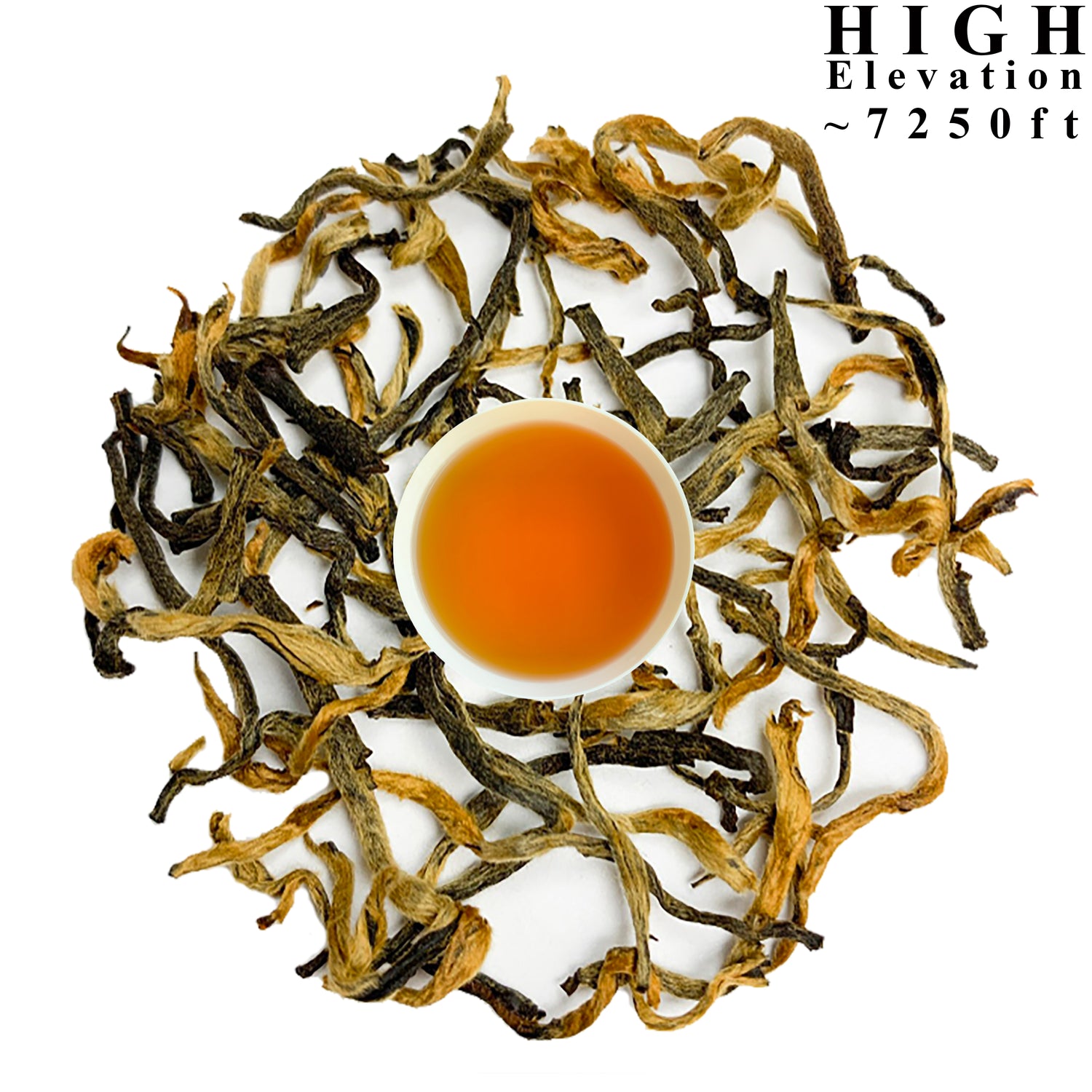
High-elevation Himalayan green tea often develops a refined structure and controlled astringency when brewed with cooler water.
Typical tasting notes include:
- Fresh greens
- Light flowers
- Soft nuts
- Gentle sweetness
- Clean vegetal finish
Which Tea Should You Choose?
Choose Spearmint Tea If You:
- Want a naturally caffeine-free herbal tea
- Prefer sweet, gentle mint flavor
- Want tea for morning, afternoon or evening
- Find peppermint too sharp
- Want an after-meal mint drink
- Are exploring the early androgen-related research without expecting treatment
Choose Green Tea If You:
- Want a modest amount of natural caffeine
- Enjoy traditional loose-leaf tea
- Prefer vegetal, floral or lightly sweet flavors
- Want a morning or afternoon cup
- Are looking for tea catechins such as EGCG
- Want hot, iced or cold-brew green tea
Can You Drink Spearmint and Green Tea on the Same Day?
Many healthy adults can enjoy both teas as ordinary beverages.
A simple routine could be:
- Morning: loose-leaf green tea for flavor and a modest caffeine lift
- Afternoon: green tea or iced spearmint according to caffeine tolerance
- Evening: pure caffeine-free spearmint tea
This routine is based on flavor and caffeine—not on a promise to balance hormones or treat skin concerns.
More tea is not automatically better. Consider total caffeine, medication, pregnancy, reflux, sleep and individual tolerance.
How to Brew Spearmint Tea and Green Tea
How to Brew Loose-Leaf Spearmint
- Leaves: 1½–2 teaspoons
- Water: 8–10 ounces
- Temperature: 200–212°F
- Time: 5–7 minutes
- Place the leaves in an infuser.
- Pour hot water over them.
- Cover the cup to retain the aroma.
- Steep for five to seven minutes.
- Strain completely.
Add lemon, ginger or cucumber when desired.
How to Brew Loose-Leaf Green Tea
- Leaves: 2–3 grams
- Water: 8 ounces
- Temperature: 170–185°F
- Time: 2–3 minutes
- Heat fresh filtered water.
- Allow it to cool below boiling.
- Pour it over the leaves.
- Begin with a two-minute steep.
- Remove the leaves completely.
Cooler water and a controlled steep help reduce bitterness.
Use the complete green tea steeping guide for a type-by-type temperature chart.
Premium Loose-Leaf Spearmint and Green Tea
Choose according to what you actually want from the cup: caffeine-free mint or traditional green tea with modest caffeine.
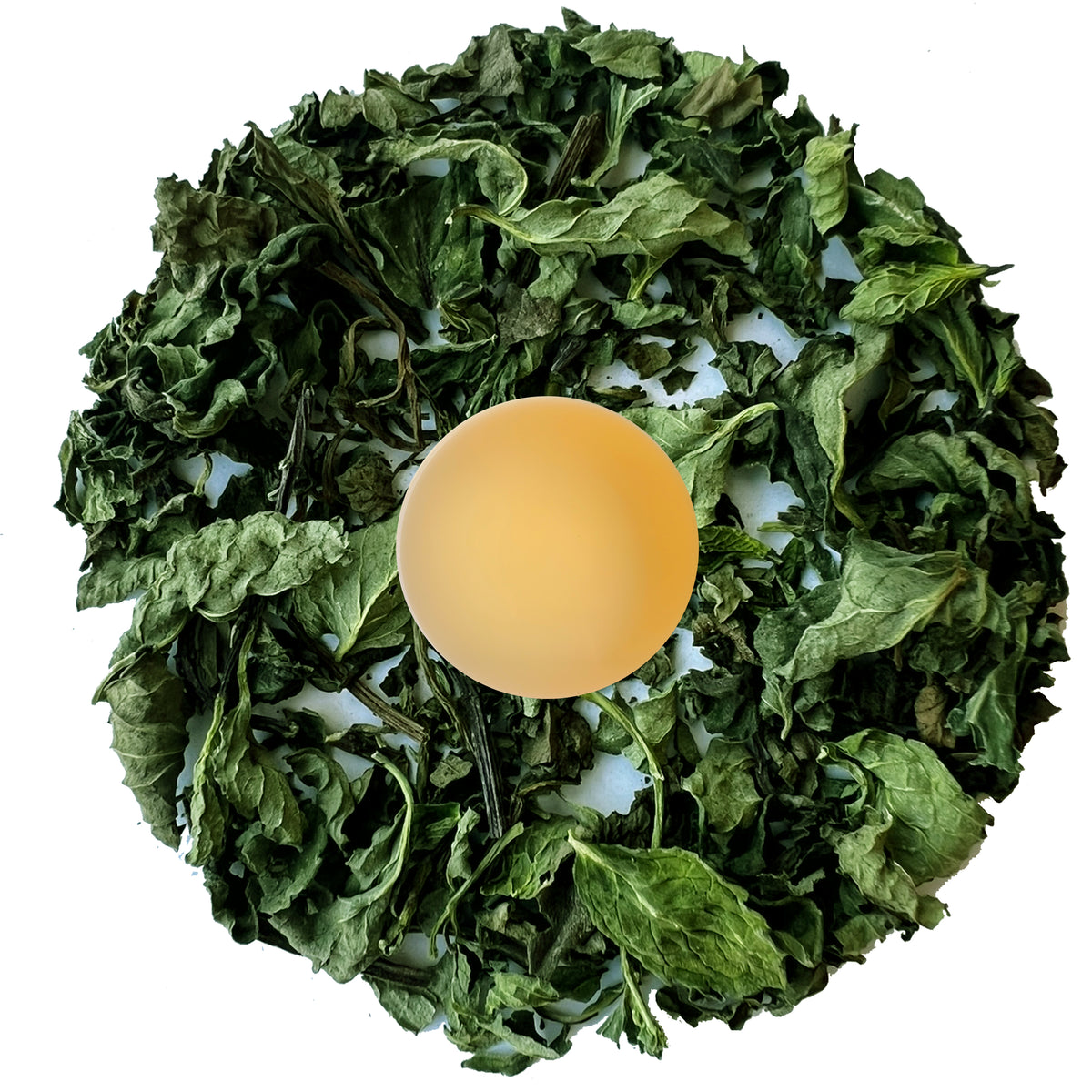
When you want mint without the stimulant
36° Himalayan Spearmint Tea
One ingredient. Whole spearmint leaves. A naturally sweet mint aroma with a gentle cooling finish.
- 100% loose-leaf spearmint
- Naturally contains 0 mg caffeine
- No green or black tea added
- No artificial mint flavor
- Suitable for hot or iced preparation
- Easy to enjoy throughout the day
Best for: shoppers looking to buy pure spearmint tea online, find a caffeine-free herbal tea or replace a strongly mentholated peppermint blend.
This tea is a beverage and has not been clinically tested as a treatment for PCOS, acne or another condition.

When you want a refined morning cup
11° Mt. Pumori Best Green Tea
High-elevation Himalayan leaves create a clean, gently sweet green tea with controlled astringency when brewed correctly.
- USDA-certified organic green tea
- Loose-leaf tea from Ilam, Nepal
- Grown at high Himalayan elevation
- Approximately 25–35 mg caffeine per 8-ounce cup
- Suitable for two infusions
- Enjoy hot, iced or cold brewed
Best for: shoppers looking to buy premium organic green tea online, explore smooth Himalayan green tea or replace harsh and overly bitter green-tea bags.
This tea is not intended to treat acne, PCOS, insulin resistance or another medical condition.
How to Choose Spearmint or Green Tea Online
Commercial phrases such as best spearmint tea or best loose-leaf green tea are only useful when the product details support them.
When Buying Spearmint Tea Online
Look for:
- A one-ingredient option listing spearmint or Mentha spicata
- Visible whole or large leaf pieces
- Clear confirmation that the tea is caffeine-free
- No hidden green-tea or black-tea base
- A fresh, sweet mint aroma
- Reasonable claims rather than guaranteed hormone or skin outcomes
When Buying Green Tea Online
Look for:
- A clearly identified origin and sourcing region
- Whole or large loose leaves
- Specific water-temperature guidance
- A clear flavor profile
- Organic certification when that matters to you
- Packaging that protects the leaves from light, moisture and air
- No claim that the tea replaces sunscreen, acne care or medical treatment
Danfe Tea offers one-time purchases and selected tea-subscription options. Review each current product page for sizes, availability and subscription terms.
Side Effects and Safety Considerations
Spearmint Tea Considerations
Spearmint is widely used as a culinary herb, but some people may experience reflux, heartburn or an allergic reaction.
Research on regular concentrated use during pregnancy and breastfeeding is limited.
Green Tea Considerations
Green tea contains caffeine and may cause sleep disruption, nausea, anxiety, palpitations or stomach discomfort in sensitive people.
Concentrated green-tea extracts are different from brewed tea and can have different risks.
When to Ask a Healthcare Professional
Seek individualized guidance when you:
- Are pregnant, breastfeeding or trying to become pregnant
- Take prescription medication
- Have a diagnosed hormonal or metabolic condition
- Have significant liver, kidney or digestive disease
- Experience persistent acne or unwanted hair growth
- Have irregular or absent menstrual cycles
- Are highly sensitive to caffeine
Do not stop or replace prescribed treatment with tea. Persistent acne, menstrual changes, excess hair growth or suspected hormone concerns deserve appropriate evaluation rather than self-treatment based on a beverage claim.
Frequently Asked Questions
Is spearmint tea or green tea better for skin?
Green tea has a larger skin-research base, but much of it involves extracts, supplements or topical products. Brewed green tea is not a proven acne treatment. Direct clinical evidence for spearmint tea and acne is also insufficient.
Is spearmint tea or green tea better for hormones?
Neither tea is proven to balance hormones broadly. Spearmint has been examined in two small trials involving androgen-related markers, while green-tea studies have explored selected metabolic and hormonal outcomes using different preparations.
Is spearmint tea better than green tea for PCOS?
Spearmint is more directly associated with small androgen-related studies, but it is not a proven PCOS treatment. Green tea is also not an approved treatment for PCOS.
Does spearmint tea clear hormonal acne?
No clinical evidence establishes brewed spearmint tea as a treatment for hormonal acne. Its reputation is largely based on indirect interpretation of small androgen studies.
Does green tea lower DHT?
Laboratory and preclinical research has explored green-tea compounds and androgen-related pathways, but ordinary brewed green tea has not been proven to lower DHT reliably in people.
Does green tea boost collagen?
Green-tea compounds have been researched in skin models and concentrated preparations, but drinking green tea has not been proven to produce a guaranteed increase in skin collagen.
Does green tea protect skin from the sun?
Certain studies have examined concentrated green-tea catechin preparations and UV-related skin responses. Green tea does not replace broad-spectrum sunscreen, shade or protective clothing.
Which tea is caffeine-free?
Pure spearmint tea is naturally caffeine-free. Green tea naturally contains caffeine.
Can I drink spearmint tea at night?
Pure spearmint contains no caffeine and can fit into an evening routine. It is not a proven sleep treatment.
Can I drink green tea at night?
Some people can, but caffeine-sensitive drinkers may experience disrupted sleep. Morning or early afternoon is often more practical.
Can I drink spearmint and green tea together?
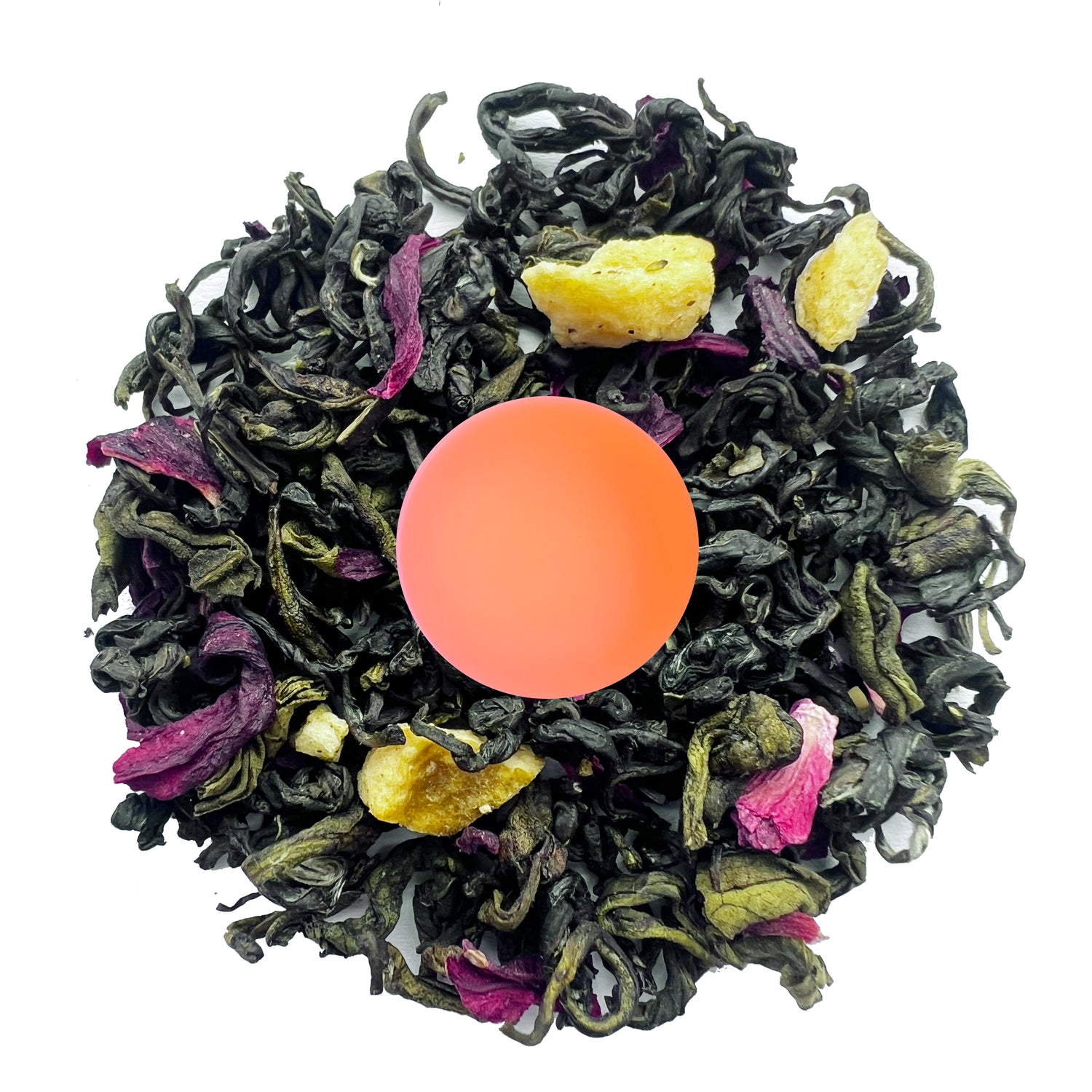
Yes. Spearmint can be blended with green tea for mint flavor and modest caffeine. Once green tea is added, the drink is no longer caffeine-free.
How long does spearmint tea take to balance hormones?
There is no proven timeline because spearmint tea is not an established hormone-balancing therapy. The available trials lasted only five and 30 days and did not establish reliable long-term clinical outcomes.
Which is better for weight loss?
Neither beverage should be presented as a direct weight-loss solution. Green-tea extracts have been studied for body-weight outcomes, but effects are generally modest and do not establish brewed tea as a treatment. Spearmint tea has not been proven to cause weight loss.
Where can I buy spearmint tea online?
Danfe Tea offers 36° Himalayan Spearmint Tea , a one-ingredient loose-leaf herbal tisane made entirely from spearmint.
Where can I buy organic loose-leaf green tea?
Danfe Tea offers 11° Mt. Pumori Best Green Tea , a USDA-certified organic loose-leaf tea sourced from Ilam, Nepal.
Key Takeaways
- Pure spearmint tea is naturally caffeine-free.
- Green tea naturally contains caffeine, catechins and L-theanine.
- Spearmint and green tea come from completely different plants.
- Spearmint has been examined in two small androgen-related studies.
- The 30-day trial did not show significant objective improvement in hirsutism.
- Spearmint tea has not been proven to treat acne or PCOS.
- Green-tea skin research often uses extracts, supplements or topical preparations.
- Drinking green tea is not a replacement for sunscreen or acne treatment.
- Neither tea has been proven to balance hormones broadly.
- Choose spearmint for caffeine-free mint flavor.
- Choose green tea for traditional tea flavor and modest caffeine.
- Both can fit into the same routine when they suit your tolerance.
Two different leaves. Two honest reasons to drink them.
Choose Your Himalayan Tea Ritual
Go caffeine-free with smooth whole-leaf spearmint, or begin your morning with certified-organic high-elevation green tea from Ilam.
Continue exploring: Spearmint Tea and Hormone-Related Research , Spearmint Tea vs. Peppermint Tea , Complete Green Tea Guide and Green Tea Brew Time .
Research and Regulatory Sources
- PubMed: Five-Day Spearmint Tea Study in Women With Hirsutism
- PubMed: 30-Day Randomized Spearmint Tea Trial
- PubMed: Decaffeinated Green Tea Extract and Post-Adolescent Acne
- PubMed: Oral Green Tea Preparations and Skin—Systematic Review
- PubMed: Green Tea and Acne—Systematic Review and Meta-Analysis
- PubMed: Tea Consumption and PCOS Outcomes—Systematic Review
- FDA: Structure/Function and Disease-Claim Guidance
This article is provided for educational purposes only and is not medical advice. Spearmint tea, green tea and Danfe Tea products are foods and beverages and are not intended to diagnose, treat, cure, mitigate or prevent PCOS, acne, hirsutism, insulin resistance, obesity, infertility or any disease. Research involving extracts, supplements, topical products or isolated compounds should not be assumed to apply to ordinary brewed tea. Consult a qualified healthcare professional about persistent skin concerns, menstrual changes, pregnancy, breastfeeding, medication use or suspected hormonal conditions.