
How to Brew the Perfect Cup of Tea
If you’ve ever wondered how to make tea properly, you’re not alone. Many people search for the correct way to make tea, whether it’s making tea with tea bags, brewing loose-leaf tea, or preparing a simple cup of hot tea at home. The truth is, great tea doesn’t require complicated tools—just a few simple steps and the right ingredients.
At Danfe Tea, a US-based specialist in high-altitude Nepalese teas, the focus is on smoother Himalayan alternatives to Darjeeling and Assam. Our teas grow in the fresh, clean air surrounding the Himalayas of Nepal, where cooler climates and slower leaf growth help create naturally balanced, aromatic teas. These conditions are known for producing leaves rich in natural antioxidants, resulting in a cleaner, smoother cup.
Whether you’re learning how to make tea at home, how to brew tea properly, or simply want a better daily ritual, this guide covers everything you need to know.
Teas mentioned in this article:
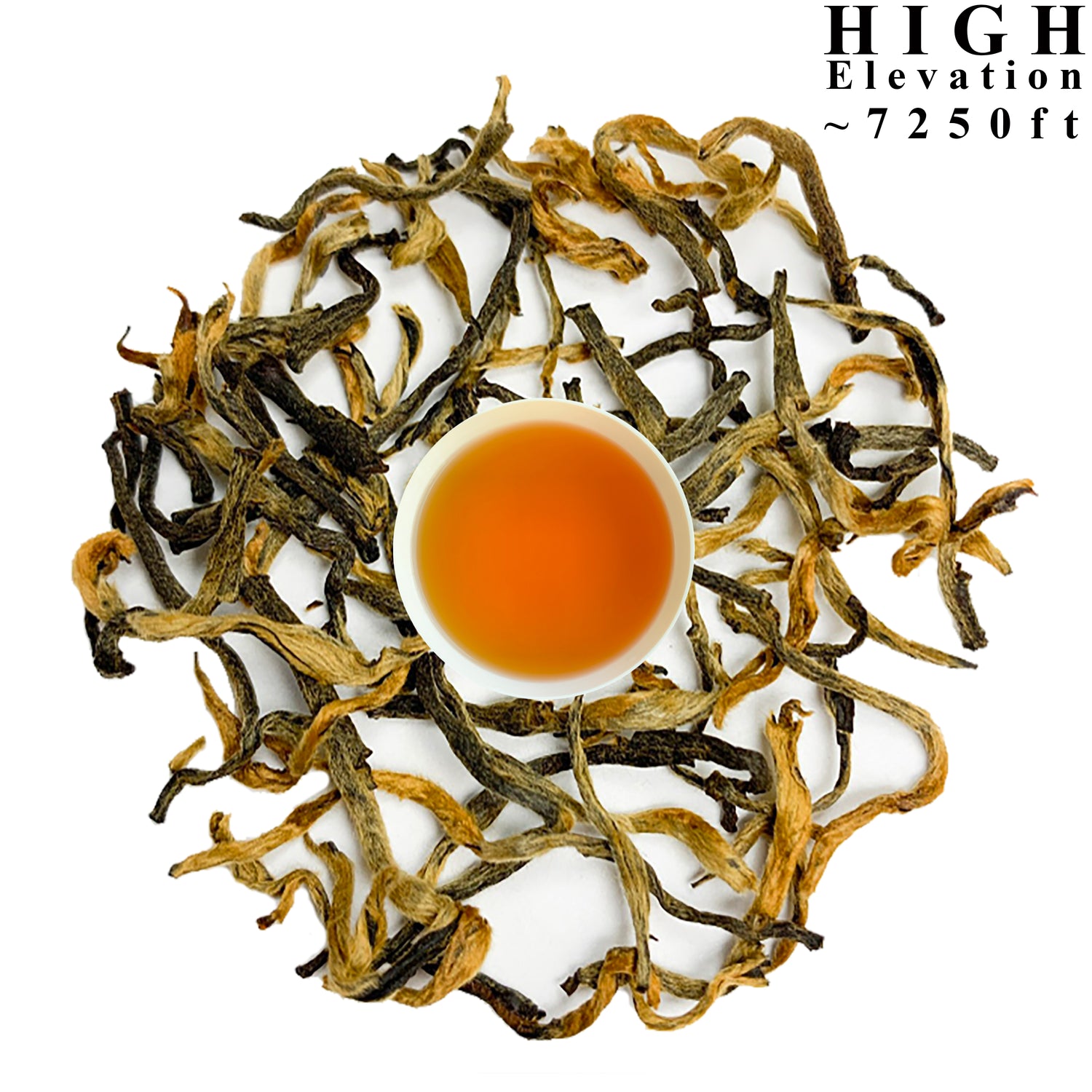
- 01° Ilam Loose Leaf Black Tea
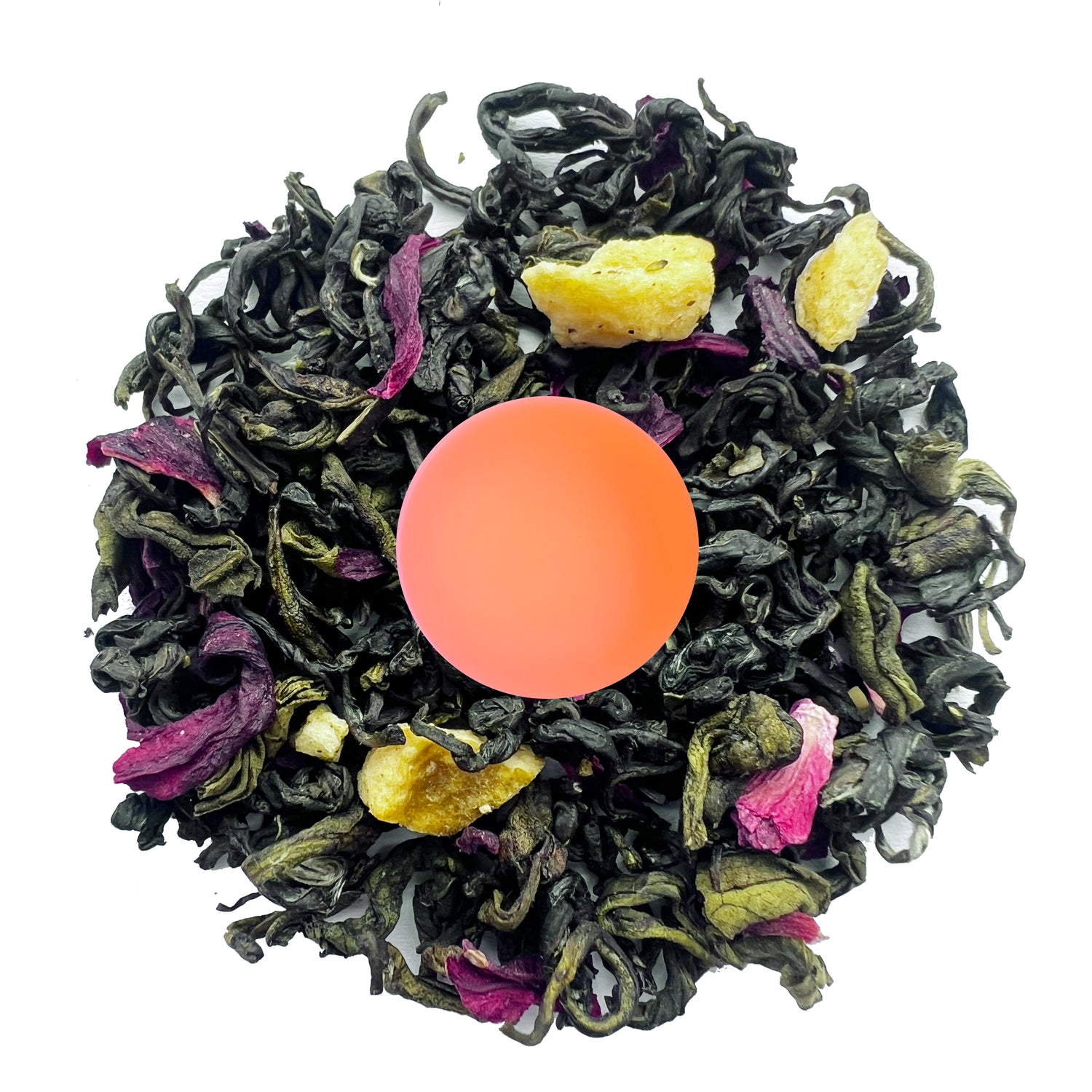
- 11° Mt. Pumori Best Green Tea
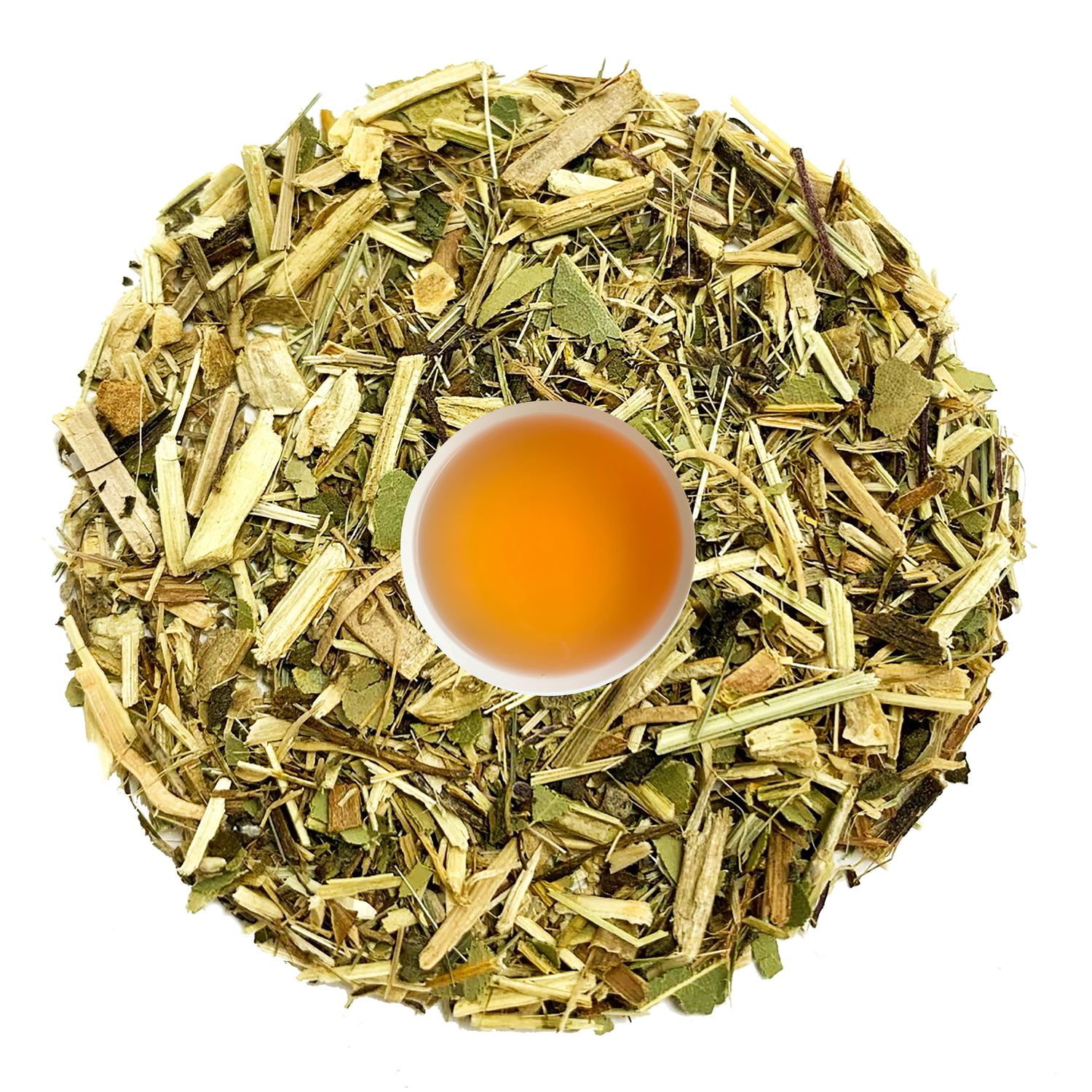
- 05° Tulsi Tea (Sacred Basil Tea)
Explore More
Explore High Altitude Himalayan Teas From Danfe

What Is the Proper Way to Make Tea?
The proper way to make tea comes down to three essentials:
- Water temperature
- Steeping time
- Tea quality
Because high-altitude Nepalese teas grow more slowly than many mass-produced teas, they often release flavor more evenly. Compared to some Assam teas, which can become strong or bitter if over-steeped, Himalayan teas like those from Danfe tend to be smoother and more forgiving.
A balanced black tea such as 01° Ilam Loose Leaf Black Tea produces a rich, smooth cup when brewed correctly.
How to Make Tea Using Tea Bags
If you want to know how to make hot tea with tea bags or the best way to make tea at home, follow this simple process.
Step-by-step method
- Boil fresh water.
- Place one tea bag in a mug.
- Pour hot water over the tea bag.
- Steep:
- Black tea: 3–5 minutes
- Green tea: 2–3 minutes
- Herbal tea: 5–7 minutes
- Remove the tea bag.
- Add milk, lemon, or honey if desired.
This is the correct way to make tea with tea bags for a balanced and enjoyable cup.
For a smoother, naturally aromatic morning tea, try 01° Ilam Loose Leaf Black Tea.
How to Brew Loose-Leaf Tea Properly
Loose-leaf tea often produces better flavor because the leaves have space to expand fully.
Basic loose-leaf ratio
- 1 teaspoon tea leaves
- 1 cup (8 oz / 240 ml) water
Temperature guide
- Black tea: 90–100°C (194–212°F)
- Green tea: 75–85°C (167–185°F)
- White tea: 80–90°C (176–194°F)
- Herbal tea: 95–100°C (203–212°F)
Because Danfe’s high-altitude teas grow in the cool Himalayan air, they tend to brew smoother and less astringent when prepared at the right temperature—especially options like 11° Mt. Pumori Best Green Tea.
How to Make Tea on the Stove
If you’re wondering how to make tea on the stove or how to cook tea, this traditional method creates a stronger, comforting brew.
Stove method
- Add 1 cup water to a saucepan.
- Bring to a gentle boil.
- Add tea leaves or a tea bag.
- Simmer 2–4 minutes.
- Add milk and sweetener if desired.
- Strain and serve.
This method works well with bold black teas like 01° Ilam Loose Leaf Black Tea.
Methods to Brew Tea: A Personal Ritual
We believe your tea experience should be completely personal. Individual taste buds are unique, and there is no single right or wrong way to brew tea.
Rather than strictly following traditional rules, we encourage tea lovers to let curiosity and personal discovery guide their process. The joy of tea often comes from experimenting—trying different amounts of leaves, adjusting steeping time, or changing water temperature until you find the flavor you truly enjoy.
High-quality teas like those from Danfe, grown in the clean Himalayan environment, are naturally smooth and adaptable. You can enjoy them however you like—strong or light, hot or iced, with milk or plain—while still experiencing the character of high-altitude Nepalese tea.
For a calming, caffeine-free ritual, 05° Tulsi Tea (Sacred Basil Tea) is a gentle evening choice.
Q&A: Quick Tea Brewing Answer
Q: Is tea good for daily hydration and routine use?
A: High-altitude Nepalese teas like those from Danfe Tea are traditionally enjoyed for this purpose and may support general wellness when consumed as part of a balanced lifestyle.
When Should You Drink Different Types of Tea?
Morning energy
Black teas provide a smooth, steady start.
Example: 01° Ilam Loose Leaf Black Tea
Focus & productivity
Green tea offers gentle, balanced energy.
Example: 11° Mt. Pumori Best Green Tea
Iced tea & hydration
Light black or green teas work well chilled.
Example: 01° Ilam Loose Leaf Black Tea
Evening calm
Herbal teas are naturally caffeine-free.
Example: 05° Tulsi Tea (Sacred Basil Tea)
Gentle digestion
Traditional herbal teas are often enjoyed after meals.
Example: 05° Tulsi Tea (Sacred Basil Tea)
Danfetea.com
Start Your Tea Ritual with These Customer Favorites
Handpicked best-sellers for a smoother, more satisfying cup—whether you’re starting your morning or winding down.
Danfe Tea
A bold, clean black tea from Nepal’s Ilam region—comforting, smooth, and easy to love as your daily ritual.
Tip: Try 1–2 tsp per cup and adjust steep time to match your taste—your ritual should feel personal.

Explore the Full Danfe Collection
Looking for green, herbal, oolong, or something unique? Browse customer favorites across all categories.
- Find teas by flavor, caffeine level, or ritual
- Perfect for gifting or building a home tea bar
- Curated Himalayan selections
Your 3-Step Ritual
Keep it simple—then personalize. Small tweaks can make a big difference in flavor.
- Warm your mug or teapot
- Steep and taste at 2–3 minutes
- Adjust leaf amount or time
Why High-Altitude Himalayan Tea Brews Differently
High-altitude tea gardens in Nepal experience cooler temperatures, misty mornings, and slower leaf growth. This environment produces teas with delicate aromas and balanced flavor.
Danfe Tea works with smallholder farmers through transparent sourcing practices, supporting ethical production and traceability through the Nepal Tea Exchange.
Compared to many low-elevation, high-volume teas, Himalayan teas tend to produce a smoother, more refined cup—especially when prepared using proper tea brewing techniques. A good example is 11° Mt. Pumori Best Green Tea.
Expert Summary: What to Know Before Choosing This Tea
- Proper tea brewing depends on temperature, time, and leaf quality.
- High-altitude Himalayan teas tend to brew smoother and less bitter.
- Tea bags are convenient, while loose-leaf offers fuller flavor.
- Black tea suits mornings; green tea suits focused afternoons.
- Herbal teas are ideal for evening or caffeine-free routines.
Conclusion
The correct way to make tea is simple: use fresh water, proper temperature, and the right steeping time. With high-altitude Himalayan teas, the process is even more forgiving because the leaves tend to brew smoother and less bitter.
Danfe Tea, a US-based specialist in high-altitude Nepalese teas, offers a refined Himalayan alternative to Darjeeling and Assam—making it easy to prepare a great cup at home, however you prefer to drink it.
Not sure where to start?
FAQs
What is the best way to make tea at home?
Use fresh water, correct temperature, and proper steeping time for the tea type.
How long should you steep a tea bag?
Usually 3–5 minutes for black tea, 2–3 minutes for green tea, and 5–7 minutes for herbal tea.
Can you make tea on the stove?
Yes. Simmer tea leaves in water, and add milk or sweetener if desired.
Is loose-leaf tea better than tea bags?
Loose-leaf tea often provides fuller flavor because the leaves expand more during brewing.
What temperature is best for green tea?
Around 75–85°C (167–185°F) to avoid bitterness.
The potential wellness benefits mentioned are based on traditional use, publicly available research, and general wellness sources. They are not intended as medical advice and are not evaluated by the U.S. FDA. Individual experiences may vary.