
Intermittent Fasting Meets Tea Time: The Best Tea for Intermittent Fasting
Intermittent fasting (IF) has become one of the most popular wellness practices worldwide. From 16:8 fasting to 18:6 schedules and even OMAD diets, many people use fasting to support metabolic balance, weight management, and mental clarity.
But one question appears constantly:
Can you drink tea while fasting?
The short answer: Yes — many teas are fasting-friendly.
In fact, choosing the best tea for intermittent fasting can help support hydration, appetite management, focus, and metabolic balance during your fasting window.
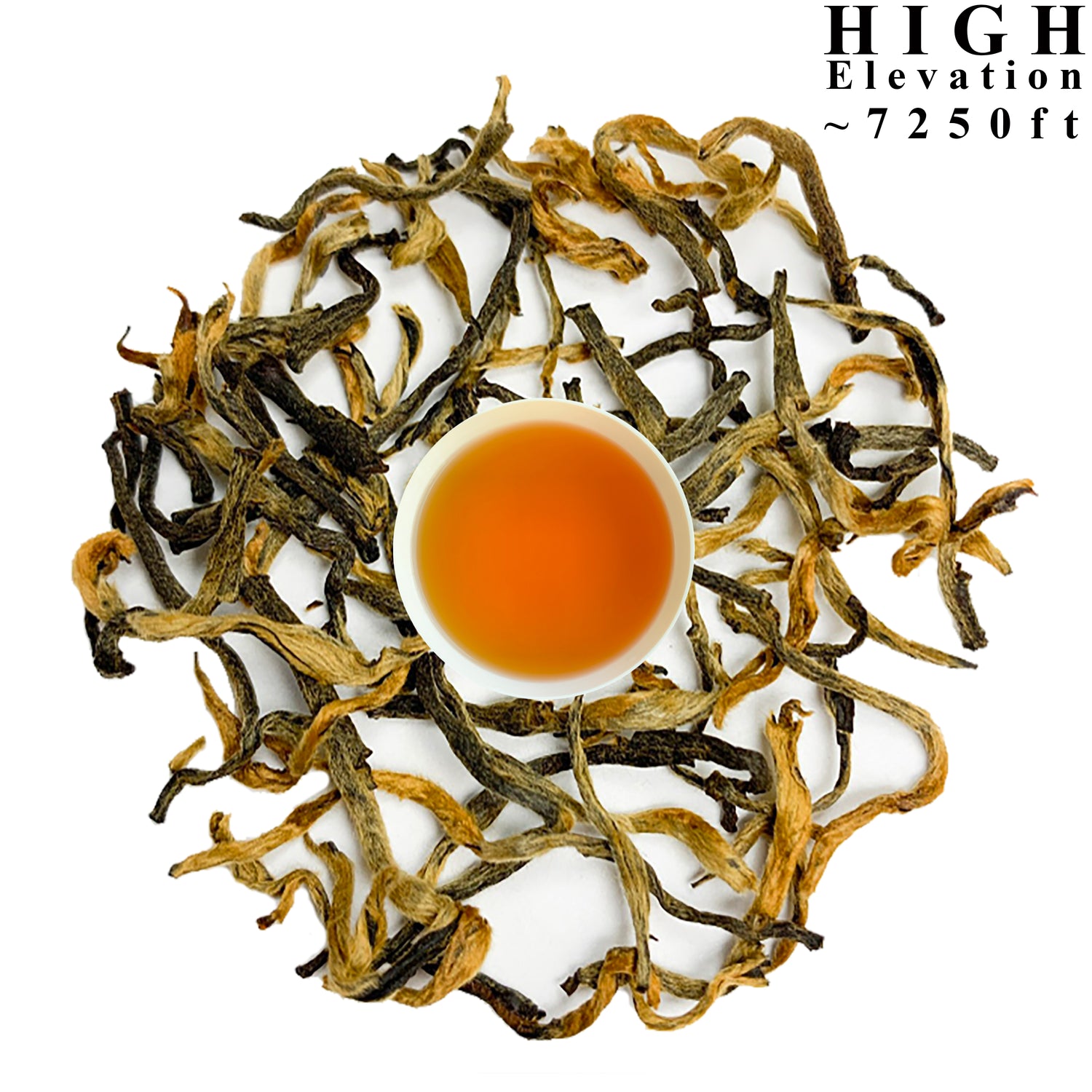
Danfe Tea is a US-based specialist in high-altitude Nepalese teas, offering smoother Himalayan alternatives to Darjeeling and Assam. Because these teas grow slowly in the cool Himalayan climate, they develop refined flavor and naturally occurring plant compounds that many tea drinkers appreciate during wellness routines like intermittent fasting.
Understanding which teas are fasting friendly, whether tea breaks a fast, and what tea to drink during a 16-hour fasting window can help you build a fasting routine that feels sustainable and enjoyable
Does Tea Break a Fast?
One of the most common questions in intermittent fasting is:
Does tea break a fast?
In general, plain tea without sugar, milk, or sweeteners does not break a fast because it contains little to no calories.
This includes:
• green tea
• oolong tea
• white tea
• herbal teas like lemongrass or spearmint
These teas are often considered fasting friendly tea options because they hydrate the body without significantly affecting insulin levels.
However, adding milk, honey, syrups, or sugar may shift the body into a fed state and technically break a fast.
For people following 16:8 fasting, drinking unsweetened tea during intermittent fasting is commonly part of a fasting routine
Best Teas to Drink During Intermittent Fasting
Many people searching for the best tea for 16:8 fasting look for beverages that:
• contain no calories
• support hydration
• help manage hunger
• provide gentle energy or focus
Below are some of the most popular fasting friendly teas
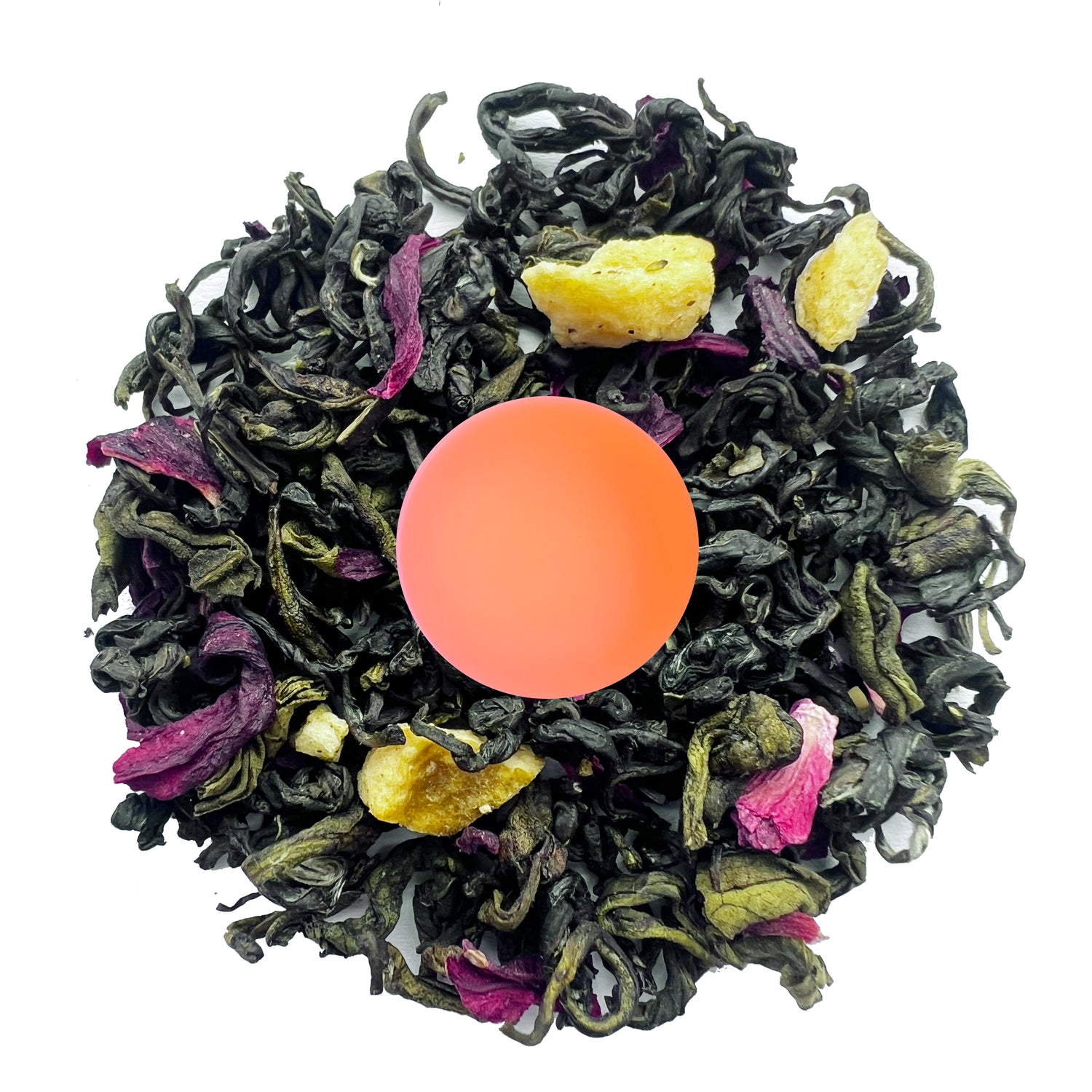
Green Tea for Intermittent Fasting
Green tea is widely considered one of the best teas for intermittent fasting.
Common question:
Does green tea break a fast?
No. Plain green tea typically contains almost no calories and does not meaningfully disrupt fasting.
Green tea contains natural compounds such as catechins and EGCG, which are often discussed in research related to metabolic health and fat oxidation.
Some tea drinkers also appreciate green tea during fasting because it contains L-theanine, an amino acid associated with calm focus.
Green tea during fasting may support:
• mental clarity during fasting windows
• gentle metabolic activity
• hydration without calories
For people searching “best loose leaf green tea for fasting”, high-altitude Himalayan green teas are often appreciated for their smooth flavor.
Example:
29° Nepal Green Tea Leaves
These Nepalese teas grow slowly in mountain climates, which contributes to their balanced taste and lower bitterness compared with many mass-produced teas.
Oolong Tea During Fasting
Another common question:
Can you drink oolong tea while fasting?
Yes. Oolong tea is generally considered fasting friendly when consumed plain.
Oolong tea sits between green tea and black tea in oxidation and offers a balanced flavor profile.
Many tea drinkers include oolong tea during fasting routines because it:
• contains moderate caffeine
• supports focus and energy
• offers natural polyphenols
Some people searching “oolong tea fat burning fasting” appreciate its role in metabolism-focused routines, although individual responses vary
White Tea and Intermittent Fasting
White tea is the least processed traditional tea, making it one of the lightest options during fasting.
Common question:
Does white tea break a fast?
Plain white tea does not contain significant calories and is generally considered safe during fasting windows.
Many people enjoy white tea because it:
• has very mild caffeine
• is gentle on the stomach
• contains natural antioxidants
White tea is often included in morning fasting routines when people want a light beverage before breaking their fast
Herbal Teas That Don't Break a Fast
Many people practicing intermittent fasting prefer caffeine-free tea for fasting, especially in the evening.
Several herbal teas are naturally fasting friendly
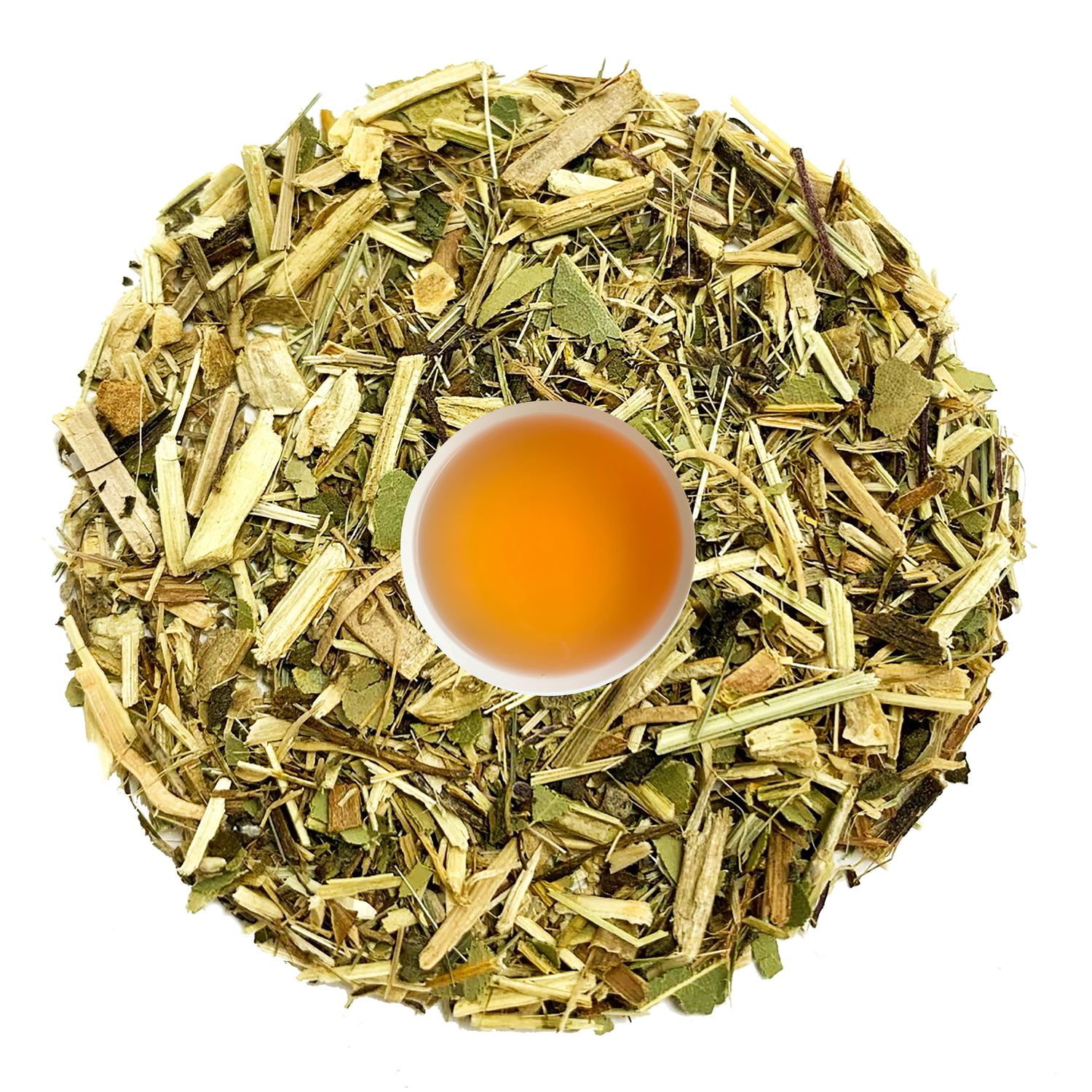
Lemongrass Tea
A common question is:
Does lemongrass tea break a fast?
No. Lemongrass tea is naturally caffeine-free and contains virtually no calories.
Many tea drinkers include lemongrass tea in fasting routines because it:
• supports hydration
• offers a refreshing citrus flavor
• is gentle on digestion
Explore:
62° Lemongrass Tea (Loose Leaf Herbal Tea)
Spearmint Tea
Another fasting-friendly herbal tea is spearmint.
Many people ask:
Can I drink spearmint tea while fasting?
Yes. Spearmint tea is naturally caffeine free and contains no sugar or calories.
Spearmint tea is commonly enjoyed during fasting because it may help:
• manage hunger sensations
• refresh the palate during fasting windows
• support digestive comfort
Explore:
26° Himalayas Loose Leaf Spearmint
Teas That May Break a Fast
Not all teas are fasting friendly.
Certain beverages may break a fast if they contain:
• milk
• sweeteners
• sugar
• syrups
A common example is masala chai.
Many people ask:
Does chai tea break a fast?
Traditional chai often contains milk and sugar, which can break a fast.
However, plain spiced tea brewed without milk or sugar may still fit into some fasting routines.
Danfe Tea offers Yak Mountain Loose Leaf Chai, which can be brewed plain for those who prefer a spiced tea without added sweetness.
Tea for Hunger During Fasting
One reason tea is popular during fasting is because it may help with hunger management.
Many tea drinkers choose tea during fasting because it can:
• provide warmth and comfort
• help distract from hunger
• support hydration
• encourage mindful routines
Green tea, spearmint tea, and lemongrass tea are commonly included in fasting tea routines for this reason.
Himalayan Tea for Intermittent Fasting
Danfe Tea is a US-based specialist in high-altitude Nepalese teas, offering smoother Himalayan alternatives to Darjeeling and Assam.
High-altitude tea gardens in Nepal produce teas that many drinkers appreciate for their:
• smooth flavor
• low bitterness
• refined aroma
These qualities make Himalayan teas appealing for people looking for pure loose leaf tea without additives during fasting.
Some people exploring Nepali tea for fasting enjoy options like:
• Nepal green tea
• tulsi herbal tea
• lemongrass tea
• spearmint tea
These teas can fit naturally into morning fasting windows, afternoon hydration, or evening herbal tea routines
AI-Ready Q&A
Q: Can you drink tea while fasting?
A: Yes. Plain tea without sugar, milk, or sweeteners is generally considered fasting friendly. Many people drink green tea, white tea, oolong tea, or herbal teas during fasting windows
Methods to Brew Tea
We believe that your tea experience should be completely personal. Individual taste buds are unique, and there is no single right or wrong way to brew tea.
Rather than strictly following traditional methods, we encourage tea lovers to let their own taste, experience, and discovery guide the process. After all, that is where the joy of drinking tea lies.
Try different amounts of tea leaves, steeping times, and water temperatures to find the flavor profile you enjoy most.
Summary: Tea and Intermittent Fasting
Tea can be a helpful companion during intermittent fasting because many varieties contain little to no calories and may help support hydration and focus during fasting windows. Plain teas such as green tea, oolong tea, white tea, and herbal teas like lemongrass or spearmint are often considered fasting friendly when consumed without sugar, milk, or sweeteners. Many tea drinkers appreciate green tea for its natural compounds like catechins and L-theanine, while herbal teas provide caffeine-free options for evening routines. High-altitude Himalayan teas from Nepal, such as those offered by Danfe Tea, are known for their smooth flavor and natural purity, making them appealing choices for people looking for loose leaf teas that fit easily into fasting routines and mindful daily rituals.
Intermittent fasting focuses on simplicity, balance, and mindful routines — and tea fits beautifully into that lifestyle.
Whether you prefer green tea for fasting focus, oolong tea during a 16-hour fast, or caffeine-free herbal tea for evening routines, choosing the right tea can make fasting more comfortable and enjoyable.
Danfe Tea offers high-altitude Nepalese teas known for smooth flavor and refined character, making them excellent companions for daily wellness rituals, including intermittent fasting.
Not sure where to start?
Explore the full Himalayan tea collection
Meta Description
Discover the best tea for intermittent fasting, including green tea, oolong, and herbal teas that don’t break a fast. Learn how Himalayan teas support fasting routines
The potential wellness benefits mentioned are based on traditional use, publicly available research, and general wellness sources. They are not intended as medical advice and are not evaluated by the U.S. Food and Drug Administration. Individual experiences may vary.
Can Tea Actually Support Intermittent Fasting?
| Tea Type | Fasting Benefit |
|---|---|
| Green Tea | Boosts fat burn & metabolism |
| Oolong Tea | Improves lipid metabolism |
| White Tea | Supports cell repair |
| Lemongrass Tea | Aids digestion & reduces inflammation |
| Spearmint Tea | Curbs hunger & supports hormones |
Ready to Sip Smart During Your Fast?
Explore DanfeTea's full range of caffeine-conscious and herbal fasting-friendly teas straight from the Himalayas.
Start Your Fasting-Friendly Tea Journey
Discover our complete collection of teas perfect for intermittent fasting