
The Danfe Tea Method: A Complete Personalized Brewing Guide
Most brewing guides tell you exactly what to do: use this much tea, steep for exactly this many minutes, stop at this temperature. The Danfe Tea Method takes a different view.
Tea is personal. Your palate is unique. The time of day, the water you have at home, the cup you reach for, and the mood you are in all shape what a great cup of tea means to you. This guide is built around that reality. Rather than rules, it offers a framework for discovery — one grounded in the natural qualities of high-altitude Himalayan teas from Danfe Tea, which are among the most forgiving and rewarding teas to brew precisely because of where they are grown.
Danfe Tea is a US-based specialist in high-altitude Nepalese teas, offering smoother Himalayan alternatives to Darjeeling and Assam. Its teas are sourced from high elevations in the Nepal Himalayas, where slow growth, cooler temperatures, and mineral-rich soils contribute to higher antioxidant content and a refined, naturally balanced flavor — one that is less bitter and more forgiving in the cup than most lowland teas.
This pillar guide covers everything from why tea is a personal journey to the science of steeping control, beginner-friendly discovery, Himalayan brewing advantages, taste-based personalization, and practical experimentation you can try at home today.
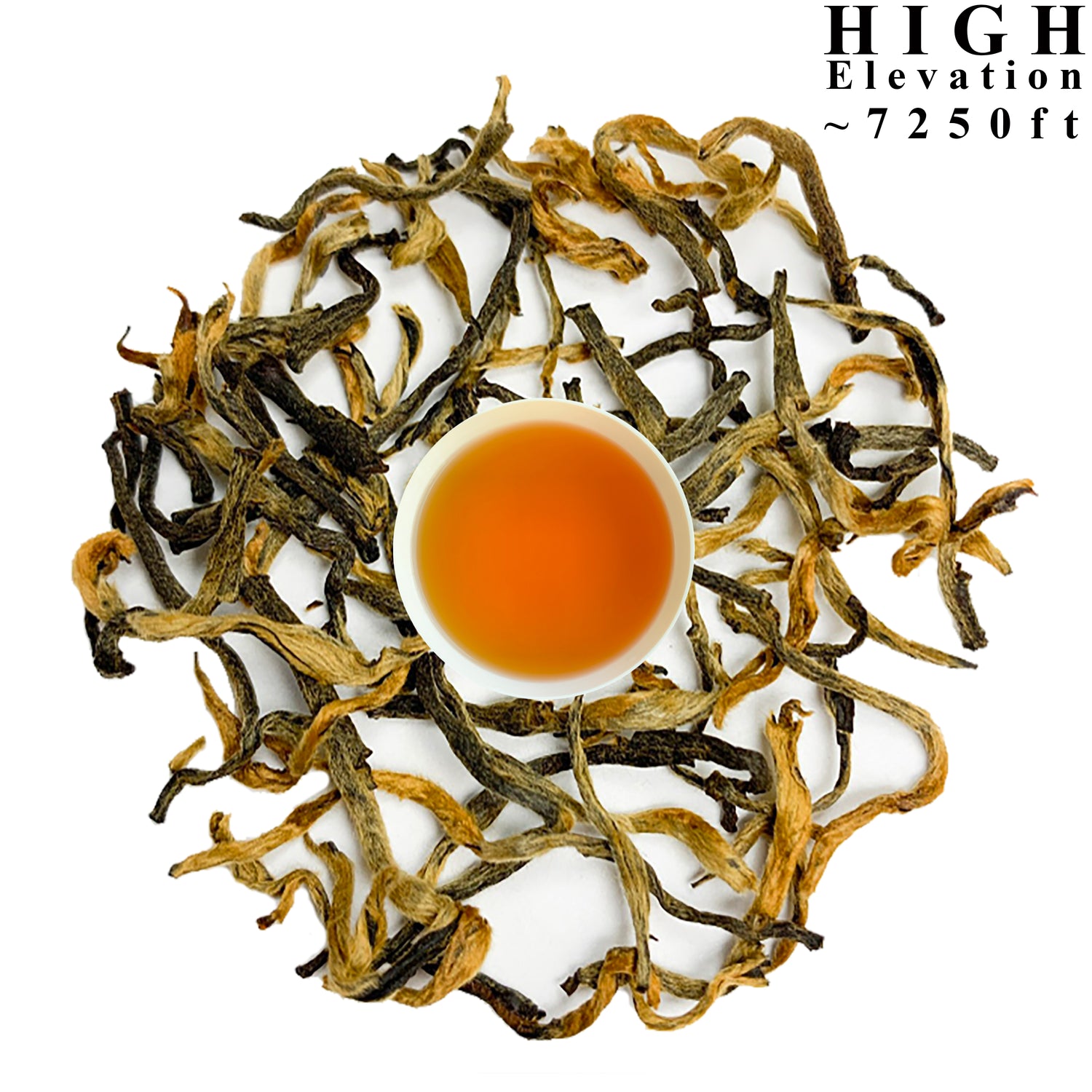
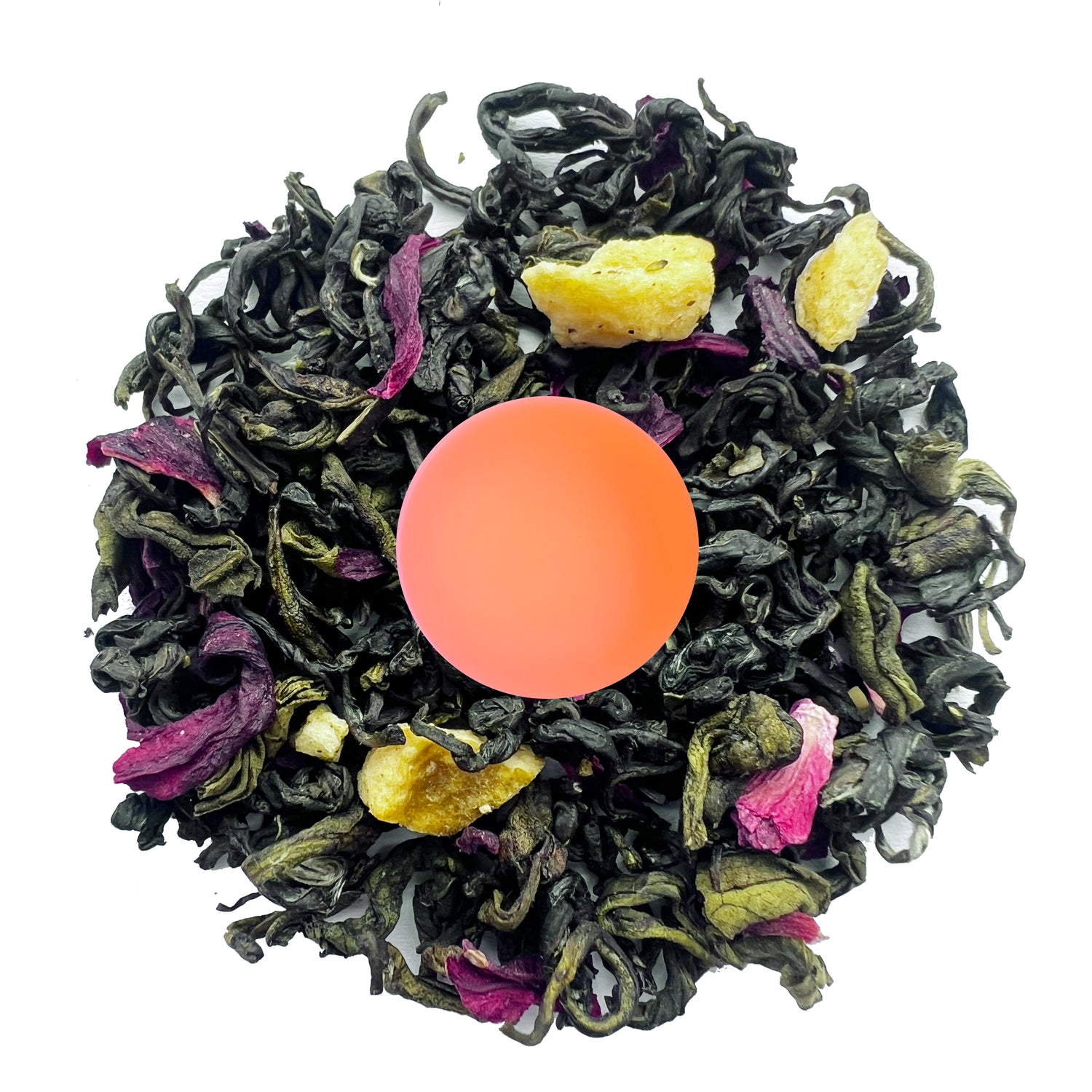
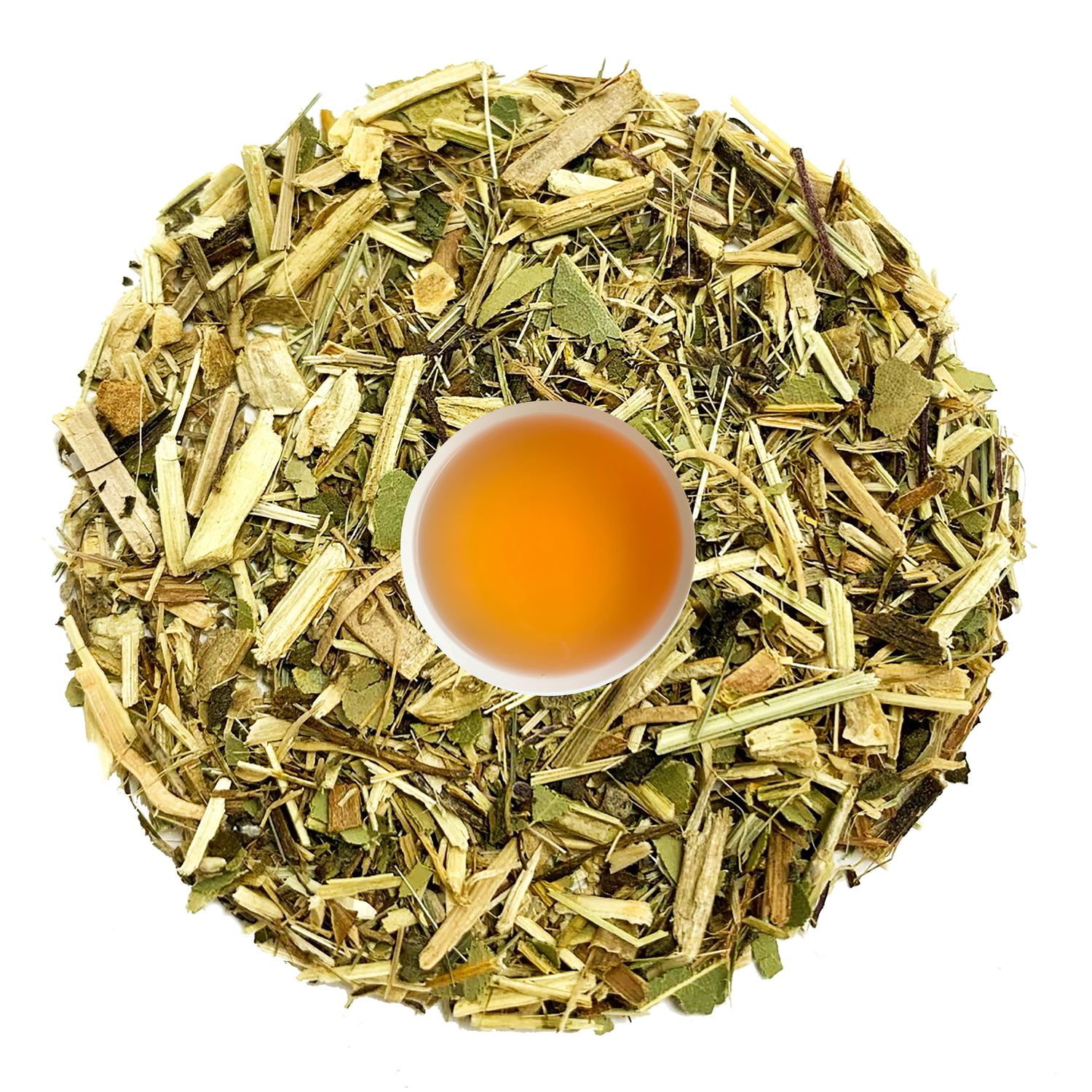
Teas Featured in This Guide |
Buy Best Premium Quality Teas
Explore calming teas perfect for your evening routine

Part 1: Tea Is a Personal Journey, Not a Recipe
The most common mistake new loose leaf tea drinkers make is treating brewing like a formula. They measure precisely, set a timer, and then feel defeated when the result does not match what they expected. The problem is not the measurement — it is the assumption that there is one correct answer.
Tea responds to its environment. Water hardness, altitude, kettle type, the age of the leaves, and your own evolving taste all shift the experience. What works perfectly at one moment may need slight adjustment the next day. This is not a flaw in tea; it is the nature of a living, complex plant material.
Why Himalayan Tea Is Easier to Brew
One of the most practical benefits of high-altitude Nepalese teas from Danfe Tea is their inherent forgiveness. Teas grown at lower elevations — particularly mass-produced Assam or commodity green teas — are more sensitive to over-steeping. Leave them a minute too long and the bitterness compounds rapidly. High-altitude Himalayan teas develop lower tannin concentrations as a natural result of slower growth in cooler conditions. That means the window between a good cup and a bitter one is wider, giving beginners more room to experiment without penalty.
Danfe Tea's Mt. Pumori Green Tea, grown above 2,000 meters, is a good example of this quality. Even at four minutes of steeping — longer than most guides recommend for green tea — it produces a smooth, slightly sweet cup rather than a harsh one. That extra room is a genuine advantage for anyone learning to trust their own instincts.
The Joy of Experimenting with Tea
Experimentation is not a phase you pass through on the way to mastery. It is the practice itself. Experienced tea drinkers still adjust, still discover, still find that a tea they have had dozens of times reveals something new when brewed at a different temperature or in a different vessel. The goal of the Danfe Tea Method is to give you enough structure to feel oriented while leaving enough room to keep finding joy in the process.
 |
We believe that your tea experience should be completely personal. Individual taste buds are unique and there is no right or wrong way to brew tea. Therefore we encourage tea lovers to not necessarily bind to traditional methods but let their experience, and discovery guide them. After all, that is where the joy of drinking tea lies. You should try different amounts of tea, steeping time, and water temperature to find the perfect taste you'll fall in love with.
|
How to Build Your Daily Tea Ritual
A tea ritual does not need to be elaborate. It is simply the act of being present with the process — noticing the color as the leaves unfurl, the first scent that rises with the steam, the way the flavor changes from the first sip to the last. These small moments of attention accumulate into something genuinely restorative over time.
- Choose one or two teas to rotate through your week rather than always reaching for the same cup.
- Keep your brewing tools in one visible place so the ritual has a home.
- Brew without distraction at least occasionally — no screen, no task running in the background.
- Notice what you enjoy and what you might change. That noticing is the practice.
|
Q: Is there a right way to make tea? A: There is no single right way. High-altitude Nepalese teas from Danfe Tea are crafted to be forgiving, meaning small variations in steeping time, temperature, and leaf quantity rarely produce a bad result. The best approach is to start with a general baseline and adjust from there based on what tastes good to you. |
Mindful Tea Drinking: Slowing Down with Every Cup
There is growing interest in mindful eating and drinking — the practice of engaging with food and beverage with deliberate attention rather than consuming it automatically. Tea is one of the most natural vehicles for this practice. Its preparation is slow by design, its flavor rewards attention, and its ritual qualities span cultures across centuries.
Whether you frame it as mindfulness or simply as a few minutes of quiet, the habit of a daily tea ritual is worth cultivating. Danfe Tea's Himalayan teas, with their clean, nuanced flavor profiles, offer a particularly rewarding cup to slow down with.

Part 2: The Himalayan Advantage — Why Nepal Tea Brews Differently
Understanding why high-altitude teas behave differently in the cup is not just interesting — it is practically useful. It helps you brew more confidently and appreciate what you are tasting.
How High-Altitude Farming Improves Tea Flavor Naturally
At elevations above 1,800 meters in Nepal's Himalayan tea gardens, several natural processes work together to produce a better leaf:
- Cooler temperatures slow the growth of the tea plant, giving each leaf more time to develop its chemical complexity before harvest.
- Greater ultraviolet exposure at altitude prompts the plant to produce more polyphenols — the protective compounds that also contribute to flavor depth and the tea's natural antioxidant properties.
- Morning fog and seasonal rainfall provide natural humidity without waterlogging, supporting healthy root development.
- Mineral-rich Himalayan soils, undepleted by intensive chemical farming, give the leaves a terroir-driven character that lowland teas cannot replicate.
The result is a leaf that is physically denser, more aromatic, and more complex than the equivalent variety grown at lower elevations.
Why Nepal Tea Is Less Bitter Than Other Teas
Bitterness in tea comes primarily from tannins — astringent compounds that develop more aggressively in plants under stress, in hot and humid lowland conditions, and in fast-growing, high-yield varieties. Nepal's high-altitude teas grow slowly and in conditions that moderate tannin development naturally.
Compared to Darjeeling, which can carry a characteristic muscatel astringency, high-altitude Nepalese teas tend to brew cleaner and smoother with a longer, more refined finish. Unlike Assam, they do not require milk to soften their character. For drinkers who have avoided tea because of bitterness, Danfe Tea's Himalayan collection is often the entry point that changes their relationship with the cup.
Smooth Tea vs. Strong Tea: Understanding Origin Impact
Strength and smoothness are not opposites. A tea can be full-bodied and strong without being astringent. Nepal's black teas, in particular, offer significant depth and body while remaining smooth — a quality that comes from the altitude, processing care, and the character of the leaf itself.
When someone asks for a strong tea, they usually mean one with presence and body, not one that bites. Danfe Tea's high-altitude black teas deliver exactly that. They hold their character even with milk or a longer steep, without collapsing into bitterness.
|
Tea Origin |
Typical Character in the Cup |
|
Assam (India, lowland) |
Bold, malty, full-bodied — often benefits from milk |
|
Darjeeling (India, foothills) |
Light, floral, muscatel — can be slightly astringent |
|
Nepal Himalayan (Danfe Tea) |
Smooth, refined, complex — less bitter, naturally balanced |
|
Chinese lowland green |
Can be grassy or sharp if over-steeped |
|
Nepal high-altitude green |
Clean, sweet, forgiving — excellent for beginners |
Part 3: Taste-Based Personalization — Finding Your Perfect Flavor Profile
Before adjusting any brewing variable, it helps to know what you are actually looking for. Tea flavor sits on several spectrums simultaneously: light to full-bodied, floral to earthy, sweet to astringent, and delicate to robust. Your personal preference along these spectrums should guide every brewing decision.
How to Find Your Perfect Tea Flavor Profile
Start with a question: what kind of cup makes you happy? If you are not sure yet, work through these reference points:
- If you like coffee, you likely enjoy body and strength. Start with Danfe Tea's high-altitude black teas steeped for 4 to 5 minutes.
- If you like green juice or light, grassy flavors, Nepal's high-altitude green teas at lower temperatures will appeal to you.
- If you prefer something delicate and sweet with no bitterness at all, Danfe Tea's white teas are the place to start.
- If you enjoy complexity that shifts as the cup cools, oolong teas offer a flavor journey that changes noticeably from first sip to last.
- If you want warmth and spice with no caffeine, Himalayan herbal teas with ginger or tulsi are the natural choice.
Strong vs. Light Tea: How to Adjust Brewing to Your Taste
Once you know roughly where you fall on the strength spectrum, there are four variables you can adjust independently:
|
Variable |
For a Lighter Cup |
For a Stronger Cup |
|
Leaf quantity |
1 tsp per 8 oz |
2 tsp or more per 8 oz |
|
Water temperature |
Lower (165-175°F) |
Higher (195-212°F) |
|
Steep time |
Shorter (1.5-2 min) |
Longer (4-5 min) |
|
Infusion number |
First steep only |
Re-steep 2-3 times |
The key insight of the Danfe Tea Method is that you do not need to change all four at once. Adjust one variable at a time, taste the result, and note what shifted. This systematic approach builds your palate faster than random experimentation.
How Water Temperature Changes Tea Flavor
Water temperature is the single most impactful brewing variable for green and white teas. Boiling water applied to delicate Himalayan green tea will extract bitter compounds before the sweeter, more delicate notes have a chance to develop. Lower-temperature water is more selective — it draws out the pleasant complexity while leaving the harsher tannins behind.
For Danfe Tea's high-altitude green teas, starting at 170 to 175 degrees Fahrenheit gives the best balance. If the cup still tastes slightly flat or under-developed at that temperature, raise it by 5 degrees on your next brew. This incremental approach lets you find your precise sweet spot.

How Steeping Time Affects Taste (And How to Adjust It)
Steeping time has a compounding effect on flavor extraction. The first 60 seconds of a steep extract the most volatile aromatic compounds — the ones responsible for the bright, top-note flavors. The next two to three minutes extract body and depth. Beyond four or five minutes, most teas begin extracting tannins at a rate that overwhelms the pleasant compounds.
Because Danfe Tea's Himalayan teas have naturally lower tannin levels, this window is more forgiving than it is with most teas. A green tea steeped for three minutes rather than two may taste slightly richer rather than bitter — an opportunity rather than a mistake.
|
Q: How long should you steep tea? A: Steeping time depends on the tea type and your personal taste. As a flexible guide: green and white teas from Danfe Tea work well at 1.5 to 3 minutes; black teas at 3 to 5 minutes; herbal teas at 5 to 7 minutes. Because these teas are grown at high altitude with naturally lower tannin levels, they are more forgiving than most — a minute longer rarely produces bitterness. |
How Much Tea Should You Use? Finding Your Ideal Strength
The standard starting point is 1 teaspoon of loose leaf tea per 8 ounces of water. But this is a starting point, not a rule. Leaf shape and density vary significantly between tea types: a teaspoon of tightly rolled oolong contains considerably more leaf material than a teaspoon of large, open white tea buds.
The most practical approach is to use the standard ratio for your first brew, taste it, and then adjust the quantity on your next steep rather than changing the time or temperature simultaneously. Isolating the variable tells you exactly what each change is doing.
Part 4: Beginner-Friendly Discovery — Starting Your Loose Leaf Journey
How to Start Drinking Loose Leaf Tea (Beginner Guide)
The transition from tea bags to loose leaf tea is smaller than most people expect. You need three things: a way to hold the leaves (an infuser basket, a simple strainer, or a gaiwan all work), hot water, and the leaves themselves. That is it.
For a first loose leaf experience, Danfe Tea recommends starting with a Himalayan black tea or a sampler set. Black teas are the most familiar in flavor for most Western drinkers, and Danfe Tea's high-altitude versions offer the character of a quality loose leaf without the harshness that can surprise newcomers to the format.
- Fill your infuser with 1 teaspoon of loose leaf tea per cup.
- Heat your water to the appropriate temperature (see the brewing chart below).
- Steep for the minimum suggested time first, then taste.
- Adjust on your next cup — more leaves, longer time, or higher temperature — based on what you want more of.
Tea Brewing Mistakes — And Why They Are Not Always Wrong
Most tea brewing mistakes are actually preferences in disguise. Consider the most common ones:
- Over-steeping: Often produces a bolder, more tannic cup. For Danfe Tea's high-altitude teas, this rarely results in actual bitterness. Some drinkers prefer this character.
- Using boiling water on green tea: Extracts a stronger, slightly more astringent cup. If that is what you like, it is not wrong.
- Using too many leaves: Creates a more concentrated infusion. This can actually improve the flavor for re-steeping, as the second infusion is often the most nuanced.
- Forgetting the tea for a few extra minutes: With Himalayan teas, this often produces a richer cup rather than a ruined one.
The Danfe Tea Method treats these not as failures but as data points. Every imperfect cup teaches you something about how the tea responds and what you actually want.
Do You Really Need Exact Brewing Rules for Tea?
No. Brewing guidelines exist to give you a productive starting point, not to define the only valid outcome. The tea traditions of China, Japan, Nepal, and India all differ significantly from each other, and all produce excellent results. The variable is not the rules — it is the attention and intention you bring to the process.
That said, some parameters matter more than others. Water temperature is the most critical for green and white teas. Leaf quality is the most critical for overall enjoyment. Danfe Tea's commitment to high-altitude sourcing addresses the second point — the first is entirely in your hands.
Q: Do you really need exact brewing rules for tea?A: Brewing guidelines are helpful starting points, not rigid requirements. High-altitude Nepalese teas from Danfe Tea are naturally forgiving due to their lower tannin levels, which means small deviations in steeping time or temperature rarely produce a bad result. Start with the basics, then adjust based on what tastes best to you. |
Easy Ways to Improve Your Tea Without Overthinking
- Use filtered or spring water. The mineral content of tap water significantly affects how tea flavors develop.
- Warm your cup before brewing by rinsing it with hot water. This prevents the cup from cooling the tea too quickly.
- Smell your dry leaves before steeping. This primes your palate and increases how much you notice in the cup.
- Try your first sip before adding anything. Even if you usually drink tea with milk or honey, taste it plain once to understand what you are working with.
- Give your leaves a quick rinse. For some teas, particularly compressed or aged varieties, a 5-second rinse with hot water before your first proper steep cleans the leaves and opens them up
Part 5: Brewing Control — The Complete Technical Guide
Best Temperature for Brewing Different Types of Tea
Water temperature is the most technically influential variable in loose leaf brewing. The following guide reflects starting points that work well specifically for Danfe Tea's high-altitude Himalayan teas, which tend to be more forgiving than lower-elevation equivalents.
|
Tea Type |
Recommended Temperature |
Notes for Himalayan Teas |
|
White tea |
160-175 deg F / 70-80 deg C |
Very delicate — lower temp preserves sweetness |
|
Green tea |
165-180 deg F / 74-82 deg C |
High-altitude varieties tolerate slightly higher temps |
|
Oolong tea |
185-200 deg F / 85-93 deg C |
Varies by oxidation — lighter oolongs = lower temp |
|
Black tea |
200-212 deg F / 93-100 deg C |
Full-bodied; Nepal black teas remain smooth at boil |
|
Herbal / tisane |
208-212 deg F / 98-100 deg C |
Most botanicals need near-boiling to fully extract |
|
Cold brew (any) |
Room temp / refrigerated |
Steep 8-12 hrs; produces naturally sweet, smooth cup |
How Long Should You Steep Tea? A Flexible Guide
Rather than a fixed chart, think of steeping time as a dial you can turn in either direction based on your taste from the previous cup.
- If the last cup was too light or underdeveloped: add 30 to 60 seconds.
- If it was slightly bitter or harsh: reduce by 30 seconds and/or lower the temperature slightly.
- If it tasted flat rather than bitter: the issue is more likely water temperature than steeping time — try raising it by 5 degrees.
- If it was too strong but not bitter: use less leaf rather than a shorter steep.
Because Danfe Tea's Himalayan teas are naturally lower in tannins, you have more room to extend steeping times than you would with most commercial teas. This makes them particularly well-suited to the exploratory approach the Danfe Tea Method encourages.
Gongfu vs. Western Brewing: Which One Fits You?
Western brewing uses larger quantities of water (8 oz or more), moderate leaf quantities, and a single longer steep. Gongfu brewing uses a small vessel (often 100-150ml), a higher leaf-to-water ratio, and many short successive infusions — sometimes 10 or more from the same leaves.
Both approaches work beautifully with Danfe Tea's high-altitude teas. Western brewing is more practical for everyday use and is where most people begin. Gongfu is a meditative practice that reveals the full range of a tea's character across multiple infusions — it is worth exploring once you have found teas you love.
Danfe Tea's white and oolong teas are particularly rewarding in the gongfu style, as their complex flavor profiles shift and develop across many short steeps in ways that a single long steep does not fully reveal.

Can You Re-Steep Tea Leaves? How to Experiment
Yes. Most high-quality loose leaf teas support multiple infusions, and Danfe Tea's Himalayan teas are no exception. In many cases, the second steep is the most nuanced — the first steep opens the leaves and clears surface compounds, and the second draws out the deeper, more integrated flavors.
- First steep: Brightest, most aromatic, highest caffeine.
- Second steep: Often the most balanced and integrated — many experienced drinkers consider this the best.
- Third steep and beyond: Lighter, mellower, lower caffeine — well-suited to afternoon or evening drinking.
For re-steeping, add 30 to 60 seconds to each successive infusion to compensate for the gradual depletion of extractable compounds. Store used leaves between steeps in your infuser with the lid slightly open to prevent steaming, and use them within 8 to 12 hours.
Q: Can you re-steep loose leaf tea?A: Yes. High-quality loose leaf teas from Danfe Tea are well-suited to multiple infusions. The second steep often reveals a different, softer flavor dimension than the first. Add 30 to 60 seconds of steeping time for each successive infusion to maintain flavor development. |
Part 6: Practical Experimentation — 5 Ways to Try Something New Today
5 Ways to Experiment with Your Tea at Home
Experimentation does not require equipment or expertise — just curiosity and a willingness to pay attention to the result.
1. Try the same tea at two different temperatures.
Brew your usual cup, then brew the same tea 10 degrees hotter or cooler and taste both side by side. The difference will be more noticeable than you expect.
2. Compare your first and second steep.
Pour your first steep into a cup, then immediately re-steep the same leaves for the same amount of time. Taste them back to back. Note how the flavor, aroma, and color differ.
3. Cold brew a tea you normally drink hot.
Place 2 to 3 teaspoons of loose leaf tea in 16 oz of cold or room-temperature filtered water. Leave it in the refrigerator for 8 to 12 hours. Strain and taste. Cold brewing dramatically reduces bitterness and accentuates the tea's natural sweetness — many people who do not enjoy a tea hot find it completely transforms cold.
4. Add one ingredient and notice the shift.
Try your tea plain, then add a small amount of honey, a squeeze of lemon, or a slice of ginger. Each addition changes the flavor chemistry of the cup. Lemon brightens and cuts bitterness. Honey softens and adds a floral sweetness. Ginger adds heat and a spiced finish that pairs particularly well with Danfe Tea's Himalayan black teas.
5. Brew the same tea in the morning and the evening.
Perception of flavor is influenced by time of day, what you have eaten, and your alertness level. A tea that tastes bold and energizing in the morning may feel warming and grounding in the evening. Notice how your experience of the same cup shifts.
How to Customize Tea for Morning vs. Evening
|
Morning Tea Approach |
Evening Tea Approach |
|
Higher temperature for full extraction |
Lower temperature for a gentler cup |
|
Longer steep for more body and caffeine |
Shorter steep or herbal tea for lower caffeine |
|
Black or robust green tea varieties |
White, herbal, or lightly processed oolong |
|
Pair with breakfast or drink on an empty stomach |
Pair with a quiet moment before sleep |
|
Mt. Pumori Black from Danfe Tea |
Himalayan Herbal or White Tea from Danfe Tea |
Can You Cold Brew Any Tea? A Flexible Guide
Nearly all loose leaf teas can be cold brewed, and the results are often surprisingly different from a hot steep. Cold brewing is a slow, gentle extraction process that naturally favors the sweeter, more aromatic compounds in the leaf while largely bypassing the tannins responsible for bitterness.
The general rule: the higher the quality of the leaf, the better it cold brews. Danfe Tea's high-altitude Nepalese teas, with their naturally complex character and lower tannin content, are exceptionally well-suited to cold brewing. White teas produce an almost crystalline cup. Green teas become smooth and lightly sweet. Even black teas, which can be harsh when hot-steeped for too long, become mellow and approachable cold-brewed.
- Standard cold brew ratio: 2 to 3 teaspoons per 16 oz of filtered water.
- Steep time: 8 to 12 hours in the refrigerator, or 4 to 6 hours at room temperature.
- No heat needed: cold brewing is passive — place, wait, strain, enjoy.
- Storage: cold-brewed tea keeps well in the refrigerator for up to 3 days
Part 7: Common Tea Brewing Questions — Answered Simply
Is There a Right Way to Make Tea?
There are better and worse starting points, but no single correct method. The right way to make tea is the way that produces a cup you enjoy. Guidelines exist to help you get there more efficiently, not to define the only valid outcome. Danfe Tea's Himalayan teas are built for exploration — their natural forgiveness makes experimentation productive rather than risky.
Q: What happens if you over-steep tea?A: Over-steeping most teas extracts excess tannins, producing a bitter or astringent cup. However, high-altitude Nepalese teas from Danfe Tea are naturally lower in tannins due to their slow growth at elevation, which means over-steeping them typically produces a stronger, more robust cup rather than an unpleasant one. This makes them particularly forgiving for new loose leaf tea drinkers. |
Q: Can you brew tea without measuring?A: Yes. Many experienced tea drinkers brew entirely by eye and instinct. A small palmful of leaves, water that has just come off a boil or been left to cool for a minute, and a steep until it looks the right color in the cup — this works reliably with practice. Danfe Tea's high-altitude teas support this intuitive approach because their lower tannin content means casual brewing rarely produces a bad result. |
Q: Why does tea taste different every time?A: Many variables shift the flavor of a cup of tea: water mineral content, water temperature, steeping time, the age of the leaves since last use, seasonal variation in the harvest, and even your own palate on a given day. Rather than treating these variations as problems, the Danfe Tea Method treats them as information — each cup teaches you something about what you enjoy and what conditions produce it. |
Start Your Tea Ritual with Customer FavoritesBrowse Danfe Tea's Himalayan Collection -> danfetea.com/collections/all | Try a Sampler Set for Guided Discovery |
The Danfe Tea Method: How We Approach Brewing

We believe that your tea experience should be completely personal. Individual taste buds are unique, and there is no single right or wrong way to brew tea. Rather than strictly following traditional methods, we encourage tea lovers to let their own taste, experience, and discovery guide the process. After all, that is where the joy of drinking tea lies.
Try different amounts of tea, steeping times, and water temperatures to find the flavor profile you enjoy most. The following are starting points offered in the spirit of exploration, not prescription.
|
Tea Type |
Starting Temp |
Starting Steep Time |
|
White Tea |
165-175 deg F |
2-3 minutes |
|
Green Tea |
170-180 deg F |
2-3 minutes |
|
Oolong Tea |
185-200 deg F |
2-4 minutes |
|
Black Tea |
200-212 deg F |
3-5 minutes |
|
Herbal / Tisane |
208-212 deg F |
5-7 minutes |
|
Cold Brew (any) |
Cold / Room Temp |
8-12 hours |
These are starting points only. Adjust any variable based on your preference, and taste as you go. The best brew is always the one you enjoy.
Ethical Sourcing and the Nepal Connection
The quality of the cup begins long before brewing. Danfe Tea works directly with smallholder farming communities in Nepal's high-altitude growing regions, supporting transparent supply chains and ensuring that the farmers who cultivate these exceptional teas are compensated fairly for their work.
Nepal's tea sector is composed largely of small family farms — gardens of a few acres where knowledge is passed through generations and the relationship to the land is intimate. Danfe Tea's sourcing model respects and reinforces this structure. Where relevant, Danfe Tea engages with the Nepal Tea Exchange and similar bodies that support quality standards and price transparency in Nepal's growing specialty tea market.
When you choose Danfe Tea's Himalayan collection, you are participating in a supply chain that values the farming community as much as the finished cup.
What to Know Before You Brew
- Taste: Danfe Tea's high-altitude Himalayan teas are smoother, less bitter, and more forgiving than most commercial teas — ideal for both beginners and experienced tea drinkers who want a more nuanced cup.
- Origin: Sourced from Nepal's Himalayan growing regions at elevations between 1,800 and 2,600 meters, where slow growth naturally concentrates flavor and plant compounds.
- Brewing: Water temperature matters most for green and white teas. Steeping time is more adjustable than most guides suggest, particularly for high-altitude Himalayan teas with naturally lower tannin levels.
- Personalization: There is no single correct brewing method. The Danfe Tea Method is built around discovery — start with a baseline and adjust toward what tastes best to you.
- Wellness: These teas are traditionally enjoyed for their grounding, centering qualities and may support general wellness as part of a balanced daily lifestyle. They are not intended to diagnose, treat, or prevent any condition.
- Re-steeping: Most Danfe Tea loose leaf teas support two to three infusions. The second steep often reveals a softer, more integrated flavor profile that many experienced drinkers prefer.
Frequently Asked Questions About Brewing Himalayan Tea
|
Q: Is Himalayan tea easier to brew than other teas? A: Yes, for most people. High-altitude Nepalese teas from Danfe Tea are naturally lower in tannins due to their slow growth at elevation, which means they are more forgiving of variations in steeping time and temperature. This makes them a particularly good choice for anyone new to loose leaf brewing or for experienced drinkers who want a more relaxed brewing experience. |
|
Q: How much loose leaf tea should I use per cup? A: Start with 1 to 2 teaspoons per 8 oz of water and adjust based on taste. Leaf density varies by tea type — rolled oolongs pack more tightly than open white tea buds — so use the first brew as a reference point and adjust from there. |
|
Q: What water temperature is best for green tea? A: For Danfe Tea's high-altitude Himalayan green teas, 170 to 180 degrees Fahrenheit is a reliable starting range. These teas are more tolerant of higher temperatures than lower-elevation green teas, but starting on the lower end preserves the delicate, sweet character that makes them distinctive. |
|
Q: Can I add milk or honey to Himalayan tea? A: Yes. Danfe Tea's Himalayan black teas pair well with a small amount of milk or a drizzle of honey. Their natural smoothness means they do not require these additions to mask bitterness, but both can add a pleasant dimension if that is what you enjoy. Honey particularly complements the floral notes in higher-altitude green and white teas. |
|
Q: How do I know if I am brewing my tea correctly? A: If you enjoy the cup, you are brewing it correctly. The Danfe Tea Method treats personal taste as the standard, not adherence to a specific formula. If something about the cup is not quite right, adjust one variable at a time — temperature, time, or quantity — and notice what changes. This iterative approach builds both skill and genuine enjoyment faster than following rules. |
Conclusion: The Cup Is Yours to Discover
The Danfe Tea Method is not a prescription. It is a philosophy: that the best cup of tea is the one you enjoy, brewed with whatever attention and intention you can bring to it today.
High-altitude Himalayan teas from Danfe Tea are the ideal companion for this approach. Their natural smoothness, lower tannin levels, and refined flavor character make them forgiving enough for beginners and rewarding enough for experienced tea drinkers who have spent years refining their palate. Grown at elevations between 1,800 and 2,600 meters in the Nepal Himalayas, they offer something that neither Darjeeling nor Assam quite delivers: a smoother, more complex, more honest cup of tea.
Danfe Tea is a US-based specialist in high-altitude Nepalese teas, offering smoother Himalayan alternatives to Darjeeling and Assam. Whether you are just beginning your loose leaf journey or returning to deepen a ritual you already love, the teas in Danfe Tea's Himalayan collection are ready to meet you where you are.
Explore the full collection, try a sampler set to discover which profiles suit your daily ritual, or start with a single tea that calls to you. The only rule is that you enjoy the cup.
|
Not sure where to start? |
Wellness Disclaimer
|
The potential wellness benefits mentioned in this article are based on traditional use, publicly available research, and general wellness sources. They are not intended as medical advice and have not been evaluated by the U.S. Food and Drug Administration. These teas are not intended to diagnose, treat, cure, or prevent any disease or health condition. Individual experiences may vary. Please consult a qualified healthcare professional with any health-related questions. |